
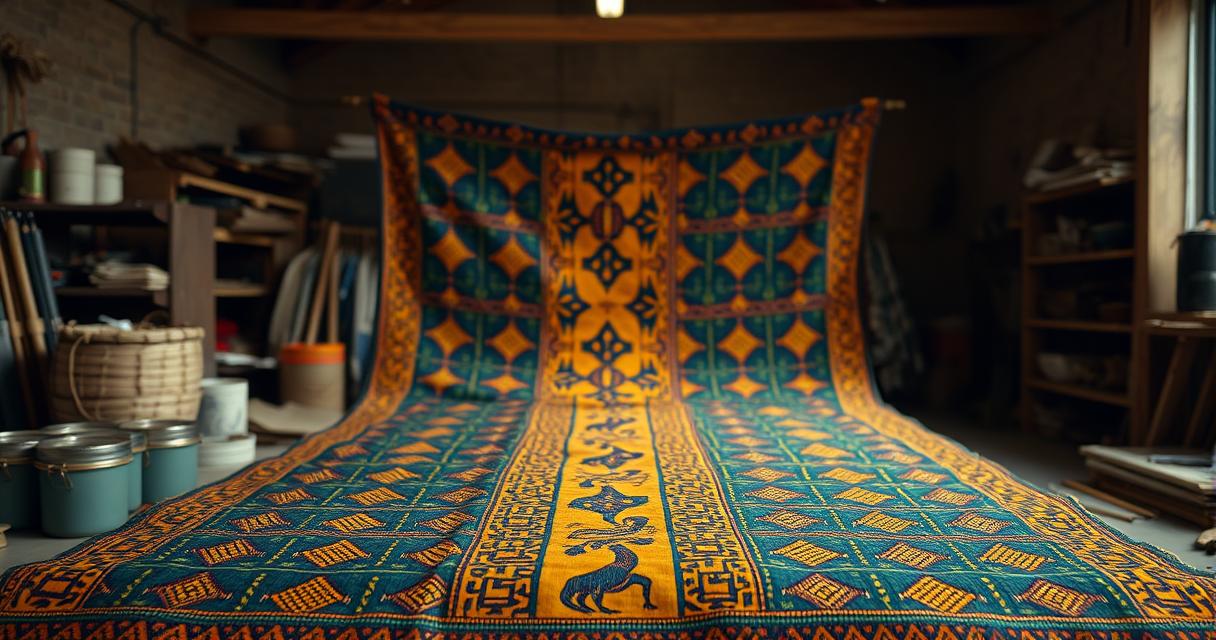
The Cultural Symbolism Woven Into Every Stitch
African craftwork earns its place as art because every piece carries layers of cultural symbolism that transcend mere functionality. Take the kente cloth of Ghana, where each geometric pattern tells a story. The “Adinkra” symbols stamped onto fabric, for instance, represent proverbs and philosophical concepts. A single motif like “Gye Nyame” (Only God) appears in countless textiles, yet its meaning shifts depending on the context of the garment. Designers like Christie Brown, a Ghanaian fashion label, reinterpret these symbols in contemporary collections, proving that the craft is not static but a living dialogue between past and present.
In Mali, bogolanfini (mud cloth) uses natural dyes and hand-painted patterns to convey social status, protection, or even warnings. The process itself is ritualistic. Women artisans ferment leaves to create the dye, then apply it with wooden tools in precise, rhythmic strokes. When these fabrics appear on runways, such as in Louis Vuitton’s 2021 collaboration with artist Grace Wales Bonner, they don’t just decorate; they communicate. The craft becomes a wearable archive, preserving oral histories in thread and pigment.
Even beadwork, often dismissed as mere adornment, holds deep significance. The Maasai of Kenya and Tanzania use beads to signal age, marital status, and clan affiliation. A warrior’s necklace might feature specific colours and arrangements that denote his achievements. When these techniques surface in modern accessories, like the beaded clutches by South African brand Laduma Ngxokolo, they retain their cultural weight. The craft isn’t just beautiful; it’s a coded language, and that complexity elevates it to art.
The Mastery of Technique as Artistic Expression
African craftwork is considered art because the techniques required demand a level of skill that borders on virtuosity. Consider the intricate weaving of the Ewe people in Togo and Ghana. Their looms produce double-faced kente, where the pattern is identical on both sides, a feat that requires years of apprenticeship. The tension of the threads, the precision of the weft, and the harmony of the colours all reflect a mastery that rivals any fine art medium. When these textiles are transformed into garments, like the structured coats by Nigerian designer Lisa Folawiyo, the craftsmanship becomes the focal point.
Pottery offers another example. The Zulu izinkamba (clay pots) are not just vessels but sculptural forms. Artisans coil the clay by hand, then burnish the surface with stones to achieve a lustrous finish. The firing process, done in open pits, introduces unpredictable variations in colour and texture, making each piece unique. Contemporary ceramicists like South Africa’s Andile Dyalvane merge these traditional methods with modern aesthetics, creating pieces that sit in galleries as much as they do in homes. The technique itself is the art, not just the final product.
Metalwork, too, demonstrates this artistic rigor. The lost-wax casting of the Benin Bronzes, though often discussed in historical contexts, is a process that continues today. Artisans in Nigeria’s Igun Street still use the same methods to create brass and bronze sculptures, some of which are now reimagined as statement jewellery. The precision required to carve the wax model, coat it in clay, and pour molten metal into the mould is staggering. When these techniques appear in fashion, such as the brass cuffs by Ethiopian designer Mahlet Afework, they blur the line between craft and high art.
The Role of Narrative in Transforming Craft into Art
What separates African craftwork from mere decoration is its ability to narrate. Each piece is a chapter in a larger story, whether personal, communal, or historical. The appliqué textiles of the Fon people in Benin, for example, depict scenes from mythology or daily life. These fabrics, known as “voodoo flags,” were originally used in religious ceremonies, but today they inspire contemporary artists like Romuald Hazoumè, who repurposes them into wall hangings and garments. The narrative isn’t lost; it evolves.
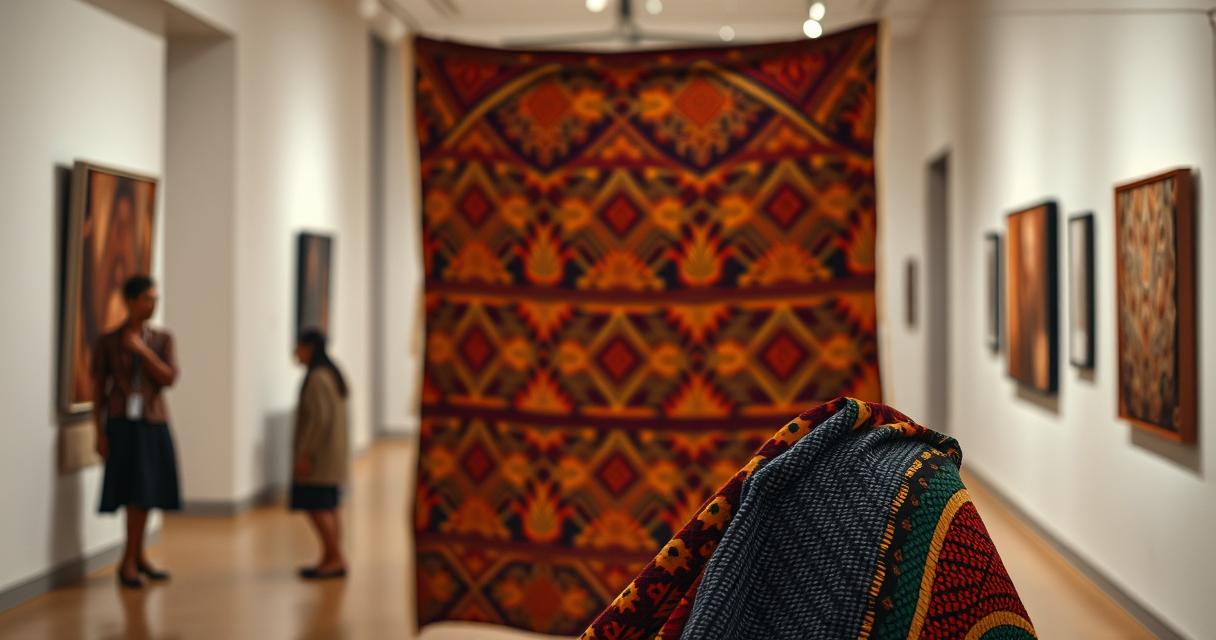
Quilting, though not traditionally African, has been adopted and transformed by artists like Bisa Butler. Her portrait quilts, made from layers of fabric, depict Black figures with a richness that rivals oil paintings. Butler’s work draws on the storytelling traditions of African textiles, where every stitch is a sentence. When these quilts appear in exhibitions, they challenge the notion that craft is inferior to “fine art.” The narrative depth, whether it’s a quilt celebrating a historical figure or a beaded necklace recounting a personal journey, is what makes the craft artistic.
Even basketry, often relegated to the realm of utility, tells stories. The Tutsi of Rwanda weave baskets with patterns that represent proverbs or family lineages. A single basket might take weeks to complete, with each coil of grass or palm leaf contributing to the narrative. When these baskets are reimagined as handbags or wall art, as seen in the work of Rwandan designer Mille Collines, they retain their storytelling power. The craft becomes a medium for preserving and sharing culture, which is the essence of art.
The Intersection of Craft and Fashion as Artistic Innovation
African craftwork is increasingly recognised as art because it fuels innovation in fashion, a field that thrives on creativity and cultural exchange. Designers like Duro Olowu, a Nigerian-British creative, blend traditional African textiles with global influences to create garments that are wearable art. His use of Ankara prints, handwoven aso-oke, and embroidered adire isn’t just about aesthetics; it’s about redefining what fashion can be. When these pieces appear on runways, they challenge the hierarchy that places “high fashion” above “craft.”
The rise of sustainable fashion has also elevated African craftwork to artistic status. Brands like Maxhosa Africa, founded by Laduma Ngxokolo, use Xhosa beadwork and knitwear to create pieces that are both culturally rooted and forward-thinking. The brand’s use of mohair, a material deeply tied to South African heritage, demonstrates how craft can be both traditional and cutting-edge. When these designs are showcased at events like Lagos Fashion Week, they’re celebrated not just for their beauty but for their artistic vision.
Collaborations between African artisans and international designers further cement craftwork’s place in the art world. Louis Vuitton’s 2021 collection, which featured Malian bogolanfini and Ghanaian kente, brought these textiles to a global audience. The collaboration wasn’t just about using African materials; it was about honouring the craftsmanship behind them. When a luxury brand treats these fabrics as art, it validates the skill and creativity of the artisans who produce them. The craft isn’t just a trend; it’s a testament to artistic innovation.
The Emotional Resonance of Handcrafted Work
African craftwork is considered art because it evokes emotion in a way that mass-produced items cannot. The imperfections in a handwoven textile, the slight variations in dye, the uneven edges, are not flaws but signatures of the maker. These nuances create a tactile connection between the artisan and the wearer. When you run your fingers over a piece of adire cloth, you can feel the resist-dyeing process, the wax that was applied and cracked to create the pattern. That physical trace of human effort is what makes the craft feel alive.
Jewellery offers another example. The Tuareg of the Sahara craft silver crosses and amulets using techniques passed down through generations. Each piece is unique, shaped by the artisan’s hands and the tools they use. When these items are worn, they carry the weight of the maker’s intention. A Tuareg cross isn’t just an accessory; it’s a protective symbol, a piece of cultural identity. The emotional resonance of such craftwork is what elevates it beyond mere ornamentation.
Even in home decor, African craftwork elicits a response. The wooden stools of the Lobi people in Burkina Faso are carved with abstract forms that invite contemplation. The asymmetry of the design isn’t random; it’s intentional, meant to provoke thought. When these stools are placed in modern interiors, they don’t just serve a function; they spark conversation. The emotional and intellectual engagement they inspire is the hallmark of art.
The Global Recognition of African Craft as Fine Art
African craftwork has earned its place in the art world through recognition from institutions and collectors. Major museums, like the Metropolitan Museum of Art in New York, now display African textiles alongside paintings and sculptures. The Met’s 2021 exhibition “Before Yesterday We Could Fly” featured contemporary African artists alongside historical craftwork, blurring the lines between the two. This institutional validation signals that craft is not a lesser form of art but an equal one.
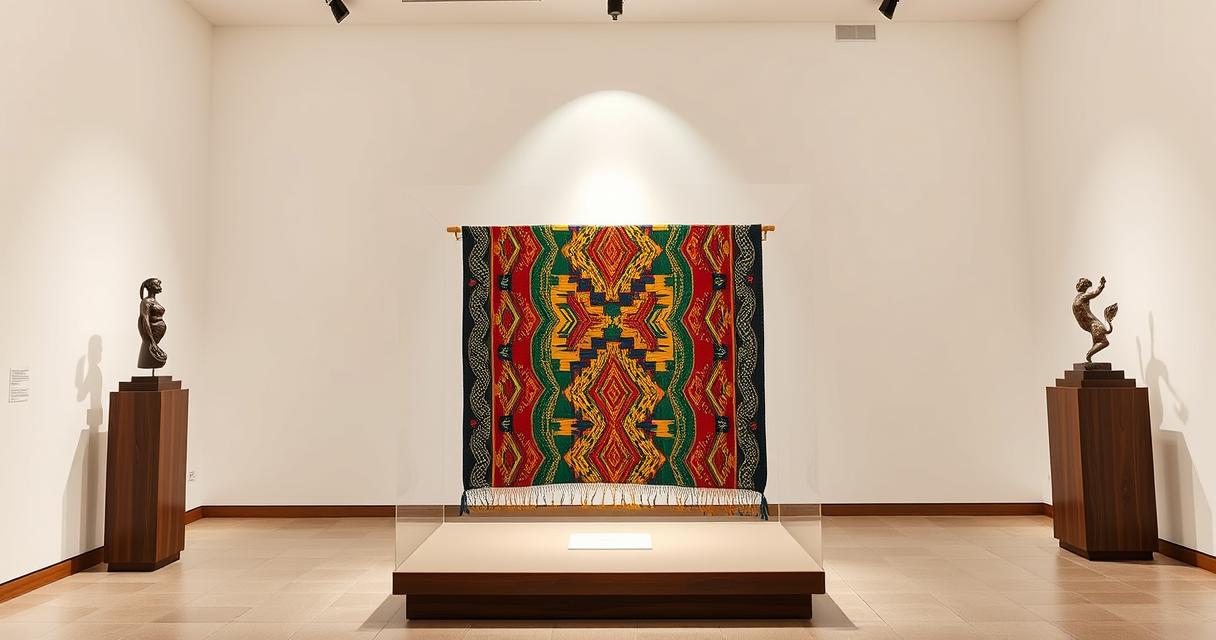
Auction houses have also played a role in this shift. Sotheby’s and Bonhams regularly feature African textiles, beadwork, and metalwork in their sales, often fetching prices that rival those of “fine art.” A single kente cloth can sell for thousands of pounds, not because it’s rare but because collectors recognise its artistic value. The market’s response proves that craftwork is no longer confined to ethnographic collections; it’s a sought-after art form in its own right.
Fashion weeks and design fairs further cement this recognition. Events like 1-54 Contemporary African Art Fair and Lagos Fashion Week showcase craftwork as part of a broader artistic dialogue. When a designer like Kenneth Ize presents handwoven aso-oke suits on the runway, the craft isn’t just a detail; it’s the centrepiece. The global audience’s appreciation for these pieces confirms that African craftwork isn’t just art, it’s art that matters.
The Future of African Craftwork as a Living Art Form
African craftwork isn’t static; it’s a living art form that evolves with each generation. Young artisans are reinterpreting traditional techniques through a modern lens. In Morocco, for example, women weavers are incorporating digital design into their rug-making process. They use software to plan patterns before translating them into wool, creating pieces that bridge the gap between craft and technology. This fusion of old and new ensures that the art form remains relevant.
Sustainability is also shaping the future of African craftwork. Artisans are increasingly using eco-friendly materials, like organic cotton and natural dyes, to create pieces that appeal to conscious consumers. Brands like Studio 189, co-founded by Rosario Dawson and Abrima Erwiah, collaborate with African artisans to produce fashion that is both ethical and artistic. The focus on sustainability doesn’t dilute the craft; it enhances its value, positioning it as art that is as thoughtful as it is beautiful.
The digital age has opened new avenues for African craftwork to be recognised as art. Social media platforms like Instagram allow artisans to showcase their work to a global audience, bypassing traditional gatekeepers. A single post of a handwoven basket or a beaded necklace can go viral, sparking conversations about the artistry behind the craft. This democratisation of exposure means that African craftwork is no longer confined to local markets; it’s part of a global artistic conversation. The future of the craft lies in its ability to adapt, innovate, and continue telling stories that resonate across cultures.

I’m fascinated by the vibrant intersection of contemporary fashion and traditional African craftsmanship. I spend my free time exploring markets, learning about textile techniques, and sharing the stories behind each piece with our readers.