
The Timeless Elegance of Traditional African Hair Accessories
Across the vast and culturally rich continent of Africa, hair has always been more than just a biological feature—it is a canvas for artistic expression, a marker of identity, and a symbol of heritage. Traditional African hair accessories, crafted with meticulous skill and deep cultural significance, transform hairstyles into masterpieces that tell stories of lineage, status, and creativity. From the intricate beadwork of the Maasai to the brass ornaments of the Fulani, these adornments are not merely decorative; they are woven into the fabric of African craftsmanship, fashion, and ethnographic artistry. For those passionate about ethno-fashion and African crafts, understanding these accessories offers a gateway into the continent’s diverse aesthetic traditions and the hands that keep them alive.
The Cultural Significance of Hair in African Traditions
In many African societies, hair is considered a sacred extension of the soul, a belief that elevates hairstyling to a spiritual and communal practice. Among the Yoruba of Nigeria, for example, elaborate hairstyles like irun didi (threaded hair) or suku (basket-like styles) are not only visually striking but also carry meanings tied to age, marital status, and social standing. Hair accessories serve as the finishing touches to these styles, amplifying their symbolism. A young Zulu bride, for instance, might wear izicolo—large, circular reed or grass discs—during her wedding ceremony, signifying her transition into womanhood and her family’s prosperity.
Beyond aesthetics, these accessories often reflect the wearer’s connection to their community and ancestors. In Ethiopia, the shuruba (a silver or brass hairpin) worn by Amhara women is believed to ward off evil spirits, while in Ghana, the duku (headscarf) tied in specific knots can indicate regional origin or even political allegiance. Such details highlight how African hair adornments are deeply embedded in the continent’s social and spiritual tapestry, making them far more than mere fashion statements.
Beadwork: The Vibrant Language of African Hair Adornment
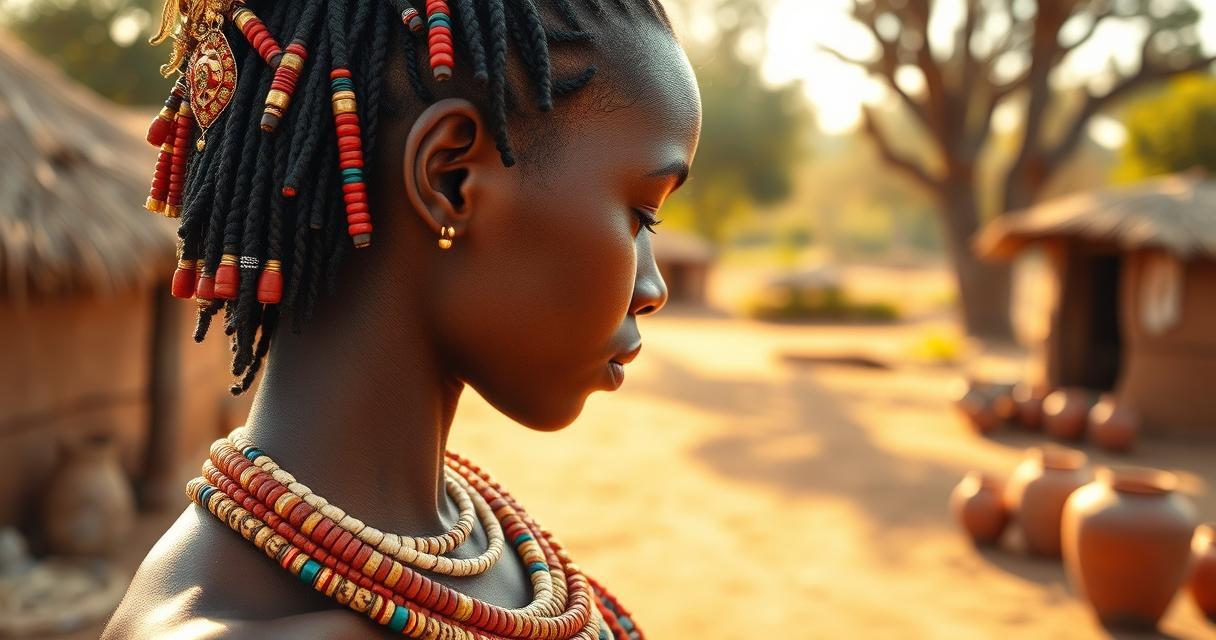
Beads are perhaps the most ubiquitous and versatile of all African hair accessories, used across countless ethnic groups to convey messages through colour, pattern, and placement. The Maasai of Kenya and Tanzania are renowned for their shuka (beaded collars) and enkarewa (beaded headbands), which are often worn by women to denote their age set and marital status. A Maasai girl’s first beaded necklace, for example, might feature red beads to symbolise bravery, while a married woman’s accessories could incorporate blue for fidelity or white for purity. The craftsmanship involved is painstaking: each bead is hand-strung using techniques passed down through generations, often using recycled glass or locally sourced materials like ostrich eggshells.
In West Africa, the Fulani people are celebrated for their kafa (beaded hairpieces), which are intricately woven into braids or attached to leather bands. These pieces often feature amber, coral, or cowrie shells—materials historically traded along trans-Saharan routes and imbued with economic and spiritual value. Similarly, the Himba of Namibia adorn their otjize-coated dreadlocks with ohumba (beaded ornaments), which can weigh several kilograms and are worn as a sign of wealth and beauty. The global resurgence of beadwork in contemporary fashion, from runway collections to streetwear, underscores its enduring appeal and the skill of African artisans who keep this tradition alive.
Metalwork and Brass: The Art of Forged Elegance
For many African cultures, metal—particularly brass, copper, and gold—holds a special place in hair adornment due to its durability and lustre. The Tuareg of the Sahara, often called the “Blue People” for their indigo-dyed garments, are famed for their tagelmust (veils) and takouba (swords), but their women also wear tcherot (brass hair ornaments) as part of their daily attire. These pieces, often shaped like crescents or geometric motifs, are hammered by male blacksmiths using techniques that date back centuries. The process involves melting down old brass objects, pouring the molten metal into moulds, and then hand-finishing each piece to achieve a smooth, reflective surface.
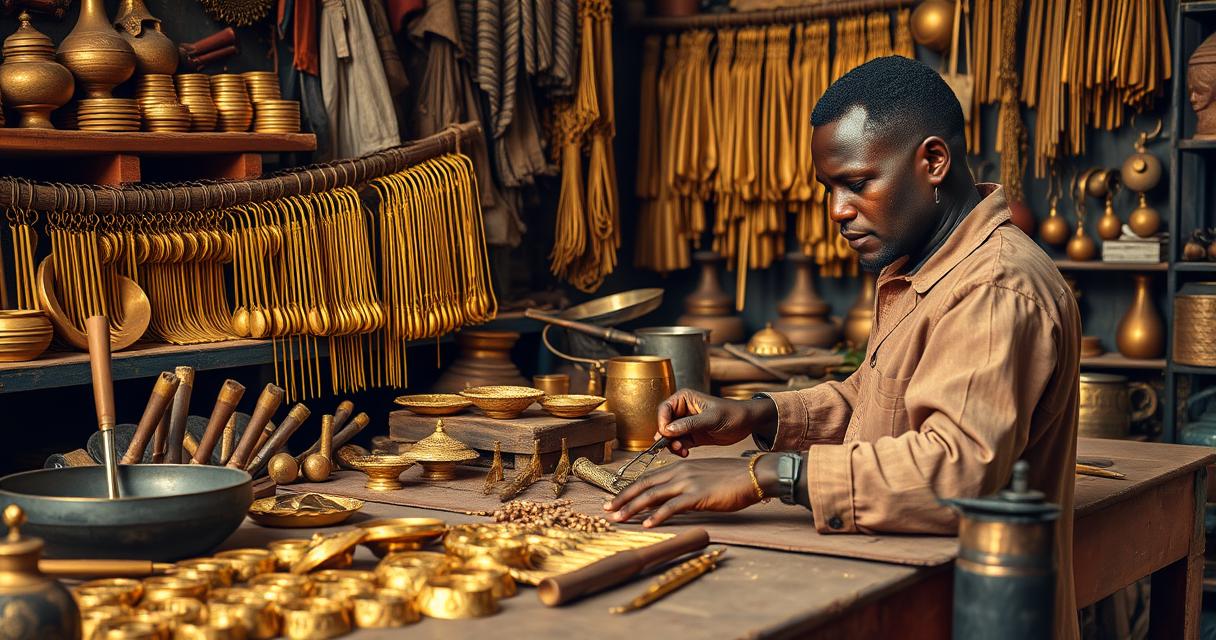
In Nigeria, the Benin Kingdom’s bronze casters have long produced ivie (coral beads) and ukhurhe (brass hairpins) for royal hairstyles. These accessories were historically reserved for the Oba (king) and his court, symbolising divine authority and connection to the ancestors. Today, modern artisans in Benin City and Lagos continue to create brass hair cuffs and combs, blending traditional motifs with contemporary designs. The Fulani, too, incorporate brass into their kafa headpieces, often pairing it with leather and beads to create a striking contrast. Such metalwork not only enhances the beauty of African hairstyles but also serves as a testament to the continent’s advanced metallurgical traditions.
Natural Materials: Grass, Wood, and Fibre in Hair Craftsmanship
While beads and metal dominate many African hair traditions, natural materials like grass, wood, and fibre play an equally vital role in creating unique and sustainable accessories. The Zulu izicolo mentioned earlier are crafted from imfe (reed grass) or ubhici (palm leaves), woven into large, disc-like shapes that frame the face. These pieces are often dyed with natural pigments—such as ochre or indigo—to achieve vibrant hues, and their size can indicate the wearer’s social rank. Similarly, the Himba use omuzumba (wooden hairpins) to secure their otjize-coated dreadlocks, carving the wood into intricate patterns that reflect their clan’s totems.
In East Africa, the Swahili coast has a long tradition of kilemba (headscarves) and kikoi (woven wraps), which are often paired with wooden or bone hair combs. These combs, known as kifagio in Swahili, are not only functional but also decorative, featuring carved motifs of animals, plants, or geometric shapes. The use of natural materials extends to the adinkra symbols of Ghana, where wooden hair combs are sometimes etched with proverbial designs like Gye Nyame (“Except for God”), imbuing everyday objects with philosophical depth. Such accessories highlight the resourcefulness of African artisans, who transform humble materials into objects of beauty and meaning.
Contemporary Revival: African Hair Accessories in Modern Fashion
The global fashion industry’s growing fascination with African aesthetics has led to a renaissance of traditional hair accessories, with designers and stylists reimagining these pieces for contemporary audiences. Brands like Afrique Kod and KHOI, founded by African creatives, are at the forefront of this movement, blending ancestral techniques with modern silhouettes. Afrique Kod, for instance, collaborates with Maasai beadworkers to create statement hair cuffs and headbands that appeal to both African and international markets. Similarly, KHOI’s collections feature brass and leather accessories inspired by Fulani and Tuareg traditions, proving that these designs can transcend cultural boundaries without losing their authenticity.
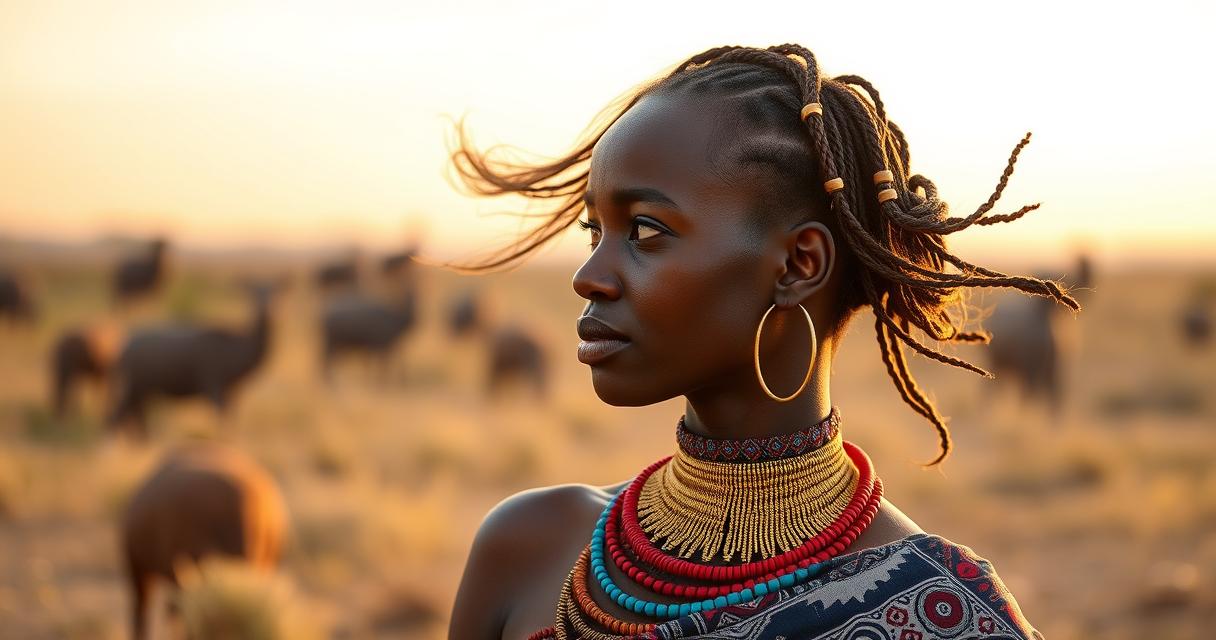
Social media has also played a pivotal role in popularising African hair accessories, with influencers and celebrities showcasing styles like gele (Yoruba head wraps) or dhuku (Shona headscarves) on platforms like Instagram and TikTok. This digital exposure has not only increased demand for ethically sourced accessories but has also provided a platform for African artisans to share their stories and techniques. In the UK, platforms like Ushirika curate and sell these handcrafted pieces, ensuring that the artisans behind them receive fair compensation and recognition. The result is a dynamic fusion of tradition and innovation, where ancient craftsmanship meets the demands of modern fashion.
How to Incorporate African Hair Accessories into Your Wardrobe
For those eager to embrace African hair accessories, the key lies in understanding their cultural context while adapting them to personal style. Start by exploring the symbolism behind different materials and designs: a beaded headband might evoke the Maasai’s warrior spirit, while a brass cuff could channel the regal elegance of the Benin Kingdom. When purchasing, prioritise pieces made by African artisans or brands that support fair trade, such as Ushirika or Serrv International. This ensures that your accessories are not only beautiful but also ethically produced.
Styling these pieces can be as simple or elaborate as you desire. For a subtle nod to African craftsmanship, pair a single beaded hairpin with a sleek bun or ponytail. For a bolder look, layer multiple accessories—such as a Fulani-inspired leather band with brass embellishments—over braids or locs. Headscarves, like the Yoruba gele or the Swahili kilemba, can be tied in countless ways, from the classic rose knot to the dramatic butterfly style. Don’t be afraid to experiment with colour: the vibrant reds, blues, and yellows of African beadwork can add a striking pop to neutral outfits, while earthy tones like ochre and terracotta evoke the continent’s natural landscapes.
Finally, remember that these accessories are more than just fashion—they are a celebration of African heritage. Whether you’re wearing a wooden comb etched with adinkra symbols or a beaded headband crafted by Maasai artisans, you’re participating in a tradition that spans centuries. By choosing these pieces, you’re not only elevating your style but also supporting the communities that keep these crafts alive.
Preserving the Craft: The Future of African Hair Accessories
The survival of traditional African hair accessories depends on the continued transmission of skills from one generation to the next. In many communities, young people are increasingly drawn to urban lifestyles, leaving behind the time-honoured techniques of their elders. However, initiatives like African Fashion Week and Lagos Fashion Week are working to bridge this gap by showcasing African craftsmanship on global stages and providing training programmes for aspiring artisans. Similarly, organisations like The African Craft in South Africa offer workshops where master beadworkers and metalworkers teach their trades to younger generations, ensuring that these skills are not lost to time.
Technology, too, is playing a role in preservation. Digital platforms allow artisans to sell their work directly to international buyers, bypassing middlemen and securing fairer prices. Social media campaigns, such as #BuyAfrican and #SupportAfricanArtisans, raise awareness about the importance of ethical consumption and the stories behind each piece. For consumers, this means that purchasing African hair accessories is no longer just a fashion choice—it’s an act of cultural preservation. By investing in these handcrafted treasures, you’re helping to sustain the livelihoods of artisans and the rich traditions they represent.
As the world continues to embrace diversity and inclusivity in fashion, African hair accessories stand as a testament to the continent’s enduring creativity and resilience. From the beadwork of the Maasai to the brass ornaments of the Benin Kingdom, these pieces are a reminder that true style is rooted in history, culture, and craftsmanship. For those who wear them, they are not just accessories—they are heirlooms, stories, and connections to a heritage that spans millennia.

I’m fascinated by the vibrant intersection of contemporary fashion and traditional African craftsmanship. I spend my free time exploring markets, learning about textile techniques, and sharing the stories behind each piece with our readers.