
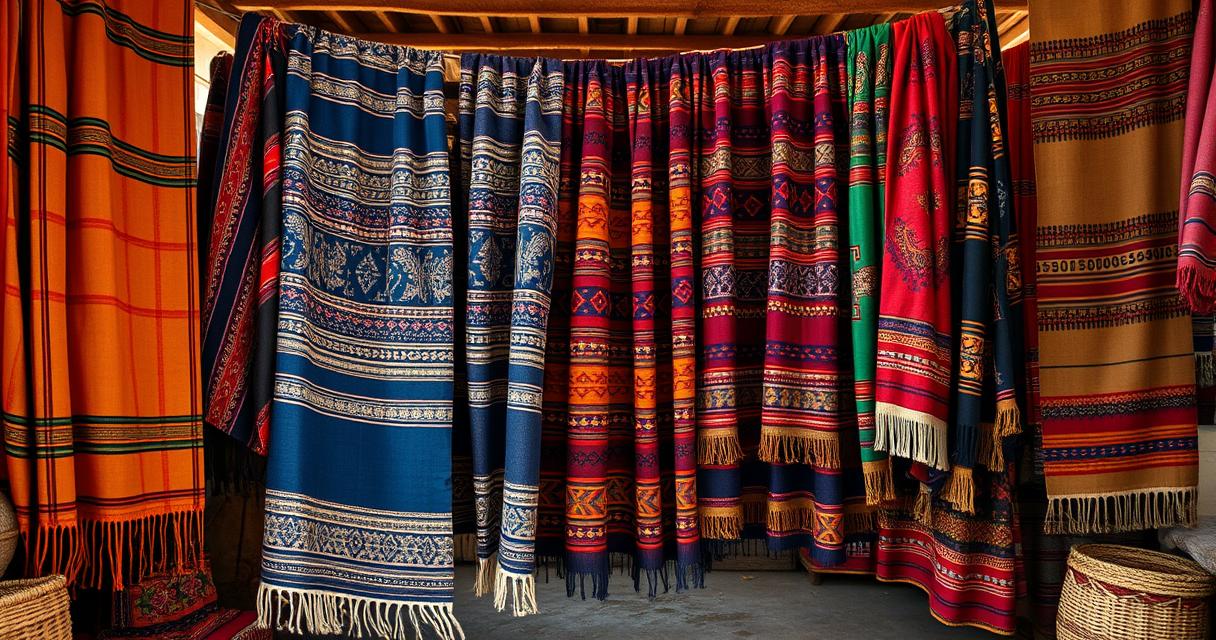
The elegance of Ethiopian textile traditions is a rich and vibrant aspect of the country’s cultural heritage, deeply intertwined with its history, social practices, and artistic expressions. Renowned for their intricate designs and high-quality craftsmanship, these textiles are not merely products of utilitarian needs but also represent a significant form of artistic expression. This article explores the various elements that contribute to the elegance of Ethiopian textiles, including the materials used, the techniques employed, the cultural significance, and the modern adaptations that continue to celebrate this traditional art form.
Historical Context of Ethiopian Textiles
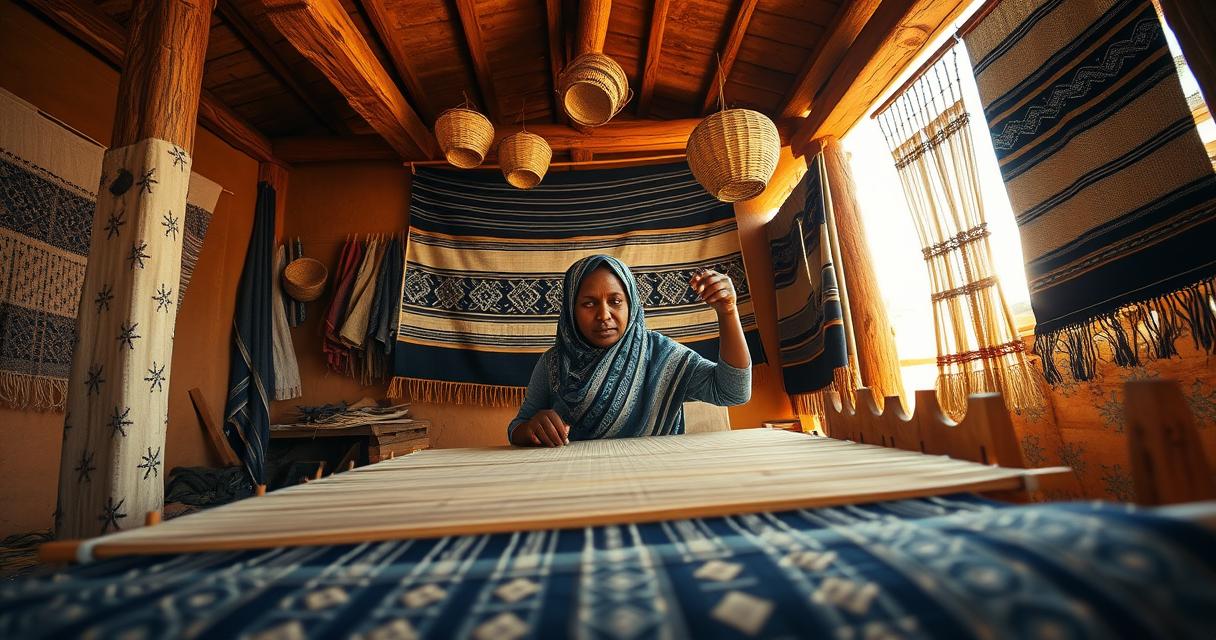
The ancient history of Ethiopian textiles, including African textile dyeing techniques, is reflected in their vibrant colors and patterns. Similar to African beadwork traditions, the craft of weaving in Ethiopia has been passed down through generations of women. Women would often weave textiles for their families, using them for clothing, ceremonial purposes, and household items. The rich cultural tapestry of Ethiopia is reflected in its regional variations, with each area showcasing distinct patterns and techniques that highlight local traditions and resources.
In the past, textiles were not only functional but also served as symbols of status and identity. The use of specific patterns and colours often indicated a person’s social standing or ethnic background. For instance, the use of white cotton and colourful stripes is prevalent among the Oromo people, while the Amhara community is known for its elaborate embroidery and rich fabrics. This historical significance continues to shape the way textiles are perceived in Ethiopian society today.
Materials and Techniques
Ethiopian textiles are primarily made from cotton, silk, and wool, each contributing to the overall aesthetic and functionality of the fabric. Cotton, being the most widely used material, is often hand-spun and dyed using natural dyes derived from local plants and minerals. This method not only ensures vibrant colours but also reflects a sustainable approach to textile production.
The weaving techniques employed in Ethiopia are varied and sophisticated. Traditional looms, often used in rural areas, allow for the creation of intricate patterns and textures. One popular technique is the ‘tibeb,’ which involves weaving decorative borders into the fabric, often seen in garments worn for special occasions. Additionally, the use of embroidery adds layers of meaning and artistry, with motifs that can represent cultural symbols, historical events, or religious beliefs.
Symbolism in Ethiopian Textile Designs
The designs found in Ethiopian textiles are rich in symbolism and often convey messages that are deeply rooted in the country’s culture and history. Common motifs include crosses, animals, and geometric shapes, each carrying its own significance. For example, the cross is a prevalent symbol in Ethiopian Orthodox Christianity, often featured prominently in ceremonial garments.
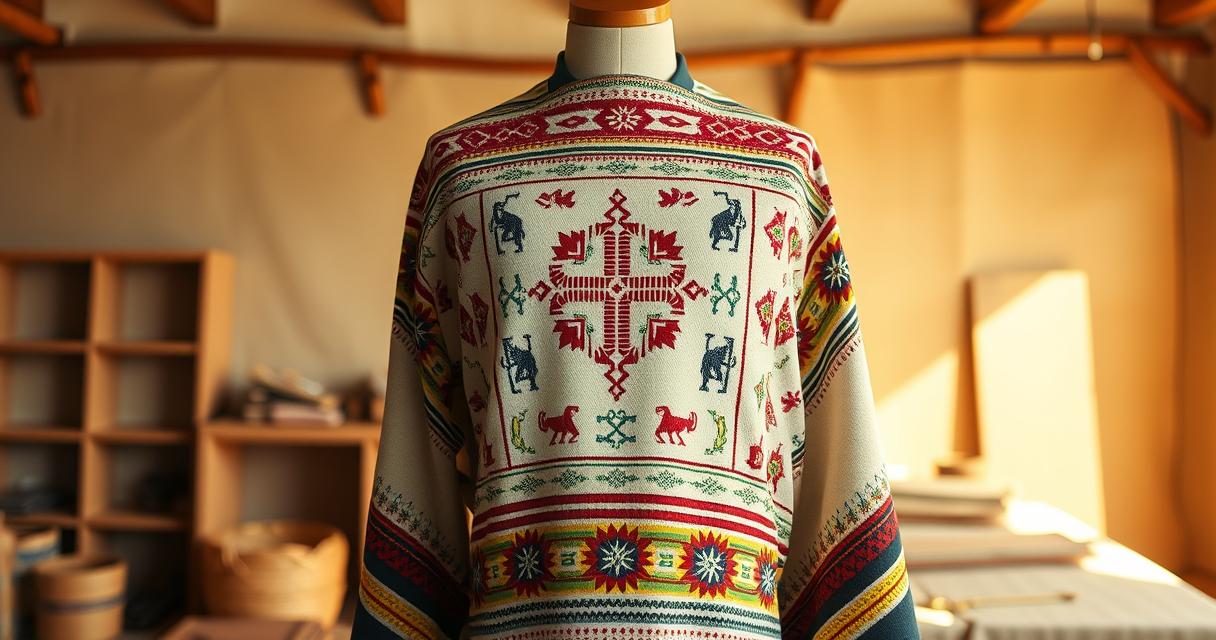
Geometric patterns, on the other hand, can represent various aspects of life, such as fertility, protection, and prosperity. The use of colour also plays a critical role; for instance, red may signify sacrifice or love, while green can represent hope and fertility. This intricate relationship between design, colour, and meaning adds depth to the appreciation of Ethiopian textiles, elevating them beyond mere decorative items to significant cultural artifacts.
Textiles in Ethiopian Fashion
The recognition of Ethiopian textiles on the global fashion stage highlights the importance of African textile traditions. Designers are incorporating traditional fabrics into contemporary fashion, creating a fusion that respects heritage while appealing to modern aesthetics. The ‘habesha kemis,’ a traditional dress worn by Ethiopian women, has seen a resurgence in popularity, often featuring vibrant patterns and luxurious fabrics.
Fashion shows in Ethiopia and abroad now frequently showcase collections that highlight the beauty of Ethiopian textiles. Designers like Amsale Aberra and Hana Kanan have gained international acclaim for their innovative use of traditional fabrics, blending them with modern silhouettes. This not only celebrates Ethiopian craftsmanship but also opens avenues for economic empowerment within local communities, as artisans gain recognition for their skills.
Modern Adaptations and Global Influence
As Ethiopian textiles gain international recognition, there has been a notable shift towards modern adaptations that respect traditional techniques while appealing to contemporary tastes. Many artisans are experimenting with new forms, such as incorporating traditional fabrics into home decor, accessories, and even high-fashion garments. This evolution is crucial for keeping the craftsmanship alive while ensuring its relevance in today’s market.
The influence of Ethiopian textiles is also evident in global fashion trends. The unique patterns and rich colours have inspired designers worldwide, leading to collaborations that promote ethical fashion and sustainable practices. By sourcing materials directly from Ethiopian artisans, these collaborations not only support local economies but also highlight the importance of preserving traditional crafts in an increasingly globalised world.
The Role of Artisans in Preserving Tradition
Artisans play a vital role in the preservation and evolution of Ethiopian textile traditions. Many of these skilled individuals are part of cooperatives that focus on maintaining traditional methods while also ensuring fair wages and sustainable practices. These organisations often provide training and support, helping younger generations learn the craft and understand its significance.
Moreover, the rise of social media and online marketplaces has allowed artisans to reach a broader audience, showcasing their work to potential customers worldwide. This visibility not only promotes Ethiopian textiles but also fosters a sense of pride in cultural heritage, encouraging a new generation to engage with and preserve these traditions.
Conclusion: The Future of Ethiopian Textiles
The elegance of Ethiopian textile traditions is a testament to the country’s rich cultural heritage and artistic expression. As the global fashion landscape continues to evolve, the importance of preserving these traditions while adapting to modern tastes cannot be overstated. The balance between tradition and innovation is essential for the future of Ethiopian textiles, ensuring that they remain relevant and celebrated both locally and globally.
Through the efforts of artisans, designers, and cultural advocates, Ethiopian textiles will continue to tell the stories of their people, weaving together history, artistry, and identity in every thread. As interest in these unique fabrics grows, so does the opportunity for cultural exchange and appreciation, solidifying Ethiopia’s place in the world of fashion and craftsmanship.

I’m fascinated by the vibrant intersection of contemporary fashion and traditional African craftsmanship. I spend my free time exploring markets, learning about textile techniques, and sharing the stories behind each piece with our readers.