
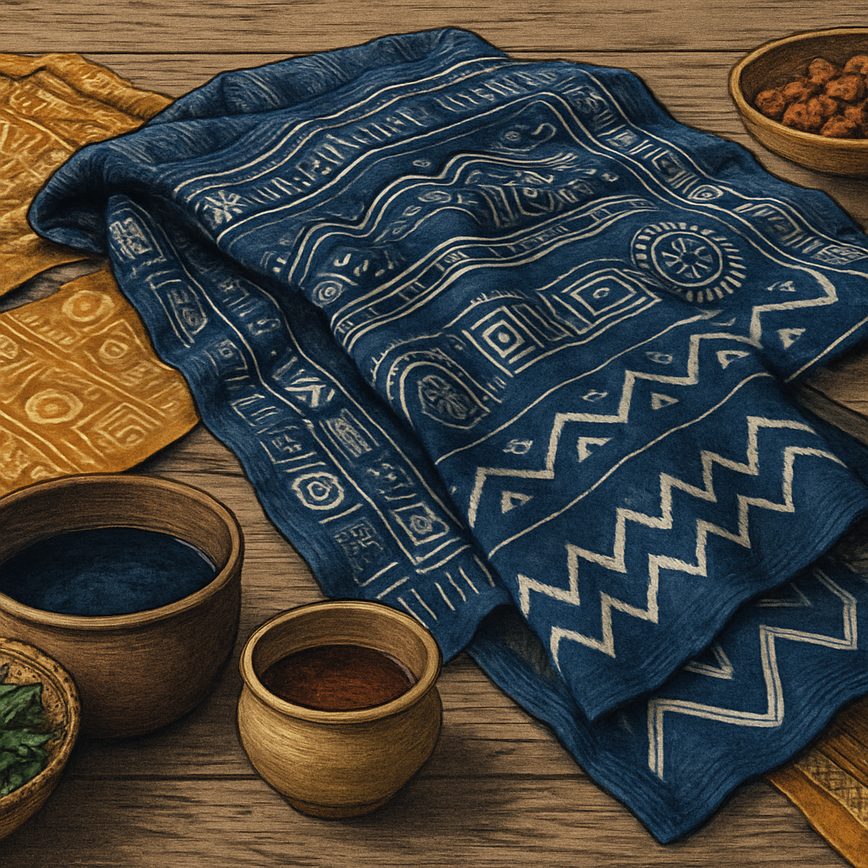
Overview of African Textile Dyeing
Textile dyeing is a deeply rooted tradition in African culture, with a history that spans thousands of years. African textiles are more than just fabrics; they represent a vivid tapestry of the continent’s heritage, storytelling, and identity. The ancient techniques of textile dyeing are not only a testament to the resourcefulness and creativity of African communities but also hold significant cultural and symbolic meanings passed down through generations.
The history of textile dyeing in Africa can be traced back to early African civilizations where natural dyes derived from plants, minerals, and insects were skillfully used to color fabrics. These traditional dyeing methods have been preserved and refined over the centuries, demonstrating the ingenuity of African artisans. Among the most iconic dyes is indigo, a deep blue pigment that has been extensively cultivated and employed in West African societies, symbolizing wealth, spirituality, and status.
Beyond aesthetics, traditional dyeing techniques are intertwined with social and ceremonial functions. Different patterns, colors, and techniques serve as markers of ethnic identity, social status, and significant life events such as weddings, rites of passage, and festivals. For instance, in many African cultures, dyed textiles carry specific meanings that communicate messages without words, acting as a visual language within communities.
The practice of textile dyeing also reflects a profound relationship with the environment. Artisans rely on locally sourced natural materials, understanding the ecology and sustainable harvesting of dye plants and minerals. This connection emphasizes the respect for nature embedded in African traditions, which supports the long-term preservation of both cultural heritage and natural resources.
Today, African textile dyeing continues to inspire contemporary fashion and art worldwide. The ancient techniques are celebrated in modern contexts, highlighting the enduring legacy and cultural richness of Africa. By appreciating the history and significance of African textiles, we gain insight into the continent’s diverse cultures and the remarkable skill and history that textile dyeing embodies as a vital part of African heritage.
Historical Context and Cultural Importance
In African culture, textiles have long been more than mere fabric; they are vital expressions of identity, status, and tradition. Various African communities have developed rich textile traditions that serve to communicate social roles, historical narratives, and spiritual beliefs. Textiles dyed with indigenous techniques are woven into ceremonies, rites of passage, and everyday life, embodying the cultural heritage passed down through generations.
Dyeing techniques, in particular, carry profound social and spiritual meanings. For example, the use of specific colors and patterns often signifies membership in a particular ethnic group or social class. In many communities, indigo dyeing represents protection and spiritual cleansing, while vibrant reds may symbolize vitality and life force. These textile traditions are not only artistic but also serve as a language through which communities express their worldview and values.
The process of textile dyeing itself is frequently accompanied by rituals and is performed by skilled artisans who hold respected roles within their communities. This intertwining of craftsmanship with cultural expression highlights how African textile traditions are essential to preserving and celebrating cultural heritage, making textile dyeing a living symbol of African culture.
Materials and Natural Dyes Used
African textile dyeing relies heavily on natural dyes derived from a rich variety of plant-based dyes, roots, and minerals. These natural sources have been used for centuries, providing vibrant and lasting colors essential to the cultural identity of many African communities. Plant materials like indigo leaves produce deep blue hues, while roots such as those from the madder plant yield red tones. Other plant-based dyes include kola nuts, bark, and leaves from different trees and shrubs, each contributing unique shades and patterns to textile art.
Minerals also play a significant role in traditional dyeing techniques. Clay and ochres, rich in iron oxide, create earthy reds, yellows, and browns that are prized for their natural look and durability. These materials are not only abundant but also environmentally sustainable, reflecting a harmonious relationship between the artisans and their natural surroundings. The use of natural dyes reduces chemical pollution and promotes eco-friendly textile production.
Beyond their practical use, African dye materials hold profound cultural significance. The colors achieved through natural dyes often symbolize various meanings in rituals, festivals, and social status. The knowledge of harvesting and applying these dyes is traditionally passed down generations, preserving age-old techniques that celebrate African heritage. Thus, natural dyes do not only color the fabric but also weave stories of identity, spirituality, and respect for the environment.
Ancient African Dyeing Techniques
Africa has a rich heritage of textile dyeing, showcasing a variety of ancient techniques that remain influential today. Among these, resist dyeing and indigo dyeing stand out as some of the most prominent methods, deeply embedded in the continent’s cultural and artistic traditions. These processes not only create visually striking fabrics but also reflect the historical ingenuity and African craftsmanship of communities.
Indigo dyeing is perhaps the most iconic of these ancient techniques. Derived from the indigo plant, the dye produces a deep blue hue often associated with African textiles. The process begins with harvesting and fermenting the indigo leaves to extract the dye. Fabrics, typically cotton, are dipped into this dye multiple times, allowing the blue to intensify with each immersion. This method has been practiced for centuries in regions such as West Africa, especially among the Yoruba and Fulani peoples. The resulting indigo cloths are celebrated for their rich color and are used for clothing, ceremonial garments, and even social status markers.
Resist dyeing is another ancient technique widely practiced across Africa, encompassing methods like tie-dye and batik. The essence of resist dyeing is to prevent the dye from reaching certain parts of the fabric, creating intricate patterns and designs. Tie-dye involves binding or tying sections of the cloth before dyeing, which leaves those areas undyed, forming distinctive patterns. This method is prevalent in West African countries, where vibrant, bold designs are highly valued.
Batik, on the other hand, uses wax as the resist agent. Artisans apply hot wax to fabric areas where the dye should not penetrate. Once the wax hardens, the fabric is dyed, and the waxed sections remain their original color. After dyeing, the wax is removed, revealing detailed designs. This technique, though often associated with Indonesian traditions, has been localized and adapted in parts of Africa, contributing uniquely to the continent’s textile art.
Together, indigo dyeing and resist dyeing techniques represent the epitome of African textile artistry. They combine natural materials with skilled craftsmanship to produce textiles that are not only beautiful but also rich in cultural symbolism. These ancient techniques continue to inspire contemporary designers and preserve a legacy that ties modern expressions to Africa’s vibrant past.
Indigo Dyeing Techniques
Indigo dyeing stands as one of the most revered and ancient textile techniques in African culture, renowned for producing a distinctive deep blue dye. The process begins with the harvesting of indigo leaves, which undergo a complex preparation known as fermentation dyeing. The leaves are soaked in water and allowed to ferment, a natural biochemical process that transforms the indigo into a soluble form suitable for dyeing fabric. This fermentation step is crucial, as it releases indigotin, the blue pigment responsible for the characteristic color.
Once fermented, the dye solution is carefully aerated by stirring, introducing oxygen to precipitate the indigo pigment. Textiles are then dipped repeatedly into the dye bath, with each immersion deepening the blue shade. Upon exposure to air, the fabric oxidizes and the blue color intensifies, creating the vibrant hues traditional to many African societies.
Beyond its practical applications, indigo holds significant cultural symbolism within African communities. The color blue is often associated with protection, spirituality, and status. Indigo-dyed cloths are worn during important ceremonies and rituals, embodying both aesthetic beauty and deep cultural meanings. The art of indigo dyeing is thus not only a craft but a vital cultural heritage passed down through generations, preserving ancient knowledge and identity.
Resist Dyeing Methods: Tie-Dye and Batik
Resist dyeing methods such as tie-dye and batik are traditional techniques used to create intricate and vibrant patterns on African textiles. In tie-dye, sections of fabric are tightly bound, twisted, or folded before dyeing, preventing the dye from reaching these areas. This results in a distinctive interplay of dyed and undyed fabric, forming bold, often circular or geometric patterns. The process is highly versatile, allowing artisans to experiment with various tying styles to produce unique designs.
Batik involves a wax-resist technique where hot wax is applied directly to fabric in specific patterns or motifs before dyeing. The waxed areas repel the dye, preserving the original color beneath. After the dyeing process, the wax is removed, revealing striking patterns crafted by the contrast between colored and uncolored fabric. Batik designs often carry symbolic meanings and are integral to cultural storytelling and ceremonial uses in many African communities.
Both tie-dye and batik reflect rich cultural heritages and are traditionally used in creating ceremonial garments, fashion, and home décor items. These resist dyeing methods not only highlight skilled craftsmanship but also serve as a medium for expressing identity and social status within African societies. Their enduring appeal continues to inspire contemporary artists and designers worldwide.
Preservation and Modern Adaptations
Ancient African textile dyeing techniques have not only survived the test of time but continue to thrive through dedicated preservation efforts. Cultural custodians, artisans, and heritage organizations work tirelessly to document and teach these traditional methods, ensuring that the knowledge is passed down through generations. Workshops and cultural festivals often highlight these age-old practices, allowing communities and visitors alike to appreciate the intricate processes involved in textile preservation. This commitment to preserving the past provides a vital link to Africa’s rich cultural history and artisanal legacy.
Modern African textiles, while deeply rooted in tradition, have embraced contemporary influences to meet evolving aesthetic demands and market trends. Contemporary African artists and designers draw inspiration from the traditional dyeing techniques, such as indigo dyeing, batik, and tie-dye, reinterpreting these methods in innovative ways to create fresh and meaningful expressions. By blending ancient pigment recipes and textile patterns with modern fabrics and design philosophies, these creators ensure that the cultural significance of textile art remains relevant and vibrant in today’s fashion and art scenes.
One notable way contemporary dyeing adapts ancient techniques is through the integration of sustainable practices. Many African artists prioritize eco-friendly natural dyes, harkening back to the use of plants, roots, and minerals, while applying modern scientific insights to enhance colorfastness and durability. This synergy between traditional knowledge and modern technology not only supports environmental stewardship but also reinforces the cultural authenticity of the textile art.
Furthermore, the adaptation of traditional dyeing in modern African textiles is evident in the stylistic experimentation across different artistic disciplines. Fashion designers incorporate hand-dyed fabrics into ready-to-wear collections, elevating the craft to international runways and consumer markets. Visual artists fuse textile preservation with contemporary art installations, creating dynamic works that celebrate heritage while addressing current social and cultural themes. This cross-disciplinary approach enriches the narrative of textile art, making it accessible and engaging for a global audience.
In essence, the preservation and modern adaptation of ancient African dyeing techniques represent a dynamic dialogue between past and present. By honoring traditional processes and innovating them within contemporary contexts, African textile artists and designers sustain a living heritage that continues to inspire and captivate. This ongoing evolution ensures that textile preservation is not merely about safeguarding relics but about nurturing a vibrant cultural continuum embedded in the fabric of modern African identity.
Efforts in Cultural Preservation
Across Africa, numerous communities and organisations are dedicated to the crucial task of cultural heritage preservation, focusing specifically on traditional textile dyeing techniques. These efforts are paramount for textile conservation, as they safeguard the ancient knowledge passed down through generations, ensuring that these vibrant, age-old crafts do not vanish in the face of modernization.
Cultural heritage in textile dyeing is not just about preserving patterns and colors; it embodies the stories, identity, and artistry of the communities involved. Craft communities often take the lead in these initiatives, working tirelessly to maintain traditional methods such as indigo dyeing, tie-dye, and natural mordanting processes. These practical conservation efforts empower artisans, enabling them to continue their craft while adapting to contemporary markets.
Organisations supporting these craft communities provide vital educational programs, workshops, and resources that promote skill transmission and economic sustainability. Collaborations between local groups and international cultural institutions also play a significant role in documenting techniques and creating awareness about the importance of textile conservation.
Initiatives like community dyeing cooperatives, heritage festivals, and digital archives foster a living connection to cultural roots, reinforcing collective identity and pride. Through these concerted efforts, the rich tapestry of Africa’s dyeing traditions continues to thrive, inspiring future generations to value and uphold this integral part of their cultural heritage.
Innovations in Contemporary Textile Dyeing
Modern textile art in Africa is experiencing a vibrant renaissance as contemporary designers draw inspiration from ancient dyeing techniques. These innovative dyeing methods, rooted in centuries-old African traditions, are being reimagined and incorporated into both fashion and fine art, creating a dynamic fusion that honors heritage while pushing creative boundaries.
Designers today skillfully blend traditional practices such as indigo dyeing, tie-dye, and batik with modern aesthetics, producing fabric designs that resonate globally. This approach not only preserves cultural identity but also elevates African fashion on the international stage. The rich textures and intricate patterns produced through these time-honored dyeing methods provide a unique foundation for innovative textile art that captures the imagination of diverse audiences.
By embracing innovative dyeing techniques alongside advanced technologies, artisans and designers enhance color vibrancy and durability, enabling more sustainable and versatile fabric production. This synergy between tradition and modernity fosters a creative environment where historical techniques inform contemporary trends, encouraging experimentation without losing the essence of authenticity. African fashion designers increasingly showcase collections that celebrate this dialogue, highlighting the importance of cultural continuity in a fast-evolving industry.
Ultimately, the interplay of traditional and modern approaches in African textile dyeing represents both a tribute to ancestral knowledge and a bold step into the future of fashion. This evolution ensures that ancient craftsmanship remains relevant and influential, inspiring new generations and enriching the world of modern textile art.

I’m fascinated by the vibrant intersection of contemporary fashion and traditional African craftsmanship. I spend my free time exploring markets, learning about textile techniques, and sharing the stories behind each piece with our readers.