
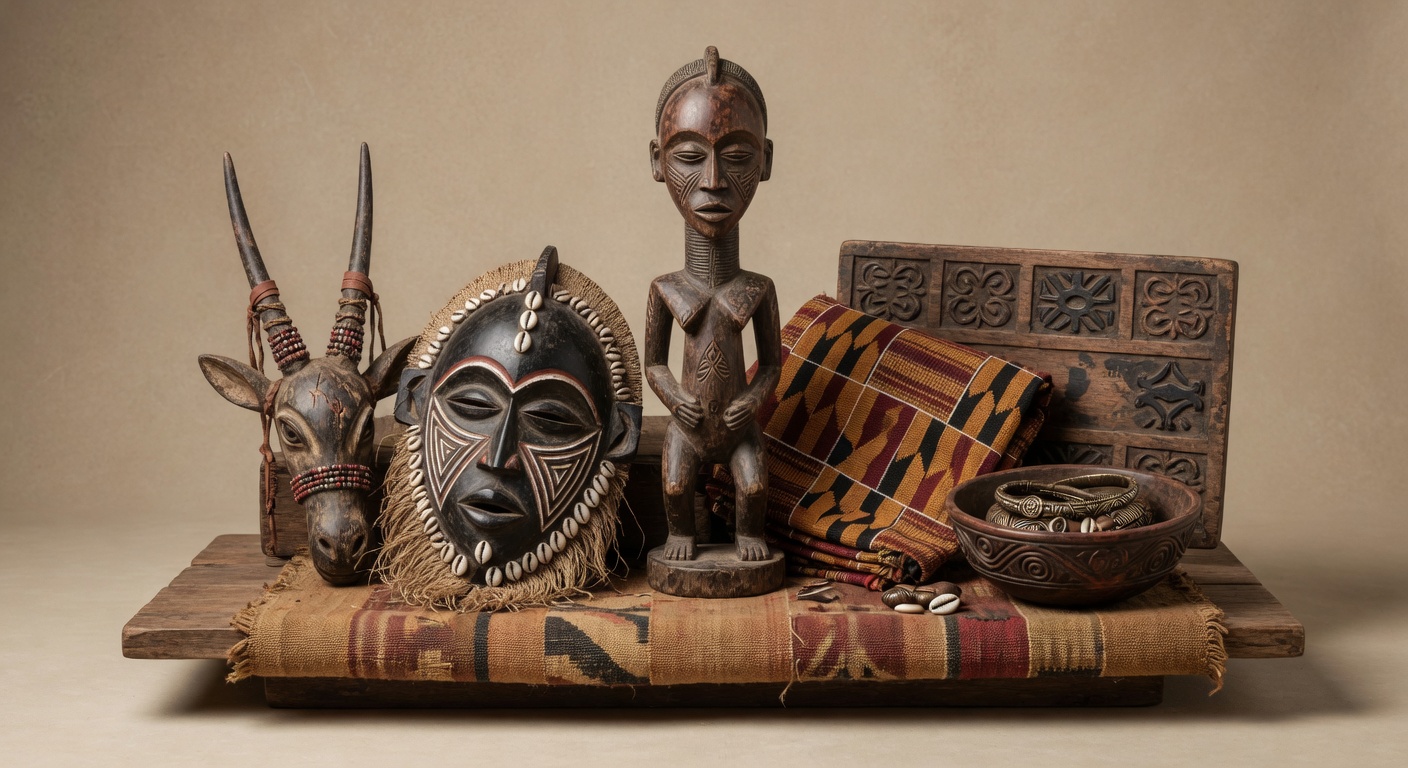
Introduction to African Craft Symbolism
African craft symbolism is deeply embedded in the continent’s rich cultural tapestry, offering a profound insight into its history, beliefs, and values. The origins of symbolism in African crafts date back centuries and have been passed down through generations, often serving as a visual language that communicates complex ideas, cultural practices, and social norms. These symbols are more than mere decoration; they carry cultural meaning that reflects the identity and collective memories of various African communities.
At the heart of African craft symbolism lies a connection to art history, where traditional motifs and designs are crafted with intent and purpose. Artisans incorporate symbolic elements into textiles, pottery, beadwork, woodcarvings, and metalwork, each piece telling stories linked to ancestry, spirituality, and the natural world. This fusion of function and meaning has made African crafts not only utilitarian but also culturally significant works of art.
The symbolism found in African crafts often conveys messages about morality, social status, and historical events. For example, the Adinkra symbols of West Africa are emblematic representations that encapsulate proverbs and philosophical concepts, thereby enriching the narratives woven into fabrics and objects. This cultural meaning adds depth to the aesthetic appeal of African crafts, making them a powerful medium for preserving history and educating future generations.
Understanding the origins and significance of African craft symbolism is essential for appreciating its impact on modern design. Contemporary designers draw inspiration from these age-old symbols, creatively blending traditional elements with modern aesthetics. This integration honors the cultural heritage embedded in African crafts while pushing the boundaries of design innovation, thus bridging the past with the present and creating unique, meaningful modern art and products.
In summary, the cultural significance and rich history of symbolism in African crafts form the foundation for their influence on modern design. Recognizing this heritage not only enriches our appreciation of African art but also highlights the enduring legacy of cultural expression through symbolism, connecting traditional craft practices with contemporary creative endeavors.
Historical Background of African Symbols
African history is rich with profound meanings embedded in traditional symbols that have been passed down through generations. These symbols form an essential part of Africa’s craft heritage, reflecting the continent’s deep cultural roots and diverse communities. Each symbol carries a unique story or lesson, often relating to concepts such as unity, strength, fertility, and spirituality.
From textiles to pottery, woodcarving to beadwork, traditional symbols maintain a resilient presence in African crafts as African artisans preserve ancient crafts, representing the philosophy, ethics, and social values of different ethnic groups. For example, the Adinkra symbols from West Africa are widely recognized for their symbolic representation of wisdom, courage, and moral insights, used extensively in fabrics, pottery, and jewelry.
These symbols are not merely decorative but act as a visual language that communicates history and cultural identity. They celebrate the shared heritage of diverse African societies and their connection to ancestors and the natural world. Understanding the meanings behind these traditional symbols enriches appreciation for African craft heritage and highlights the importance of preserving these cultural roots in the face of modernization.
Common Motifs and Their Meanings
African craft designs are renowned for their distinctive motifs, each carrying rich symbol meanings that communicate cultural stories, beliefs, and values. These motifs are not merely decorative elements but serve as a visual language deeply embedded in African patterns. For example, the Adinkra symbols from West Africa convey messages about wisdom, strength, unity, and spirituality. One common motif, the “Gye Nyame” symbol, represents the supremacy of God, emphasizing faith and protection.
Another frequently seen motif is the zigzag pattern, which often symbolizes the journey of life with its ups and downs, reflecting resilience and adaptability in the face of challenges. Circular motifs, on the other hand, often denote continuity, unity, and the cycle of life, tying into the African worldview of interconnectedness. These patterns can be found across various mediums such as textiles, beadwork, pottery, and carvings.
The use of animal motifs also conveys significant messages; for example, the crocodile pattern signifies strength and power, while the elephant motif stands for wisdom and leadership. Each African pattern is carefully crafted to convey identity, social status, and cultural heritage. By understanding these symbol meanings, one can appreciate the depth and significance of African craft designs beyond their aesthetic appeal, making them both timeless and meaningful in modern design contexts.
Incorporating African Symbolism in Modern Design
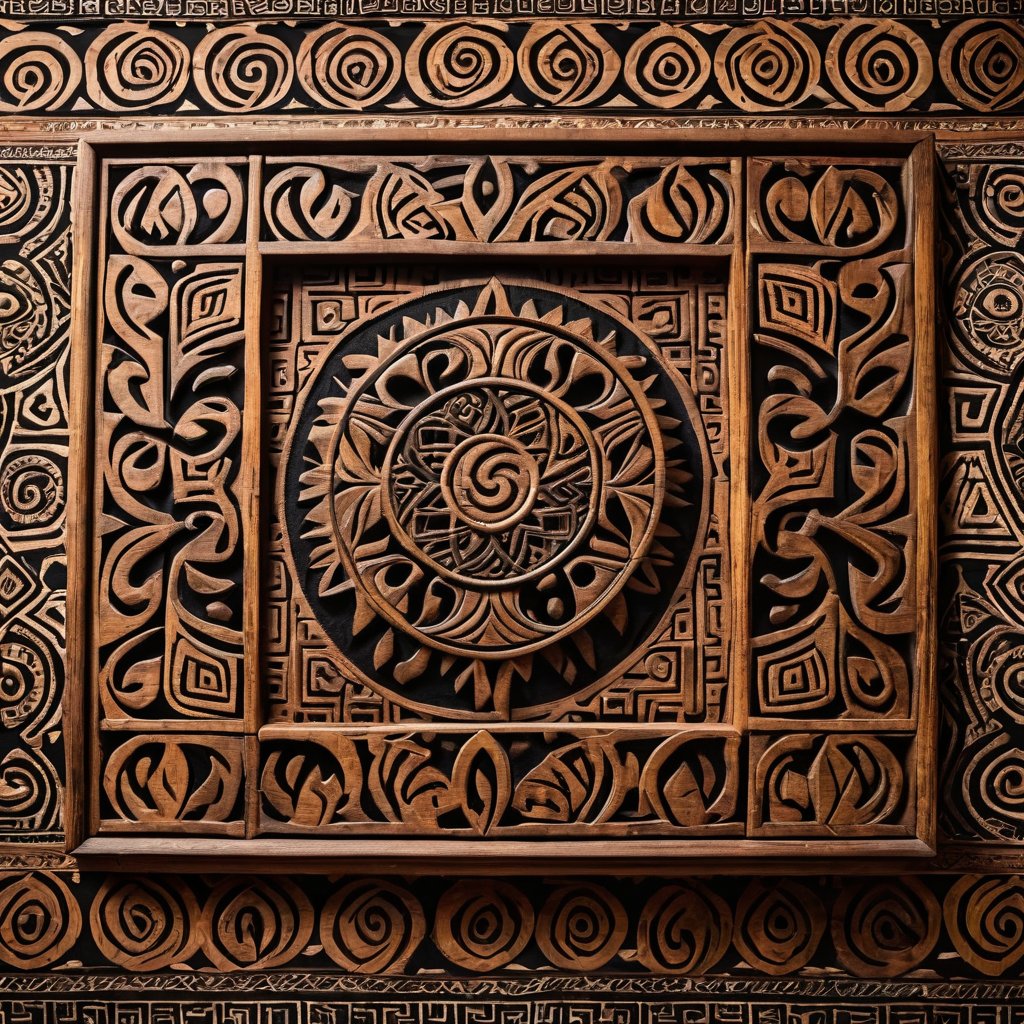
African symbolism, rooted deeply in tradition and cultural narratives, has found a vibrant place in modern design, serving as a rich source of inspiration for contemporary art and creative industries. In recent years, designers and artists have increasingly integrated African craft symbolism into their work, blending historical meanings with a fresh, modern aesthetic that resonates globally.
The integration of African symbolism in modern design is evident across diverse fields, including fashion, interior design, graphic arts, and product development. Designers draw from the symbolic motifs found in African crafts, such as Adinkra symbols from Ghana or the intricate patterns of Maasai beadwork, to create pieces that are not only visually striking but also narratively powerful. These symbols often communicate messages related to identity, community, spirituality, and nature, which add depth and cultural significance to contemporary creations.
In contemporary art, African symbolism is used to challenge conventional aesthetics and offer alternative perspectives. Artists reinterpret traditional motifs in innovative ways, which opens up new avenues for storytelling and cultural expression. This fusion of past and present enhances the relevance of African heritage in today’s global design conversation and promotes cultural appreciation and understanding.
Moreover, the use of African symbolism in design inspiration contributes to a more inclusive creative industry. By embracing these cultural elements, designers acknowledge and celebrate the richness and diversity of African craftsmanship. This practice encourages collaboration and cross-cultural dialogue, fostering a global community where traditional African artistry enriches contemporary projects.
Ultimately, the integration of African craft symbolism into modern design exemplifies a dynamic synergy between heritage and innovation. It highlights how contemporary art and design fields can successfully incorporate meaningful cultural symbols to produce works that are not only aesthetically appealing but also deeply resonant with audiences worldwide.
Fashion and Textile Design
Modern fashion design continually draws inspiration from African textiles, utilizing their rich symbolic patterns to create distinctive and meaningful pieces. African textiles such as Kente cloth, Adinkra symbols, and Bogolanfini (mud cloth) have transcended traditional uses to become central motifs in contemporary fashion collections worldwide. Designers incorporate these symbolic patterns not only for their aesthetic appeal but also to embed cultural narratives and heritage into modern style.
For instance, high fashion brands frequently feature geometric and symbolic designs reminiscent of Adinkra, which carry deep meanings related to values, history, and philosophy. This infusion of symbolism elevates fashion from mere ornamentation to a medium of storytelling. Similarly, the vibrant color schemes and bold patterns of Kente cloth are reinterpreted in modern textile design, blending traditional motifs with contemporary cuts and fabrics to appeal to a global audience.
Moreover, the use of African textiles in urban streetwear has popularized symbolic patterns beyond conventional fashion parameters, merging heritage with current trends. This fusion has empowered designers and wearers alike to celebrate African culture while pushing the boundaries of modern style. In essence, the continued presence of African symbolic patterns in fashion design not only honors the past but also shapes the dynamic evolution of textile art today.
Home Décor and Interior Design
African craft symbolism has profoundly shaped modern home décor and interior design, introducing rich layers of meaning through its unique motifs and symbolic art. The infusion of African motifs into contemporary interiors goes beyond mere aesthetics; it embeds a narrative and cultural depth that transforms living spaces into sites of storytelling and heritage celebration. These symbols, often rooted in nature, spirituality, and community values, resonate deeply with homeowners seeking to create environments that reflect both identity and meaningful artistry.
Designers today incorporate African symbolic elements in various ways—from textiles and wall hangings to furniture details and decorative objects—enhancing the visual appeal of interiors while preserving the essence of traditional craftsmanship. The geometric shapes, bold patterns, and symbolic imagery found in African crafts bring a dynamic yet balanced energy to rooms, promoting a warm and inviting atmosphere. These motifs often serve as focal points or accent features that harmonize with modern minimalist or eclectic styles, proving their versatility and timelessness.
Furthermore, the use of symbolic art in home décor encourages a dialogue between cultures and eras, bridging African heritage with contemporary design sensibilities. By integrating these elements, interior design gains a socially conscious dimension that celebrates diversity and appreciation of global artistic traditions. Ultimately, the influence of African craft symbolism enriches home décor, making interiors not only visually compelling but also imbued with profound cultural significance.
The Future of African Craft Symbolism in Design
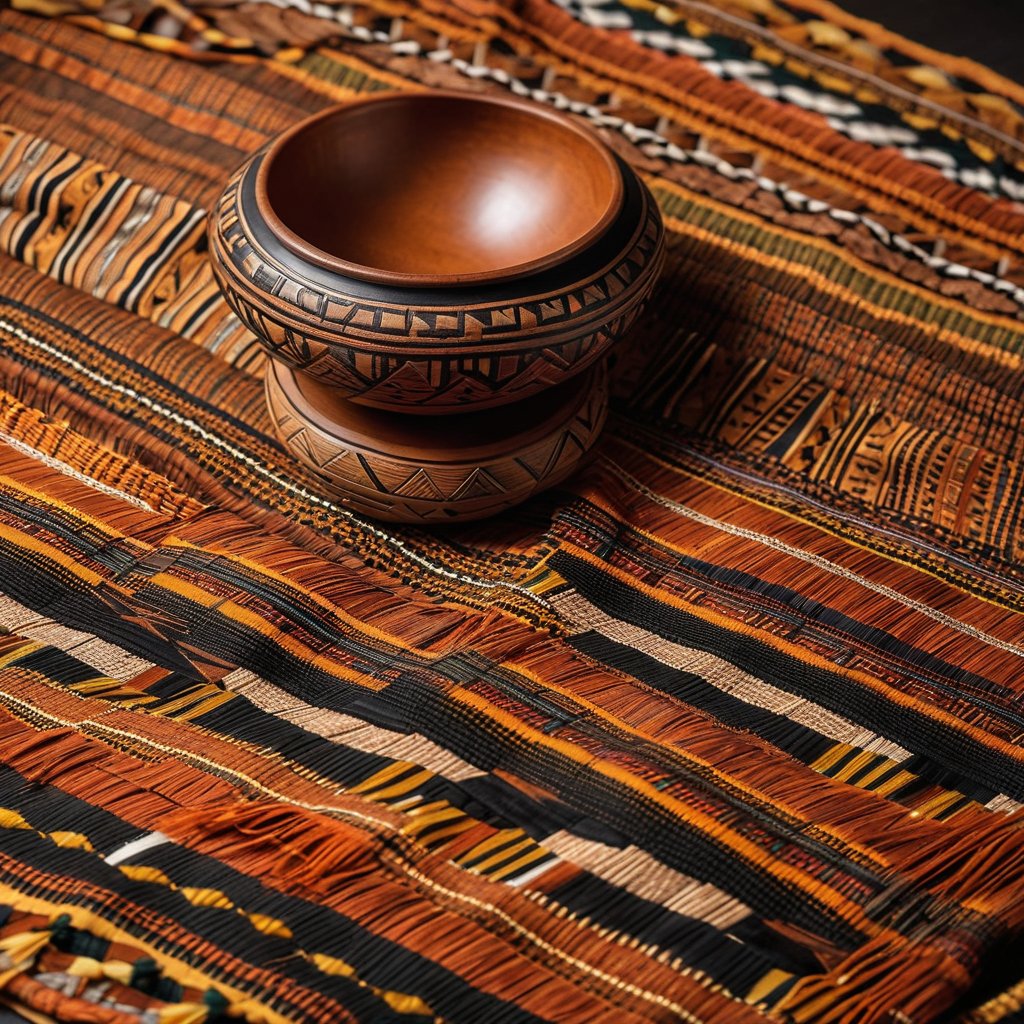
The future of African craft symbolism in design is an exciting realm where tradition meets innovation, creating a dynamic narrative of cultural preservation and creative evolution. As modern designers increasingly turn to African motifs and symbolic craftsmanship, these elements are gaining a vital role in shaping global design trends. This fusion represents not only an aesthetic appreciation but also a deeper engagement with the rich cultural heritage and the stories embedded in African craft.
Emerging trends in the global design landscape indicate a significant shift towards inclusivity and cultural resonance. African design evolution is characterized by the reinterpretation of traditional symbols through contemporary mediums and techniques. Designers are experimenting with new materials and digital fabrication methods that complement the age-old symbolism, pushing the boundaries of craft innovation without compromising the narratives each symbol holds. This balance between old and new is crucial in ensuring that cultural preservation remains at the heart of design development.
One key aspect of this evolving role is the increased visibility and respect for African artisans and their crafts. Collaborations between international designers and local craftsmen are fostering a mutual exchange of knowledge and creativity. Such partnerships are paving the way for sustainable design practices that honor the craft’s origins while adapting to contemporary consumer demands. Through this, African craft symbolism continues to inspire global audiences, offering fresh perspectives and profound meaning in everyday design objects.
The future trends also include the integration of African symbolism into digital and virtual spaces, expanding its reach and relevance. From fashion and interior décor to graphic and product design, African motifs are being digitally preserved and reimagined, making them accessible to a broader audience. This digital turn not only safeguards the cultural legacy but also invites a new generation of designers to explore and innovate within this rich symbolic framework.
In conclusion, the future of African craft symbolism in design is a vibrant and evolving journey. It exemplifies how cultural heritage can thrive in modern contexts through craft innovation and thoughtful preservation. By embracing these future trends, the design world acknowledges the profound impact of African aesthetics, ensuring that its symbolic beauty continues to inspire and transform global modern design.
Sustainable Practices and Symbolism
Sustainability and ethical design have become central themes in modern African crafts, blending seamlessly with the rich symbolism traditionally embedded in these artworks. Artisans increasingly prioritize eco-friendly materials, such as recycled wood, natural dyes, and organic fibers, ensuring that their creations not only honor cultural heritage but also protect the environment. This approach reinforces the spiritual and communal messages historically conveyed through African crafts, while addressing contemporary concerns about environmental impact.
By integrating sustainability into their practices, craftsmen emphasize respect for nature, a core concept in many African cultures, symbolized by motifs representing growth, harmony, and renewal. The use of ethical design principles guarantees fair wages and safe working conditions, reflecting the communal values and responsibility to others that African symbolism endorses. This harmony between old and new highlights a commitment to preserving traditions in a way that supports both people and the planet.
Modern African artisans demonstrate that sustainability is not just a trend but an inherent part of their cultural narrative, where every choice—from material sourcing to production techniques—carries symbolic weight. This fusion of sustainable practices with traditional symbolism enriches the story each craft tells, making African crafts powerful ambassadors for both cultural preservation and environmental stewardship.
Preserving Cultural Identity Through Modern Design
Modern designers play a vital role in preserving and honoring African cultural identity by integrating symbolic crafts into contemporary design. Through thoughtful design innovation, they breathe new life into traditional motifs and techniques, ensuring that the rich heritage embedded in African crafts remains vibrant and relevant. This cultural identity preservation is more than aesthetic—it is a respectful nod to the origins and stories behind each symbolic element.
By collaborating with local artisans and communities, designers uphold the integrity of craft preservation, allowing authentic African heritage to be showcased globally. These partnerships support artisans economically while empowering them to maintain their traditional methods. Modern design thus becomes a bridge that connects past and present, transforming cultural symbols into wearable art, functional objects, and architectural elements.
Furthermore, many designers emphasize sustainability and ethically sourced materials, aligning craft preservation with contemporary values. This approach not only protects the physical artifacts but also promotes respect for cultural narratives and practices. By embedding symbolism within their work, designers help educate broader audiences about the significance of African heritage and prevent cultural dilution.
In essence, the fusion of African symbolic crafts with modern design innovation creates a dynamic platform where cultural identity thrives. It celebrates the past while inspiring future generations to value and continue these traditions, ensuring that African cultural identity is preserved with pride and creativity.

I’m fascinated by the vibrant intersection of contemporary fashion and traditional African craftsmanship. I spend my free time exploring markets, learning about textile techniques, and sharing the stories behind each piece with our readers.