
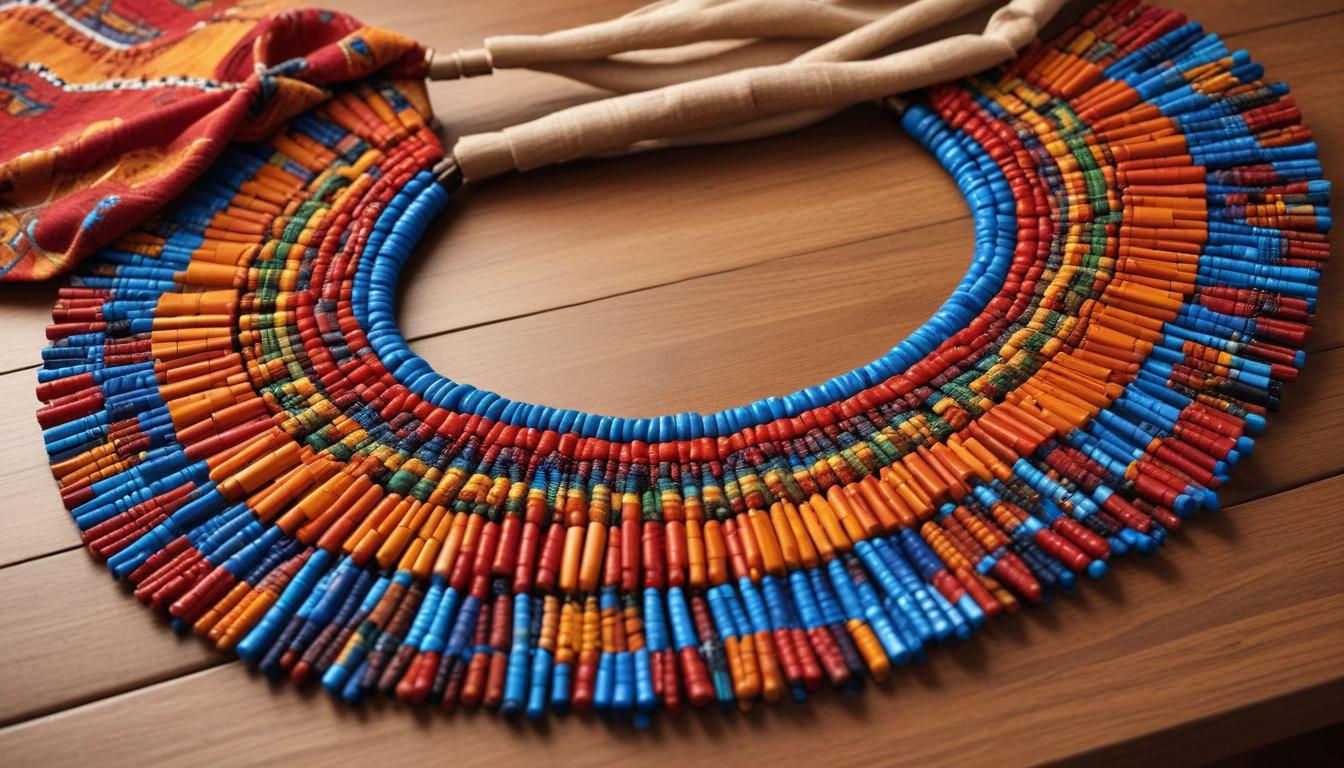
Introduction to African Craftwork as Wearable Art
African craftwork holds a unique place in the world of wearable art, symbolizing a rich tapestry of tradition, culture, and artistic expression. It goes beyond mere decoration or fashion; it is an embodiment of the heritage and values handed down through generations. The tradition of crafting items that can be worn — from jewelry to textiles to body adornments — reflects a deep connection to cultural identity and community pride.
Wearable art in the African context is much more than aesthetics. Each piece crafted by skilled artisans tells a story, whether it is through the choice of materials, patterns, colors, or techniques. Traditional crafts serve as a powerful form of cultural expression, conveying histories, spiritual beliefs, social status, and even personal achievements. African craftwork thus functions as a living archive of cultural narratives and ancestral wisdom.
The significance of African craftwork as wearable art is closely tied to its role in ceremonies and daily life. These crafts are not only appreciated for their beauty but also respected for their symbolic meanings. Whether it is the intricate beadwork of the Maasai, the bold fabrics of the Kente cloth, or the detailed metalwork of West African goldsmiths, each craft connects the wearer to a wider cultural heritage and community history.
In contemporary fashion, African craftwork continues to inspire and influence designers globally, merging traditional elements with modern aesthetics. This blend highlights the dynamic nature of African cultural expression, showing how age-old crafts can evolve while preserving their core significance. As wearable art, African craftwork celebrates creativity, identity, and the enduring power of tradition.
Historical Background of African Wearable Crafts
The history of African craftwork as wearable art is deeply intertwined with the cultural heritage of numerous African tribes. Traditional wear has long been more than just clothing; it is a vital expression of identity, status, and spirituality within these communities. The origins of these crafts trace back centuries, where materials from the environment—such as beads, leather, metals, and woven fibers—were skillfully transformed into intricate designs that carry symbolic meanings.
Each tribe across Africa has contributed uniquely to the evolution of wearable craftwork, reflecting their history and social structures. For example, the Maasai of East Africa are renowned for their striking beadwork, which signifies age, social position, and marital status. Similarly, the Yoruba people of Nigeria have a long history of elaborate textile designs, including the famous Aso Oke cloth that is both wearable art and a symbol of cultural pride.
The craft origins are often rooted in ancient techniques passed down through generations, with artisans dedicating their lives to mastering their skills. These crafted pieces serve not only as attire but also as historical records that celebrate the rich diversity of African heritage. Over time, African wearable crafts have evolved, integrating contemporary influences while preserving traditional methods, thus continuing to tell the story of African tribes and their enduring cultural legacy.
Cultural Significance and Symbolism
African wearable craftwork is deeply rooted in cultural significance and symbolism, serving as more than just decorative accessories. These pieces communicate stories, beliefs, and values that define tribal identity and connect generations. Each item, whether it’s a beaded necklace, woven fabric, or metal adornment, carries distinct meanings related to social status, rites of passage, spiritual protection, or communal roles within the tribe.
The symbolism embedded in African craftwork is often guided by patterns, colors, and materials used. For example, certain colors may represent fertility, wealth, or mourning, while specific motifs could signify ancestral heritage or universal concepts like unity and strength. This rich symbology allows the wearable art to act as a visual language, preserving cultural narratives and expressing identity without the need for words.
In many African communities, these crafts are integral to traditional ceremonies and rituals. They are worn during weddings, festivals, and initiation rites, marking significant moments in a person’s life and reinforcing social bonds. The heritage carried through wearable craft maintains a continuous thread to the past, showcasing the resilience and richness of African cultures, and celebrating tribal identity in every handcrafted piece.
Popular Types of African Wearable Art
African wearable art is a vibrant and diverse expression of culture, identity, and craftsmanship. Among the most celebrated forms are beadwork, textiles, jewellery, and traditional clothing, each carrying its own unique significance and artistic style.
Beadwork is one of the most distinctive elements of African wearable art. Many African communities use colorful beads to create intricate patterns and designs that adorn clothing, accessories, and ceremonial objects. These beads are not just decorative; they often symbolize social status, marital status, and cultural heritage. For example, the Maasai people of East Africa are famed for their exquisite bead necklaces and bracelets that tell stories and convey messages through color and pattern.
Textiles in African wearable art are renowned worldwide for their rich textures and vibrant colors. Handwoven and hand-dyed fabrics such as kente cloth from Ghana, mudcloth from Mali, and aso oke from Nigeria are treasured for their craftsmanship and cultural symbolism. Each textile design often carries deep meanings related to history, proverbs, or local traditions. African textiles are commonly used to make garments that are both functional and ceremonial, showcasing the wearer’s heritage and individuality.
Jewellery in African wear is another vital art form that blends beauty with tradition. Crafted from a variety of materials including gold, silver, copper, bone, and shells, African jewellery serves both decorative and symbolic purposes. Necklaces, earrings, bracelets, and waist beads often signify rites of passage, spiritual beliefs, and social roles. The Tuareg people, for instance, create stunning silver jewelry featuring geometric patterns that reflect their desert environment and cultural values.
Traditional clothing remains a cornerstone of African wearable art. These garments are often handmade and embroidered, reflecting local aesthetics and resources. From the flowing robes of West African boubous to the colorful wraps and headscarves of southern and eastern Africa, traditional clothing varies widely in style and significance. Wearing these garments in everyday life or during special occasions is a powerful way to connect with ancestral roots and express pride in African identity.
In sum, African wearable art encompasses a rich array of artistic traditions including beadwork, textiles, jewellery, and traditional clothing. Each form is not only a feast for the eyes but also a meaningful representation of culture, spirituality, and history, making African wearable art a truly treasured and dynamic heritage.
Beadwork and Jewellery
The intricate craft of beadwork and jewellery holds a special place in African wearable art, serving as more than just adornment. Beaded jewellery such as necklaces and bracelets are meticulously crafted by skilled artisans who weave together colorful beads to create elaborate patterns and symbolic designs. These pieces often tell stories, represent social status, or signify cultural identity. Traditional adornment through beadwork is deeply rooted in numerous African communities, where each bead’s color and arrangement can convey messages about an individual’s age, marital status, or tribe.
Necklaces made from beads can range from simple strands worn daily to ornate ceremonial pieces reserved for special occasions. Similarly, bracelets are popular as both decorative and meaningful accessories, worn singly or stacked in vibrant combinations. The craft involves a combination of artistic vision and technical skill, often passed down through generations. Beyond their aesthetic appeal, beaded jewellery pieces serve cultural functions such as rites of passage, celebrations, and spiritual protection.
This traditional adornment not only enhances personal beauty but also preserves cultural heritage through wearable art. The use of beads in jewellery reflects the diversity and rich history of African societies, highlighting their connection to nature, spirituality, and community life. Beaded jewellery remains an enduring symbol of identity and artistry, embodying both creativity and cultural expression in African craftwork.
Textiles and Fabric Art
African textiles are vibrant expressions of culture and history, woven into wearable art that tells powerful stories. Among the most celebrated are kente cloth and mud cloth, both deeply symbolic and rooted in tradition. Kente cloth, originating from the Ashanti people of Ghana, is renowned for its intricate patterns and bright colors, each design carrying specific meanings related to social status, spiritual beliefs, and historical events. Worn during significant ceremonies, kente is much more than fabric—it is a visual language communicating identity and heritage.
Mud cloth, or bogolanfini, from Mali offers a contrasting yet equally evocative form of woven art. Made from handwoven cotton dyed with fermented mud, each piece is unique, featuring abstract symbols and patterns that narrate stories of the maker’s community, personal experiences, or moral lessons. The painstaking process and the narratives embedded in mud cloth elevate it beyond clothing to a medium of cultural preservation.
These African textiles demonstrate how fabric can transcend its functional use to become art that is worn proudly. They embody craftsmanship, history, and meaning in every thread, making them timeless pieces of cultural significance. Through kente cloth, mud cloth, and other forms of woven art, African craftwork continues to celebrate identity, artistry, and storytelling.
African Craftwork in Contemporary Fashion
African craftwork as wearable art has profoundly influenced modern fashion, bringing a vibrant mix of tradition, innovation, and sustainability to global runways and street styles alike. African designers have successfully infused traditional techniques and materials with contemporary aesthetics, creating pieces that resonate well beyond the continent’s borders. This fusion not only celebrates Africa’s rich heritage but also elevates it within the context of modern fashion, making it relevant and appealing to diverse audiences worldwide.
The global influence of African wearable art is evident in the way designers incorporate bold patterns, intricate beadwork, and symbolic motifs into their creations. These elements tell stories and convey cultural identities, offering consumers more than just fashion—they offer a connection to history and artistry. As African designers gain international acclaim, their work challenges conventional fashion norms and promotes inclusivity and cross-cultural appreciation in the industry.
Moreover, the embrace of African craft by global consumers highlights a growing demand for authenticity and ethical practices in fashion. Sustainable craft, a hallmark of many African artisan techniques, aligns perfectly with contemporary values focused on environmental responsibility and fair trade. Consumers are increasingly drawn to fashion that respects both nature and culture, making African craftwork a significant force in the evolving sustainable fashion movement.
The synergy between African wearable art and modern fashion extends beyond aesthetics; it fosters economic empowerment for artisans and communities. By supporting handcrafted and sustainable products, designers and consumers help preserve these cultural crafts and ensure their continuation in a rapidly changing world. Consequently, African craftwork is not only a hallmark of style but also a beacon of sustainable creativity and cultural resilience on the global fashion stage.
Incorporation by Global Fashion Designers
Global fashion designers are increasingly drawing inspiration from African craftwork, recognizing its rich heritage and unique aesthetics as a vibrant source for innovation. African inspiration has become a powerful influence in global fashion, inspiring designers to incorporate traditional patterns, textures, and techniques into contemporary collections. This fusion celebrates both the cultural significance of African artistry and the modern appeal of creative design.
Many fashion designers integrate elements such as intricate beadwork, bold prints, and handwoven fabrics sourced directly from African artisans. These components are reimagined within the context of modern design trends, creating pieces that are both stylish and culturally meaningful. The rise of global fashion platforms has also facilitated the sharing of African craft traditions, allowing designers worldwide to collaborate with African makers or reinterpret these motifs in innovative ways.
This incorporation not only enriches the aesthetic diversity of fashion collections but also fosters greater appreciation and respect for African craftsmanship on a global scale. As a result, African-inspired designs are now prominent on international runways, influencing everything from haute couture to streetwear. The intersection of heritage and contemporary creativity exemplifies a dynamic evolution in the fashion industry, where African craftwork is celebrated as wearable art that transcends cultural boundaries.
Sustainability and Ethical Fashion
African craftwork plays a vital role in promoting sustainable fashion by emphasizing the use of eco-friendly materials and traditional techniques passed down through generations. Many African artisans utilize natural fibers and dyes, reducing reliance on synthetic fabrics and harmful chemicals, which significantly lessens the environmental impact of their creations. This approach aligns perfectly with the principles of sustainable fashion that prioritize longevity, minimal waste, and environmental stewardship.
Ethical craft is central to African handmade fashion, where artisan support goes beyond the creation of beautiful pieces; it fosters fair wages, preserves cultural heritage, and empowers local communities. By investing in handmade African craftwork, consumers contribute directly to the livelihoods of artisans, promoting ethical trade practices and social responsibility within the fashion industry. This support helps sustain not only the artists but also the traditional crafting skills that might otherwise face extinction.
Moreover, African craftwork encourages transparency and mindfulness in fashion production. Unlike mass-produced clothing, handcrafted items typically have a smaller carbon footprint and emphasize quality over quantity. By choosing African artisan products, fashion followers embrace a more conscious lifestyle that values ethical craft and eco-friendly materials, thereby helping to shift the industry towards more sustainable and ethical practices overall.

I’m fascinated by the vibrant intersection of contemporary fashion and traditional African craftsmanship. I spend my free time exploring markets, learning about textile techniques, and sharing the stories behind each piece with our readers.