
Blog
-
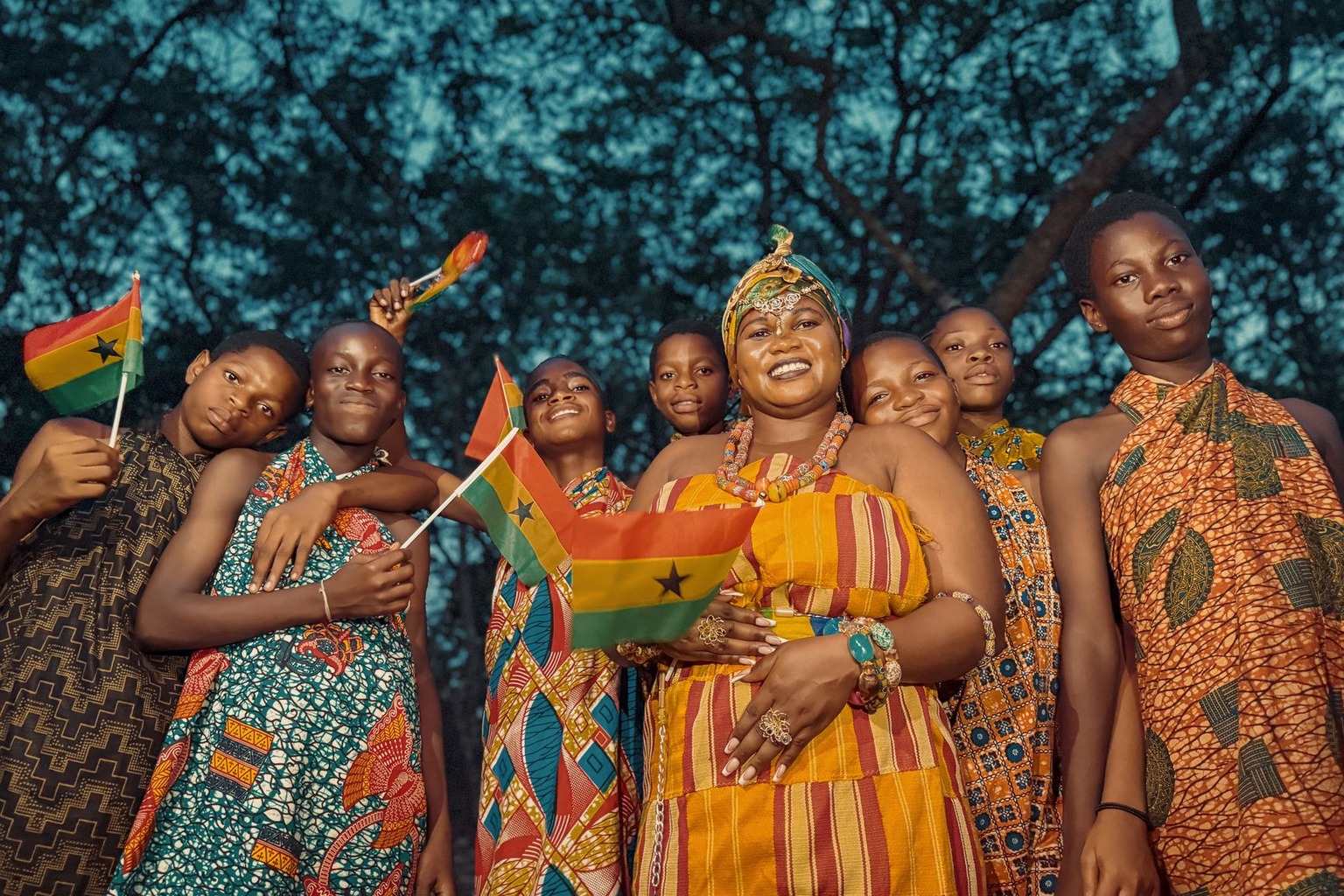
Ghana textiles and their global appeal
The vibrant legacy of Ghana textiles has long been a cornerstone of the global ethnically inspired fashion scene, where each thread tells a story of
-
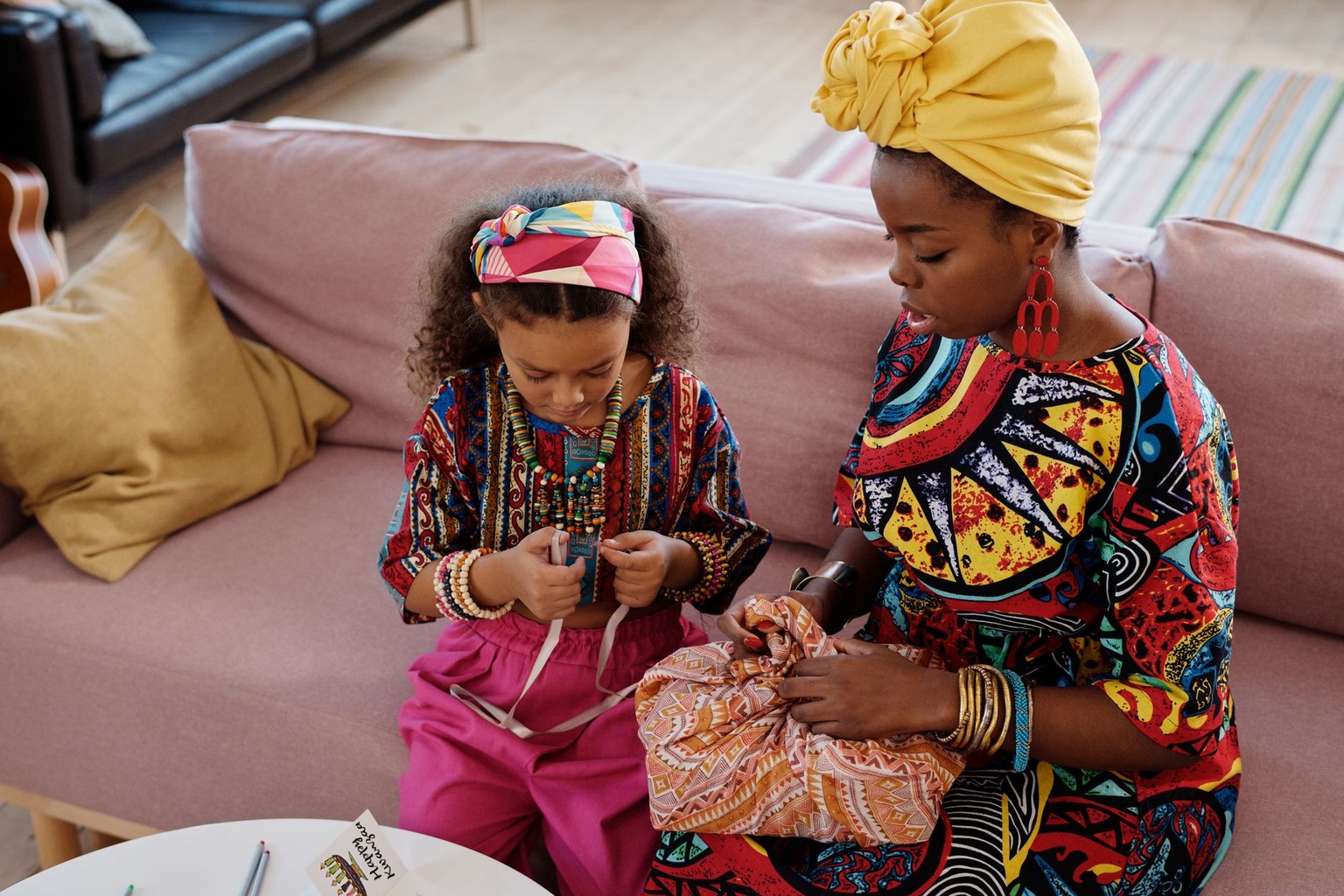
Ankara head wrap variations for events
The ankara head wrap is more than just a piece of fabric, it’s a statement of cultural heritage, versatility, and effortless style, especially when adapted
-
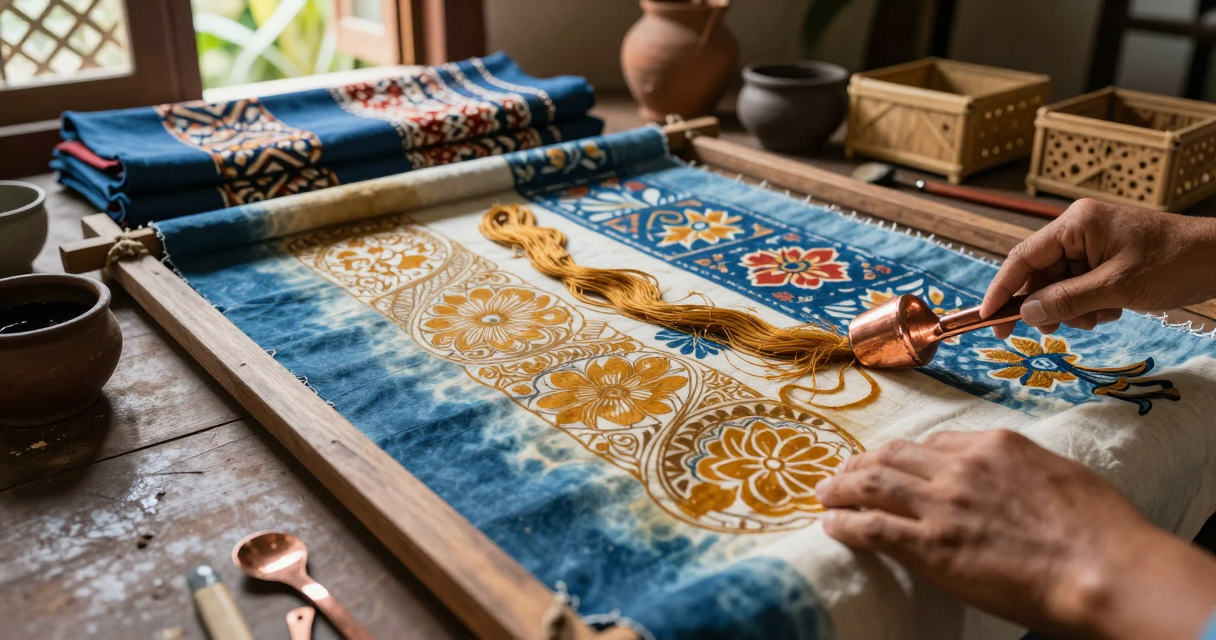
Batik fabrics for sustainable wardrobes
Batik fabrics have long been cherished for their intricate patterns and deep cultural roots, offering a compelling alternative to fast fashion. As shoppers
-

Headwrap styling tips for daily wear
Integrating traditional textile heritage into contemporary wardrobes requires an appreciation of historical roots and an eye for modern silhouettes. Wearing
-

How to Set Limits and Keep Gambling Entertainment Responsible with Newline Login
Online gambling works best as a harmless pastime rather than a stressful financial burden. Protecting your bankroll requires practical boundary setting
-
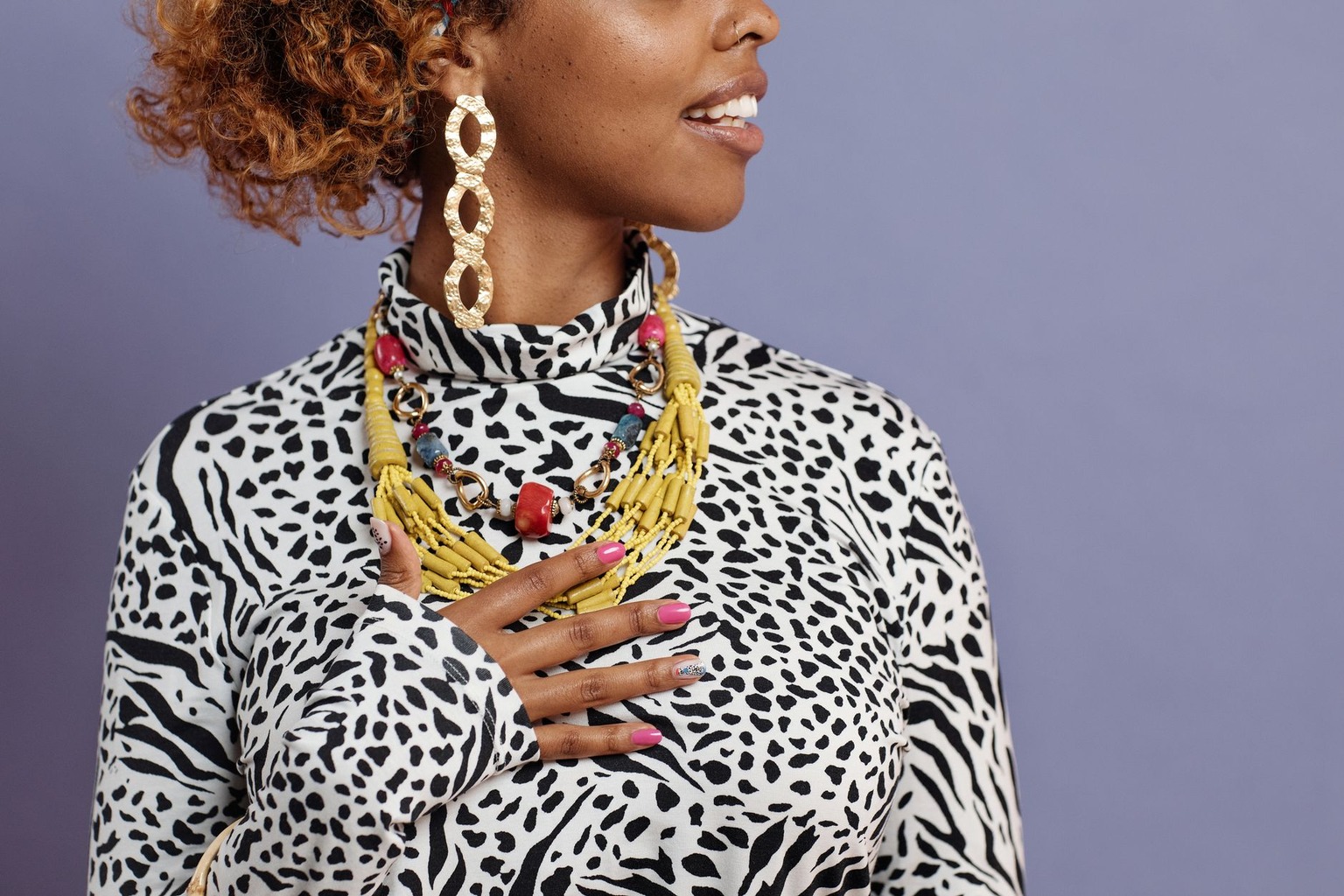
Brother Vellies handmade leather craft review
The brand that has become synonymous with modern African-inspired craftsmanship, Brother Vellies , is more than just a label, it’s a celebration of heritage
-
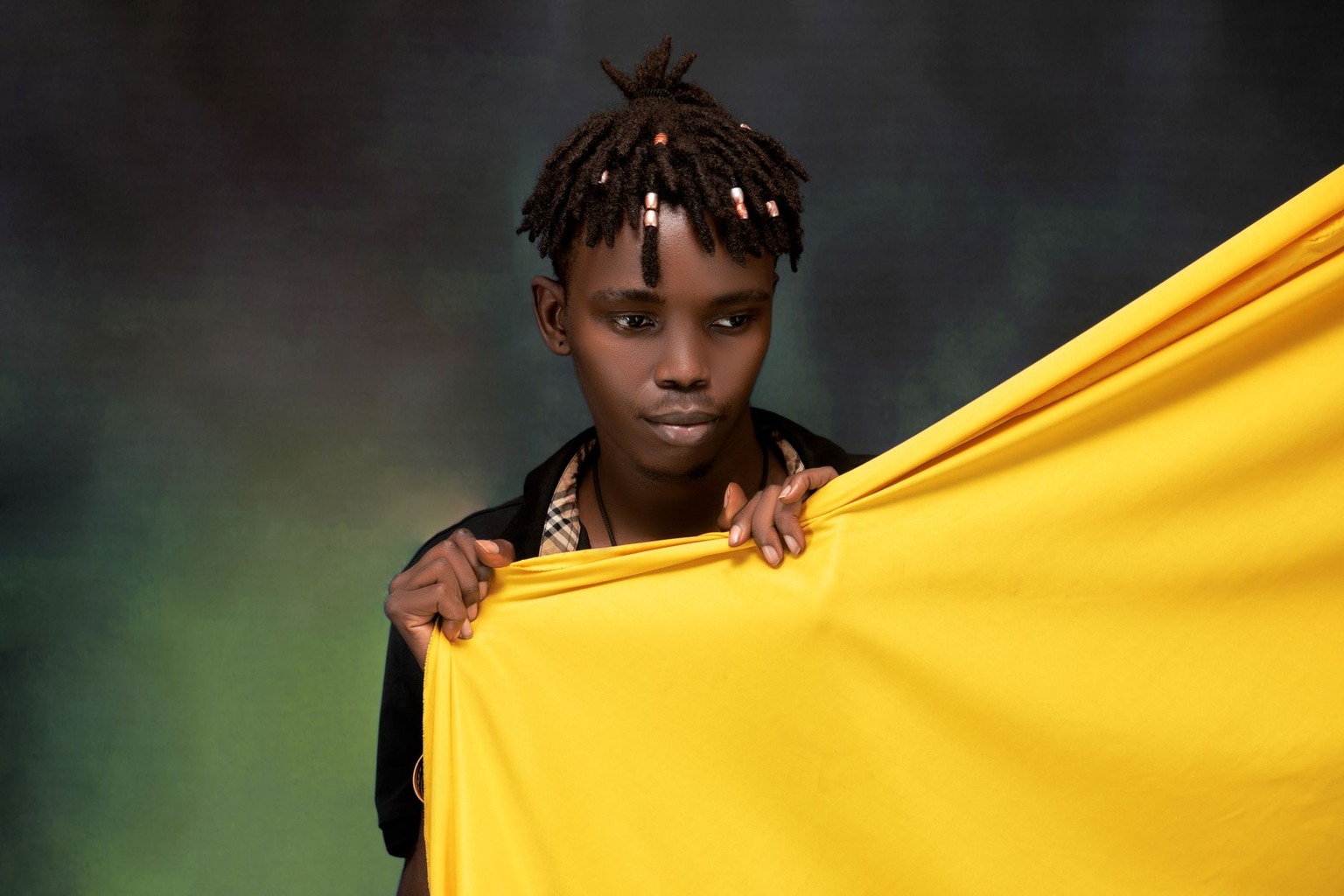
Yellow wax print patterns for summer
Yellow wax print fabric has become a defining staple in West African and global fashion wardrobes, offering a vibrant alternative to standard cottons during
-
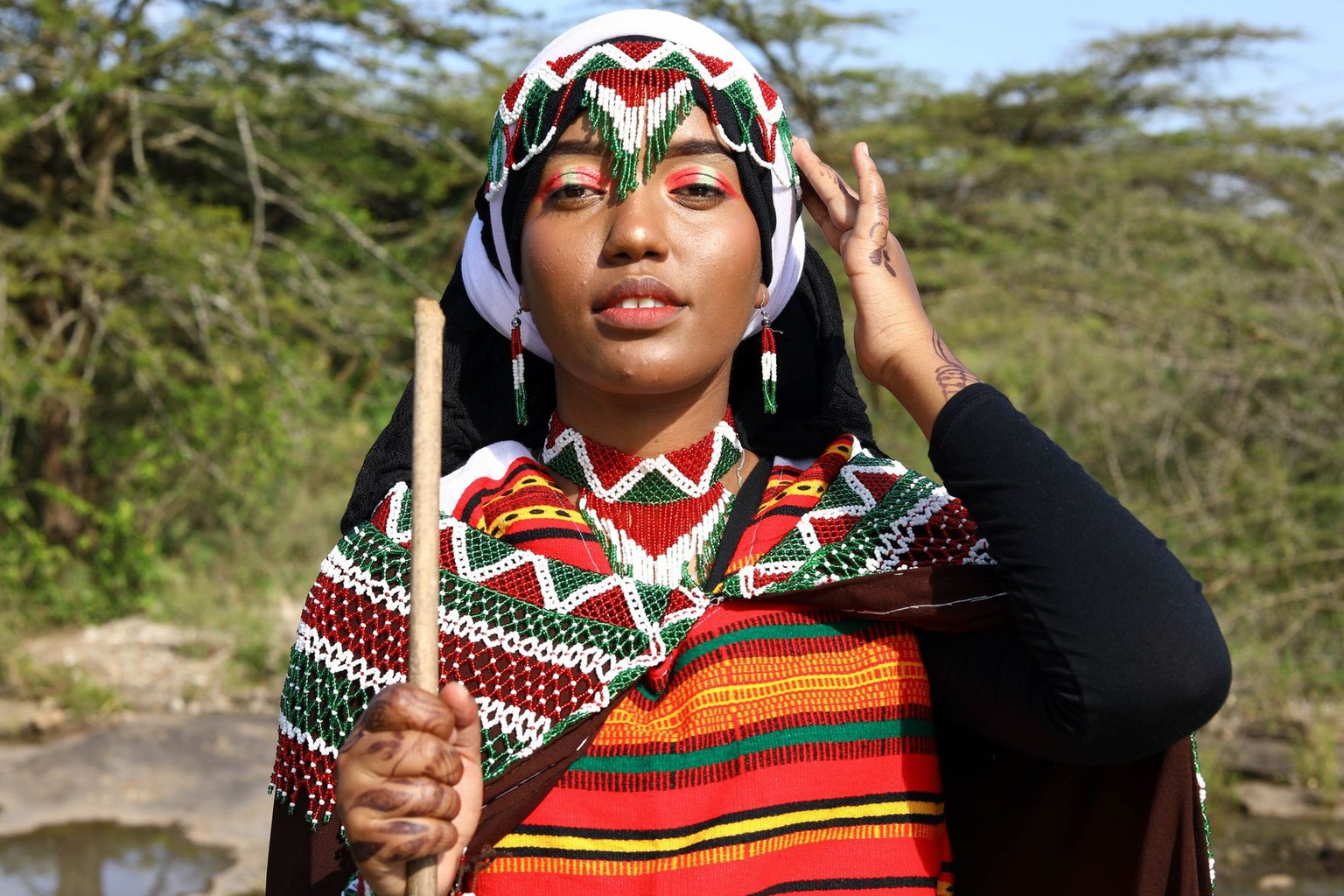
Ankara Jewelry: Vibrant Pieces for Every Occasion
To create a wardrobe that blends traditional African craftsmanship with everyday clothing, it’s crucial to know how to identify authentic African crafts
-
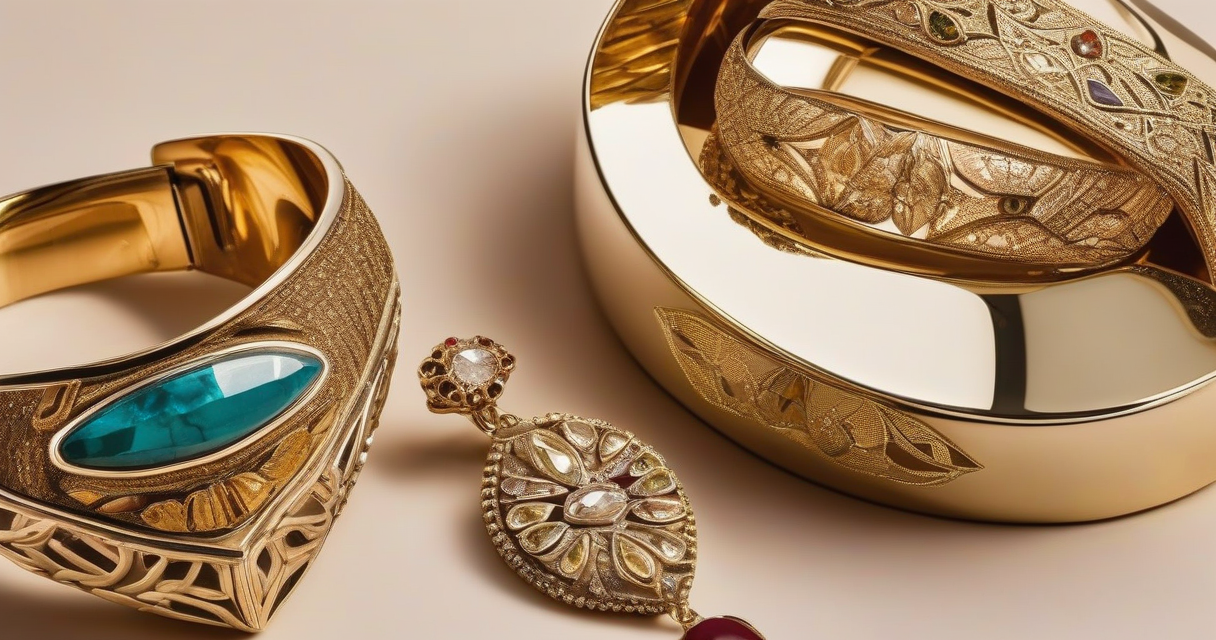
Accessories Jewelry: Blending Tradition with Modern Style
Accessories jewelry offers a unique opportunity to combine the rich traditions of African craftsmanship with contemporary fashion sensibilities. This fusion
-
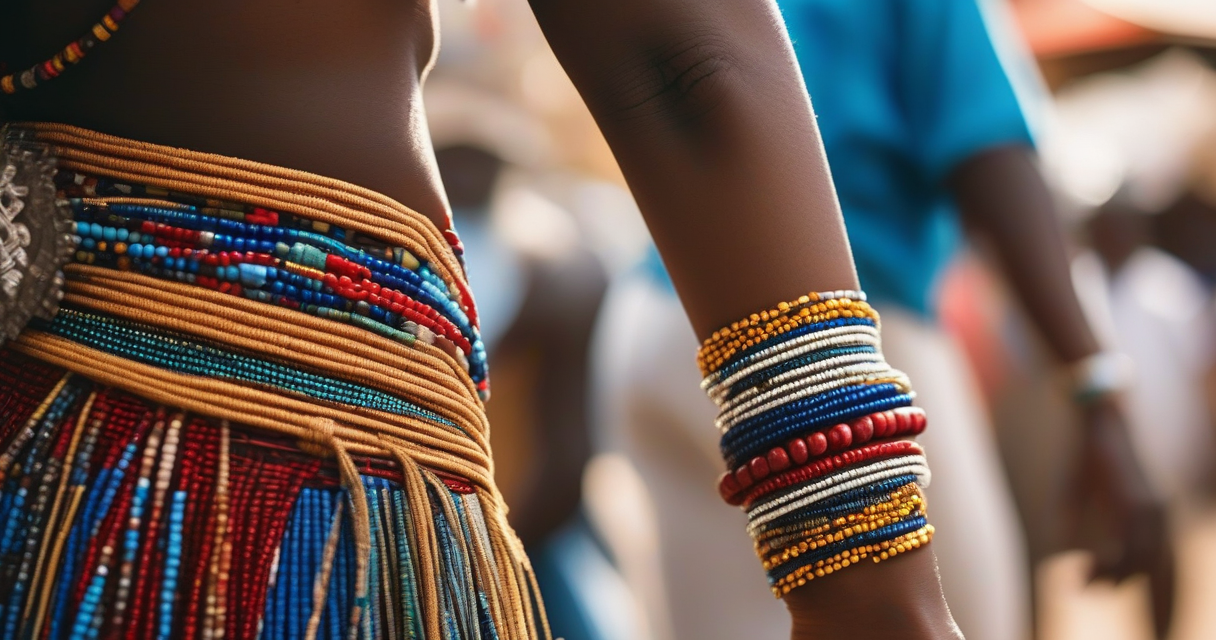
Waist Beads: A Symbol of Beauty and Cultural Heritage
The delicate art of wearing waist beads stretches far beyond a simple accessory, it’s a living tradition woven into the fabric of African fashion and