
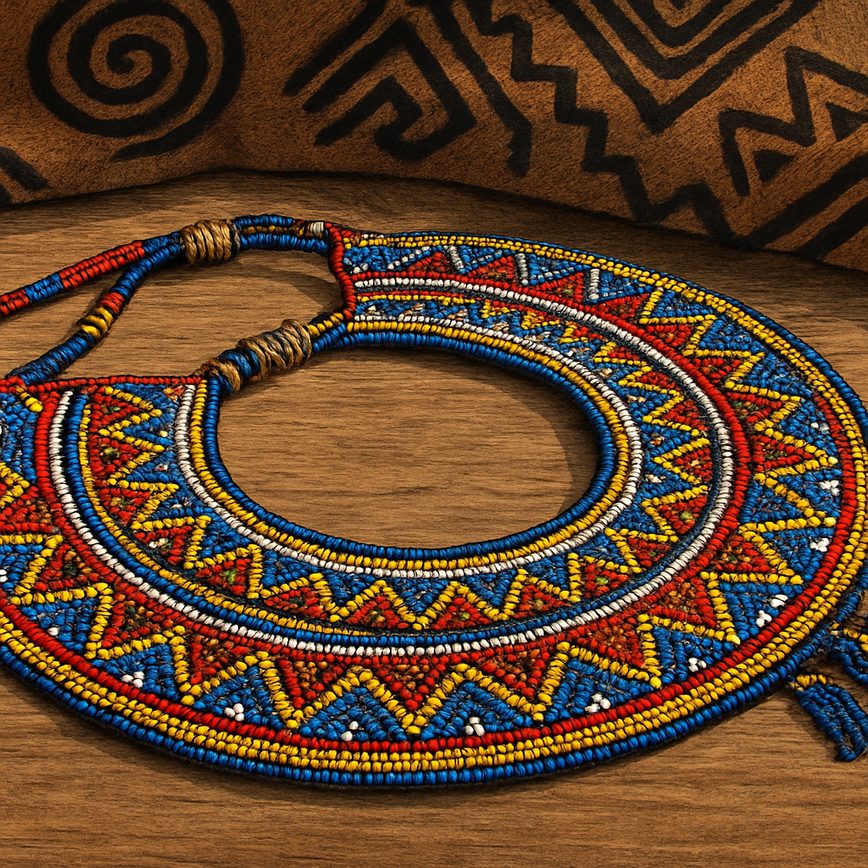
Historical Significance of African Beadwork
African beadwork history is a rich tapestry that illustrates the depth of cultural expression and heritage across the continent. Originating thousands of years ago, traditional beadwork has been a vital element in many African societies. It is far more than mere decoration; beadwork serves as a powerful symbol through which identity, social status, and values are communicated and preserved across generations. The intricate designs and vibrant colors of beads reflect specific meanings and stories, providing insight into the history and customs of the communities that create them.
From the Maasai of East Africa to the Zulu in the South, each group’s beadwork is distinctly tied to their cultural heritage. For the Maasai, beads represent age, marital status, and clan affiliation, with colors carrying symbolic meanings—red for bravery and strength, blue for energy, and white for purity. Similarly, among the Zulu, beadwork is a form of communication, where different patterns and color combinations convey messages about the wearer’s social status, relationships, and even political positions. This historic tradition reflects an enduring language passed down from elders to younger generations, sustaining community values and collective memory.
The historical importance of beadwork in African cultures also includes spiritual and ceremonial roles. Beaded jewelry and adornments are often used in rites of passage, weddings, and religious ceremonies. They act as protective charms or symbols of connection to ancestors, embodying the spiritual heritage of the people. The continuity of these traditions preserves cultural narratives that might otherwise be lost amid modern influences, making beadwork a living archive of African history and identity.
In modern times, traditional beadwork remains a celebrated art form that honors and perpetuates cultural heritage. Craftsmen and women carefully maintain ancestral techniques while infusing contemporary styles, ensuring that the legacy of African beadwork history not only survives but thrives. Through this ongoing practice, the cultural significance of beadwork is sustained, enriching the understanding of African heritage for future generations worldwide.
Cultural Symbolism in Bead Designs
African beadwork is deeply embedded with rich cultural meanings, where bead symbolism plays a vital role in expressing identity and heritage. Each bead pattern and colour chosen carries significant cultural meanings that reflect the values, beliefs, and history of various African communities. For example, certain African patterns such as zigzags, chevrons, and triangles are not merely ornamental; they often symbolize life journeys, protection, and spiritual connection.
Colours in beadwork are equally meaningful, serving as a form of non-verbal communication. Red beads often represent courage, strength, and love, while blue beads symbolize peace, harmony, and the sky. Yellow beads are linked with fertility, wealth, and energy, while black beads signify unity, the earth, and ancestral ties. White beads commonly denote purity, spirituality, and positive energy. By weaving these colours and patterns together, beadwork becomes a narrative tool that conveys stories and cultural values.
Through bead symbolism, African beadwork becomes more than a craft; it is a visual language that connects generations and preserves cultural identity. Wearing or creating beadwork with familiar patterns and colours fosters a sense of belonging and pride in one’s heritage, ensuring that these cultural meanings are passed down through generations. The enduring tradition of beadwork keeps the essence of African cultural identity alive and vibrant across time.
Beadwork as a Record of History
African beadwork is much more than decorative art; it serves as a vital medium in preserving oral tradition and historical records. Beaded artifacts carry rich narratives that have been passed down through generations, offering insight into the culture, beliefs, and experiences of ancestor communities. Each bead, color, and pattern is carefully chosen to symbolize specific stories, events, or statuses, making beadwork a living archive of heritage.
The intricate designs found in beaded creations act as mnemonic devices, aiding in the recall and retelling of historical tales. These beaded artifacts communicate messages about tribal histories, migrations, significant achievements, and even social structures. Often, these stories were transmitted orally, with beadwork providing a visual complement that anchors memories in tangible form.
This tradition ensures that despite the absence of written records, African histories remain vibrant and accessible. Beadwork transcends time, bridging past and present, allowing younger generations to connect with their ancestry and understand their identity. Thus, it plays a crucial role in cultural continuity and education within communities.
Through beadwork, the essence of African heritage is encoded in material culture, preserving ancestral knowledge and sustaining the rich legacy of oral tradition for future generations.
Methods of Passing Down Beadwork Skills
Across many African communities, the art of beadwork is not only a craft but a vital cultural tradition, preserved and transmitted through generations using time-honoured methods. These methods focus on traditional teaching techniques that ensure the preservation and deep understanding of beadwork skills among younger generations. At the heart of this skill transmission is the close-knit relationship between elders and youth within families and communities.
The process typically begins at an early age, where children observe elders and experienced artisans creating intricate beadwork. This observational learning is critical as it helps younger members internalize beadwork techniques through hands-on participation guided by elder family members. The elders patiently demonstrate the steps involved, from selecting beads to mastering the precision required for weaving patterns and motifs that hold cultural significance.
Traditional teaching in beadwork emphasizes storytelling alongside practical instruction. Elders often share the meanings behind specific bead patterns and the historical or symbolic importance of colours and designs. This narrative approach enriches the learning experience, connecting learners emotionally and intellectually to the beadwork’s cultural roots. Through this immersive context, young learners appreciate the art beyond its decorative value, seeing it as a form of identity and heritage.
Workshops and communal gatherings also play a significant role in the transmission of beadwork skills. These social settings provide a platform for collective learning where various generations come together to share knowledge and techniques. Such events foster a supportive environment for discussing new methods while honoring traditional approaches, thereby creating continuity and innovation within beadwork practices.
In summary, the transmission of beadwork skills in African communities relies heavily on personal mentorship, practical demonstration, and cultural storytelling embedded within families and communal interactions. This holistic approach ensures that beadwork techniques are preserved not just as manual skills but as integral parts of cultural identity, passed down with care and reverence from elders to the next generation.
Family and Community Roles
Family traditions are at the heart of how African beadwork skills are nurtured and passed down through generations. In many households, elders share stories that not only explain the cultural significance of beadwork but also impart valuable lessons linked to identity and heritage. These stories often serve as a foundation for younger family members to appreciate and respect the craft.
Community workshops play a vital role in fostering intergenerational learning. These gatherings provide a space for hands-on practice where experienced beadworkers mentor novices, often teaching intricate techniques that can only be mastered through direct guidance. The communal environment allows for the transmission of knowledge in an interactive and supportive setting, encouraging collaboration and skill-sharing among different age groups.
This mentorship approach ensures the preservation of beadwork traditions while adapting to contemporary styles. The combination of storytelling, hands-on practice, and mentorship within families and communities reinforces the cultural value of beadwork and strengthens social bonds. These collective efforts sustain a vibrant legacy where both tradition and innovation coexist, enriching the craft for future generations to come.
Modern Adaptations in Teaching Beadwork
In recent years, modern beadwork has found new life through contemporary teaching methods, ensuring the survival and growth of this intricate art form. Online tutorials have become a vital resource, offering accessibility to a broader audience who may not have had the chance to learn directly from traditional artisans. These tutorials often combine detailed visual aids with step-by-step instructions, making it easier to grasp complex techniques from anywhere in the world.
Additionally, digital exhibitions and virtual galleries provide platforms where beadwork can be showcased to international audiences, highlighting the cultural significance behind each piece. These exhibitions not only celebrate artistic skill but also play a crucial role in cultural preservation by educating viewers about the history and meaning embedded in African beadwork traditions.
By embracing online classes and digital showcases, contemporary educators and artists foster a renewed interest among younger generations, bridging the gap between age-old craftsmanship and modern technology. This fusion promotes the continuation of beadwork traditions, ensuring they remain a vibrant and evolving form of cultural expression well into the future.
Challenges and Future of African Beadwork Traditions
African beadwork, a rich and intricate cultural art form, faces several cultural challenges that threaten its continuity. Modernization, urbanization, and shifting social values have led to dwindling interest among younger generations, who may view traditional beadwork as less relevant in contemporary society. Additionally, the globalization of fashion and crafts has sometimes overshadowed local beadwork traditions, making it difficult for artisans to sustain their craft economically. This presents a direct risk to beadwork preservation as knowledge transfer from elders to youth diminishes.
Another significant challenge lies in the scarcity of natural and traditional materials, as environmental changes and industrialization reduce access to native beads and strings traditionally used in African beadwork. This scarcity forces artisans to rely on cheaper, mass-produced materials that may not hold the same cultural significance or quality. Furthermore, intellectual property issues arise as indigenous beadwork designs are sometimes appropriated without acknowledgment or compensation, weakening the cultural heritage embedded in these traditions.
Despite these challenges, several initiatives aim to preserve and sustain African beadwork traditions for the future. Community-led workshops and festivals celebrate beadwork heritage, encouraging younger members to learn and appreciate the craft. Educational programs in schools and cultural centers provide structured environments for skill-building and cultural education. Additionally, collaborations between artisans and contemporary designers help innovate while respecting traditional aesthetics, making beadwork accessible and attractive to modern markets.
Digitization and online platforms have also emerged as important tools for beadwork preservation, allowing artisans to share their work and stories globally, reaching a broader audience and potential buyers. These initiatives not only create economic opportunities but also foster cultural pride and awareness. Furthermore, some NGOs and heritage organizations advocate for legal frameworks that protect indigenous crafts and artisans from exploitation, reinforcing the sustainable future of beadwork traditions.
By addressing the cultural challenges head-on and supporting beadwork preservation through education, innovation, and legal protections, the future of African beadwork traditions can be secured. These collective efforts ensure that this beautiful cultural expression continues to thrive and be passed down through generations, maintaining its significance and enriching global heritage.
Cultural and Economic Pressures
The rich tradition of African beadwork faces significant challenges due to cultural erosion driven by urbanisation and globalisation. As younger generations migrate to cities in search of better opportunities, they often become disconnected from the rural communities where beadwork practices have been preserved for centuries. This urban shift can lead to a decline in the transfer of beadwork skills, as the younger members may adopt more contemporary lifestyles, which undervalue traditional crafts.
Globalisation introduces both opportunities and threats to these time-honoured practices. While it allows beadwork to reach international markets, it often also brings mass-produced alternatives that can dilute the cultural significance and authenticity of handmade beads. The economic impact of modernisation means many artisans struggle to compete with cheaper, factory-made products. As a result, the economic viability of beadwork is threatened, undermining the incentive for artisans to continue their craft.
Moreover, economic challenges such as limited access to resources and fluctuating market demands place further strain on the continuity of beadwork. Modernisation effects, including changes in social values and the allure of technology, can overshadow traditional practices. Without strategic support and sustainable economic models, the beautiful art of African beadwork risks fading away under these combined pressures.
Preservation Efforts and Initiatives
Cultural preservation of African beadwork has become a vital focus for various NGOs and community organisations dedicated to safeguarding this rich heritage. Through targeted NGO projects, these groups aim to educate both local populations and global audiences about the significance of beadwork in African traditions. Many initiatives involve hands-on workshops and training sessions where artisans pass down their skills and knowledge, ensuring the continuity of this unique craft.
Heritage education programs play a crucial role in these preservation efforts by integrating beadwork history and techniques into school curriculums and community activities. By raising awareness about the cultural importance of beadwork, these programs foster pride and encourage younger generations to engage with their ancestral arts. Additionally, exhibitions and cultural festivals organised by cultural organisations showcase beadwork, inviting appreciation from both the community and visitors.
Many NGOs also collaborate with local artisans to create sustainable economic opportunities that support traditional beadwork practices. This blend of cultural preservation and community development highlights the multidimensional approach these initiatives take. Overall, through education and awareness, these concerted efforts ensure that African beadwork remains a vibrant and dynamic part of cultural identity for generations to come.

I’m fascinated by the vibrant intersection of contemporary fashion and traditional African craftsmanship. I spend my free time exploring markets, learning about textile techniques, and sharing the stories behind each piece with our readers.