

Overview of Traditional African Leatherwork
African leatherwork is a rich craft steeped in historical and cultural significance across the continent. For centuries, traditional leather crafting techniques in Africa have been passed down through generations, reflecting the diverse customs and lifestyles of various African societies. As a durable and adaptable material, leather has played a crucial role not only in everyday life but also in the artistic expressions and cultural identities of different groups.
African leatherwork has a history that spans thousands of years, with ancient societies utilising animal hides for vital purposes such as clothing, footwear, and shelter. Over time, these practical uses evolved into an intricate art form, as artisans refined their skills in tanning, dyeing, and carving leather. These traditional techniques have remained remarkably robust, maintaining the authentic essence of the craft even in the face of modern influences.
In many African communities, leather carries symbolic meaning serves more than just a functional role. It often represents status, identity, and cultural heritage. For example, in West Africa, leather goods are typically adorned with distinctive patterns and symbols that narrate tales or convey spiritual convictions. This illustrates how leathercraft in Africa is deeply intertwined with cultural heritage, functioning as a means of sharing history and values.
Traditional African leathercraft is closely linked to the social fabric of communities. Skilled leather artisans, often known as craftsmen, are esteemed for their talent and proficiency in producing beautiful, long-lasting items. Their work includes essential articles such as bags, belts, sandals, and ceremonial attire, which play important roles in both daily life and ritual events. The presence of leather products in these contexts underscores their importance that transcends mere functionality.
Moreover, African leathercraft has significantly influenced the continent’s artistic heritage. A variety of pieces showcase elaborate decorations crafted through hand-stitching, embossing, and hand-painting techniques unique to specific regions. These creations are often showcased at cultural festivals and exhibitions, highlighting the crucial role of traditional methods in preserving the artistic expressions of African communities.
In summary, the leather practices observed across Africa illustrate the enduring importance of leather in artistic creativity and daily life. The development and background of African leatherwork reveal a profound connection to identity, craftsmanship, and cultural legacy that remains vital in modern society.
Historical background and cultural importance
The origins of African leatherwork date back thousands of years, intricately tied to the continent’s rich cultural heritage. The narrative of African leather is marked by skilled artisans who developed unique methods to transform raw hides into intricate and durable products. These time-honoured African traditions have been passed through generations, preserving techniques that reflect the identity and inventiveness of various ethnic groups.
Leather has historically been of great importance in African culture, serving not just as a functional material but also as an emblem of status and spiritual significance. In various communities, leather is integral to traditional rituals, where exquisitely made leather clothing, shields, and adornments are vital. These pieces frequently represent power, courage, or social standing and are rich in cultural symbolism that illustrates the wearer’s position within the community.
Apart from its ceremonial applications, leather plays an essential role in traditional attire, valued for its resilience and visual appeal. The incorporation of embossed or dyed leather introduces a decorative touch that celebrates local customs and artistic creativity. Consequently, leather craftsmanship transcends mere skill, representing a crucial part of the cultural story across Africa, encapsulating heritage, identity, and continuity.
In conclusion, African leatherwork is profoundly embedded in history and cultural relevance, representing traditional African craftsmanship that holds both functional and symbolic meaning. Its significance in customary ceremonies and attire highlights the lasting importance of leather in African culture, along with its strong ties to community and heritage.
Common types of leather used in African craftsmanship
Traditional African leathercraft utilises a range of leather types, each sourced from specific African hides that possess unique attributes valued by skilled artisans. The most prevalent leather materials include cowhide, goatskin, and antelope hide, with each providing varying textures, durability, and visual appeal that impact the ultimate finished item.
Cowhide ranks among the most commonly employed leather sources across Africa, thanks to its resilience and widespread availability. It delivers a thick, long‑lasting material that endures over time, making it perfect for durable items like saddles, bags, and footwear. The leather’s natural grain and strength are valued for both utilitarian and ornamental applications.
Goatskin leather is a well-liked option, appreciated for its softness and flexibility. Leather craftsmen frequently opt for goatskin when creating clothing, shields, and accessories that require a soft but durable feel. Its finer grain renders it especially ideal for intricate embossing and dyeing, which are prevalent methods in traditional African leatherworking techniques.
Antelope hides, while not as frequently utilised as cowhide and goatskin, are valued for their lightweight nature and unique texture. This leather derived from Africa’s various antelope species provides a refined touch to smaller leather products and ceremonial artefacts. The unique patterns and durability of antelope leather render it a standout option among the leather varieties available in Africa.
In summary, recognising the various kinds of leather and the characteristics of African hides enhances the appreciation for the expert application of leather in traditional African artistry, merging practicality with cultural importance through every selected leather source.
Traditional Techniques and Processes in African Leatherwork
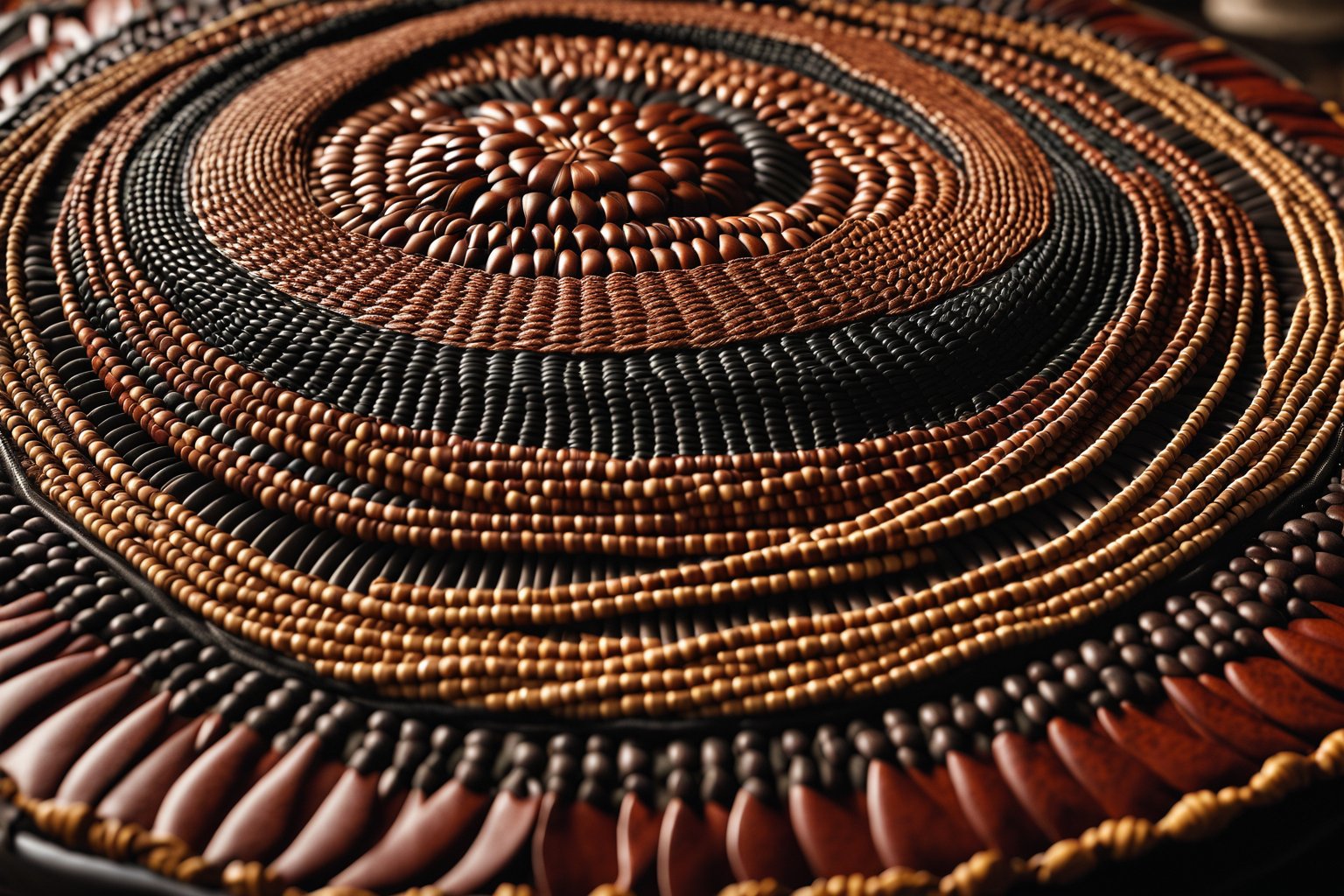
The creation of traditional African leatherwork is defined by traditional techniques that have been inherited over the years. These practices encompass distinctive leather tanning processes, elaborate dyeing methods, and adept design skills that are characteristic of African leather craftsmanship. This comprehensive guide reveals how artisans convert raw animal hides into exquisite, long-lasting leather goods through local techniques.
-
Preparation of Hides
Craftsmen start by meticulously choosing raw animal hides, frequently sourced from cattle, goats, or camels. The hides undergo extensive cleaning to eliminate dirt, flesh, and hair. This crucial first step guarantees the leather’s quality and preservation prior to the tanning process. -
Traditional Leather Tanning Techniques
A widely used traditional tanning technique consists of immersing the hides in natural solutions derived from tree bark, foliage, or plant extracts. These organic tannins not only soften the leather but also help to avert deterioration. In certain areas, a smoking method is utilised, where the hides are subjected to smoke from particular types of wood, imparting both resilience and a unique aroma to the leather. -
Drying and Stretching
Once the tanning process is complete, the leather is stretched and left to dry either in direct sunlight or in shaded spots to avoid becoming rigid. Craftspeople regularly stretch the leather to ensure it remains supple and to reach the intended thickness. The duration of this procedure can vary over several days, influenced by the weather conditions. -
Dyeing
Traditional African leather craftsmanship often utilises natural dyes sourced from plants, roots, and minerals. Artisans adeptly immerse or apply these dyes to the leather, resulting in a spectrum of vivid colours. This natural dyeing enhances the leather’s aesthetic while maintaining its breathability and texture. -
Designing and Adorning
After tanning and dyeing, the crafting process moves forward with design and embellishment. Artisans utilise hand tools to carve detailed patterns, emboss designs, or stitch motifs that reflect their cultural heritage. In some instances, beadwork, metal details, and weaving are included, highlighting the artistic expression and cultural narratives embedded in the leatherwork. -
The concluding phase involves applying natural fats or oils to the leather to boost its shine and durability. This process not only safeguards the leather but also deepens its colour and flexibility, guaranteeing that the artisan-crafted item endures over time.
By following these age-old leather crafting techniques, African artisans preserve a profound link to their cultural roots. The blend of established leather tanning practices, organic dyeing processes, and unique design features ensures that every item is distinctive and representative of Africa’s abundant artisanal tradition.
Tanning and preparation of animal hides
| Traditional Tanning Technique | Description | Key Steps in Hide Preparation | Significance in African Leather Processing |
|---|---|---|---|
| Smoke Tanning | A natural tanning method using smoke from burning wood to cure and preserve hides. |
|
|
| Vegetable Tanning | Using tannin-rich plant materials such as tree bark, leaves, and roots to process hides naturally. |
|
|
Conventional African leather production is deeply rooted in these organic tanning methods, drawing on locally available resources and centuries-old expertise. Both smoke and vegetable tanning focus on meticulous preparation of hides, guaranteeing longevity and genuine texture. These techniques not only maintain the integrity of animal hides but also link artisans to their cultural traditions, showcasing sustainable approaches in leather tanning.
Dyeing and decoration methods
Traditional African leather craftsmanship is celebrated for its intricate leather dyeing methods, frequently employing natural pigments sourced from local plants, minerals, and other organic substances. These age-old leather dyes yield an array of earthy tones, encompassing rich reds, browns, yellows, and blacks. The typical procedure includes immersing the leather in dye baths created from extracts like indigo leaves, bark, and roots, allowing the dye to deeply infuse the hide and produce vivid, enduring shades. These natural dyes not only enhance the colour of the leather but also contribute to its preservation and softness.
In addition to dyeing, decorative methods are vital to the visual charm of African leathercraft. Craftspeople utilise a range of techniques including stamping, embossing, and etching to produce detailed African leather designs. These embellishments are meticulously applied with hand-carved wooden or metal implements that press or carve the patterns into the leather. Embossing elevates specific sections, whereas etching creates deeper indentations, contributing to texture and depth. Occasionally, leather is adorned with beads, metal inserts, or coloured threads to increase its visual intricacy.
Every area boasts its own traditional leather dyes and ornamental methods, mirroring the cultural identity and symbolism valued by its people. This blend of natural pigment colouring and expert patterning yields leather goods that are not merely utilitarian but also artistic masterpieces, admired for their beauty and skill across Africa and beyond.
Tools and equipment used by African leather artisans
In numerous African communities, tools used for leatherworking are essential in the crafting of traditional items. Artisans across Africa depend significantly on an assortment of handmade tools, many of which have been inherited over generations. These leatherworking instruments are meticulously designed to meet the unique requirements of the leatherworker, showcasing a deep cultural legacy combined with practical expertise.
Among the vital tools for traditional crafts are knives constructed from recycled metals, employed for slicing and moulding leather. These knives typically have handles made from wood, bone, or horn to ensure a secure hold. Awls, made in a similar manner from bone or metal, assist craftsmen in puncturing leather to make stitching easier. The adaptability and strength of these handcrafted tools allow artisans to create intricate designs and snug seams.
Stretching frames and wooden mallets are also essential tools used by African leather craftsmen. The frames keep the leather taut while cutting or embossing, delivering accuracy and precision. Wooden mallets are employed to tap and shape the leather without harming its surface, a vital stage in the crafting process.
In addition, conventional African leatherworking implements typically feature unique awls and stamps designed for creating decorative patterns, which are characteristic of numerous African leather goods. These artisanal tools showcase the creativity and adaptability of African craftsmen, who utilise locally sourced materials to create tools that sustain their leatherworking heritage.
Contemporary Applications and Preservation of African Leatherwork

Contemporary African leathercraft serves as a lively testament to the lasting heritage of traditional methods that have been inherited over generations. Although the fundamental techniques of tanning, dyeing, and carving are firmly embedded in cultural practices, modern craftsmen are enhancing these time-honoured skills with innovative designs that cater to both global and local audiences. This blend of tradition and creativity is not only rejuvenating the craft but also opening up new opportunities for artistic expression, allowing leatherwork to flourish in a wider range of commercial settings.
Timeless designs and patterns remain a source of inspiration for contemporary African leathercraft, as artisans merge symbolic features with modern styles. This combination produces items that include fashion accessories, home furnishings, and custom furniture—each item telling a tale of cultural heritage and skilled artistry. By fusing traditional and modern techniques, leather artisans play a role in a vibrant tradition that respects their ancestry while advancing the frontiers of leatherworking creativity.
At the heart of maintaining this vibrant craft is the expanding effort for craft preservation throughout the continent. Numerous initiatives spearheaded by cultural organisations, NGOs, and government entities aim to record traditional methods and educate new generations of artisans. These programmes highlight the significance of safeguarding indigenous knowledge, guaranteeing that craftsmen not only uphold their skills but also adapt them to meet modern needs and sustainability issues.
Sustainable leatherwork has become a critical focus within these preservation efforts. Traditional practices often involved eco-friendly methods such as vegetable tanning and natural dyeing, aspects that modern makers are revisiting to reduce environmental impact. By adapting these sustainable methods, the leatherwork community promotes ethical sourcing and production, aligning with global trends favouring environmentally conscious craftsmanship.
Furthermore, partnerships with designers and entrepreneurs in urban centres have facilitated the integration of sustainable leatherwork into modern fashion and interior trends, broadening the market reach of African leather products. This intersection of heritage and innovation not only ensures economic opportunities for artisans but also fortifies the cultural significance of leatherwork within contemporary society.
In summary, the contemporary applications of African leatherwork exemplify a dynamic interplay between tradition and modernity. Through dedicated craft preservation initiatives and a commitment to sustainable production, modern African leatherwork continues to flourish, securing its place both as a cultural emblem and a source of creative innovation.
Influence on modern fashion and design
African leather fashion has made a significant impact on modern designs, blending rich traditions with contemporary aesthetics. Designers across Africa and beyond are increasingly drawing inspiration from traditional leatherwork techniques—the intricate patterns, hand-tooled textures, and natural dyes—and incorporating these elements into their collections. This fusion honours cultural heritage while appealing to new generations seeking unique and authentic fashion statements.
One of the most noticeable trends in fashion trends Africa is the use of leather accessories that showcase traditional craftsmanship. Bags, belts, and footwear often feature embossed or stitched motifs characteristic of specific ethnic groups, preserving the traditional influence in a modern context. Moreover, many fashion houses collaborate with local artisans to ensure that these age-old techniques are not lost but rather celebrated and shared globally.
The revival of African leatherwork within contemporary fashion also promotes sustainable practices, as handmade leather goods typically involve less industrial processing and support local economies. By combining durability and cultural storytelling, modern designs influenced by traditional leatherwork offer timeless appeal and a distinct identity in a crowded market. This synergy between past and present ultimately enriches fashion dialogue, encouraging a deeper appreciation for African artistry worldwide.
Efforts to preserve and promote traditional leather crafts
Numerous organisations and initiatives are dedicated to the craft preservation of traditional African leatherwork. These efforts not only support African artisans by providing them with training, resources, and market access but also actively contribute to cultural heritage protection. Groups such as the African Leather Artisans Network work closely with local communities to ensure that knowledge and skills are passed down to younger generations, safeguarding traditions from the threat of modern industrialisation and cultural dilution.
Community-run workshops and cooperatives play a vital role in keeping these crafts alive, offering platforms where artisans can collaborate and share their expertise. Additionally, international cultural institutions and NGOs often collaborate with African artisans to promote their work through exhibitions, fairs, and educational programmes, raising global awareness about the intrinsic value of traditional leather goods. These initiatives foster sustainable economic opportunities while honouring ancestral craftsmanship.
Education and advocacy campaigns emphasize the importance of maintaining these age-old leatherworking techniques as essential components of Africa’s intangible cultural heritage. Through such efforts, the resilience of traditional leather crafts is strengthened, helping to preserve not only the artistry but also the stories and identities embedded in each piece. This comprehensive approach to supporting African artisans ensures that their cultural legacy continues to flourish in a modern context.

I’m fascinated by the vibrant intersection of contemporary fashion and traditional African craftsmanship. I spend my free time exploring markets, learning about textile techniques, and sharing the stories behind each piece with our readers.