
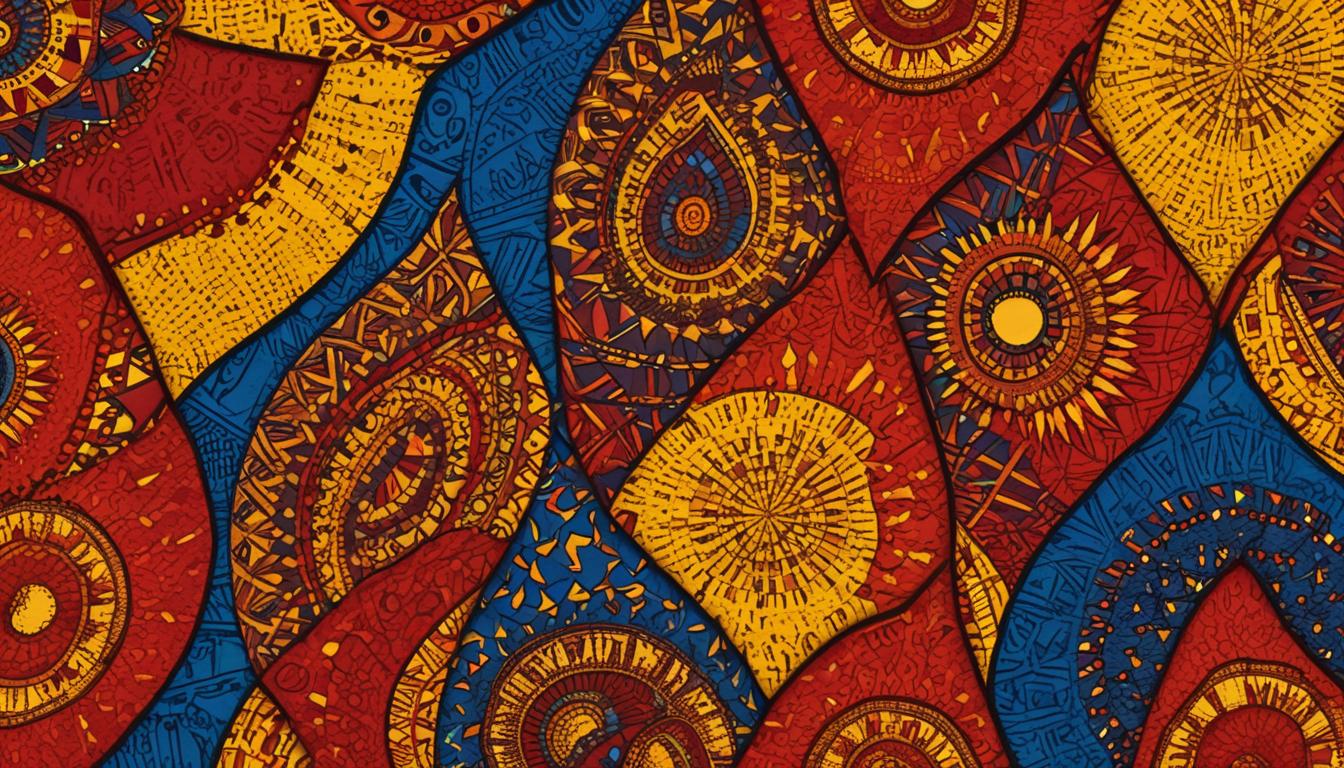
Introduction to West African Wax Prints
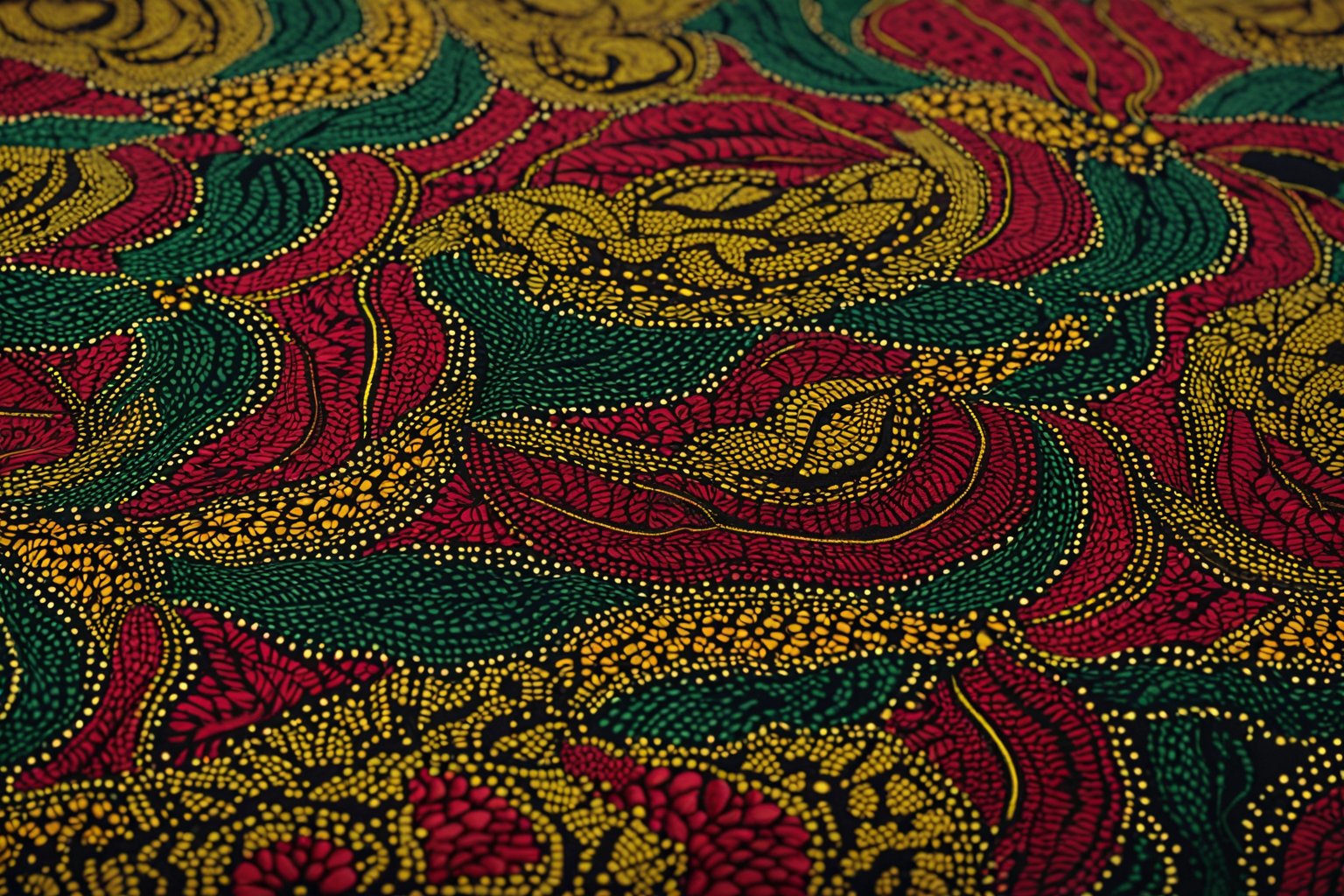
West African wax prints are lively and detailed fabrics that occupy an important position in the realm of African textiles. They emerged from a blend of Indonesian batik methods and European manufacturing practices, evolving into a distinctive and valued cultural emblem in West Africa. The fascinating backstory of wax prints illustrates a cross-cultural voyage that commenced in the 19th century when Dutch merchants modified Indonesian batik patterns through wax-resist dyeing techniques and produced the textiles on a large scale for African consumers.
The cultural significance of West African wax prints transcends mere visual allure. Each fabric pattern typically embodies particular significances, narratives, or sayings that resonate across various communities. They act as a lively form of communication that conveys social standing, relationship status, political views, and personal identity. This deep cultural bond renders West African wax prints vital not just as clothing but also as a means of expression and the safeguarding of heritage.
In African fashion, West African wax prints have become essential. Their striking patterns and rich colours are frequently employed to craft a range of items, from traditional clothing and ceremonial outfits to modern fashion creations, connecting heritage with contemporary style. Designers worldwide acknowledge and honour the adaptable charm of these fabrics, establishing them as a key element in African fashion and a lasting symbol of cultural pride.
Grasping the history and cultural significance of West African wax prints illuminates their vital place in African textiles and fashion. Their background, along with their profound symbolism, transforms them into more than mere fabrics—they are vibrant artifacts that persist in inspiring and linking individuals to their heritage while influencing diverse and stylish identities across the globe.
Historical Background
The tale of wax prints is an intriguing odyssey that starts in Indonesia and flourishes in West Africa. Initially drawing from the classic Indonesian batik methods, wax prints employ wax-resist dyeing to craft detailed and vivid designs on textiles. This technique made its way to Africa in the 19th century, as Dutch and British merchants presented mass-produced wax fabrics to the West African market. As the years passed, these prints transformed from their Indonesian origins to embody African traditions, narratives, and meanings.
The evolution of wax prints in West Africa is a striking illustration of cultural adaptation and creativity. The roots of African textiles can be traced to various local weaving and dyeing traditions; nonetheless, local artisans welcomed and reimagined the imported wax print technology. By integrating unique African designs and lively colour schemes, the prints became an integral part of everyday life and ceremonial attire. This fusion of influences contributed to the development of a distinctive art form that is revered throughout the continent today.
The evolution of wax prints in West Africa has thrived, showcasing designs that embody modern trends, historical stories, and individual identity. Once primarily functional, wax prints have transformed into emblems of pride and cultural heritage. Consequently, exploring the history of wax prints reveals not just their visual charm but also their cultural importance in African communities.
Cultural Significance and Symbolism
In West African culture, the significance of wax prints extends well beyond simple visual appeal. Every design and hue carries profound cultural implications, frequently reflecting social standing, tribal connections, or historical stories. These textiles act as a visual language that communicates values, beliefs, and personal stories in African customs. For instance, particular patterns might signify fertility, abundance, or safeguarding, while colours such as red, black, and gold possess distinct meanings associated with life force, power, and affluence.
The significance of wax prints becomes especially clear during ceremonies and traditional festivities. In events such as weddings, funerals, and festivals, the selection of patterns and colours conveys respect and an acknowledgment of cultural heritage. Donning particular wax prints can signify a rite of passage or pay tribute to ancestors, strengthening community ties. Moreover, aside from their ceremonial role, these fabrics are essential in everyday attire, showcasing personal identity and creativity in daily life.
Grasping the essence of the symbolism in wax prints deepens the appreciation for their significance within African customs. They transcend mere fashion and serve as vital cultural symbols that safeguard history and articulate a community’s shared memory. This dual importance in both ceremonial occasions and everyday use underscores the enduring affection for wax prints, which continue to be prevalent throughout West Africa.
Characteristics and Production of Wax Prints
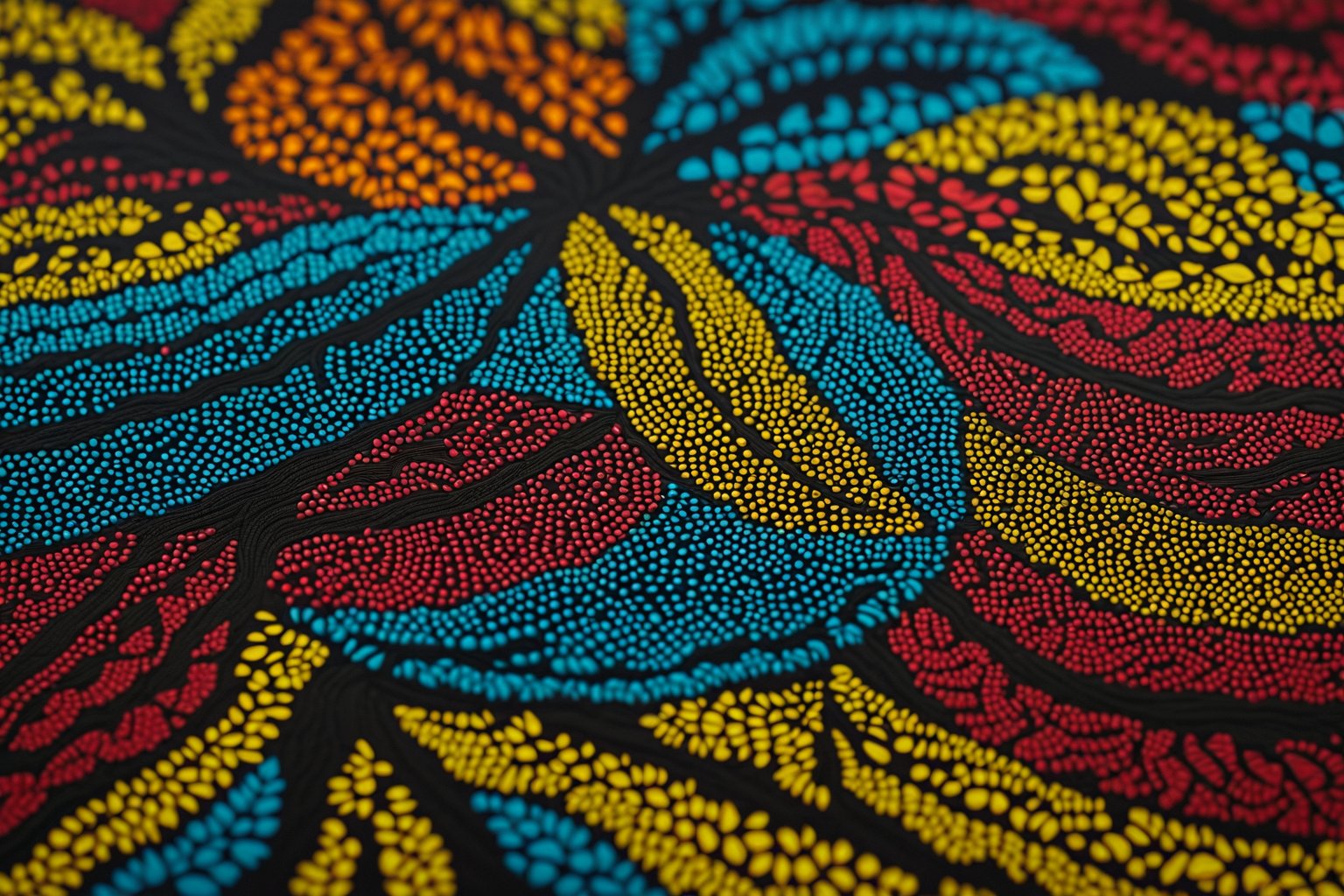
West African wax prints are notable for their vivid colours, elaborate design motifs, and deep cultural importance. These fabrics are mainly crafted from 100% cotton, resulting in a robust yet breathable material that is pleasant to wear. While the quality of the cotton may differ, genuine wax prints generally utilise tightly woven cotton that ensures the dyes and wax bond effectively throughout the manufacturing process.
The creation of wax prints involves a intricate and labour-intensive process, based on the age-old wax-resist dyeing method that draws its inspiration from Indonesian batik. It commences with the application of hot wax onto the fabric, forming a resist that stops dye from seeping into the areas covered. Craftspeople employ copper stamps known as “stamps” or utilise hand-drawing methods to produce intricate design patterns with the wax, enabling meticulous control over the motifs.
Following the application of wax, the fabric is immersed in dye baths, frequently several times, to obtain the intended colour saturation. Each dyeing stage is alternated with waxing to shield particular areas from later dye baths, leading to multi-toned, layered designs. After the dyeing process is finished, the fabric is subjected to boiling or steaming to eliminate the wax, unveiling the detailed contrasts between the dyed and undyed parts. This wax-resist dyeing technique imparts wax prints with their distinctive sharp, clear patterns and vivid shades.
The design patterns present in wax prints are deeply symbolic and hold cultural importance. Frequently seen motifs encompass geometric designs, floral patterns, animals, and abstract shapes, with each often embodying particular meanings or narratives pertinent to West African societies. The recurring and balanced characteristics of these designs not only enhance visual attractiveness but also represent cultural concepts like unity, fertility, and social standing. Furthermore, certain prints incorporate symbolic names or proverbs woven into the design, transforming them into a medium of wearable expression.
Contemporary wax print fabrics may incorporate synthetic dyes and occasionally polyester blends to lower expenses; nonetheless, traditional 100% cotton wax prints are still highly valued for their authenticity and comfort. The blend of meticulously chosen wax print materials, expert craftsmanship in their creation, and the application of culturally significant design patterns all play a vital role in the lasting appeal and distinctiveness of West African wax prints.
Materials and Fabric Types
Genuine West African wax prints are mainly produced from high-grade cotton fabric, providing an excellent base for the detailed patterns. Cotton is preferred due to its breathability, strength, and comfort, rendering it suitable for the striking and vivid prints that define West African fabrics. The procedure starts with the careful choice of top-quality cotton to guarantee that the final textile meets exceptional quality benchmarks.
The wax-resist method plays a crucial role in producing these prints, employing wax-resist substances that serve as a shield during the dyeing process. Typically, the wax consists of either natural beeswax or paraffin wax, enabling accurate pattern application. This wax-resist technique not only results in the unique cracked look—a defining feature of authentic West African wax prints—but also greatly enhances the fabric’s durability and aesthetic charm.
The quality criteria for these textiles are rigorous. The interaction between the wax-resist substances and cotton fabric needs to be skillfully controlled to avoid colour bleeding and to retain the brilliance of the design. Only fabrics with a dense weave and precise dye absorption are deemed genuine. These high-quality materials and careful methods guarantee that West African wax prints uphold their cultural integrity while providing outstanding textile quality that is valued by both artisans and fashion lovers.
Traditional and Modern Production Techniques
West African wax prints represent a deep-rooted heritage that combines age-old artistry with modern production techniques. Historically, these vivid textiles are produced through batik methods, a detailed hand-made procedure where skilled artisans apply wax to fabric in elaborate designs. The wax serves as a resist, stopping dye from penetrating specific sections of the material. This careful technique requires several cycles of waxing and dyeing to achieve the unique, striking patterns that have gained recognition throughout the area.
Unlike traditional batik methods, contemporary industrial processes have brought digital printing into the creation of wax prints. This technology enhances efficiency and accuracy, facilitating mass production and the capability to create intricate, multicoloured patterns with fine detail. Such advancements cater to the growing demand for wax prints in both local markets and the international fashion sector, where prompt delivery and uniform quality are crucial.
Although conventional batik techniques remain highly valued for their craftsmanship and cultural importance, the incorporation of digital printing marks a progression in manufacturing approaches that enhances the range and availability of West African textiles. These methods coexist harmoniously, illustrating the vibrant blend of tradition and modernity that characterises contemporary wax print production.
Buying, Styling, and Caring for Wax Prints
When purchasing wax prints, it is crucial to prioritise quality to guarantee that the fabric is lively, long-lasting, and genuine. Seek out prints crafted from 100% cotton, as this fabric retains the dye more effectively and provides comfort against the skin. Genuine West African wax prints usually feature a shiny finish and clear, vibrant designs. When buying, examine the labels or inquire with the seller regarding the print’s origin to steer clear of substandard replicas.
Styling African prints is both a creative and individual journey. Wax prints can be crafted into dresses, skirts, shirts, or accessories such as head wraps and bags. For a modern appearance, combine your wax print outfits with neutral shades or denim to allow the bold fabric to shine. Pattern mixing is also trendy; consider blending various prints with a harmonious colour scheme to highlight your distinctive style. Keep in mind that the essence of styling African prints lies in confidence and appreciating the cultural heritage they embody.
To ensure your wax print fabric remains vibrant and fresh for years to come, it’s essential to care for it correctly. Always wash wax prints in cold water to avoid fading of colours. Hand washing is preferred; however, if you choose to machine wash, select a gentle cycle and place the fabric in a mesh laundry bag. Steer clear of harsh detergents or bleach, opting instead for mild, colour-safe alternatives. After washing, air dry your fabric away from direct sunlight, as this can lead to discolouration.
Ironing wax prints on the reverse side using a medium heat setting is the ideal method to safeguard the fabric’s design and finish. Keep your wax prints neatly folded in a cool, dry location to prevent creasing and preserve their form. By adhering to these fabric care guidelines, your wax prints will keep their beautiful look and continue to be a valued element of your wardrobe for many years.
Tips for Purchasing Authentic Wax Prints
When seeking to purchase genuine wax prints, it is crucial to conduct comprehensive quality assessments to confirm that you are acquiring authentic fabric. Genuine wax prints usually feature bright colours that remain vibrant over time and possess a unique crispness in their texture. Pay attention to the printed patterns; they ought to be clear and symmetrical, rather than fuzzy or uneven, as this often signifies lower-quality imitations. Furthermore, authentic wax prints frequently exhibit a waxy or somewhat glossy surface finish, a hallmark of the classic wax-resist dyeing technique.
An additional important quality assessment involves examining the reverse side of the fabric. Authentic wax prints typically display a more distinct pattern on the back, albeit less vibrant, due to the dyeing method used. Be cautious of prints that exhibit dull or inconsistent colours on the reverse, as these are frequently synthetic replicas. Furthermore, take into account the weight and texture of the fabric; genuine wax prints are generally medium to heavyweight with a robust weave, providing a significant sensation when held.
For those seeking to purchase genuine wax prints, reliable options encompass well-known markets and esteemed brands in West Africa like Vlisco, Woodin, and Danko. These brands boast a rich heritage and assure authenticity. Beyond West Africa, consider specialised African fabric shops or online retailers with confirmed customer feedback. Buying from reputable sellers not only helps steer clear of fake items but also supports artisans who produce high-quality wax prints.
In conclusion, prioritising quality inspections and purchasing from reputable sources guarantees that you acquire genuine wax prints that showcase the authentic craftsmanship and cultural heritage of West Africa.
Styling Ideas for Different Occasions
Wax print fashion provides an adaptable means to showcase your individual style in numerous environments. For informal get-togethers, combine a bold wax print top with denim trousers or shorts for a laid-back yet striking appearance. Complement with understated jewellery and easy-going shoes to maintain an effortless atmosphere while highlighting your appreciation for African prints.
For formal events, choose fitted wax print dresses or suits featuring striking patterns that draw the eye while exuding sophistication. Merging classic African prints with contemporary silhouettes elevates the elegance of your ensemble. Select accessories in solid colours to complement the detailed designs and showcase your skill in styling African prints.
Conventional events provide an ideal chance to wholeheartedly embrace wax prints through culturally inspired clothing like wrappers, skirts, or dashikis. Combining various patterns and hues can result in vibrant and significant outfits that honour heritage. Enhance your appearance with traditional headwraps or beads to elevate your outfit and highlight the deep cultural origins of wax print fashion.
Regardless of the event, adding wax prints to your wardrobe enables you to explore outfit concepts that enhance your confidence and creativity. Combining African prints is centred around fusing traditional elements with modern style, ensuring that every outfit is distinctly your own.
Care and Maintenance of Wax Print Fabrics
Properly maintaining your wax print fabrics is crucial for keeping their vivid hues and ensuring the fabric remains intact. Gentle treatment is vital when caring for these materials. Always opt for hand washing or select the delicate cycle on your washing machine using cold water. Steer clear of strong detergents and bleach, as these can lead to colour fading and compromise the strength of the fabric fibres.
Following a wash, refrain from twisting the fabric forcefully; rather, softly press to remove excess water. Air drying wax prints in a shaded area is advisable to shield them from direct sunlight, which can fade the vibrant designs. When it comes to ironing, opt for a low heat setting and iron the reverse side, or cover the fabric with a cloth to safeguard the prints.
To store wax prints, ensure they are folded neatly and kept in a cool, dry location, shielded from direct sunlight. Refrain from hanging them for extended durations, as this may cause the fabric to stretch. Adopting optimal fabric care techniques can greatly prolong the lifespan of your wax prints, allowing them to maintain their vibrant and appealing appearance for years to come. These care suggestions help your garments preserve their distinct allure and resilience, making each wear a delightful experience.

I’m fascinated by the vibrant intersection of contemporary fashion and traditional African craftsmanship. I spend my free time exploring markets, learning about textile techniques, and sharing the stories behind each piece with our readers.