The History of African Headwraps
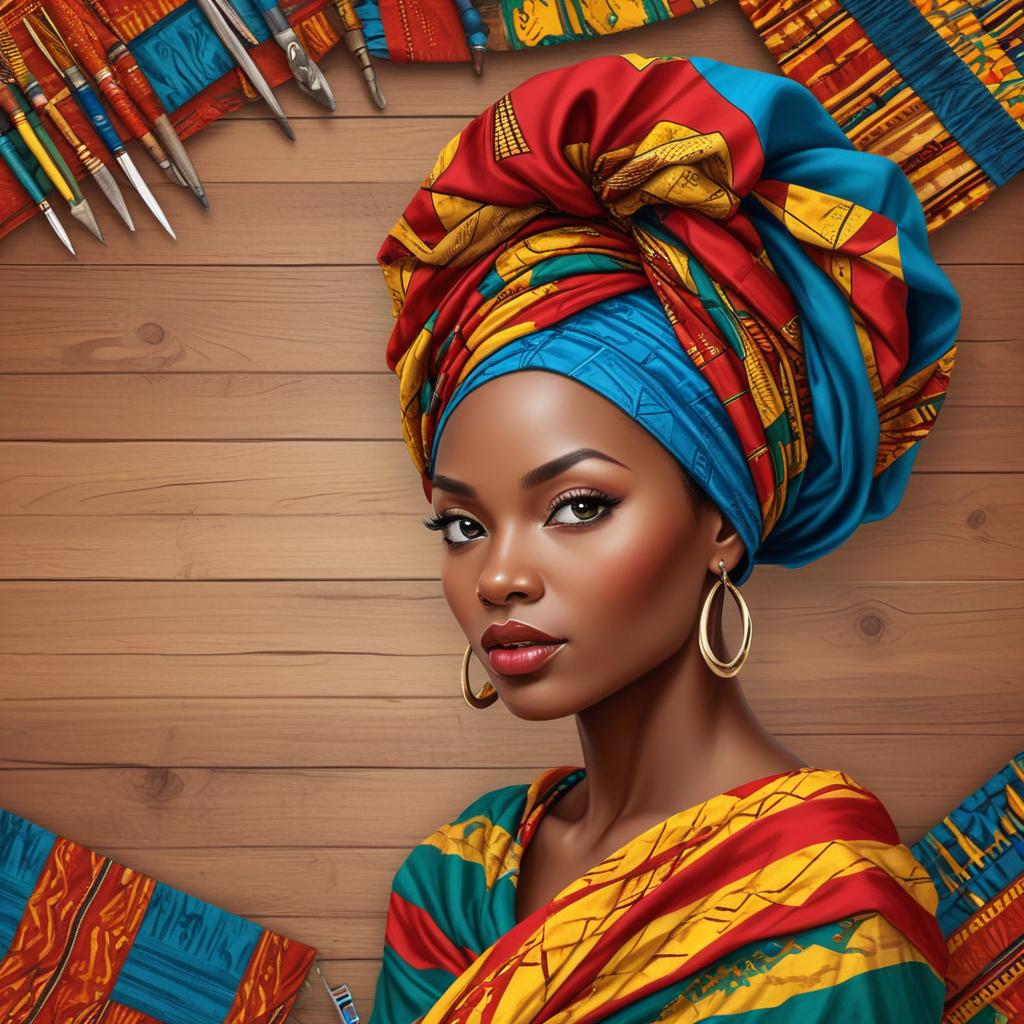
The African headwrap represents a potent symbol imbued with deep heritage and cultural importance. Its origins stretch back hundreds of years, originating from different areas of Africa where it fulfilled numerous roles beyond just style. Exploring the history of African headwraps uncovers how these traditional garments evolved into icons of identity, status, and cultural expression within various African societies.
Emerging from regions of West, Central, and Southern Africa, headwraps were originally used for functional purposes like shielding against the sun and dust. Yet, as time passed, their significance grew to encompass more profound meanings. In numerous African cultures, the design, hue, and material of the headwrap signified marital status, age, faith, or social rank. For instance, the Yoruba community in Nigeria employs specific patterns and tying techniques to represent various events and individual achievements.
The cultural importance of African headwraps is closely associated with spirituality and meaning. Specific styles of headwraps were donned during ceremonies and rites of passage, signifying crucial life transitions. The headwrap evolved into a symbol of respect and honour within community and family contexts. Its adaptability enabled it to cross boundaries of gender, age, and social class, bringing individuals together through common traditions and narratives.
Across Africa’s history, headwraps have served as a means of resistance and the preservation of identity during times of colonisation and diaspora. They symbolised a link to ancestral heritage and a declaration of pride in one’s background. In nations like South Africa and Ghana, the headwrap transformed into a representation of resilience and empowerment, particularly for women, who donned it to express cultural pride amidst external pressures to conform.
In contemporary society, African headwraps are still evolving, incorporating contemporary fashion while honouring tradition. Creators and artisans are exploring new fabrics and designs, merging classic patterns with international influences. Even with these advancements, the cultural importance of traditional headwear endures, acting as a link between history and modernity. Nowadays, African headwraps are recognised globally not just for their aesthetic appeal but also for their rich heritage and the narratives they embody.
Origins and Early Use
The story of headwraps is closely linked to traditional African clothing, embodying cultural identity alongside practical use. The roots of headwraps can be traced back millennia to ancient African cultures, where they represented some of the first fabric decorations to be worn on the head. These early head coverings were not just a fashion statement; they also conveyed information about one’s status, age, marital state, and spiritual beliefs within different communities.
In numerous African cultures, headwraps were made from locally sourced natural materials and were commonly incorporated into everyday life, worn by both men and women. These initial headwraps served as a shield against the intense sun and dust, especially in dry areas and during outdoor work. In addition to their functional use, they were essential in rituals and ceremonies, symbolising respect, modesty, or a sense of community. The designs and tying techniques differed significantly among ethnic groups, each contributing its unique heritage to the fabric of headwear.
The origins of headwraps uncover a tradition that extends back before much of Africa’s documented history, showcasing the creativity and cultural depth of ancient African societies. Traditional African attire, such as headwraps, served as a vivid expression of identity, illustrating social status and individual stories. The initial use of the headwrap highlights its lasting significance as a valuable, adaptable accessory that persists in contemporary fashion and cultural customs throughout the continent.
Symbolism and Cultural Meaning
African headwraps represent more than just symbolism that transcends fashion. Historically, these colourful fabrics have symbolised significant cultural meanings associated with identity and status across different communities. Proudly donned by women, and sometimes men, headwraps act as a form of visual communication to indicate social rank, heritage, and individual expression.
One of the most prominent symbolisms attached to headwraps is their indication of identity. In many African cultures, the style, colour, and pattern can reveal the wearer’s ethnic background or tribe, acting as a badge of belonging. This cultural meaning strengthens community bonds and allows wearers to honour their ancestry without words.
Marital status is another key aspect communicated through headwraps. Specific wrapping styles or colours may indicate whether a woman is single, married, or widowed, providing an immediate public signal about her social role. This use of headwrap symbolism ensures clarity and respect in social interactions.
Moreover, headwraps often carry spiritual significance. They can represent modesty, protection, and reverence, especially within religious or ceremonial contexts. Wearing a headwrap during such times can connect individuals to their spirituality and cultural rituals.
Ultimately, the cultural meaning of African headwraps is layered and profound. Beyond their aesthetic appeal, these wraps are powerful symbols of identity and status that celebrate history, tradition, and personal stories across generations.
Modern Styling Tips for African Headwraps
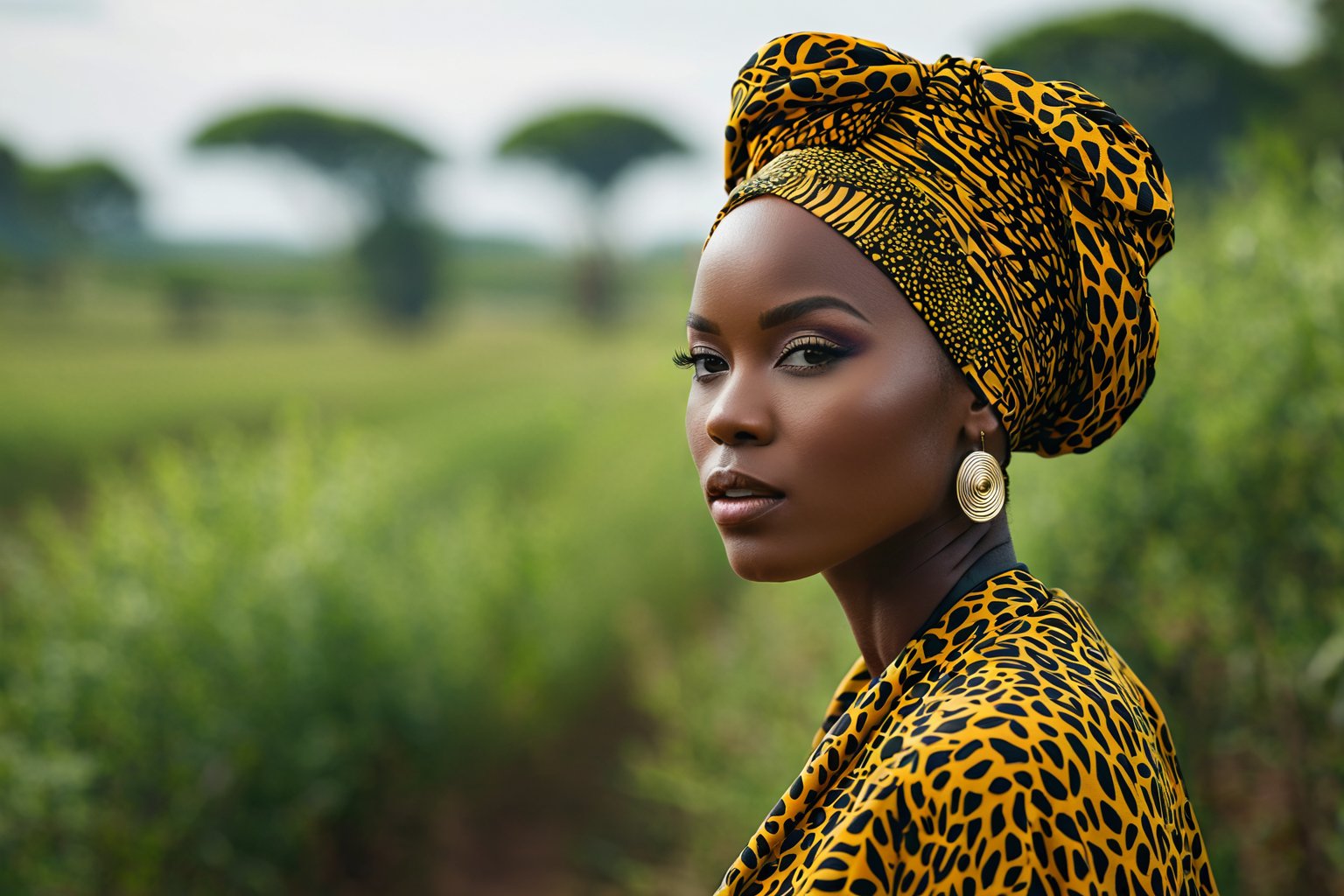
African headwraps have transcended traditional use and are now a prominent feature in modern headwrap fashion. To embrace this style confidently, it’s essential to know how to wear headwraps in a way that complements your outfit and occasion. Whether you’re dressing for a casual day out or a formal event, choosing and styling a headwrap thoughtfully can enhance your overall look.
When selecting a headwrap, consider the fabric and print that best suits your style and the season. Lightweight cotton or silk blends are perfect for warmer weather, offering breathability and comfort. For cooler months, thicker fabrics like Ankara or Kente provide warmth while adding vibrant colours and textures to your ensemble. Look for bold patterns that make a statement or subtle designs for a more understated flair. Modern headwrap fashion allows for mixing traditional prints with contemporary colours, so don’t hesitate to experiment.
One of the most important headwrap styling tips is mastering different tying techniques. The versatility of African headwraps means you can create numerous looks, from classic turban styles to intricate layered wraps. Before tying, prep your hair by braiding or securing it to create a smooth base, then fold your headwrap into a manageable size. Start tying at the nape of your neck or forehead, depending on the style, and secure your wrap with knots or tucking the ends in neatly. Watching tutorial videos or practicing in front of a mirror can help perfect your technique.
For a modern twist, pair your headwrap with contemporary outfits such as denim, blazers, or statement jewellery. For casual occasions, combine your wrap with a simple tee or blouse and jeans to add a pop of colour and personality. For formal events, choose a headwrap with luxurious fabric and pair it with elegant dresses or tailored suits. Accessorise with bold earrings or a decorative brooch pinned on the wrap itself for added sophistication.
Lastly, confidence is key in rocking any headwrap look. How to wear headwraps stylishly comes down to owning your style and feeling comfortable. Don’t be afraid to personalise your wraps with pins, brooches, or even adding layers for volume. Headwrap styling tips also encourage embracing your creativity – the more you experiment, the more you’ll discover unique ways that work perfectly for your features and fashion sense.
By considering fabric choices, mastering tying methods, coordinating with outfits, and expressing confidence, you can effortlessly incorporate modern headwrap fashion into your wardrobe. These practical headwrap styling tips will ensure you look chic and celebrate the rich cultural heritage of African headwraps in a contemporary way.
Choosing the Right Fabric and Design
When selecting a headwrap fabric, it’s essential to consider not only comfort and breathability but also how the material complements your personal style and appearance. Cotton and Ankara fabrics are popular choices due to their vibrant patterns and durability, while silk or satin offers a smoother texture ideal for more delicate or formal looks. The choice of fabric plays a crucial role in the overall appeal and ease of styling your headwrap.
Patterns and colours are equally important in headwrap selection. Bold, geometric prints like those found in traditional African motifs can add striking contrast to your outfit, whereas subtler patterns lend a more understated elegance. When choosing colours, consider your skin tone: warmer tones often shine with earth tones like burnt orange, ochre, and deep reds, while cooler skin tones are beautifully complemented by blues, purples, and greens. Neutrals such as black, white, or beige also offer versatile options that suit almost any complexion.
Your face shape should guide your headwrap design choices to accentuate your natural features. For round faces, opt for fabrics that allow for volume and height at the crown, giving the illusion of length. Oval faces can experiment with most styles, from simple wraps to elaborate layers. Square faces benefit from softer patterns and less angular folds, balancing the angles of the face. Those with heart-shaped faces might choose fabrics and wrapping styles that add width near the jawline, creating harmonious proportions.
Ultimately, headwrap selection is a personal expression. By aligning your choice of headwrap fabric, patterns and colours with your face shape and skin tone, you can create a look that feels authentic and enhances your natural beauty while honouring the rich tradition of African headwraps.
Styling Techniques and Wrap Styles
Mastering headwrap techniques can elevate your look effortlessly. Different wrapping styles offer versatility for various occasions, from casual outings to formal events. Whether you are a beginner or skilled at tying headwraps, there’s a style to suit your needs. Below is a table detailing popular wrap styles and their recommended uses, skill level, and tips to perfect each technique.
| Wrap Style | Occasion | Skill Level | Styling Tips |
|---|---|---|---|
| Classic Turban | Everyday wear, casual | Beginner | Start with a rectangular scarf, wrap around the head and twist at the front. Secure ends tucked for a neat finish. |
| Gele | Weddings, formal events | Advanced | Use firm fabric for structure. Fold in pleats and carefully layer to create height and volume. |
| Bow Wrap | Festivals, parties | Intermediate | Wrap fabric across the head and tie into a large bow at the front or side for a playful look. |
| Low Knot | Work, professional settings | Beginner | Gather hair and wrap fabric low at the nape, tying a secure knot for understated elegance. |
| Side Puff | Casual, daily wear | Intermediate | Wrap fabric around the head, creating a puff on one side by folding and pinning carefully. |
Accessorizing and Maintaining Headwraps
Accessorizing your headwraps can truly enhance their beauty and reflect your personal style. Consider adding headwrap accessories such as decorative pins, brooches, or even statement earrings to complement your look. Silk or velvet ribbons tied around the base add elegance, while beads and colourful hair cuffs can bring a touch of traditional charm. Experimenting with different textures and colours of accessories can help you switch up your look effortlessly, making your headwraps suitable for both casual and formal occasions.
To maintain headwraps and extend their lifespan, proper headwrap care is essential. Always follow the care label instructions, but as a general rule, hand washing is preferable to protect the fabric and vivid colours. Use cold water and mild detergent to avoid colour fading and shrinking. After washing, gently squeeze out excess water without wringing and lay the wrap flat to dry away from direct sunlight, which can dull the colours.
Storing your headwraps carefully also helps maintain their fabric quality. Fold them neatly or roll them loosely to prevent creases and keep them in a dry, cool place. Avoid placing heavy items on top, which can damage the fibres. Regularly airing them out will prevent any musty smells, ensuring your headwraps remain fresh and vibrant. With these tips on accessorising and maintaining headwraps, you can enjoy their timeless beauty for years to come.
Cultural Impact and Global Influence
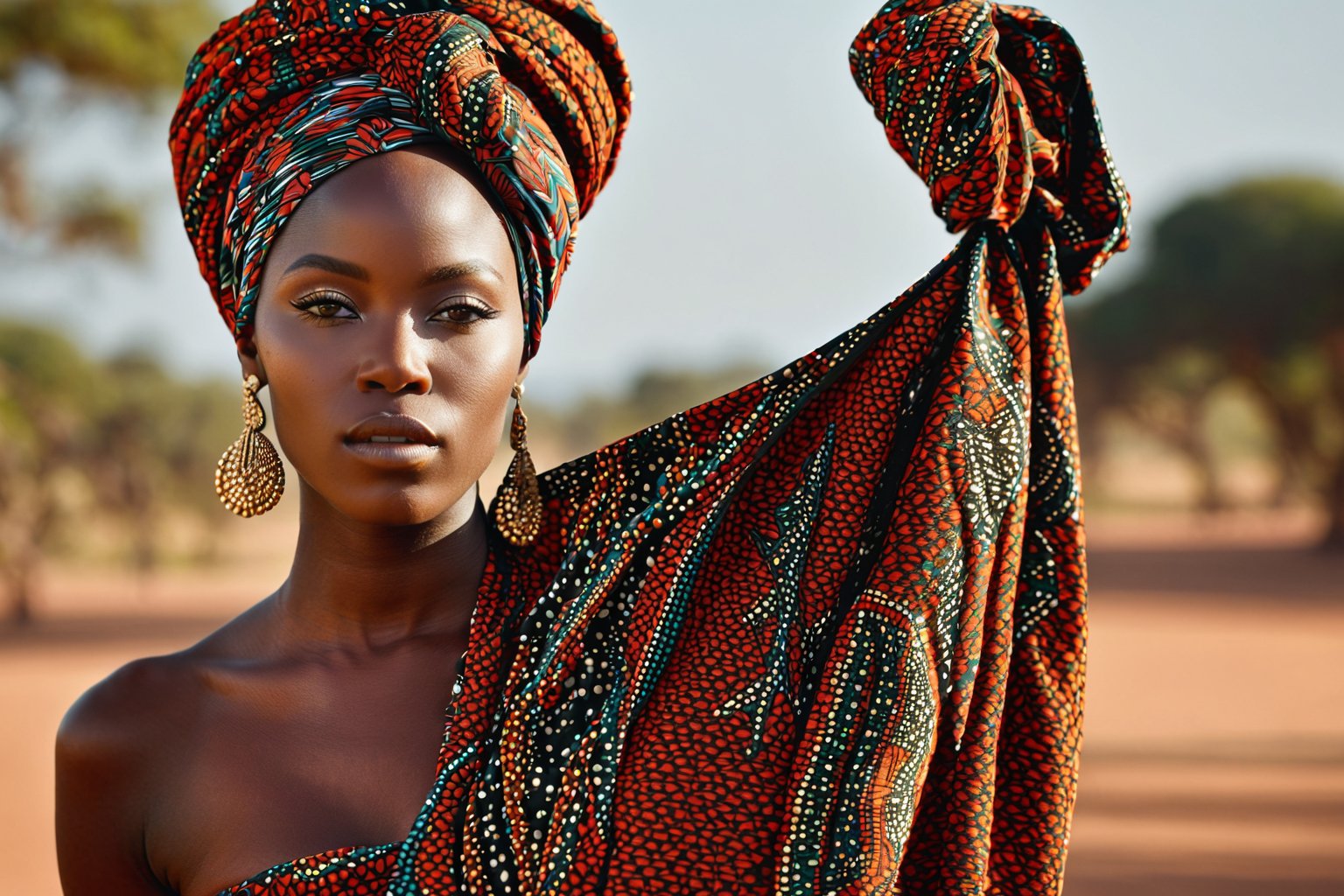
The African headwrap has transcended its traditional roots to become a significant element in global fashion, symbolising both cultural pride and artistic expression. Its influence is evident in runways and street style across continents, where designers and individuals alike draw inspiration from the vibrant patterns and versatile forms of the headwrap. This global headwrap fashion movement has fostered a deeper appreciation for African heritage and the stories woven into each fabric and fold.
However, as African headwrap influence continues to expand worldwide, it raises important conversations about cultural appreciation versus cultural appropriation. Genuine cultural appreciation involves understanding and respecting the origins of the headwrap, acknowledging its historical significance and the diversity of African cultures it represents. It encourages supporting African artisans and designers who keep these traditions alive, thereby honouring the craftsmanship and narratives embedded in the fabric.
On the other hand, cultural appropriation occurs when the headwrap is adopted superficially, stripped of its context and meaning, often for aesthetic or commercial gain without recognising its cultural significance. This can perpetuate stereotypes or diminish the struggles and resilience associated with the headwrap’s history. It is crucial to distinguish between using the headwrap as a form of homage and reducing it to a mere fashion accessory devoid of respect for its cultural roots.
In recent years, numerous public figures and fashion influencers have sparked debates by wearing African headwraps without acknowledging their heritage, highlighting the thin line between admiration and appropriation. These instances stress the importance of education about the symbolisms and stories linked to the headwrap. By doing so, the global fashion community can foster a more inclusive and respectful environment that celebrates rather than exploits cultural diversity.
Ultimately, the African headwrap’s cultural impact and global influence reflect the power of fashion as a medium for cultural exchange. When embraced with awareness and respect, the headwrap can serve as a bridge connecting different cultures, promoting solidarity and understanding. It is through such mindful engagement that the legacy of African headwraps will continue to inspire and enrich global style, while honouring the traditions from which it emerged.
Headwraps in Popular Culture
African headwraps have long transcended their traditional roots to become powerful symbols of cultural pride in popular culture. Their vibrant presence in movies, music, and celebrity fashion has helped shine a light on African heritage and identity. In film, iconic characters often wear headwraps to depict strength, beauty, and a connection to African ancestry, helping to educate audiences and celebrate diversity on screen.
In music, artists frequently use headwraps as a bold visual statement. Musicians from genres such as Afrobeat, reggae, and soul incorporate headwraps into their stage attire, emphasising not only style but also cultural expression. This continued visibility of headwraps in media promotes awareness and appreciation of African traditions, while encouraging younger generations to take pride in their origins.
Celebrity fashion plays a crucial role in popularising headwraps globally. High-profile figures and influencers showcase headwraps at events and in everyday wear, inspiring fans around the world. These headwraps in media and fashion serve as more than accessories; they are emblems of resilience, self-love, and cultural pride. Through their widespread adoption, headwraps reinforce positive representation and foster a deeper understanding of African heritage on the international stage.
Navigating Cultural Appreciation vs Appropriation
Wearing African headwraps offers a beautiful way to celebrate and connect with rich cultural traditions. However, it is crucial to distinguish between cultural appreciation and cultural appropriation to engage in respectful fashion. Appreciation involves honouring the history, meaning, and significance behind the headwraps, whereas appropriation often ignores these elements, reducing cultural symbols to mere aesthetics.
To practice cultural appreciation when wearing African headwrap styles, start by educating yourself about the origin, symbolism, and various styles associated with different African communities. Understand that headwraps are more than fashion statements; they hold cultural, spiritual, and historical importance. By acknowledging and respecting these deeper meanings, you demonstrate genuine interest rather than superficial borrowing.
When sharing headwrap styles on social media or in conversation, credit the culture and communities from which they originate. Avoid presenting these styles as your invention or simply as trendy accessories. Instead, highlight their heritage and encourage awareness among your audience, fostering respect and understanding.
Additionally, support African designers and artisans by purchasing authentic headwraps or fabrics, which also helps sustain traditional craftsmanship. Avoid commodifying or mocking the styles through inappropriate or exaggerated use. Lastly, listen to voices within these communities about what constitutes respectful fashion and be open to learning and evolving your approach accordingly.
By embracing cultural appreciation over appropriation, you celebrate African headwraps in a way that honours their legacy and promotes respectful fashion for all.

I’m fascinated by the vibrant intersection of contemporary fashion and traditional African craftsmanship. I spend my free time exploring markets, learning about textile techniques, and sharing the stories behind each piece with our readers.