
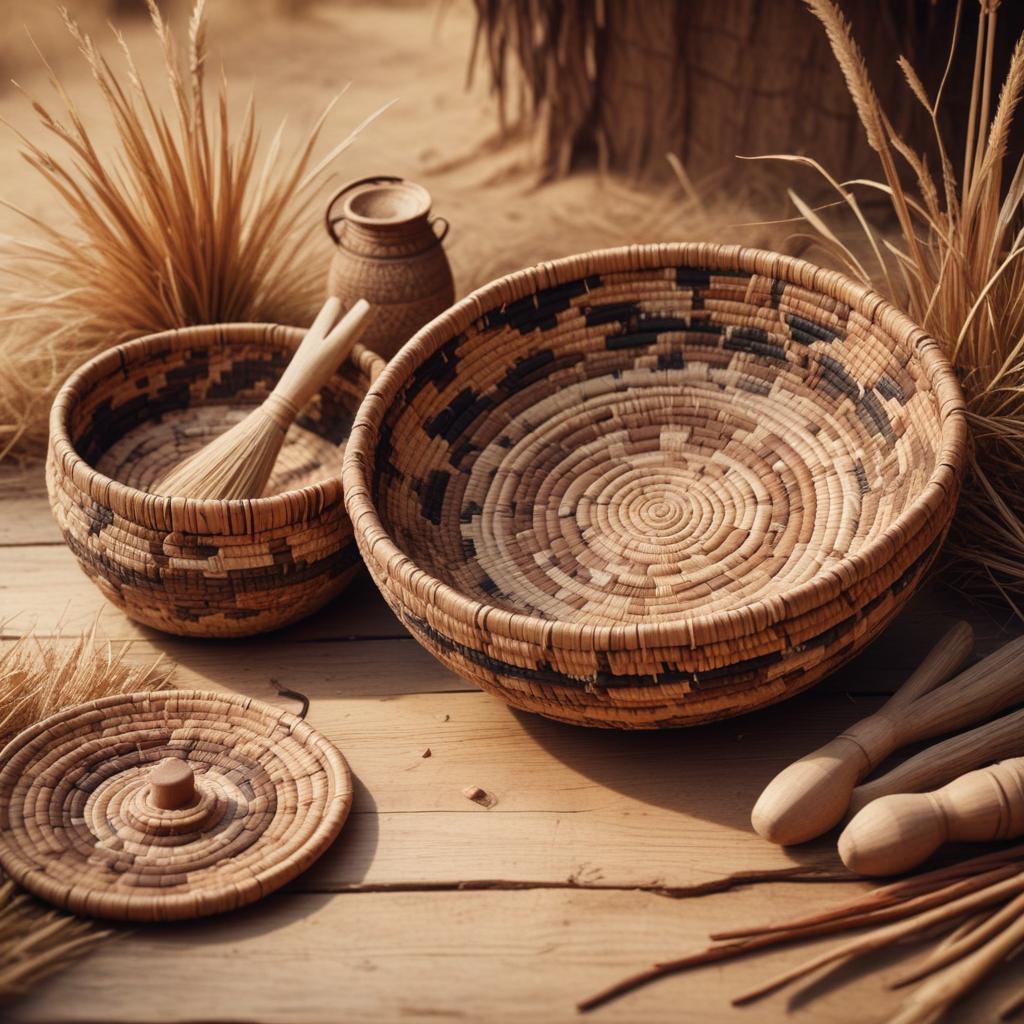
Introduction to Handmade Baskets from Africa
Handcrafted baskets occupy a significant position in African artistry, symbolising far more than mere utilitarian items. Throughout the varied cultures of Africa, the skill of basket-weaving has been transmitted through generations, encapsulating the core of tradition, imagination, and communal spirit. These baskets are cherished not only for their intricate patterns and vibrant colours but also for their deep cultural importance. They act as tangible symbols of identity, heritage, and craftsmanship that reflect дух африканского народа.
Traditional basket weaving depends on skilled artisans who intricately weave natural fibres using techniques perfected over many generations. The raw materials, usually sourced from the surrounding environment, vary based on local plant life and climatic conditions. This deep connection to nature highlights устойчивые практики, a characteristic found in numerous African crafts. Creating woven baskets serves as more than just an artistic expression; it acts as a cultural ritual that reinforces community bonds while knowledge and expertise are transmitted through family lines.
In many African societies, hand-woven baskets serve functions that extend far beyond simple storage, transport or ritual duties. They frequently carry deep symbolic weight, representing concepts such as fertility, prosperity and protection. Specific basket designs are often created for significant occasions like weddings, harvest festivals and religious rites, highlighting their status as vital cultural artefacts. These woven pieces are commonly given as gifts to commemorate major life transitions, thereby expressing respect, goodwill and a commitment to preserving ancestral traditions.
The variety seen in African basket weaving mirrors the continent’s rich cultural tapestry. Each region offers its own styles, weaving motifs and colour palettes, each narrating distinct tales of the communities they belong to. The skill required calls for patience, accuracy and a profound knowledge of both the materials and the cultural symbolism woven into every design. Together, these handcrafted baskets serve as strong symbols of African heritage, safeguarding artistic tradition while adapting to modern settings.
In the end, valuing handmade baskets among African crafts involves acknowledging the vital part they serve in preserving cultural identity and traditional ways of life. Both practical items and artistic creations, they reveal the values, beliefs and histories that shape African societies. By embracing these baskets we not only celebrate the artisans’ expertise but also help sustain basket weaving as a lively cultural tradition that adds to the world’s craft heritage.
Materials and Techniques Used
Ingrained in tradition, African basketry showcases the remarkable skill and creativity of artisans through the use of diverse fibres and intricate weaving techniques. Traditionally, artisans collect natural materials from their surroundings, including grasses, palm fronds, sisal, raffia, and various reeds. Each type of fibre contributes a unique texture and colour, influencing the final appearance and durability of the basket. For instance, sisal fibres are prized for their strength, while palm leaves offer flexibility, allowing for the crafting of various designs.
Мастерство, which plays a significant part in basketry, is equally important. In various African cultures, традиционные техники плетения are employed; these skills, passed down through generations, demand patience, accuracy, and a deep understanding of the materials. The most common weaving methods consist of coiling, twining, and plaiting. Coiling involves stitching spiralled bundles of fibre together to create sturdy baskets, often featuring intricate designs. Twining, on the other hand, entails twisting pairs of fibres around vertical warps, allowing for the creation of detailed geometric patterns. A more straightforward technique, plaiting consists of interlacing strips in a crisscross manner and is primarily used for sturdier constructions.
The combination of basket materials and weaving techniques reflects the surrounding environment and the cultural traditions of the artisan’s community. This craftsmanship guarantees that each basket transcends its functional purpose, becoming a piece of art rich in symbolic significance and ancestral knowledge, which explains why African baskets are cherished worldwide for their beauty and cultural importance.
Regional Styles and Variations
African artisan baskets showcase a wide range in региональных стилях, reflecting the diverse cultural heritage of various communities across the continent. Each area of Africa has developed unique basket designs, shaped by local materials, traditions, and symbolic interpretations. Understanding these regional styles fosters a greater appreciation of the культурное значение intricately woven into every basket.
- West African Baskets: Known for their vibrant colours and geometric patterns, West African baskets often incorporate dyed fibres made from raffia and palm leaves. The designs here are deeply intertwined with tribal identities and ceremonies, with motifs representing fertility, protection, and status.
- East African Baskets: In East Africa, baskets tend to be woven with grasses and sisal, featuring intricate coiling techniques. Their designs are more muted in colour but focused on detailed patterns that signify social roles and historical narratives. These regional styles highlight the pastoralist cultures prevalent in this area.
- Central African Baskets: Central African basketry often emphasises bold textures and layered weaving methods. The basket designs from this region frequently display symbols linked to spirituality and ancestral connections, mirroring the cultural beliefs of diverse ethnic groups.
- Southern African Baskets: The baskets from Southern Africa commonly utilise natural hues and fine, delicate weaving patterns. The regional styles are influenced by the Khoisan and Zulu cultures, with motifs inspired by nature and daily life, reflecting the community’s relationship with their environment.
These local styles not only showcase aesthetic preferences but also express profound cultural stories through the designs of baskets. As a result, hand-crafted baskets from Africa function as practical items while also embodying intangible heritage.
Cultural Significance of African Handmade Baskets
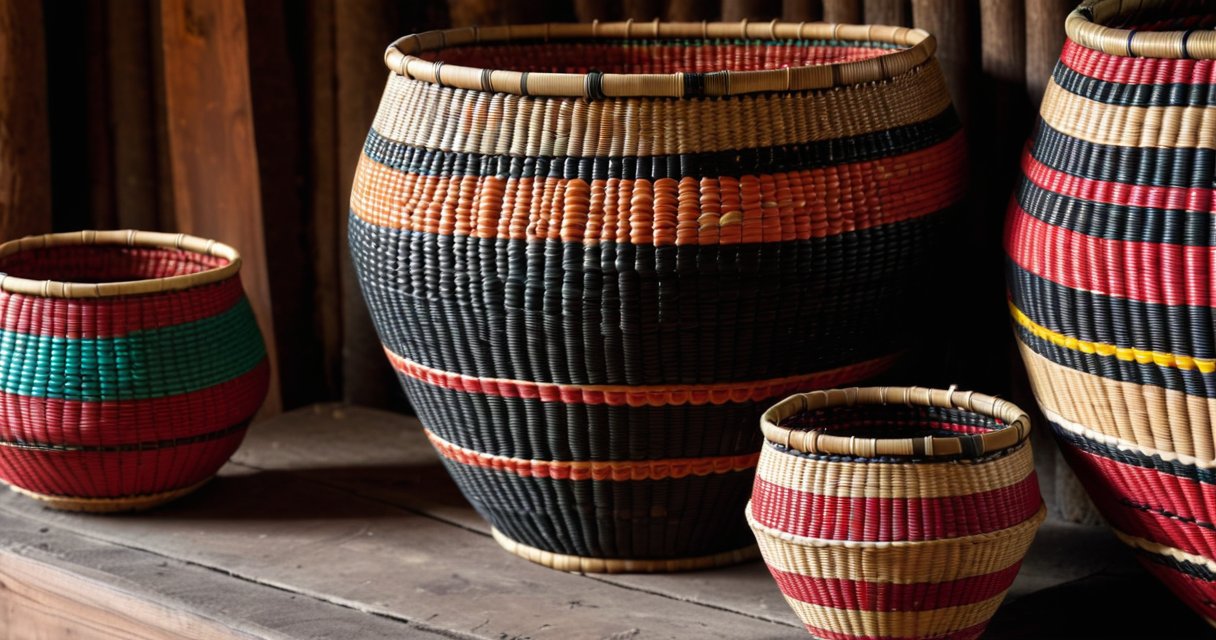
In numerous African cultures, artisanal baskets hold significant cultural value, extending well beyond their basic utilitarian function. They play a crucial role in everyday life and in ceremonial practices, serving as containers that transmit customs, stories, and symbols through generations. The craftsmanship showcased reveals the weaver’s connection to their community, the environment, and their heritage.
Throughout history, baskets have served a variety of functional purposes, including food preservation, item transport, and the organisation of household goods. However, these seemingly simple objects often carry deeper significance. The choice of materials, the techniques used in weaving, and the distinctive designs woven into each basket showcase the cultural traditions and values of a particular community. For instance, certain geometric patterns may signify social status, while specific colours might indicate clan affiliations or spiritual beliefs.
Beyond their day-to-day use, handmade baskets frequently play a vital role in ceremonial contexts. In many African communities, baskets are essential components in rites of passage, weddings, and religious ceremonies. They may be used to present gifts, hold sacred items, or as symbolic offerings to ancestors and spirits. The act of giving or receiving a basket often carries symbolic weight, embodying goodwill, prosperity, or the continuity of life.
Moreover, the art of basket weaving often passes down through family generations, acting as a vibrant archive of heritage. Elders teach the younger members not only the skills needed to create these intricate designs but also the narratives and meanings interlaced within each strand. This transfer of knowledge preserves the lasting symbolism of every pattern, reinforcing community ties and fostering a feeling of belonging.
In some regions, baskets are also viewed as spiritual objects, representing the interconnectedness of the community, nature, and the divine. The circular shapes of many baskets, for example, symbolise unity, eternity, and life cycles. These symbolic layers add an additional dimension to the baskets’ function, making them more than just containers but rather embodiments of cultural narratives.
In conclusion, African handmade baskets embody significant cultural value that intertwines with their traditional roles and the messages they represent. Far from being mere functional items, they serve as a tangible link to ancestral wisdom, showcasing the rich tapestry of African heritage through their designs and applications in both everyday life and ceremonial occasions.
Role in Ceremonies and Rituals
Ceremonial baskets hold a revered place in many African traditions, serving purposes that extend far beyond their physical form. These baskets often play a pivotal role in ritual use, symbolising fertility, prosperity, and communal unity. Across the continent, from West to East Africa, their significance can be witnessed in a variety of cultural ceremonies.
In South African Zulu culture, beautifully woven baskets are essential in weddings and initiation ceremonies, serving as containers for gifts or meaningful tokens. Frequently adorned with intricate designs, these items represent blessings granted to the couple, embodying aspirations for abundance and protection. Their presence in the celebrations underscores the community’s commitment to tradition and the spiritual importance of these significant life events.
Within the Yoruba communities of West Africa, intricately woven ceremonial baskets play a pivotal role in sacred ceremonies where followers make offerings to the orisa. Each basket is carefully crafted to contain gifts such as grains, fresh fruits, or kola nuts, representing the connection between the living and the divine. Through these time-honoured practices, the baskets act as carriers of tradition, safeguarding spiritual heritage and strengthening communal faith.
Further north, the Tuareg people of the Sahara craft intricately woven baskets that are utilised in wedding ceremonies to represent the uniting of two families. These ceremonial baskets serve not only a practical purpose but also embody profound cultural significance, showcasing the blend of artistry and African customs. In summary, ceremonial baskets emphasise the vibrant cultural fabric of Africa and their enduring role in rituals.
Economic and Social Impact
Handcrafted baskets from Africa are essential in bolstering the artisan economy by offering sustainable income prospects for numerous craftspeople. These baskets, frequently made using age-old techniques handed down over generations, function not only as practical items but also as sellable products that entice customers both locally and globally. The proceeds from these baskets enable artisans to support themselves, empowering individuals—especially women—to attain financial autonomy while safeguarding their cultural traditions.
In addition to their economic importance, basket making plays a vital social role in African communities. The craft promotes teamwork and the exchange of knowledge, enhancing community bonds and fostering a sense of identity and pride. In numerous villages, community crafts like basket weaving serve as collective activities that unite individuals, encouraging social cohesion and reciprocal support. This social function is crucial for preserving cultural traditions and ensuring they flourish in contemporary settings.
Moreover, the artisan economy driven by handmade baskets contributes to the stimulation of local markets, producing a ripple effect that advantages the broader community. By backing community crafts, local economies can withstand the challenges posed by industrial mass production and globalisation, safeguarding distinctive cultural expressions. In the end, basket making transcends mere artistry; it serves as a fundamental pillar of economic resilience and social cohesion in numerous African areas.
Preservation and Modern Appreciation of African Handmade Baskets
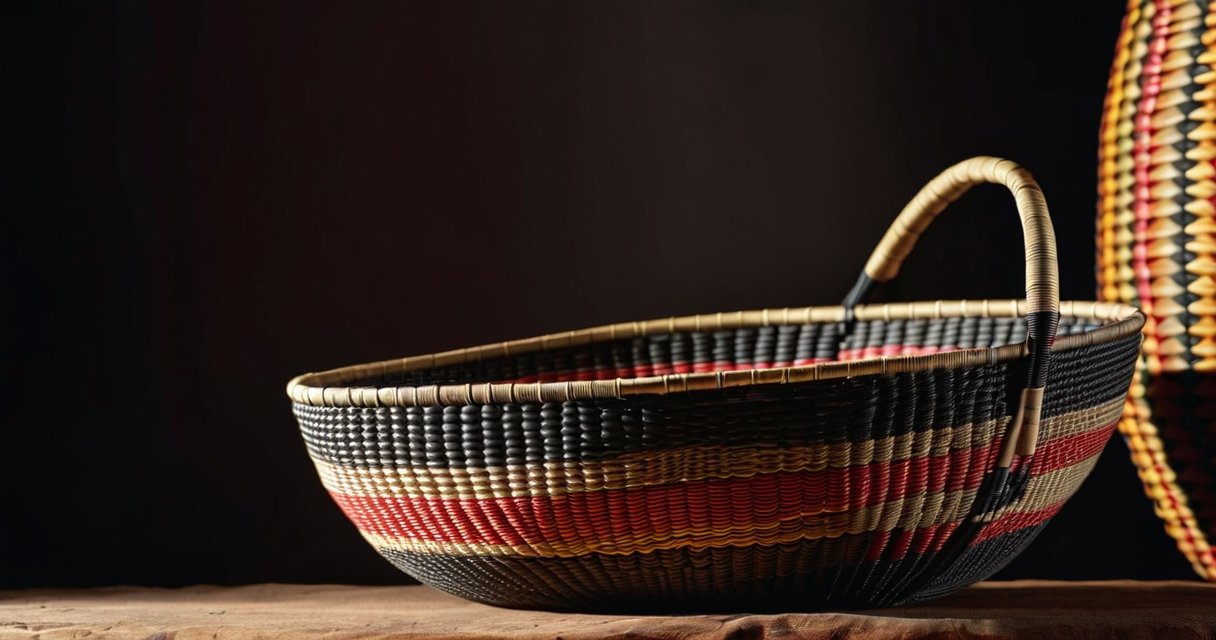
In recent times, there has been an increasing focus on the preservation of culture related to traditional African basket weaving. This time-honoured craft, which carries great cultural importance in numerous African communities, is now garnering fresh interest both locally and internationally. Initiatives aimed at protecting these traditions involve educational programmes within native communities, where younger individuals are motivated and instructed by skilled artisans to carry on the practice of basket making. These efforts not only contribute to the preservation of traditional methods but also cultivate a profound appreciation for the cultural legacy inherent in each basket.
In addition to local efforts, global organisations and NGOs have been proactive in assisting weavers through workshops, financial support, and facilitating market access, thus aiding in the sustainable preservation of basket weaving. These entities understand that maintaining the craft is closely linked to safeguarding the identity and heritage of the communities involved. By backing artisans, they play a crucial role in ensuring the passing down of skills and the endurance of cultural stories reflected in the detailed designs and weaving techniques.
Concurrently, African handmade baskets have gained traction in modern art communities. Collectors, designers, and museums across the globe now view these baskets as more than just functional objects; they are seen as captivating works of art. Their unique designs, vibrant hues, and meticulous craftsmanship have earned them spots in galleries and exhibitions, elevating their status from a traditional craft to contemporary art pieces. This increasing recognition has cultivated a global admiration that connects diverse cultures and encourages a broader audience to appreciate Africa’s rich artistic legacy.
In addition, the current market for African baskets has grown considerably, as artisans work alongside designers to produce items that merge traditional weaving methods with modern styles. This combination has generated renewed interest and increased demand for handcrafted baskets, which frequently appear in both interior design and fashion settings. Consequently, the appreciation for baskets has moved beyond mere cultural preservation, evolving into a representation of cultural pride and a means of economic upliftment for weaving communities.
In summary, the safeguarding of African basket weaving customs is becoming ever more connected to contemporary art and global recognition. Thanks to committed cultural preservation efforts and a growing international stage for basket appreciation, African handcrafted baskets thrive, conveying the stories of their creators while enchanting new generations of enthusiasts across the globe.
Challenges Facing Traditional Basket Weaving
Traditional crafts such as basket weaving are closely linked to the cultural legacy of numerous African communities. Yet, these art forms encounter a variety of obstacles that jeopardise their existence. A major challenge for weaving is urbanisation, which pulls younger generations away from the rural regions where these crafts are mainly carried out.
As individuals migrate to urban areas seeking improved economic prospects, the passing down of traditional skills declines. City life frequently emphasises modernity and speed, offering scant opportunity for time-consuming crafts like basket weaving. This change in lifestyle has led to fewer skilled artisans and a decreased interest in handmade baskets, as mass-produced options grow increasingly accessible and budget-friendly.
Cultural changes represent a considerable risk to traditional crafts. Young people might see basket weaving as outdated or irrelevant to contemporary life. Additionally, low financial rewards and a lack of recognition for artisans further discourage the preservation of this age-old craft. Without committed efforts to protect and adapt these traditions, invaluable knowledge and techniques are at risk of vanishing.
Addressing these threats requires a holistic approach that values traditional crafts both culturally and economically. Supporting artisans, promoting awareness, and integrating traditional basket weaving into modern contexts can help safeguard this vital aspect of cultural identity against the pressures of urbanisation and changing lifestyles.
Global Market and Contemporary Uses
African handmade baskets have been valued for their detailed artistry and cultural importance for many years, yet they have recently achieved notable acclaim in the worldwide market. These baskets, typically crafted from local resources and methods, are now celebrated not just for their practical uses but also as desirable pieces in modern fashion, interior design, and artistic expression.
Within the fashion industry, African baskets are captivating designers around the globe. Ranging from handbags and accessories to elaborate wearable art, their unique textures and vivid patterns contribute a genuine and ethical aspect to contemporary style. This fusion of tradition and creativity not only enhances the visual allure but also showcases the deep heritage inherent in every item.
In the realm of home décor, African baskets have established themselves as both versatile and eye-catching elements. They serve various purposes, including wall displays, storage options, and centrepieces, infusing warmth, texture, and pattern into living areas. Their eco-friendly nature resonates well with environmentally aware trends, making them sought after in homes that appreciate both aesthetic charm and sustainability.
Furthermore, African baskets are gaining greater recognition within the art community. They are showcased in galleries and museums worldwide, acknowledged not merely as crafts but as significant works of art. Both artists and collectors value the cultural stories interlaced within the baskets, allowing their narratives and cultural importance to extend well beyond their original communities.

I’m fascinated by the vibrant intersection of contemporary fashion and traditional African craftsmanship. I spend my free time exploring markets, learning about textile techniques, and sharing the stories behind each piece with our readers.