
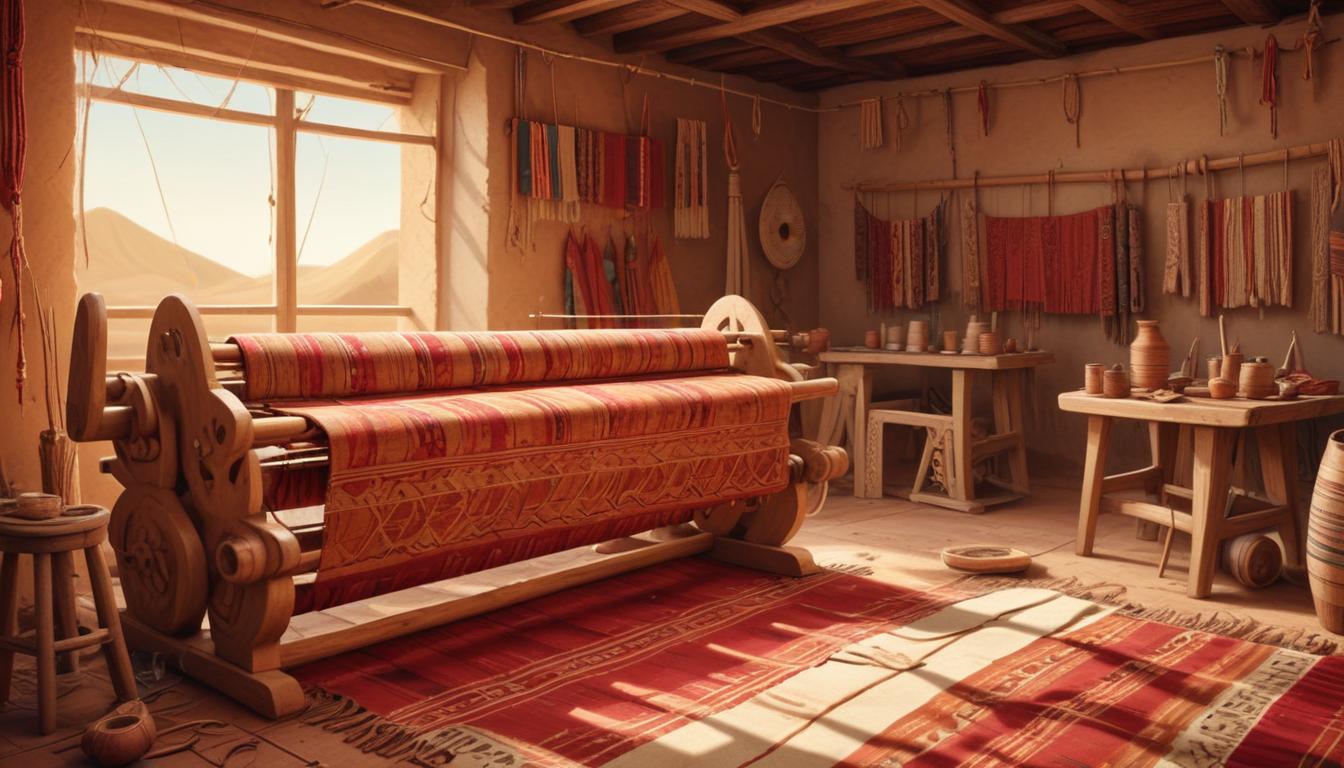
Historical background of North African textiles
The history of North African textiles is rich and deeply intertwined with the cultural heritage of the region. North African textiles history spans thousands of years, shaped by a blend of indigenous traditions and external influences brought by various civilizations, including the Phoenicians, Romans, Arabs, and Berbers. This tapestry of cultural interactions has resulted in a unique and vibrant textile heritage that continues to thrive today.
The origins of textile production in North Africa date back to ancient times when natural fibers like wool, cotton, and flax were commonly used. Early inhabitants developed traditional methods of spinning, weaving, and dyeing, using locally sourced materials and natural dyes derived from plants and minerals. These age-old techniques were passed down through generations, ensuring the preservation of artisanal skills that define the region’s textile heritage.
One of the key influences on North African textiles history was the Arab expansion during the 7th century, which introduced new motifs, weaving techniques, and the use of silk. Islamic art and culture left a lasting impact on textile patterns, emphasizing geometric designs and calligraphy that symbolized spiritual significance. The Berber communities also played a crucial role in maintaining traditional fabrics, particularly in rural areas, where handwoven woolen textiles and vibrant embroidery designs flourished.
Traditional fabrics from North Africa are notable for their durability, intricate patterns, and symbolic use of color. The weaving techniques vary from region to region, reflecting local customs and environmental factors. For example, the richly patterned rugs and blankets produced by Berber women not only serve practical purposes but also represent cultural identity and social status. Similarly, the finely woven silk and cotton textiles from urban centers like Fez and Tunis highlight a blend of craftsmanship and artistic expression.
Throughout history, the textile heritage of North Africa has been both a means of economic livelihood and a form of cultural expression. Despite the challenges posed by modernization and industrialization, many artisans continue to preserve traditional fabric-making methods, contributing to the revival and global appreciation of North African textiles. This enduring legacy underscores the importance of textiles in understanding the region’s history and cultural diversity.
Ancient weaving techniques
North African textile craftsmanship is deeply rooted in ancient weaving techniques that have been passed down through generations. These traditional crafts involve meticulous hand-weaving methods using natural fibers such as wool, cotton, and silk. The primary weaving techniques include tapestry weaving, where weft threads are tightly interlaced to create intricate patterns and images, and plain weave, which forms the foundation of many ancient textiles. These methods allowed artisans to produce durable and highly decorative fabrics that carried cultural significance.
In addition to weaving, dyeing played a crucial role in the creation of North African textiles. Artisans utilized natural dyes derived from plants, minerals, and insects to produce vibrant colors that have stood the test of time. Indigo was particularly prized for its deep blue hues, while henna and madder roots provided warm reds and oranges. The combination of weaving techniques and dyeing processes created unique textures and color variations, showcasing the rich artistic heritage of the region.
These weaving techniques and dyeing traditions are more than just practical processes; they express the identity, beliefs, and history of North African communities. Ancient textiles produced through these traditional crafts remain highly valued today for their beauty and craftsmanship, reflecting a cultural legacy that continues to inspire modern textile art and design.
Cultural significance in local societies
Textiles hold profound cultural symbolism within North African communities, intricately woven into the fabric of local heritage. These textile traditions are much more than artistry; they serve as a visual language that expresses identity, social status, and communal values. In ceremonies such as weddings, religious events, and rites of passage, textiles are deliberately chosen to convey meaning and honor tradition. Patterns, colors, and materials often signify the wearer’s tribe, marital status, or social rank, making textiles vital in the social structure.
The preservation and continuation of textile traditions strengthen communal bonds and maintain a tangible connection to ancestors. Wearing specific garments or fabrics during special occasions is a powerful declaration of belonging and respect for local customs. Beyond personal identity, textiles are often seen as heirlooms, passed down through generations, reflecting the continuity of cultural stories and collective memory. This deep cultural symbolism elevates North African textiles from mere fabric to treasured artifacts emblematic of local heritage and social cohesion.
Distinctive features of North African textiles
North African textiles are renowned for their captivating textile patterns and intricate design motifs that reflect the rich cultural heritage of the region. These textiles often showcase geometric shapes, symbolic icons, and repetitive patterns that have been passed down through generations, making them distinct from those found in other parts of the world. The bold and vibrant patterns not only serve an aesthetic purpose but also convey stories, traditions, and social status.
The design motifs in North African textiles are heavily influenced by Berber, Arab, and Mediterranean cultures, resulting in a unique fusion that is both historic and artistic. Common motifs include diamonds, zigzags, and stylized flora and fauna, each carrying specific meanings related to protection, fertility, or nature. These motifs are meticulously woven or embroidered into the fabric, showcasing the exceptional craftsmanship inherent to the region.
In terms of fabric types, North African textiles primarily feature natural materials such as wool, cotton, and silk, chosen for their durability and comfort in the diverse climates of the area. Wool is particularly favored for its warmth and ease of dyeing, making it ideal for rugs, blankets, and traditional garments. Cotton and silk, meanwhile, are used in finer textiles, often for clothing and decorative purposes, offering breathability and softness.
The colour palette of North African textiles is another defining feature. Rich reds, deep blues, earthy browns, and vibrant yellows dominate, achieved through natural dyes derived from plants, minerals, and insects. The use of these natural dyes ensures that the colours are not only vivid but also sustainable, preserving the environment as well as cultural identity. The contrast between colours enhances the visibility of the textile patterns, making each piece visually striking and full of life.
Overall, the distinctive features of North African textiles—its intricate textile patterns, symbolic design motifs, choice of natural fabric types, and bold, natural colours—set them apart as unique cultural artifacts. They are not only functional but also serve as wearable art and heritage carriers, continuing to inspire contemporary textile designers worldwide.
Symbolic patterns and meanings
North African textiles are renowned for their intricate symbolic patterns and meaningful designs that reflect the cultural identity and spiritual beliefs of the region. These textile motifs are not merely decorative; they serve as a visual language passed down through generations, often conveying messages of protection, fertility, and community. Common motifs include geometric shapes such as diamonds, zigzags, and crosses, each carrying distinct symbolism. For example, the diamond shape often represents protection against the evil eye, a pervasive belief in many North African cultures.
Textile motifs also frequently incorporate elements inspired by nature, such as stars, flowers, and animals, symbolizing life, growth, and connection to the earth. These symbolic patterns are woven or embroidered into fabrics using techniques that emphasize their significance, ensuring that the designs remain vibrant and meaningful. The use of color further enhances the textiles’ spiritual resonance; reds may signify strength or vitality, while blues can denote spirituality or protection.
Meaningful designs in North African textiles often reflect social status, tribal affiliation, and personal stories, making each piece unique to its creator and wearer. These textiles serve as cultural artifacts that celebrate heritage while communicating values and traditions. By integrating symbolic patterns into everyday fabrics, North African communities maintain a rich tapestry of cultural expression and spiritual identity in their textile art.
Materials and natural dyes
North African textile production is renowned for its use of traditional fibres and natural dyes, reflecting the region’s rich cultural heritage and connection to the environment. The primary fabric materials include wool, cotton, and silk, each sourced locally or through historic trade routes that brought diverse fibres into the region. Wool, often from sheep native to the mountainous and desert areas, is prized for its durability and warmth. Cotton, cultivated in river valleys, offers a soft, breathable fabric ideal for the hot climate, while silk, though less common, adds luxury and intricate texture to select textiles.
Natural dyes form the cornerstone of North African textile coloration, providing vibrant yet earthy hues derived from plants, minerals, and insects. Indigo, extracted from the indigofera plant, is widely used to produce deep blues that are emblematic of Tuareg and other Saharan textiles. Madder root contributes rich reds, while yellow hues come from plants like saffron and weld. Additionally, henna and pomegranate serve as sources for orange and brown shades, respectively. These natural dyes are valued not only for their vivid colors but also for their lasting quality and eco-friendly properties.
The process of creating textiles with traditional fibres and natural dyes is deeply embedded in North African artisanal practices. Skilled weavers and dyers employ techniques passed down through generations, combining these materials to produce textiles that are both functional and artistic. This tradition sustains local economies and preserves cultural identity, making North African textiles distinctive and highly treasured worldwide.
Modern influence and global impact
North African textiles have carved a significant niche in the realm of modern textiles, deeply impacting global fashion trends and design aesthetics. Rooted in a rich tradition of intricate patterns, bold colors, and artisanal craftsmanship, these textiles are celebrated not only for their historical significance but also for their contemporary appeal. Designers worldwide draw inspiration from the unique textures and symbolic motifs of North African fabrics, integrating them seamlessly into modern collections, thereby broadening their reach beyond regional borders.
One of the most striking aspects of North African textile influence is the fusion of traditional elements with modern design principles. This blend creates versatile pieces that appeal to diverse markets, reflecting a vibrant cultural heritage while fitting contemporary fashion sensibilities. The patterns often showcase geometric shapes, embroidery, and weaving techniques that tell stories of local communities and their history, which adds an authentic narrative layer to modern fashion pieces.
The global fashion influence of North African textiles is evidenced by their growing presence on international runways and in high-end boutiques. Designers from Paris to New York incorporate these textiles into dresses, jackets, accessories, and home décor, celebrating their distinctiveness and durable quality. This trend not only elevates the profile of North African craft but also promotes cultural appreciation and cross-cultural collaboration in the fashion industry.
Moreover, North Africa textile export has experienced significant growth as demand surges globally. Countries in the region have capitalized on this opportunity by improving production standards and expanding export networks to reach new markets. The economic impact benefits artisans and communities, helping preserve these traditional crafts while adapting to contemporary commercial dynamics. This global reach reinforces the importance of North African textiles in shaping worldwide fashion narratives and contributes to their enduring legacy.
In conclusion, the influence of North African textiles on modern textiles is profound and multifaceted. Their integration into global fashion illustrates an ongoing cultural exchange, where traditional craftsmanship meets innovative design. The continued popularity and expansion of North Africa textile export highlight their relevance and powerful role in the international fashion landscape, ensuring these vibrant fabrics remain influential in shaping future design trends.
Integration into contemporary fashion
Traditional North African textile styles have become a significant influence within the modern fashion industry, blending heritage craftsmanship with innovative design techniques. Designers today embrace these age-old patterns, motifs, and weaving methods not only to celebrate cultural identity but also to push the boundaries of textile innovation. This fusion results in garments that pay homage to history while appealing to contemporary aesthetics.
The intricate geometric designs and vibrant color palettes characteristic of North African textiles are frequently reinterpreted in modern collections, creating a dynamic dialogue between old and new. Fashion houses incorporate these elements into ready-to-wear lines as well as haute couture, effectively bridging traditional craftsmanship with cutting-edge modern design influences. This process often leads to unique textures and patterns that stand out on the global stage.
Moreover, the integration of these traditional textiles fosters sustainability within the fashion industry by promoting handwoven fabrics and artisanal techniques. This trend has encouraged a renewed appreciation for slow fashion and ethical production practices. Consequently, North African textile heritage not only inspires innovative design but also supports a more conscious and responsible approach to fashion creation.
Preservation and revival initiatives
Efforts to ensure cultural preservation of North African textile heritage have gained momentum in recent years through dedicated cultural programmes and initiatives. These programmes focus on safeguarding traditional weaving and dyeing techniques that have been passed down through generations but face the threat of fading away due to modernization and globalization.
One of the key aspects of textile heritage revival is the active support of local artisans who are the custodians of these ancient crafts. Artisan support includes training workshops, financial aid, and market access improvements, enabling craftsmen to sustain their livelihoods while keeping their cultural practices alive. By connecting artisans with broader markets, these initiatives provide economic incentives that encourage the continuation of traditional textile production.
Cultural preservation programmes also include documentation projects, exhibitions, and educational activities that raise awareness about the historical and social significance of North African textiles. Museums and cultural centers play a vital role in this regard, offering platforms where these textiles are celebrated as symbols of identity and heritage.
Overall, the synergy between cultural programmes and artisan support systems is fundamental in fostering a sustainable revival of North African textile traditions, ensuring that these vibrant expressions of culture are preserved and cherished for future generations.

I’m fascinated by the vibrant intersection of contemporary fashion and traditional African craftsmanship. I spend my free time exploring markets, learning about textile techniques, and sharing the stories behind each piece with our readers.