
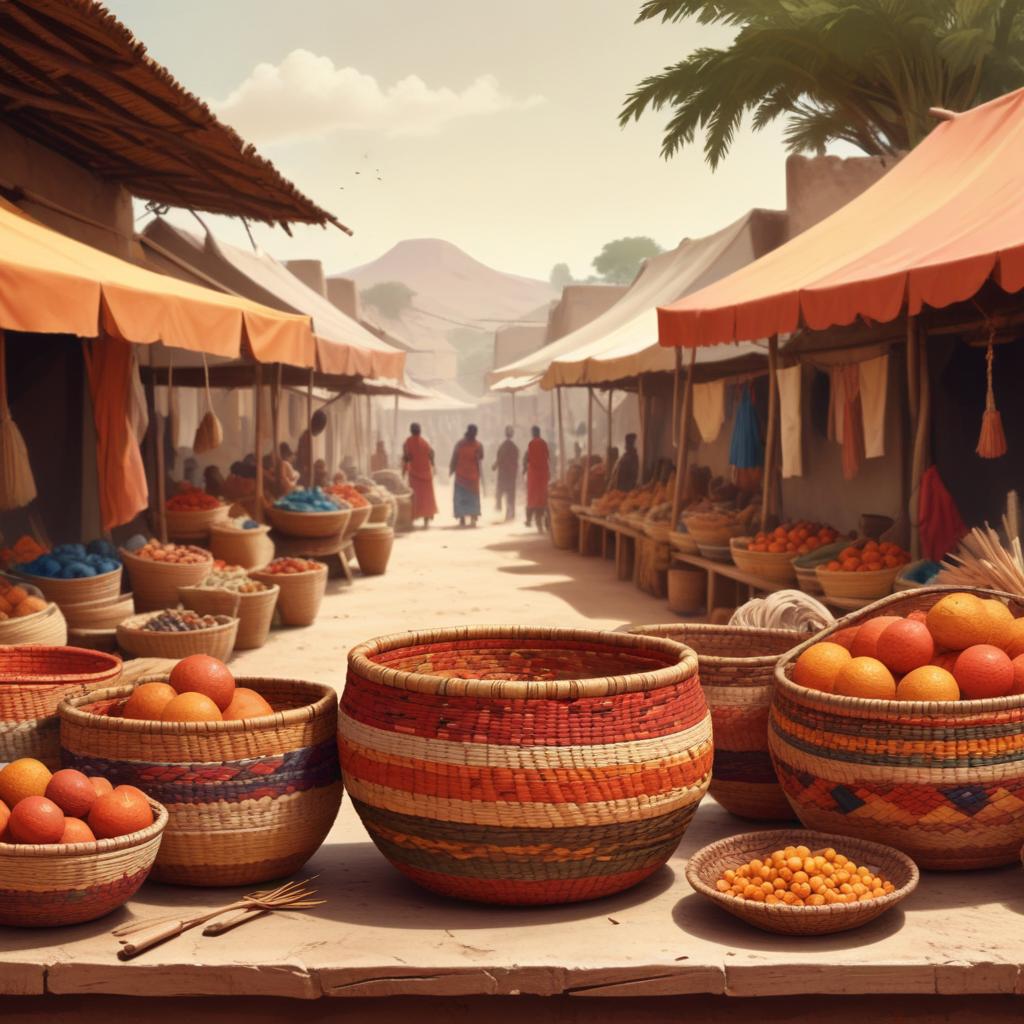
Overview of Traditional Weaving in Africa
African textile traditions represent a rich and diverse practice that has developed over many generations, becoming central to the cultural life of communities across the continent. These handcrafted fabrics fulfil practical roles while also acting as powerful symbols of personal identity, historical memory and social status within their respective societies. From the fluid cloth patterns associated with West African groups to the intricate mats and garments produced in East and Southern regions, the craft reflects a lasting connection between artisans and their ancestral heritage.
Traditional African weaving dates back thousands of years, with archaeological evidence showing looms and hand‑spun fibres were used in ancient times. Various regions developed their own weaving methods and motifs, mirroring local customs and available materials. A notable example is Ghana’s Kente cloth, a celebrated African textile renowned for its bright, geometric designs created by a meticulous weaving technique passed down through generations.
Alongside Kente, notable examples include Mali’s bogolanfini, or mud cloth, which blends weaving with distinctive dyeing techniques to produce its signature motifs. In East Africa, the Maasai produce brightly coloured shukas, while in Southern Africa the Shona are renowned for their finely woven baskets and textiles. These fabrics serve a range of purposes, from everyday wear and formal attire to trading goods and artistic works, underscoring the versatility and significance of African weaving.
Traditional textiles offer not only functional applications but also possess deep symbolic significance. Patterns and colours frequently convey social messages, such as tribal identity, relationship status, and spiritual values. The overview of weaving throughout Africa illustrates the crucial role these crafts play in safeguarding cultural heritage and identity amidst modern changes. They continue to serve as an important connection to history and an active tradition in numerous African communities today.
Furthermore, African crafts still motivates present-day artists and designers aiming to merge traditional practices with contemporary styles. Grasping the roots and cultural background of these weaving methods provides essential understanding of Africa’s artistic legacy and underscores the lasting significance of handmade textiles in the worldwide cultural arena.
Historical Origins and Development
The history of weaving in Africa is intricately linked to the continent’s vibrant cultural heritage, stretching back millennia to the artisanal practices of ancient communities. African textiles have historically functioned not just as functional objects but as important cultural emblems, representing social, spiritual, and artistic ideals transmitted through generations. Traditional weaving techniques were often shaped by local materials, environmental factors, and societal requirements, leading to a diverse array of unique styles in various areas.
In the early days, African weavers commonly utilised natural fibres like cotton, raffia, and silk-like threads sourced from local plants. These substances were carefully spun and crafted into elaborate designs with the aid of hand-operated looms or basic frame looms. The history of weaving demonstrates an ongoing evolution of methods, with new techniques arising as weavers embraced innovative tools and engaged in cultural exchanges among different communities. A notable advancement was the proliferation of the strip-weaving method in West Africa, which resulted in the creation of narrow strips of fabric stitched together to form the vibrant textiles that have become emblematic of African clothing and ceremonial garments.
Throughout the ages, African weaving has embraced a variety of dyeing techniques, meaningful symbols, and intricate designs that embody the cultural legacy and perspectives of each area. In the present day, these age-old crafts are crucial, serving as a bridge to history and an active part of modern African identity. Time-honoured techniques are still appreciated alongside contemporary approaches, showcasing a vibrant tapestry of resilience and innovation throughout the continent.
Cultural Importance and Symbolism
Traditional weaving in Africa is profoundly connected to cultural symbolism, functioning not merely as a craft but as an essential means of communication and identity. Every weaving method and design holds particular African weaving meanings that embody the values, history, and beliefs of the communities that produce them. These textile practices frequently feature symbolic patterns that narrate stories, express social standing, or call upon spiritual safeguarding.
In West Africa, Kente cloth is celebrated for its bright colours and geometric patterns, with each design symbolising a proverb, historical occurrence, or moral teaching. Likewise, the Kuba community in Central Africa employs detailed motifs in their raffia fabrics to denote clan heritage and social status. These designs go beyond mere decoration; they function as a visual language recognised through generations, strengthening social connections and maintaining cultural heritage.
Furthermore, the role of weaving reaches into the spiritual dimension. Numerous communities hold the belief that weaving designs carry protective attributes or call upon blessings from forebears. At significant events like weddings, births, or rites of passage, textile customs adorned with symbolic motifs are donned or exhibited to link individuals to their ancestry and spiritual realms. Consequently, these crafted pieces serve as vessels of both cultural wisdom and spiritual meaning, emphasising their deep relevance beyond mere visual appeal.
In conclusion, the cultural significance embedded in African weaving methods highlights their crucial function in both social and spiritual spheres. The textile customs and emblematic designs interlaced within the fabrics serve as dynamic representations of identity, heritage, and faith, preserving a lively connection between history and contemporary life for African communities.
Distinct Weaving Techniques Across the Continent
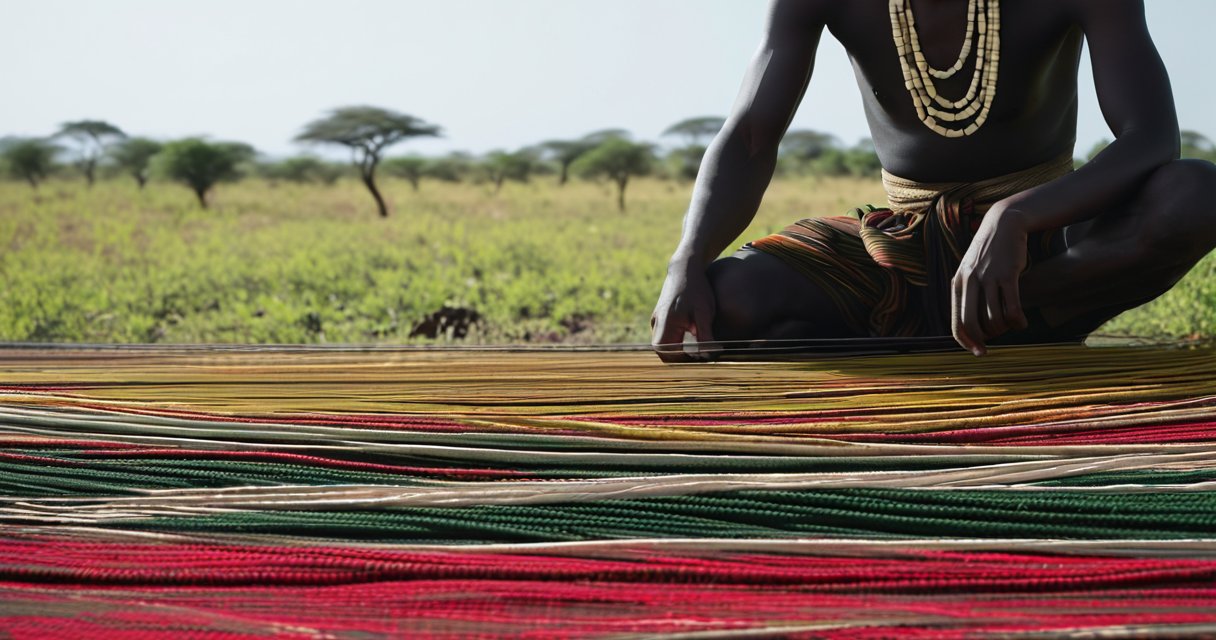
Africa is a sprawling continent brimming with cultural variety, which is beautifully showcased through its weaving techniques. In different areas, traditional African textile techniques have developed, mirroring the distinctive heritage, surroundings, and artistic values of each community. These local weaving traditions highlight not only craftsmanship but also profound cultural importance, rendering African arts a lively representation of the continent’s past and identity.
West Africa is well-known for its Kente cloth, especially among the Ashanti and Ewe communities in Ghana. The art of Kente weaving is distinguished by its vibrant, striking colours and complex geometric designs crafted on narrow strip looms. Each design and hue in Kente carries symbolic significance, frequently reflecting proverbs, historical moments, or social rank. This weaving method entails the interweaving of silk and cotton threads, demanding a high level of expertise to create smooth, precise fabric pieces that are subsequently stitched together to create larger garments.
Conversely, the Fulani community, spread throughout the Sahel region, employs a unique approach that utilises coarse cotton and natural dyes. Their fabrics frequently showcase vibrant stripes and checkerboard designs, crafted on horizontal frame looms that accommodate their nomadic way of life. The weaving techniques of the Fulani highlight both functionality and aesthetics, prioritising durability and transportability, which mirrors their pastoralist heritage.
In East Africa, the Kamba and Maasai communities engage in cotton weaving; however, their techniques are primarily oriented towards accessory items like belts or bag straps, blending weaving with beadwork. Their methods encompass both fibre preparation and decorative elements, rendering their crafts both practical and meaningful within their societies. The utilisation of locally sourced fibres and dyes results in unique motifs that differentiate East African textiles from those found in other regions.
In Southern Africa, the Zulu and Venda communities have honed weaving skills that heavily incorporate reed and grass, alongside conventional cotton. These methods are frequently employed to produce mats, baskets, and wall hangings, in addition to garments. The items crafted through these local weaving practices embody their surroundings, making use of materials found nearby to fashion objects that serve both practical purposes and ceremonial significance.
The range of weaving techniques across Africa allows the continent’s textile arts to stand out with an array of textures, patterns, and designs. The approach of each ethnic group serves not just as a craft but also as a narrative that maintains ancestral wisdom and identity. Together, these weaving methods form a vibrant tapestry of African craftsmanship, highlighting the continent’s lasting impact on the global textile narrative.
Kente Weaving from West Africa
Kente cloth stands as one of the most iconic and esteemed representations of Ghanaian weaving, symbolising the profound legacy of West African textiles. This striking fabric is traditionally made by the Ashanti and Ewe communities in Ghana, employing a detailed weaving technique that demands exceptional skill and accuracy. The weaving occurs on narrow strip looms, where fine silk or cotton threads are interlaced into elongated narrow strips, typically around four inches in width. These strips are subsequently stitched together to form larger fabric pieces.
The materials utilised in Kente weaving have changed throughout history. In the past, weavers relied on silk obtained from wild silkworms and cotton spun locally. Contemporary Kente frequently includes rayon and various synthetic fibres in addition to the traditional silk and cotton. The hues and designs in the threads hold profound symbolism, with each pattern representing important meanings associated with historical occurrences, proverbs, virtues, and royal heritage.
Kente cloth is of great cultural significance in Ghana and throughout West African societies. Historically, it was meant for royalty and significant events, representing status, identity, and spiritual beliefs. In contemporary times, Kente weaving is still a strong demonstration of cultural pride and has a lasting impact on global fashion and textiles. It transcends mere fabric; it serves as a visual narrative of history, social values, and West African craftsmanship, establishing it as a lasting symbol of traditional weaving.
Bogolanfini Mud Cloth from Mali
Bogolanfini, often referred to as mud cloth, is a unique textile from Mali renowned for its distinctive dyeing methods and cultural importance. This traditional material is crafted by talented artisans who weave cotton threads into narrow strips, which are subsequently stitched together to create larger fabric pieces. The weaving technique embodies centuries of skill and tradition, with the cotton typically being hand-spun and closely woven to yield a robust base cloth.
After the cloth has been woven, it is subjected to a detailed mud-dyeing technique that gives Bogolanfini its distinctive patterns. This dyeing process entails the application of fermented mud, abundant in iron, onto the fabric in symbolic designs that frequently reflect historical occurrences, social hierarchies, or proverbs from Malian culture. Prior to applying the mud, the cloth is first prepared with a natural dye derived from leaves, resulting in a yellowish or beige base colour. Craftsmen then utilise sticks or brushes to apply the mud onto the dried surface of the fabric.
Once the mud has dried and oxidised, it leaves a stain on the fabric, and any surplus mud is rinsed away, unveiling the final dark brown or black designs set against the lighter backdrop. This technique can be applied multiple times to enhance the hues and sharpen the pattern. The dyeing methods of Bogolanfini are appreciated not only for their visual appeal but also for their ties to Mali’s cultural heritage and the narratives woven into each textile item. Textiles from Mali such as these embody an essential connection to the traditional wisdom and artistic legacy that has been passed down through generations.
Ewe Weaving Traditions in Ghana and Togo
Ewe weaving is a notable art form intricately linked to the cultural legacy of Ghana and Togo. This West African weaving practice is celebrated for its detailed techniques and lively appearance, especially in the creation of striped fabrics that represent identity, status, and history within Ewe societies.
The journey starts with the crafting of cotton threads, which are typically spun by hand prior to being coloured using natural dyes sourced from nearby flora. The Ewe weavers utilise a horizontal loom, carefully weaving together warp and weft threads to produce fabric distinguished by bright stripes and intricate designs. Every piece of cloth represents a distinct manifestation of the weaver’s expertise and cultural heritage.
Symbolism plays a vital role in Ewe weaving, with diverse coloured stripes and patterns representing a range of ideas associated with social status, proverbs, and spiritual concepts. These striped fabrics are frequently used in important ceremonies like festivals, rites of passage, and weddings, strengthening community ties and preserving cultural heritage.
Ewe weaving transcends simple textile production to serve as a living archive of West African heritage, preserving techniques handed down through generations. This craft continues to draw global attention for both its visual complexity and its vital role in sustaining cultural identity across Ghana and Togo.
Contemporary Influence and Preservation Efforts
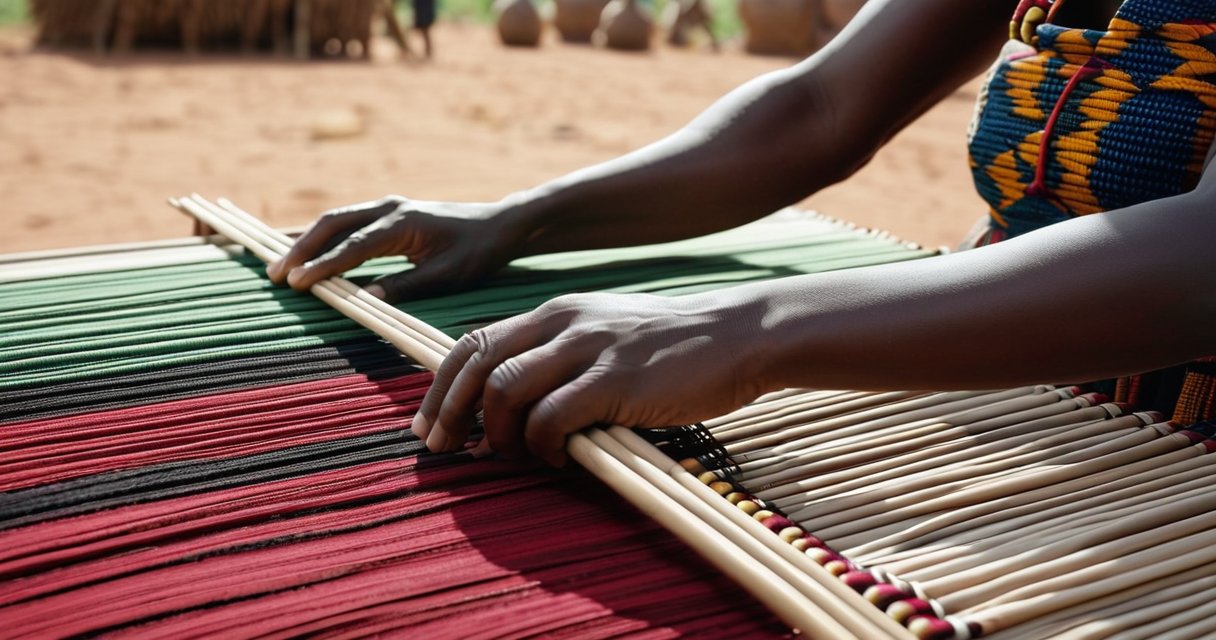
Traditional weaving practices throughout Africa have not only endured through the ages but have also gained fresh significance in today’s world. At present, there is an increasing initiative aimed at safeguarding traditions that span centuries, making certain that these distinctive textile crafts are handed down to future generations. African textile artists are vital to this endeavour, serving as both guardians and pioneers by blending time-honoured techniques with modern design sensibilities.
Modern weaving methods often draw inspiration from the intricate motifs, vivid colours and symbolic meanings of traditional African fabrics. Over time these elements have influenced contemporary fashion, with designers incorporating hand‑woven textiles into their collections as a tribute to the cultural heritage each piece carries. The blend of time‑honoured craft and modern design yields garments that are stylish yet steeped in cultural significance.
The safeguarding of traditional weaving is bolstered by craft revival programmes throughout the continent. Numerous organisations and community groups are dedicated to imparting weaving skills to younger individuals, nurturing a sense of pride and continuity. Workshops, exhibitions, and cultural festivals showcase the artistry inherent in weaving, aiding in the global promotion of awareness and appreciation. These initiatives play a significant role in economic empowerment, as weaving emerges as a sustainable livelihood for artisans while maintaining cultural identity.
Contemporary African textile artists are perpetually exploring innovative materials and techniques, all while staying true to the authenticity of age-old practices. This inventive mindset keeps the art form vibrant and attractive to both local and global audiences. Additionally, partnerships between traditional weavers and modern artists facilitate a connection between history and the present, fostering a resurgence of craftsmanship that respects heritage while welcoming new ideas.
In the end, the modern impact and conservation initiatives related to African weaving stand as a tribute to the strength and flexibility of these crafts. Thanks to the committed efforts of artists, communities, and cultural organisations, the vibrant weaving traditions persist, shaping fashion and art across the globe while safeguarding the heritage that renders them distinctly special.
Modern Adaptations and Fashion
Traditional weaving practices throughout Africa have significantly shaped the evolution of contemporary textiles, serving as a link between cultural heritage and modern design advancements. African fabrics, which were originally reserved for cultural and ceremonial uses, now occupy a central place in international fashion, renowned for their vivid patterns, luxurious textures, and meaningful symbolism. Designers globally are progressively inspired by these timeless weaving techniques to craft items that fuse genuine artistry with contemporary styles.
This blend is apparent in the fresh take on classic patterns through contemporary textiles, as designers weave striking colours and complex weaves into both haute couture and ready-to-wear lines. The impact of African fabrics in fashion goes beyond aesthetics; it highlights narratives woven into the fabric, fostering cultural appreciation and identity in worldwide markets. Additionally, advancements in textile manufacturing enable the creation of more sustainable and resilient materials, guaranteeing that these traditional designs continue to hold significance in the changing fashion environment.
Modern fashion brands and independent creators partner with talented African weavers to safeguard these artisanal methods while offering new viewpoints that appeal to today’s consumers. Consequently, African textiles have transitioned from regional markets to global catwalks, sparking a revived enthusiasm for handcrafted, ethically sourced fashion pieces. These contemporary reinterpretations showcase the evolution of weaving traditions, impacting not just textile design but also larger discussions surrounding cultural legacy and creativity within the fashion sector.
Initiatives for Cultural Preservation
Throughout Africa, an increasing array of community-driven and global initiatives is focused on preserving traditional weaving techniques. These undertakings seek to protect age-old practices while simultaneously boosting local economies by offering sustainable income through weaving workshops. These workshops frequently fulfil two roles—they educate younger generations in the detailed skills of weaving and foster a deeper understanding of the cultural importance woven into these patterns.
Numerous heritage initiatives launched by governments, NGOs, and cultural organisations have played a crucial role in bolstering networks for traditional crafts. These initiatives offer resources, training, and opportunities for artisans to showcase and market their creations, helping to keep weaving a lively and esteemed art form. By promoting interactions between local communities and global experts, these efforts encourage innovation that honours tradition while evolving to meet modern market demands.
Additionally, weaving workshops often partner with cultural centres and museums to provide public exhibitions and educational initiatives that highlight the significance of weaving as a fundamental aspect of cultural identity. This holistic strategy reinforces the social cohesion of communities, bolstering their pride and the continuity of their heritage. Through these collaborative efforts, traditional African weaving methods persist, connecting the past with the future and safeguarding this valued cultural legacy for future generations.

I’m fascinated by the vibrant intersection of contemporary fashion and traditional African craftsmanship. I spend my free time exploring markets, learning about textile techniques, and sharing the stories behind each piece with our readers.