
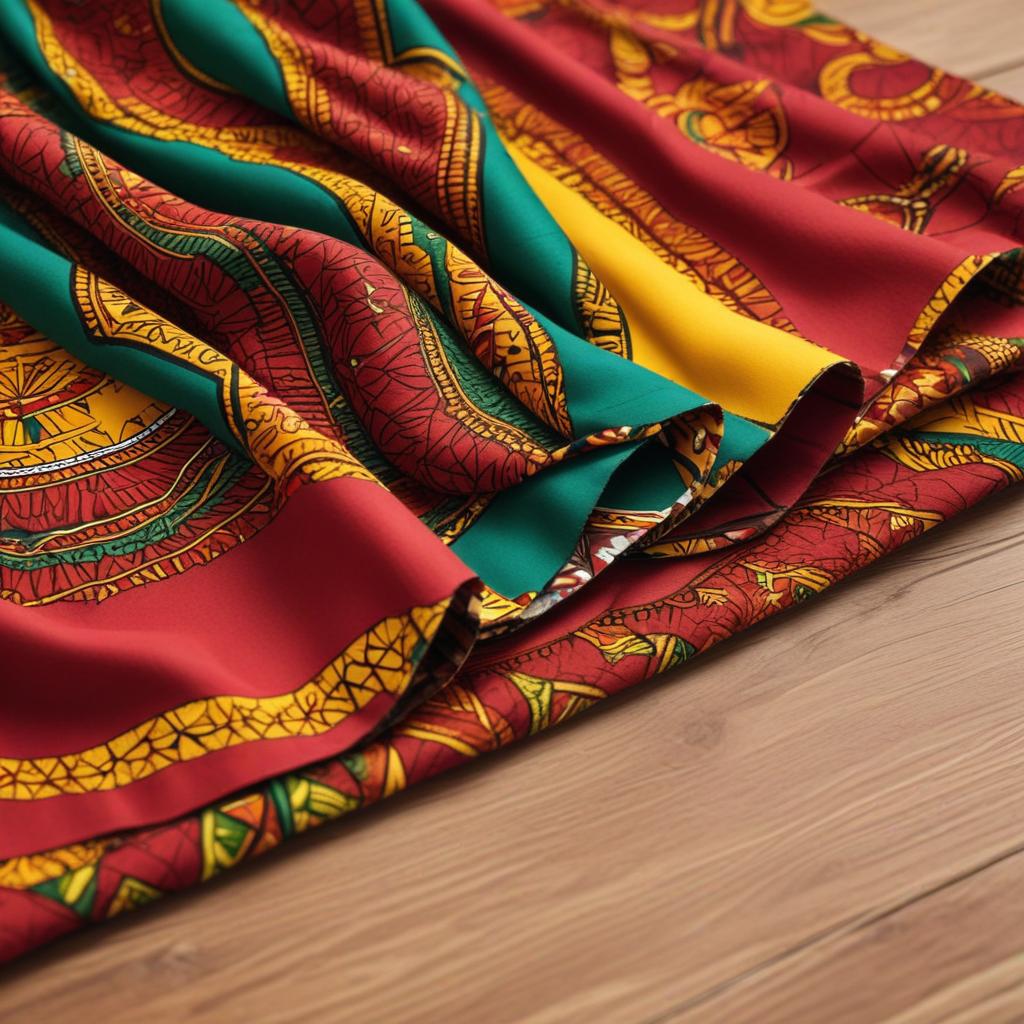
Understanding African Prints and Their Cultural Significance
African prints, often recognized by their vibrant colours and bold patterns, are more than just beautiful textiles; they embody a rich history and deep cultural significance. These traditional fabrics, commonly referred to as wax prints, have roots that trace back to the 19th century when Dutch wax-resist dyeing techniques were adapted and embraced in West Africa. Over time, African communities infused these techniques with their unique aesthetics and storytelling traditions, creating fabrics that reflect diverse cultural narratives.
Wax prints are among the most popular types of African prints, celebrated for their bright colours and intricate designs. Each pattern can carry symbolic meanings, often connected to proverbs, historical events, or social status. For example, certain motifs might represent fertility, wealth, or unity, making the fabric not only a fashion statement but also a communicating tool within communities. The dynamic interplay of colour and pattern in these prints serves to express identity, heritage, and pride.
Besides wax prints, Africa is home to a variety of other traditional fabrics, including kente cloth from Ghana and bogolanfini (mud cloth) from Mali. Each type of fabric has its own unique production methods and cultural background, contributing to the continent’s rich textile heritage. The use of these fabrics in everyday outfits connects wearers to their ancestors and preserves cultural memories through fashion.
The cultural significance of African prints extends beyond individual countries and tribes; it has become a unifying symbol across the continent and the diaspora. Wearing African prints is often an act of cultural empowerment and a celebration of African roots, making these textiles a meaningful choice for everyday clothing. Their vibrant colours and striking patterns not only catch the eye but also tell stories that have been passed down through generations, blending tradition with contemporary style.
Different Types of African Prints
African prints are rich in history and cultural significance, with each type showcasing unique patterns and techniques. Among the most popular is Ankara, known for its vibrant and colorful wax-printed fabric. Ankara often features bold geometric and floral designs, making it a versatile choice for everyday outfits that demand a striking look.
Kente is another iconic fabric, originally from Ghana. It is woven in silk and cotton and consists of intricate, multicolored patterns that often carry symbolic meanings. Kente cloth is characterized by its bright, contrasting colors arranged in long strips, making it easily identifiable and perfect for adding a regal touch to casual wear.
The Bogolan, or mud cloth, originates from Mali and is distinguished by its earthy tones and hand-painted patterns. Traditionally made using fermented mud, Bogolan fabrics highlight geometric shapes and symbols that communicate stories or proverbs, delivering a natural and authentic aesthetic for everyday styling.
Adire, a fabric dyeing technique from Nigeria, features indigo blue hues with unique resist-dyed patterns. Created using methods like tying, stitching, or stenciling, Adire print fabrics are celebrated for their distinctive organic designs including dots, lines, and waves, lending an artistic yet laid-back vibe to daily wear.
Cultural Roots and Meaning Behind Patterns
African prints are rich in symbolism, each pattern carrying deep cultural heritage and traditional meanings passed down through generations. These motifs often tell stories rooted in the history, beliefs, and values of various African communities. For instance, the Adinkra symbols from Ghana convey philosophical concepts such as wisdom, unity, and strength, making each print not only a visual delight but a meaningful expression of identity.
Many African motifs represent elements of nature, spirituality, and social status. Patterns inspired by animals, plants, and celestial bodies are common, embodying respect for the environment and the interconnectedness of life. These designs serve as cultural markers that remind wearers and observers of their heritage and the collective wisdom of their ancestors.
Wearing African prints with their distinctive symbolism allows people to celebrate and honor their roots while sharing stories embedded in the fabric. Understanding these traditional meanings enhances appreciation of the garments beyond aesthetics, revealing the deep cultural narratives woven into everyday outfits. Thus, styling African prints is not just about fashion, but about embracing and preserving an enduring legacy.
Incorporating African Prints into Everyday Outfits
Incorporating African prints into everyday wear is a fantastic way to showcase vibrant culture while staying stylish and comfortable. When styling African prints for casual and daily looks, the key is to balance bold patterns with simple, neutral pieces to keep the outfit practical and wearable.
Start with classic staples like African print skirts or pants paired with plain tops in solid colors. Neutral shades such as white, black, beige, or denim create the perfect canvas to let the prints stand out, while keeping your outfit grounded in everyday wear. This creates an effortless balance that works well from running errands to casual meet-ups.
For a more relaxed vibe, try an African print T-shirt or button-down shirt coupled with jeans or shorts. This combination offers a breezy and approachable look, perfect for warm weather or weekend outings. Accessorize with minimalistic jewelry and comfortable sneakers or sandals to enhance the casual aura.
Layering is also a great styling tip for integrating African prints into your outfit. A printed blazer or jacket over a simple outfit creates an instant fashion statement without overwhelming your look. You can mix and match prints with neutral trousers or skirts, adding dimension to everyday wear while maintaining a polished appearance.
Accessorizing with African print scarves, headwraps, or bags is an easy way to introduce color and pattern without overdoing it. These smaller pieces can elevate a plain outfit, making the styling process fun and versatile. Pairing these accessories with monochrome outfits creates a chic and effortless style ideal for daily wear.
When it comes to shoes, stick to classic styles in neutral tones to allow your African prints outfit to shine. Loafers, flats, and ankle boots work exceptionally well with print-heavy pieces and fit seamlessly into everyday wear. For a sporty twist, you can also pair prints with clean, white sneakers.
Ultimately, the best fashion ideas for styling African prints revolve around confidence and comfort. Embrace the vibrant colors and unique patterns by mixing prints cautiously and pairing them with familiar, easy-to-wear items. This approach makes African prints not only a statement of culture but a functional part of your everyday wardrobe.
Pairing African Prints with Neutral Colours
Combining African print pieces with neutral colours is a brilliant way to create stylish, balanced outfits that highlight the vibrant patterns without overwhelming the overall look. Neutral tones such as beige, white, black, grey, and soft browns act as a perfect backdrop, allowing the bold prints to stand out while maintaining an elegant sense of fashion balance.
When wearing prints, consider using neutral colours in your accessories, shoes, or layering pieces. For instance, pairing a vividly patterned African print top with neutral-coloured pants or skirts helps ground the outfit and prevents it from looking too busy. Similarly, a neutral blazer or jacket worn over an African print dress can add sophistication and a modern edge to your style pairing.
Another way to master the art of fashion balance is to select neutral items with clean lines and simple textures. This approach complements the complexity of African prints while keeping the outfit cohesive. Whether it’s a classic white shirt, camel trench coat, or black sandals, neutral colours provide versatility and effortless style when combined with eye-catching prints.
Ultimately, the key to successfully wearing prints lies in striking a balance between pattern and plain. By deliberately integrating neutral colours into your ensembles, you honor the richness of African prints while creating looks that are both wearable and chic for everyday fashion.
Mixing Prints and Patterns Confidently
Mastering print mixing with African prints is all about balance and confidence. Start by choosing one bold African print as your statement piece, then pair it with subtler patterns to avoid overwhelming your look. For example, if you have a vivid geometric African print top, try combining it with delicate stripes or small polka dots in complementary colors. This mix and match approach allows each pattern to shine without clashing.
When incorporating different patterns, keep a consistent color palette in mind. Limiting your prints to a similar color family helps create cohesion, preventing the outfit from feeling chaotic. Bold fashion thrives on daring combinations, yet moderation is key — don’t overcrowd your outfit with too many competing prints. Instead, alternate between large and smaller scale patterns to create visual interest and a harmonious balance.
Accessorizing smartly can also help manage a pattern clash. Choose accessories in solid colors drawn from your prints to anchor the look. Confidence is the final ingredient — wear your prints boldly and own your style. Print mixing with African patterns showcases your creativity and cultural flair, making everyday outfits unforgettable without ever appearing overdone.
Accessorising African Print Outfits
When styling African prints, the key to perfect accessorising lies in choosing fashion accessories that enhance your look without overwhelming the vibrant patterns. Opt for statement pieces that complement the colors and designs of your outfit rather than competing with them. For bags, consider solid-colored options in neutral or coordinating tones which provide a balanced contrast and keep the focus on the prints.
Shoes should follow the same principle—select styles that harmonize with the outfit’s palette. Simple sandals, classic pumps, or understated loafers can work beautifully, allowing the African prints to remain the star. Avoid overly embellished footwear as it can clash with the intricate patterns.
Jewellery is another fantastic way to accentuate your African print ensemble. Opt for elegant pieces that add flair without distraction, such as chunky bangles, minimalist necklaces, or bold earrings crafted from natural materials like wood or beads. These pieces can highlight the cultural essence of the prints while complementing your overall look.
Ultimately, the best approach to accessorising African print outfits is to maintain a thoughtful balance—letting your fashion accessories and statement pieces reinforce your style, enhance the vibrant prints, and create a polished, cohesive appearance that turns heads.
Maintaining and Caring for African Print Clothing
African print fabrics are cherished for their vibrant colors and bold designs, making them a standout choice for everyday outfits. To keep these beautiful fabrics looking their best, proper clothing care and fabric maintenance are essential. With the right washing tips and print preservation techniques, you can ensure your African print clothing remains vibrant and long-lasting.
First and foremost, always check the care label on your African print garment before washing. Most African print fabrics are made from cotton, which requires gentle treatment. To maintain the fabric’s vibrancy, it is recommended to wash your clothing inside out to protect the patterns from being washed away or fading. Use cold or lukewarm water rather than hot water, as heat can cause colors to bleed and the fabric to shrink.
When choosing detergents, opt for mild, color-safe detergents that do not contain bleach or harsh chemicals. These can break down the fabric fibers and cause the prints to dull over time. Avoid fabric softeners, as they can coat the fabric and diminish the brightness of the prints.
Hand washing is often the safest cleaning method for African print clothing. If you prefer machine washing, use a gentle cycle and place the garment in a mesh laundry bag to minimize friction and prevent damage. Never overload the washing machine, as this can cause excessive wrinkling and fabric stress.
For drying, avoid direct sunlight, which can bleach the colors. Instead, air dry your clothing in a shaded, well-ventilated area. Avoid using a tumble dryer as the heat can not only fade colors but also shrink the fabric. If ironing is needed, turn the garment inside out and use a medium heat setting to avoid scorching or dulling the fabric.
Proper storage is also important for fabric maintenance. Store your African print clothing in a cool, dry place away from direct sunlight and moisture. Use padded hangers to prevent stretching, or fold garments to avoid distortion of the prints. Adding natural repellents like lavender sachets can protect the fabric from pests without damaging the clothing.
By following these clothing care tips—gentle washing, careful drying, and mindful storage—you can preserve the stunning vibrancy of your African print fabrics and ensure their longevity. This way, your unique and eye-catching outfits will continue to brighten your everyday wardrobe for years to come.
Washing and Drying Best Practices
Proper washing tips are essential to maintain the vibrant colours and integrity of African print fabrics. To ensure fabric care and colour retention, always wash your African prints separately in cold water. Using cold water helps prevent dyes from bleeding and fading, which is crucial for preserving the bold and beautiful patterns.
When choosing detergents, opt for mild, color-safe options free from bleach or harsh chemicals that could damage the fabric. It’s best to hand wash these pieces gently rather than using a washing machine, which can be too rough and cause wear and tear. If using a machine, select a delicate or gentle cycle to minimize agitation.
After washing, avoid wringing out the fabric as this can distort the shape and damage the fibers. Instead, press out water gently or roll the garment in a clean towel to absorb excess moisture. For drying methods, always air dry African prints away from direct sunlight, which can cause colours to fade over time. Hanging them in a shaded, well-ventilated area is ideal.
By following these washing tips and drying methods, you can ensure your African print garments remain vibrant and intact for years to come, maintaining their unique cultural beauty and charm with every wear.
Storage and Handling Advice
To keep your African print clothes looking vibrant and fresh, proper storage and handling are essential. Start by folding the garments carefully to avoid unnecessary creasing, which can damage the fabric over time. Use acid-free tissue paper between folds to further prevent creases and maintain the fabric’s shape. Avoid hanging heavy African print pieces for long periods as this can stretch the fabric and distort the pattern.
Storage tips include keeping your garments in a cool, dry place away from direct sunlight, as prolonged exposure can cause fading. Use breathable cotton garment bags instead of plastic covers to allow air circulation and prevent moisture buildup, which can lead to mildew. Regularly check on your stored fabrics to ensure they remain in good condition and address any issues promptly.
When handling your African print clothes, always ensure your hands are clean and free of lotions or oils that might stain the fabric. For long-term care, consider dry cleaning the garments sparingly and only when necessary, following care labels carefully. By combining these storage tips and careful handling practices, you can preserve the beauty and longevity of your African prints for years to come.

I’m fascinated by the vibrant intersection of contemporary fashion and traditional African craftsmanship. I spend my free time exploring markets, learning about textile techniques, and sharing the stories behind each piece with our readers.