
Introduction to Iconic African Prints
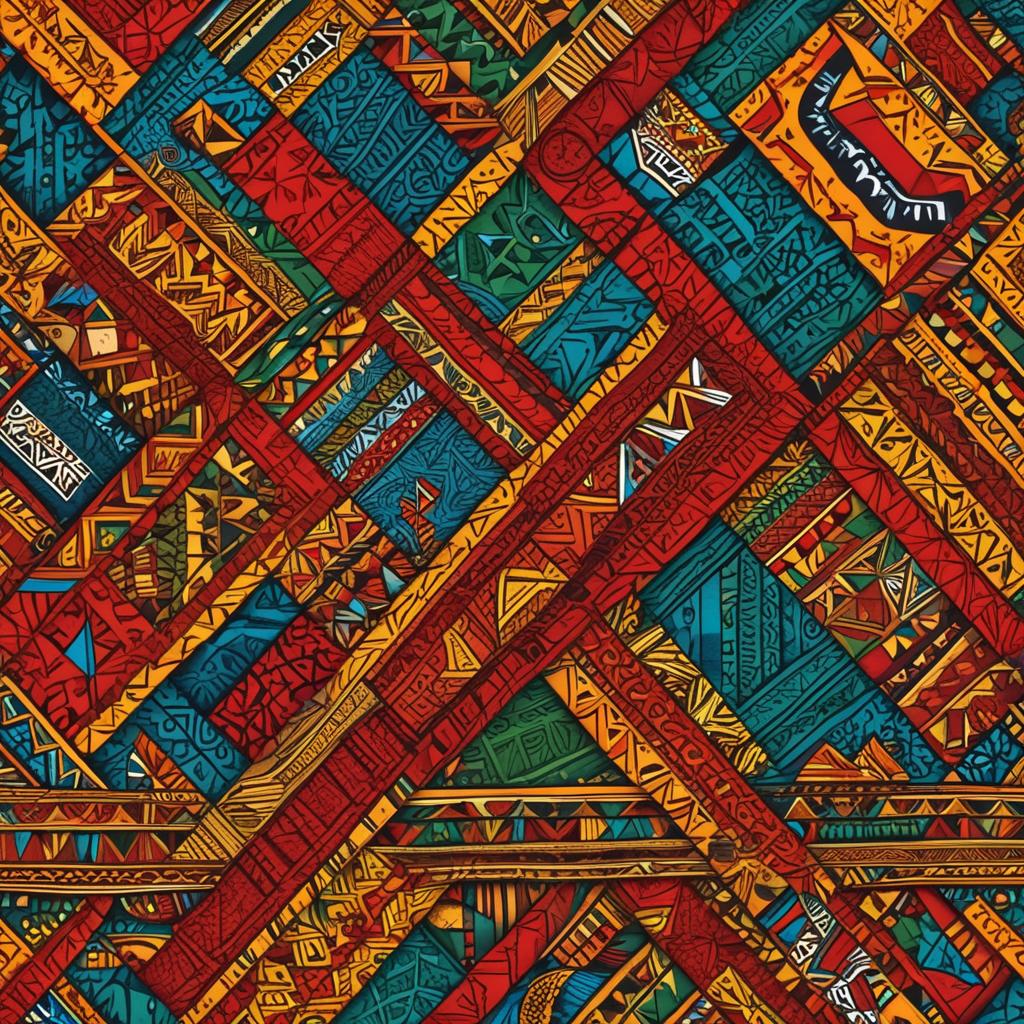
African prints, commonly known as traditional fabrics, represent much more than vibrant colours and intricate patterns. These textiles are an important vehicle for cultural expression, deeply connected to the history and identity of various African communities. From the bustling markets of West Africa to the artisan studios in East Africa, these prints tell stories of heritage, social status, and significant historical events, ensuring that the incorporation of textiles into fashion and everyday life remains a crucial cultural phenomenon.
The significance of African prints lies in their unique ability to capture the spirit and identity of both the makers and the wearers. The choice of colours and patterns is intentional, often symbolising proverbs, cultural values, or significant life milestones. For instance, certain prints may be worn during celebrations, ceremonies, or rites of passage, reinforcing bonds within families and communities. This cultural importance has been passed down through generations, ensuring that traditional fabrics remain a lively part of African culture.
Moreover, African prints have transcended their original contexts to gain global recognition and appreciation. Designers and creatives around the world draw inspiration from these iconic textiles, incorporating them into contemporary fashion while honouring their origins. This global interest has played a significant role in maintaining traditional techniques and has introduced new audiences to the rich heritage embodied by these prints.
At present, African prints are highly valued by numerous individuals, both within the continent and overseas. Their enduring appeal mirrors the way these textiles embody a deep cultural heritage that spans across time and space. Whether worn as clothing, used in interior design, or celebrated in artistic forms, these traditional fabrics serve as a potent symbol of Africa’s diverse and vibrant history, solidifying their role as important representations of cultural pride and identity.
Popular African Prints and Their Origins
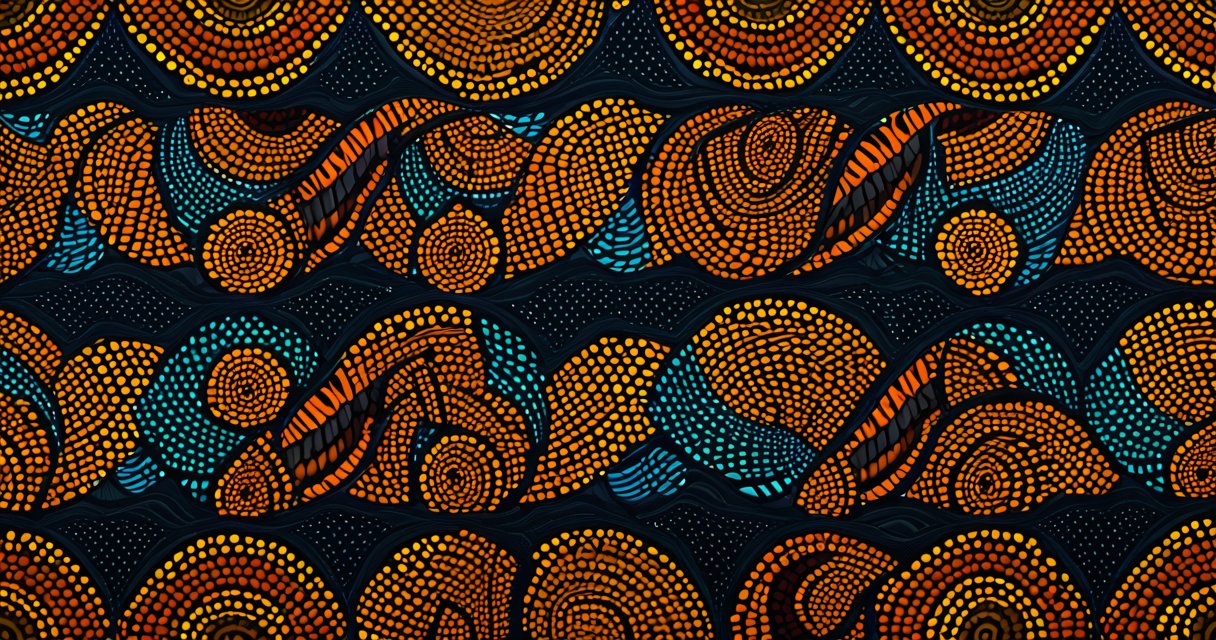
African prints are not only visually stunning and appealing but also carry deep historical and cultural importance. Notable textiles such as kente cloth, ankara fabric, and mud cloth each tell distinct stories that highlight the continent’s rich diversity and heritage.
Kente cloth is celebrated as one of the most unique textiles from Africa, originating from the Ashanti people in Ghana. Typically made from silk and cotton, kente cloth features an array of intricate, vivid patterns that express specific meanings tied to proverbs, significant historical events, or moral values. Historically, kente was reserved for royalty and important occasions, symbolising wealth, status, and cultural identity. The weaving technique itself is a careful art form that has been passed down through generations, maintaining its significance within West African culture.
Ankara fabric, commonly known as African wax print fabric, has a fascinating history that intertwines African creativity with European industrial influence. The bold and vibrant designs take cues from traditional African motifs, while the technique for producing wax-resist fabric was introduced by Dutch traders in the 19th century. Over the years, Ankara has been adopted and adapted across West Africa, transforming into a symbol of modern African identity and fashion. Its versatility makes it suitable for both everyday wear and important celebrations, reinforcing its reputation as one of the continent’s most desirable textiles.
Mud cloth, referred to as bogolanfini, comes from the Bamana people in Mali, West Africa. Unlike kente and ankara, this textile is hand-dyed using fermented mud, giving it its unique earthy tones and designs. Each symbol and pattern in mud cloth tells a story or holds cultural significance, often linked to status, historical events, or social roles. Traditionally, mud cloth was worn during important ceremonies and has recently gained international recognition for its distinct beauty and cultural relevance.
These celebrated African fabrics—kente, ankara, and mud cloth—embody the continent’s rich heritage in textiles. The stories behind their creation highlight unique geographical ties and showcase how African communities have expressed their identity, history, and artistry through fabric. Today, these patterns continue to inspire global fashion and are treasured symbols of African culture.
Kente Cloth from Ghana
Kente cloth is renowned as one of Ghana’s most iconic textiles, distinguished by its bright colours and intricate patterns. Originating in the 17th century from the Ashanti Kingdom, kente is steeped in a rich history that is deeply connected to Ghanaian heritage. Traditionally, it was worn exclusively by royalty and important individuals at formal occasions, symbolising prestige, cultural heritage, and social status.
The process of making kente cloth is highly detailed, using narrow looms on which strips of silk or cotton are interlaced. Talented craftsmen weave together bright threads through a complex technique that results in geometric designs and striking colour pairings. Each strip is carefully sewn together to form a larger textile piece, which can be turned into garments or used as draped fabric. This meticulous artistry represents the skill and artistry that has been passed down across numerous generations of weavers in Ghana.
Symbolism is vital to the cultural significance of kente cloth. Each pattern, colour, and design carries specific meanings—such as wisdom, creativity, unity, or spirituality—communicated through the fabric’s visual expression. For instance, gold often signifies wealth and royalty, while black denotes maturity and spiritual resilience. Beyond its aesthetic appeal, kente stands as a vibrant testament to Ghana’s heritage, identity, and shared values, celebrated both at home and abroad as a powerful symbol of African pride.
Ankara Fabric from West Africa
Ankara, commonly known as wax print, is a notable cotton fabric that holds a distinctive place in West African fashion. Originating in the 19th century, its history is intricately tied to the trade routes that linked Europe, Asia, and Africa. The fabric’s distinctive patterns were initially inspired by Indonesian batik techniques, which were then altered and embraced in West Africa to reflect regional symbols and stories. Over the years, Ankara has evolved from an imported textile to a symbol of African identity and pride.
The creation of Ankara fabric is a vibrant and intricate process. It involves a wax-resist dyeing method, where wax is applied to cotton to create patterns that resist dye when the fabric is submerged. Multiple rounds of waxing and dyeing produce eye-catching, vivid designs. This craftsmanship ensures that each piece of Ankara fabric is unique, featuring patterns that range from geometric shapes to designs inspired by nature and cultural heritage. The cotton is valued not only for its breathability but also for its durability, making it ideal for both everyday wear and special occasions.
In countries across West Africa such as Nigeria, Ghana, and Côte d’Ivoire, Ankara fabric goes beyond being just a textile; it embodies a cultural identity. Often worn at events, celebrations, and incorporated into everyday attire, it reflects unity and a shared heritage. Contemporary fashion designers have embraced Ankara, fusing traditional elements with cutting-edge designs. This fabric continues to be a vibrant expression of West African fashion, connecting historical narratives with modern aesthetics through its striking colours and rich stories.
Mud Cloth (Bogolanfini) from Mali
Mud cloth, known locally as Bogolanfini, is a distinctive handcrafted fabric originating from Mali in West Africa. This traditional textile holds significant cultural value within Malian heritage and is celebrated for its intricate patterns and meaningful symbolism. The craft of making Mud Cloth has been passed down through generations, serving both practical and ceremonial purposes in Malian communities.
The origins of Bogolanfini date back hundreds of years, rooted in the Bambara community that perfected the craft of dyeing using natural materials found locally. What sets this Malian textile apart is its elaborate dyeing technique, which involves fermenting mud to create the natural pigments that yield the characteristic dark patterns. Artisans carefully apply the fermented mud along with plant dyes to the fabric, resulting in a durable and textured cloth. Each phase of the dyeing process is attentively controlled to ensure that the symbols and motifs stand out clearly and retain their significance.
Alongside its aesthetic appeal, Mud Cloth is deeply intertwined with the cultural heritage of Mali. The designs and motifs skillfully woven into the fabric often narrate tales, represent historical events, or signify social status. Traditionally, it was worn to commemorate important life events such as initiation rites, weddings, or periods of mourning. Even today, Bogolanfini remains a strong symbol of identity and pride in Mali, reflecting the rich history of Malian textiles and their enduring artistic legacy.
Modern Influence and Global Popularity
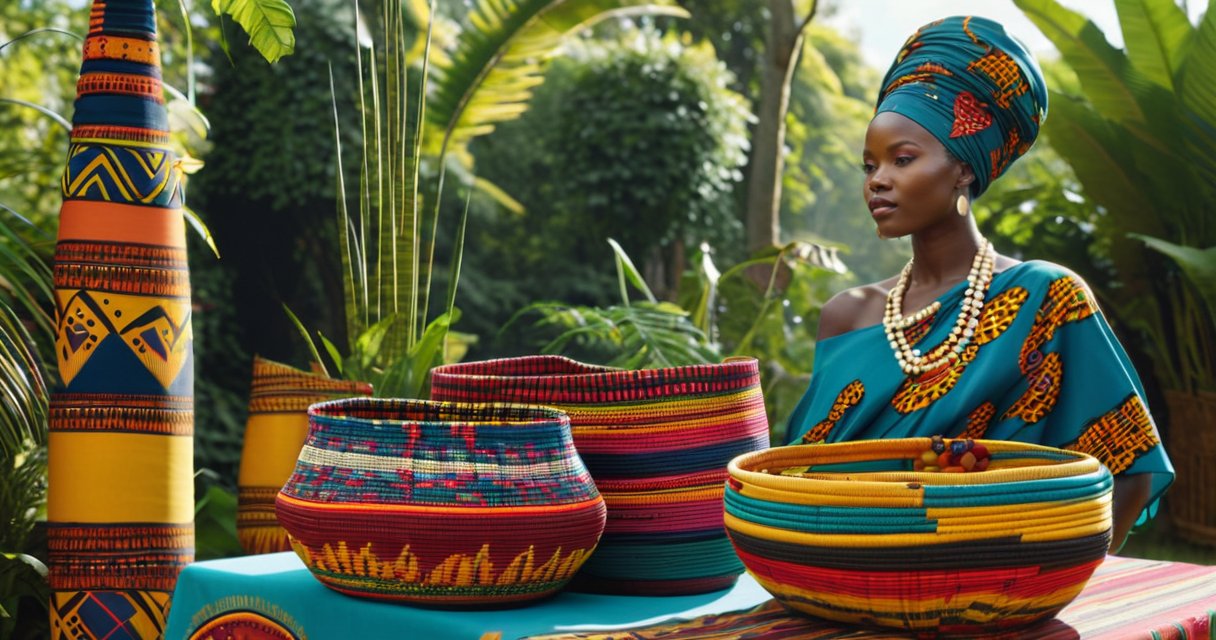
Iconic African prints have certainly shaped contemporary fashion, evolving from their traditional roots to become central to global trends. These vibrant and significant fabrics have inspired designers worldwide, ushering in a new phase of modern use that respects cultural heritage while embracing innovation. Nowadays, African prints in fashion reach far beyond the continent, making a substantial mark on international catwalks, streetwear, and luxury brands.
The global fascination with African prints stems from their eye-catching patterns and vivid hues, which offer a unique aesthetic allure. Designers worldwide have incorporated these traditional designs into their modern works, resulting in a seamless blend of styles that honours the origins of the prints while aligning with contemporary tastes. This fusion has played a significant role in elevating African textile art from mere fabric to a representation of cultural appreciation and identity in the fashion industry.
Notable fashion labels and designers like Stella Jean, Duro Olowu, and Loza Maléombho have adopted African prints by weaving them into their luxury collections. Their initiatives illustrate how these fabrics can be creatively transformed each season, highlighting the versatility and enduring appeal of African prints in the fashion realm. Additionally, collaborations between Western designers and African artisans have led to authentic pieces that foster economic empowerment and cultural dialogue, encouraging the international fashion industry to recognise the importance of these prints.
The present use of African prints goes beyond simple visual appeal, exploring narratives of identity and storytelling. Contemporary designers often employ these fabrics to convey stories of cultural heritage, strength, and pride, resonating with diverse audiences worldwide. Additionally, the rising demand for sustainable and ethically produced fashion complements traditional African textile methods, which are often handmade and environmentally conscious, supporting the progression of African prints in global markets.
With African print fashion continuing to shape global trends, it nurtures a richer cultural appreciation that goes beyond simple novelty. It encourages a deeper exploration of the history and significance embedded in each design, promoting respect and understanding across various cultures. Ultimately, the modern influence of African prints signifies an important movement where tradition meets innovation, celebrating Africa’s contribution to the future of fashion on a worldwide scale.
African Prints in Contemporary Fashion
In recent years, African prints have surged in popularity, capturing the attention of fashion designers across the globe who recognise the rich heritage and vibrant aesthetics these textiles present. Notable designers such as Stella Jean, Duro Olowu, and Lisa Folawiyo have been instrumental in integrating traditional African fabrics into contemporary styles, highlighting a seamless blend of heritage and modern elegance. This fusion resonates deeply within the fashion world, where contemporary African textiles are appreciated not only for their visual charm but also for their cultural significance.
Prominent fashion brands and runway trends have embraced African prints, making them crucial components in seasonal collections and global fashion events. This acknowledgment is nurturing a deeper respect for the craftsmanship and artistry found in every fabric. Labels like Ankara and Vlisco have been instrumental by collaborating with designers to create distinctive textiles that align with worldwide fashion tastes while preserving their authentic African roots.
The incorporation of African motifs in contemporary fashion serves as a powerful representation of identity and creativity. Designers utilise these motifs to challenge norms and push boundaries, making African-inspired pieces not only stylish but also influential in shaping future runway trends. This movement highlights the dynamic role of modern African textiles in the global fashion arena, showcasing how cultural heritage can inspire innovative ideas in an ever-evolving industry.
Cultural Appreciation vs Appropriation
The use of African prints in fashion has experienced a remarkable surge in worldwide popularity, leading to an important dialogue about cultural appreciation versus appropriation. Cultural appreciation reflects a genuine respect and understanding of the origins, significance, and value of these vibrant designs. It pays tribute to the rich heritage and artistry of African cultures, striving to honour it ethically. In contrast, cultural appropriation occurs when these prints are used superficially or without acknowledgment, often stripping them of their context and reducing them to mere aesthetic fads.
Fashion ethics play a crucial role in distinguishing between respectful adoption and appropriation. This means that designers, brands, and consumers need to actively engage in understanding the history and importance of African prints. Respectful adoption goes beyond simply donning the fabric; it requires recognising the source communities, backing authentic African artisans, and avoiding stereotypes or distortions. Approaching African prints with a mindset of cultural appreciation promotes inclusivity, honours traditions, and cultivates a meaningful relationship with the heritage that shapes the designs.
Ultimately, valuing African prints with intention and respect enriches the global fashion landscape while celebrating the cultures they originate from. By understanding the difference between cultural appreciation and appropriation, fashion enthusiasts can make conscious choices that respect diversity without exploitation. This balance ensures that African prints retain their significance, embodying pride, heritage, and creativity, rather than losing their value through careless use.

I’m fascinated by the vibrant intersection of contemporary fashion and traditional African craftsmanship. I spend my free time exploring markets, learning about textile techniques, and sharing the stories behind each piece with our readers.