Introduction to Traditional Dyeing Methods
Traditional dyeing methods have a rich history that dates back thousands of years, serving as a fundamental practice in many cultures worldwide. These methods primarily involve the use of natural dyes derived from plants, minerals, and sometimes insects. Traditional dyeing is not only an art form but also a vital part of cultural heritage, reflecting the unique identity and customs of different communities.
The cultural significance of traditional dyeing is immense. In many societies, dyed textiles are used in ceremonies, rituals, and as symbols of status and identity. The knowledge of dyeing techniques has been passed down through generations, often involving intricate processes that require skill and patience. These methods connect people to their environment, utilizing locally available natural resources to produce vibrant and lasting colors.
Natural dye techniques vary widely around the world but share common principles. One of the most famous natural dyes is indigo, known for its deep blue hues. Indigo dyeing involves fermenting the leaves of the indigo plant, a method practiced notably in Asia, Africa, and the Americas. Another natural dye technique uses madder root, which produces rich reds, while turmeric and saffron provide bright yellows.
Other traditional methods include cochineal dyeing, which comes from crushed insects and yields vivid reds, and oak galls combined with iron salts to create blacks and greys. Dyeing often requires mordants – substances that fix the dye to the fabric – such as alum or tannins derived from tree bark or nuts. These techniques demonstrate the sophisticated understanding ancient cultures had of chemistry and natural materials.
Overall, traditional dyeing methods continue to be valued not only for their aesthetic qualities but also for their sustainable and eco-friendly approach to textile colouring. They remind us of the importance of preserving these ancient techniques, which hold both artistic and environmental significance in today’s modern world.
Overview of Indigo Dye
Indigo dye is a distinctive plant-based dye known for its deep blue color. Traditionally, it is derived from the leaves of various indigo-producing plants, the most notable being Indigofera tinctoria. This natural indigo dye has been used for centuries across different cultures, valued for its vibrant hue and colorfast qualities.
Natural indigo is unique compared to other dyes because it requires a fermentation process to become soluble and bind to fibers effectively. This process transforms the indigo leaves into a blue dye that can penetrate textiles deeply. The dyeing technique often involves dipping the fabric multiple times to achieve the desired intensity of blue.
Historically, indigo dye has held great importance in textile dyeing worldwide. It was a highly prized commodity in trade routes, symbolizing wealth and status in many societies. Its durability and ease of use on cotton and wool made it a preferred dye in traditional crafts, contributing significantly to the cultural heritage of numerous regions, from Africa and Asia to the Americas.
Today, indigo dye continues to be valued not only for its rich color but also for its natural, eco-friendly origins. The use of natural indigo offers an alternative to synthetic dyes, preserving traditional dyeing methods and supporting sustainable textiles.
Other Common Traditional Dyes
In addition to indigo, several other traditional natural dyes have been widely used across different cultures. Madder root, for example, is a vibrant red dye that has been employed for centuries, particularly in Europe and Asia. It produces a range of warm hues from pink to deep red, depending on the mordant and dyeing process. Cochineal, derived from insects native to Central and South America, is another notable red dye renowned for its brightness and intensity. The vibrant scarlet tones of cochineal have been prized in textile dyeing and art since pre-Columbian times.
Turmeric dye, extracted from the turmeric root, is famous for its bright yellow color and has a long history in South Asia. Beyond its culinary uses, turmeric dye has been utilised in fabric dyeing, providing a cheerful and warm tint that is often associated with traditional garments and ceremonial fabrics. Compared to indigo’s deep blue shades, these dyes offer a diverse palette of color options that complement natural fibre textiles beautifully.
While indigo remains unique for its rich blues and dyeing properties, madder root, cochineal, and turmeric dye exemplify the rich heritage of natural dyeing methods worldwide, showcasing how weathered traditions continue to inspire modern dyeing techniques.
The Indigo Dyeing Process
The indigo dyeing process is a fascinating traditional technique that involves vat dyeing and fermentation. This time-honored method transforms ordinary fabric into vibrant blue textiles through a carefully controlled series of steps. Below is a detailed outline of the step-by-step process of dyeing fabric with indigo using these traditional techniques.
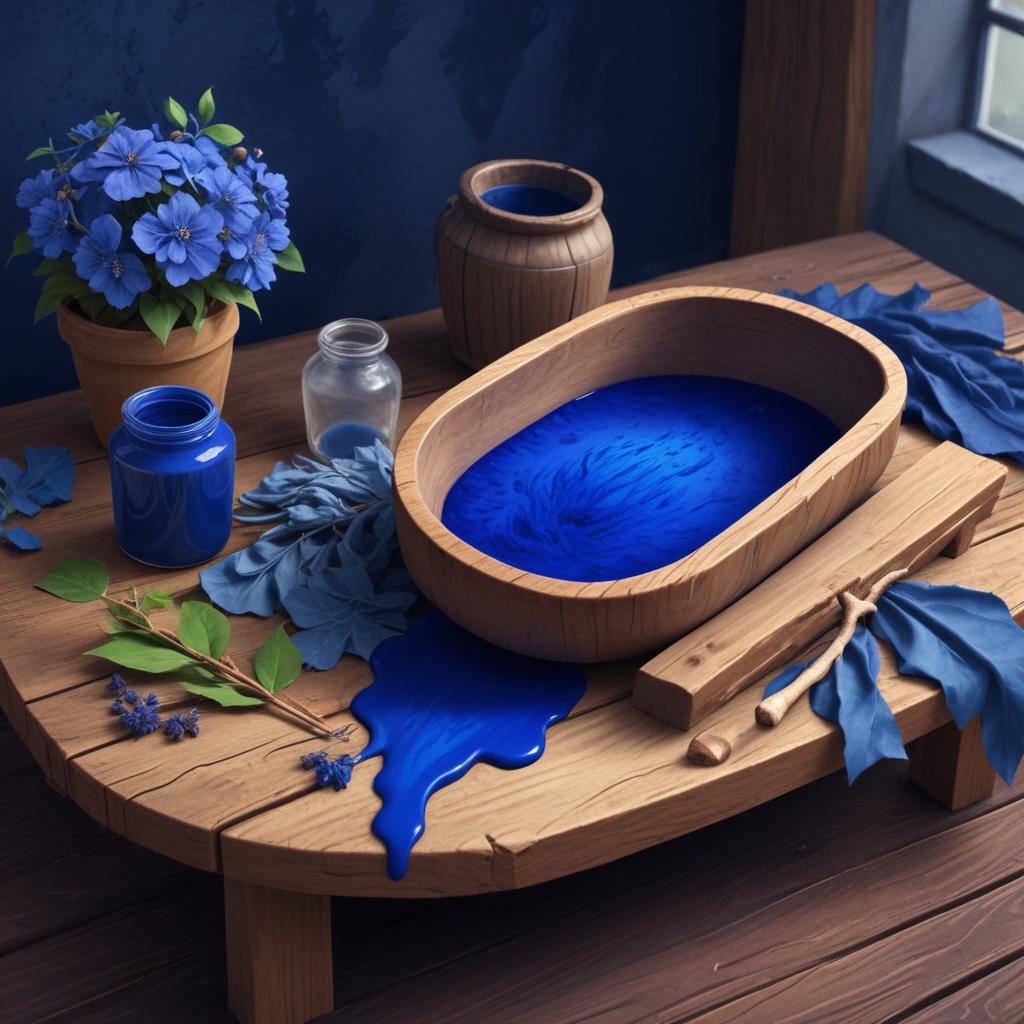
- Preparation of the Indigo Vat: The process begins by creating a vat, or fermentation vessel, where the indigo dye will become soluble. Traditionally, fresh indigo leaves or indigo pigment are combined with a natural reducing agent like fermented bran, wheat, or another carbohydrate source. Water is added, and the mixture is left to ferment. This fermentation process reduces the indigo to a water-soluble form called leuco-indigo, which is essential for vat dyeing.
- Monitoring the Vat: During fermentation, the indigo vat must be carefully monitored and stirred to maintain the right temperature and chemical balance. The liquid initially changes color, often turning yellowish or green, signaling that the indigo has been reduced properly. The vat traditionally requires several days to reach the ideal state for dyeing.
- Preparing the Fabric: While the vat ferments, the fabric is prepared for dyeing. It should be clean and wet to allow the dye to penetrate evenly. Sometimes, the fabric is soaked in water or a mordant solution to enhance color adherence, depending on specific traditions.
- Dipping the Fabric: The fabric is carefully submerged in the indigo vat. While in the vat, the fabric appears greenish-yellow due to the reduced form of indigo. It is soaked for a specific amount of time to allow the dye to permeate the fibers fully.
- Oxidation of the Dye: After removal from the vat, the fabric is exposed to air. The leuco-indigo reacts with oxygen and reverts to its insoluble, deep blue indigo form, which binds to the fabric fibers. This oxidation step is crucial for achieving the vibrant blue color characteristic of indigo dyeing.
- Multiple Dips for Intensity: For richer, deeper blue hues, the fabric can be repeatedly dipped into the vat and exposed to air multiple times. Each cycle increases the intensity of the blue color, allowing for a wide range of shades from pale to dark blue.
- Final Rinse and Drying: Once the desired shade is achieved, the fabric is thoroughly rinsed in clean water to remove any excess dye and residual chemicals from the vat. Finally, the fabric is hung to dry, revealing the striking blue patterns typical of traditional indigo dyeing.
Preparing the Indigo Dye Vat
Preparing the indigo vat is a crucial step in traditional indigo dyeing, as it converts the insoluble indigo pigment into a soluble form that can be absorbed by fabric. This process is known as indigo reduction and is achieved by creating a chemical environment that transforms the indigo into its reduced, water-soluble state.
The key to indigo vat preparation lies in maintaining a reducing environment. This typically involves adding a reducing agent to the dye bath, which removes oxygen and keeps the indigo in its soluble form. Common traditional reducing agents include natural materials like fermented henna leaves, or more modern substances such as sodium hydrosulfite or zinc powder. These agents facilitate the breakdown of indigo molecules, enabling the dye to penetrate the fibers of the fabric effectively.
Once the reducing agent is added, the mixture must be carefully managed at a specific temperature and pH level to ensure the indigo remains reduced. The vat is usually alkaline, with substances like lye or wood ash used to raise the pH. This balance is essential; if the vat becomes too oxidized or acidic, the indigo will revert to its insoluble form and will not dye the fabric properly.
Successful indigo vat preparation results in a deep blue dye bath, from which dyed fabrics emerge a bright greenish-yellow but develop into the classic blue after exposure to air. Mastery of the indigo vat preparation process is essential for achieving vibrant, long-lasting colors in traditional dyeing techniques.
Dyeing Techniques and Fabric Treatment
Traditional indigo dyeing relies on a meticulous process of fabric dipping, oxidation, and multiple dips to achieve the desired depth and vibrancy of color. The fabric is carefully immersed into the indigo vat, where it absorbs the dye in a reduced, oxygen-free state that appears greenish-yellow. Once removed from the vat, the fabric is exposed to the air, allowing it to oxidize. This oxidation is critical as it fixes the indigo pigment, transforming the fabric from greenish hues to the characteristic deep blue tones.
One of the most important aspects of this dyeing method is the repetition of the dipping process. Multiple dips are necessary to build up the intensity of the indigo color. With each dip, the fabric soaks up more dye, and subsequent oxidation layers the blue pigment, resulting in richer, darker shades. This layering effect is unique to indigo dyeing, as it allows artisans to control the final appearance by varying the number of dips and oxidation times.
This traditional technique requires patience and precision, as both inadequate dipping and oxidation can lead to uneven or faded results. Through fabric dipping, proper oxidation in air, and multiple dips, craftsmen ensure that indigo-dyed textiles possess their signature durability and colorfast qualities, which have been celebrated for centuries in various cultures worldwide.
Cultural and Environmental Impact of Indigo Dyeing
Indigo dyeing holds deep cultural heritage across various societies worldwide. Revered not only for its vibrant blue hue but also for its symbolic significance, indigo has been used for centuries to create textiles that tell stories, represent social status, and celebrate traditions. In regions like West Africa, Japan, India, and South America, indigo dyeing is intertwined with rituals and artisanal craftsmanship passed down through generations, fostering a sense of identity and continuity.
This traditional dyeing technique reflects a sustainable dyeing method that contrasts sharply with the environmental impact of synthetic dyes. Indigo is derived from the leaves of the indigo plant, a natural and renewable resource. The process typically involves fermentation and natural oxidization, which are eco-friendly and biodegradable, minimizing harmful waste. In comparison, synthetic dyes often depend on petrochemical ingredients, producing toxic byproducts that contaminate water sources and harm aquatic life.
The cultural importance of indigo dyeing extends beyond aesthetics; it embodies a commitment to sustainable practices that honor nature. Many indigenous communities continue to rely on this method, emphasizing the balance between human creativity and environmental stewardship. Traditional indigo dyeing techniques promote biodiversity by encouraging the cultivation of indigo plants in harmony with local ecosystems.
Moreover, sustainable dyeing with indigo reduces chemical exposure for artisans and consumers alike, supporting healthier lives and safer work environments. This eco-conscious approach is gaining renewed attention as the global textile industry seeks greener alternatives to conventional dyeing technologies. By preserving the cultural heritage of indigo and advocating for its environmentally responsible use, societies can contribute to more sustainable fashion practices and protect the planet for future generations.
Indigo in Cultural Traditions Worldwide
Indigo dye has played a pivotal role in cultural identity across numerous regions around the globe, deeply embedding itself in the fabric of traditional crafts and folk art. For centuries, indigo traditions have been passed down through generations, serving not only as a method of textile dyeing but also as a symbol of heritage and community pride. In many cultures, the rich blue hues achieved through indigo dyeing represent more than just color—they carry meanings related to spirituality, protection, and social status.
From the intricate tie-dye techniques of West Africa to the hand-crafted batik fabrics of Indonesia, the use of indigo dye connects artisans to their ancestors and cultural history. These traditional crafts contribute significantly to textile heritage by preserving unique patterns, dyeing processes, and storytelling through cloth. Folk art created with indigo not only celebrates aesthetic beauty but also imparts narratives of cultural values and traditions, reinforcing community bonds.
Furthermore, the symbolism of indigo extends beyond the physical artistry to embody resilience and continuity in the face of modern challenges. Whether adorning ceremonial garments, everyday wear, or artistic displays, indigo remains a powerful emblem in many societies. Its enduring presence highlights the vital importance of traditional dyeing methods to global cultural heritage and the preservation of indigenous knowledge.
Environmental Benefits of Natural Indigo
Natural indigo offers significant ecological advantages over synthetic chemical dyes, making it a preferred choice for eco-conscious textile production. One of the most notable benefits is its biodegradability; natural indigo breaks down more easily in the environment, reducing the accumulation of harmful residues in soil and water systems. In contrast, chemical dyes often contain heavy metals and toxic compounds that persist in ecosystems and contribute to pollution and health hazards.
Using natural dyes like indigo supports sustainable practices by minimizing environmental impact. The dyeing process with natural indigo typically requires less energy and fewer harmful chemicals, leading to reduced water pollution and a smaller carbon footprint. This aligns with growing global efforts to promote eco-friendly dyeing techniques that prioritize environmental health and resource conservation.
Moreover, natural dyes are generally derived from renewable plant sources, which supports biodiversity and reduces dependence on synthetic chemical manufacturing that often relies on non-renewable resources. By choosing natural indigo, artisans and manufacturers can demonstrate a commitment to greener production methods, furthering the adoption of sustainable textiles in the fashion and craft industries.
In summary, natural indigo not only provides vibrant, lasting color but also promotes ecological balance through biodegradability and pollution reduction, establishing itself as a cornerstone of environmentally responsible dyeing practices.

I’m fascinated by the vibrant intersection of contemporary fashion and traditional African craftsmanship. I spend my free time exploring markets, learning about textile techniques, and sharing the stories behind each piece with our readers.