
African footwear often features distinctive colors and textures that reflect the diverse environments and communities across Africa. This design inspiration helps modern shoe brands craft unique products that celebrate heritage while appealing to global fashion trends. Whether through the use of leather with traditional dyeing techniques or decorative motifs inspired by tribal art, the influence is unmistakable.
The resurgence of African cultural expression in fashion has propelled footwear that honors its origins while pushing forward with modern functionality and comfort. These shoes not only serve as everyday wear but also as statements of identity, connecting wearers to African history in a tangible way. This fusion of old and new enriches the narrative of global footwear design, positioning African footwear as a key source of creative inspiration.
Supporting African artisans and sustainable fashion
Supporting African artisans and embracing sustainable fashion are essential steps toward fostering ethical accessory production. African artisans bring generations of skill, culture, and artistry to their crafts, creating unique pieces that are rich in heritage and meaning. By choosing accessories made by these artisans, consumers contribute directly to preserving traditional techniques and empowering local communities economically and socially.
Ethical sourcing is at the heart of sustainable fashion and plays a vital role in protecting both the environment and the rights of artisans. Many African artisan communities rely on natural, eco-friendly materials and methods that have minimal environmental impact. This enhances the sustainability of fashion items while ensuring that artisans are fairly compensated for their work, promoting a fair-trade economy. Ethical accessories sourced from these communities help combat exploitation and unfair labor practices often found in mass production.
By supporting African artisans, we encourage the preservation of indigenous craft techniques that might otherwise be lost in the face of industrialization. This form of cultural appreciation fosters respect and recognition for African heritage on a global scale. It also motivates younger generations within these communities to engage in their heritage craftwork, helping to sustain this vital cultural legacy.
Choosing sustainable fashion accessories means more than just making a style statement; it reflects a commitment to social responsibility and environmental stewardship. Fashion consumers become advocates for change by demanding products that align with ethical values, ensuring that the artisans behind these creations receive the respect and livelihoods they deserve. Supporting African artisans amplifies the voice of sustainable fashion and helps build a future where ethical production practices are the norm rather than the exception.
Ultimately, investing in African artisan-made accessories is an investment in a brighter, more equitable fashion industry. It encourages creativity, preserves cultural heritage, and promotes sustainability. By embracing ethical accessories, we take an active role in supporting communities that have long been marginalized and empower them through fair economic opportunities and environmental care. This holistic approach not only benefits artisans but also enriches our lives with authentic, meaningful fashion statements.
Ethical production and fair trade practices
Fair trade practices play a crucial role in the production of modern accessories inspired by African heritage, ensuring that the artisans behind these creations receive the recognition and rewards they deserve. Ethical production goes beyond merely crafting beautiful items; it honors the skill, tradition, and labor of African artisans by prioritizing their welfare and sustainable livelihoods. By adhering to fair trade principles, producers guarantee that artisans are paid fair wages, work in safe environments, and benefit from long-term contracts that provide financial stability.
Fair trade certification helps empower communities by fostering independence, enabling artisans to invest in their businesses and improve their quality of life. It also promotes transparency in the supply chain, meaning consumers can trust that their purchases support genuine artisan craftsmanship rather than exploitative mass production. This ethical approach values the cultural heritage embedded in each accessory, while advancing social justice and economic equity.
Supporting fair trade encourages the preservation of traditional techniques and materials that are often threatened by industrial demands. It helps sustain indigenous knowledge and creativity, which are central to the uniqueness of African-inspired accessories. Ultimately, ethical production and fair trade practices create a positive ripple effect—uplifting artisan communities and allowing them to thrive while providing consumers with meaningful and consciously made products.
The role of sustainability in modern African-inspired accessories
Sustainability plays a crucial role in the creation of modern African-inspired accessories, reflecting a growing commitment to responsible fashion. Designers are increasingly prioritizing eco-friendly accessories by utilizing sustainable materials such as recycled metals, organic fabrics, and ethically sourced beads. These materials not only reduce environmental impact but also honor traditional African craftsmanship and heritage in a conscious way.
By embracing environmentally conscious design principles, artisans and brands ensure their creations minimize waste and promote longevity. Many accessories are crafted using techniques that reduce energy consumption and avoid harmful chemicals, highlighting a respect for nature that is deeply embedded in African culture. This approach aligns with the global movement towards responsible fashion, encouraging consumers to choose pieces that support both environmental and social well-being.
Moreover, sustainable African-inspired accessories often incorporate local materials and support community-based production, fostering economic empowerment and preserving traditional artistry. This fusion of sustainability and cultural heritage creates unique, meaningful fashion statements that resonate with environmentally aware consumers. Ultimately, sustainability in this context goes beyond materials, becoming a philosophy that guides the entire accessory creation process toward a greener, more responsible future.

Hand weaving and beadwork are age-old artisan techniques passed down through generations, reflecting distinct African aesthetics. Craftsmen employ intricate methods such as basket weaving, leather tooled patterns, and bead embroidery to create unique accessories rich in texture and history. These techniques demand patience and skill, ensuring that every piece is a true work of art.
Moreover, African craftsmen emphasize sustainable practices by utilizing natural dyes derived from plants and minerals, avoiding synthetic chemicals. This not only preserves the environment but also ensures that accessories maintain their authentic colors and cultural meanings. The fusion of traditional materials and expert craftsmanship creates accessories that are both stylish and imbued with stories from African heritage.
The commitment to sustainability and cultural authenticity within African accessory making highlights the value of supporting artisan communities. By choosing accessories crafted from African materials and traditional techniques, consumers invest in ethical fashion that honors ancient craftsmanship while embracing modern design sensibilities.
Types of modern accessories inspired by African heritage
Contemporary fashion has embraced various types of accessories deeply influenced by African-inspired design, bringing a rich cultural heritage into everyday wear. These accessories span a range of categories, including jewellery, headwear, bags, footwear, and scarves, each reflecting unique elements from African traditions.
Jewellery is one of the most prominent categories where African heritage shines through modern craftsmanship. Beaded necklaces, bangles, and earrings often incorporate traditional patterns and vibrant colors typical of African artistry. Materials such as brass, copper, and natural stones are frequently used to give these pieces an authentic ethnic appeal, blending symbolic meanings with a contemporary aesthetic.
Fashion accessories like headwraps and turbans have also been revitalized with African-inspired design. These accessories not only serve a decorative purpose but also carry significant cultural symbolism. They are crafted with bold prints and patterns that represent specific tribes or regions, offering wearers both style and a connection to African roots.
Bags and clutches represent another exciting segment of modern accessories influenced by African culture. Designers often incorporate traditional weaving techniques and motifs into these items, combining utility with artistic expression. Materials such as raffia, leather, and woven fabric make these bags eco-friendly and visually striking, perfectly complementing contemporary wardrobes with a touch of African heritage.
Footwear inspired by African design embraces both comfort and style, featuring distinctive patterns and embellishments that reflect traditional themes. From sandals adorned with beadwork to leather shoes with tribal prints, these pieces embody a fusion of heritage and modern fashion sensibilities.
Finally, scarves and wraps remain essential accessories that showcase African-inspired design through their bold colors and unique fabric textures. Often made from kente cloth or shweshwe fabric, these pieces add dynamic flair to any outfit and are treasured for their cultural significance and artistic beauty.
Overall, the types of accessories rooted in African heritage bring vibrant stories and craftsmanship to modern fashion, allowing individuals to celebrate and express cultural identity through jewellery, headwear, bags, footwear, and scarves.
Jewellery with African influences
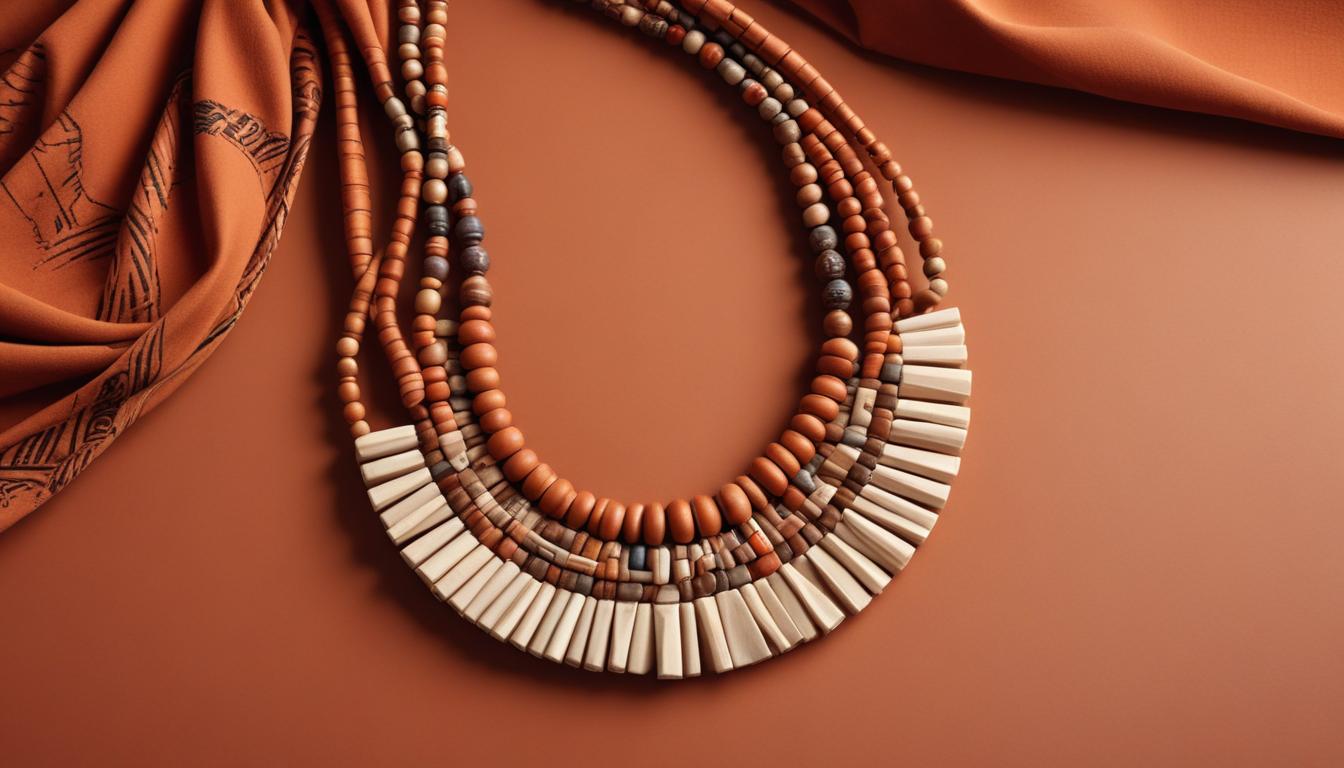
African jewellery is renowned for its vibrant and meaningful designs, drawing deeply from cultural heritage and traditional craftsmanship. Beaded necklaces form a quintessential part of this style, often crafted with intricate patterns and vivid colors that tell stories of different tribes and regions. These necklaces not only serve as decorative pieces but also carry symbolic meanings, representing status, identity, and rites of passage within various African communities.
Bracelets fashioned in African styles frequently feature natural materials such as wood, bone, and metals, combining rustic textures with refined artistry. The heritage designs incorporated in these bracelets highlight age-old techniques like weaving and carving, resulting in pieces that are both elegant and steeped in cultural significance. Many bracelets are adorned with beads that echo the traditional color palettes seen throughout African jewellery.
Earrings inspired by African jewellery often showcase bold shapes and striking embellishments. From elongated forms to geometric patterns, these earrings embody the spirit and diversity of African artistry. Incorporating motifs and materials reflective of specific ethnic groups, these pieces celebrate the continent’s rich artistic legacy while complementing modern fashion sensibilities.
Overall, jewellery with African influences is a beautiful fusion of heritage designs and contemporary style, where beaded necklaces, bracelets, and earrings create statement pieces that honor tradition and inspire creativity.
Bags and textiles featuring African patterns
African textiles have long been celebrated for their vibrant colors, intricate patterns, and deep cultural significance. In contemporary fashion, these traditional fabrics are being reimagined in striking bags and fashion accessories, merging heritage with modern aesthetics. Patterned bags featuring African textiles are now prominent pieces that add a unique flair to any outfit, reflecting a rich history while embracing contemporary design.
These accessories use materials such as Kente cloth, Ankara prints, and mudcloth, each telling stories rooted in African heritage. Designers incorporate these fabrics into handbags, clutches, and totes, crafting pieces that are not only functional but also expressive works of art. The bold patterns and vivid colors typical of African textiles create visually captivating fashion accessories that stand out in modern wardrobes.
The resurgence of African textiles in fashion promotes cultural appreciation and supports artisans and communities who keep these traditions alive. By choosing bags and accessories inspired by African patterns, consumers engage with a global narrative that values craftsmanship and stories embedded in every stitch. These pieces serve as a beautiful bridge between past and present, honoring African heritage while influencing global fashion trends.
Footwear influenced by African aesthetics
Modern shoes inspired by African footwear showcase a vibrant blend of tradition and innovation. Designers draw heavily on African aesthetics, incorporating bold patterns, intricate beadwork, and natural materials that speak to the continent’s rich cultural heritage. These elements are skillfully woven into contemporary shoe designs to create pieces that are both stylish and meaningful.
African footwear often features distinctive colors and textures that reflect the diverse environments and communities across Africa. This design inspiration helps modern shoe brands craft unique products that celebrate heritage while appealing to global fashion trends. Whether through the use of leather with traditional dyeing techniques or decorative motifs inspired by tribal art, the influence is unmistakable.
The resurgence of African cultural expression in fashion has propelled footwear that honors its origins while pushing forward with modern functionality and comfort. These shoes not only serve as everyday wear but also as statements of identity, connecting wearers to African history in a tangible way. This fusion of old and new enriches the narrative of global footwear design, positioning African footwear as a key source of creative inspiration.
Supporting African artisans and sustainable fashion
Supporting African artisans and embracing sustainable fashion are essential steps toward fostering ethical accessory production. African artisans bring generations of skill, culture, and artistry to their crafts, creating unique pieces that are rich in heritage and meaning. By choosing accessories made by these artisans, consumers contribute directly to preserving traditional techniques and empowering local communities economically and socially.
Ethical sourcing is at the heart of sustainable fashion and plays a vital role in protecting both the environment and the rights of artisans. Many African artisan communities rely on natural, eco-friendly materials and methods that have minimal environmental impact. This enhances the sustainability of fashion items while ensuring that artisans are fairly compensated for their work, promoting a fair-trade economy. Ethical accessories sourced from these communities help combat exploitation and unfair labor practices often found in mass production.
By supporting African artisans, we encourage the preservation of indigenous craft techniques that might otherwise be lost in the face of industrialization. This form of cultural appreciation fosters respect and recognition for African heritage on a global scale. It also motivates younger generations within these communities to engage in their heritage craftwork, helping to sustain this vital cultural legacy.
Choosing sustainable fashion accessories means more than just making a style statement; it reflects a commitment to social responsibility and environmental stewardship. Fashion consumers become advocates for change by demanding products that align with ethical values, ensuring that the artisans behind these creations receive the respect and livelihoods they deserve. Supporting African artisans amplifies the voice of sustainable fashion and helps build a future where ethical production practices are the norm rather than the exception.
Ultimately, investing in African artisan-made accessories is an investment in a brighter, more equitable fashion industry. It encourages creativity, preserves cultural heritage, and promotes sustainability. By embracing ethical accessories, we take an active role in supporting communities that have long been marginalized and empower them through fair economic opportunities and environmental care. This holistic approach not only benefits artisans but also enriches our lives with authentic, meaningful fashion statements.
Ethical production and fair trade practices
Fair trade practices play a crucial role in the production of modern accessories inspired by African heritage, ensuring that the artisans behind these creations receive the recognition and rewards they deserve. Ethical production goes beyond merely crafting beautiful items; it honors the skill, tradition, and labor of African artisans by prioritizing their welfare and sustainable livelihoods. By adhering to fair trade principles, producers guarantee that artisans are paid fair wages, work in safe environments, and benefit from long-term contracts that provide financial stability.
Fair trade certification helps empower communities by fostering independence, enabling artisans to invest in their businesses and improve their quality of life. It also promotes transparency in the supply chain, meaning consumers can trust that their purchases support genuine artisan craftsmanship rather than exploitative mass production. This ethical approach values the cultural heritage embedded in each accessory, while advancing social justice and economic equity.
Supporting fair trade encourages the preservation of traditional techniques and materials that are often threatened by industrial demands. It helps sustain indigenous knowledge and creativity, which are central to the uniqueness of African-inspired accessories. Ultimately, ethical production and fair trade practices create a positive ripple effect—uplifting artisan communities and allowing them to thrive while providing consumers with meaningful and consciously made products.
The role of sustainability in modern African-inspired accessories
Sustainability plays a crucial role in the creation of modern African-inspired accessories, reflecting a growing commitment to responsible fashion. Designers are increasingly prioritizing eco-friendly accessories by utilizing sustainable materials such as recycled metals, organic fabrics, and ethically sourced beads. These materials not only reduce environmental impact but also honor traditional African craftsmanship and heritage in a conscious way.
By embracing environmentally conscious design principles, artisans and brands ensure their creations minimize waste and promote longevity. Many accessories are crafted using techniques that reduce energy consumption and avoid harmful chemicals, highlighting a respect for nature that is deeply embedded in African culture. This approach aligns with the global movement towards responsible fashion, encouraging consumers to choose pieces that support both environmental and social well-being.
Moreover, sustainable African-inspired accessories often incorporate local materials and support community-based production, fostering economic empowerment and preserving traditional artistry. This fusion of sustainability and cultural heritage creates unique, meaningful fashion statements that resonate with environmentally aware consumers. Ultimately, sustainability in this context goes beyond materials, becoming a philosophy that guides the entire accessory creation process toward a greener, more responsible future.
Hand weaving and beadwork are age-old artisan techniques passed down through generations, reflecting distinct African aesthetics. Craftsmen employ intricate methods such as basket weaving, leather tooled patterns, and bead embroidery to create unique accessories rich in texture and history. These techniques demand patience and skill, ensuring that every piece is a true work of art.
Moreover, African craftsmen emphasize sustainable practices by utilizing natural dyes derived from plants and minerals, avoiding synthetic chemicals. This not only preserves the environment but also ensures that accessories maintain their authentic colors and cultural meanings. The fusion of traditional materials and expert craftsmanship creates accessories that are both stylish and imbued with stories from African heritage.
The commitment to sustainability and cultural authenticity within African accessory making highlights the value of supporting artisan communities. By choosing accessories crafted from African materials and traditional techniques, consumers invest in ethical fashion that honors ancient craftsmanship while embracing modern design sensibilities.
Types of modern accessories inspired by African heritage
Contemporary fashion has embraced various types of accessories deeply influenced by African-inspired design, bringing a rich cultural heritage into everyday wear. These accessories span a range of categories, including jewellery, headwear, bags, footwear, and scarves, each reflecting unique elements from African traditions.
Jewellery is one of the most prominent categories where African heritage shines through modern craftsmanship. Beaded necklaces, bangles, and earrings often incorporate traditional patterns and vibrant colors typical of African artistry. Materials such as brass, copper, and natural stones are frequently used to give these pieces an authentic ethnic appeal, blending symbolic meanings with a contemporary aesthetic.
Fashion accessories like headwraps and turbans have also been revitalized with African-inspired design. These accessories not only serve a decorative purpose but also carry significant cultural symbolism. They are crafted with bold prints and patterns that represent specific tribes or regions, offering wearers both style and a connection to African roots.
Bags and clutches represent another exciting segment of modern accessories influenced by African culture. Designers often incorporate traditional weaving techniques and motifs into these items, combining utility with artistic expression. Materials such as raffia, leather, and woven fabric make these bags eco-friendly and visually striking, perfectly complementing contemporary wardrobes with a touch of African heritage.
Footwear inspired by African design embraces both comfort and style, featuring distinctive patterns and embellishments that reflect traditional themes. From sandals adorned with beadwork to leather shoes with tribal prints, these pieces embody a fusion of heritage and modern fashion sensibilities.
Finally, scarves and wraps remain essential accessories that showcase African-inspired design through their bold colors and unique fabric textures. Often made from kente cloth or shweshwe fabric, these pieces add dynamic flair to any outfit and are treasured for their cultural significance and artistic beauty.
Overall, the types of accessories rooted in African heritage bring vibrant stories and craftsmanship to modern fashion, allowing individuals to celebrate and express cultural identity through jewellery, headwear, bags, footwear, and scarves.
Jewellery with African influences
African jewellery is renowned for its vibrant and meaningful designs, drawing deeply from cultural heritage and traditional craftsmanship. Beaded necklaces form a quintessential part of this style, often crafted with intricate patterns and vivid colors that tell stories of different tribes and regions. These necklaces not only serve as decorative pieces but also carry symbolic meanings, representing status, identity, and rites of passage within various African communities.
Bracelets fashioned in African styles frequently feature natural materials such as wood, bone, and metals, combining rustic textures with refined artistry. The heritage designs incorporated in these bracelets highlight age-old techniques like weaving and carving, resulting in pieces that are both elegant and steeped in cultural significance. Many bracelets are adorned with beads that echo the traditional color palettes seen throughout African jewellery.
Earrings inspired by African jewellery often showcase bold shapes and striking embellishments. From elongated forms to geometric patterns, these earrings embody the spirit and diversity of African artistry. Incorporating motifs and materials reflective of specific ethnic groups, these pieces celebrate the continent’s rich artistic legacy while complementing modern fashion sensibilities.
Overall, jewellery with African influences is a beautiful fusion of heritage designs and contemporary style, where beaded necklaces, bracelets, and earrings create statement pieces that honor tradition and inspire creativity.
Bags and textiles featuring African patterns
African textiles have long been celebrated for their vibrant colors, intricate patterns, and deep cultural significance. In contemporary fashion, these traditional fabrics are being reimagined in striking bags and fashion accessories, merging heritage with modern aesthetics. Patterned bags featuring African textiles are now prominent pieces that add a unique flair to any outfit, reflecting a rich history while embracing contemporary design.
These accessories use materials such as Kente cloth, Ankara prints, and mudcloth, each telling stories rooted in African heritage. Designers incorporate these fabrics into handbags, clutches, and totes, crafting pieces that are not only functional but also expressive works of art. The bold patterns and vivid colors typical of African textiles create visually captivating fashion accessories that stand out in modern wardrobes.
The resurgence of African textiles in fashion promotes cultural appreciation and supports artisans and communities who keep these traditions alive. By choosing bags and accessories inspired by African patterns, consumers engage with a global narrative that values craftsmanship and stories embedded in every stitch. These pieces serve as a beautiful bridge between past and present, honoring African heritage while influencing global fashion trends.
Footwear influenced by African aesthetics
Modern shoes inspired by African footwear showcase a vibrant blend of tradition and innovation. Designers draw heavily on African aesthetics, incorporating bold patterns, intricate beadwork, and natural materials that speak to the continent’s rich cultural heritage. These elements are skillfully woven into contemporary shoe designs to create pieces that are both stylish and meaningful.
African footwear often features distinctive colors and textures that reflect the diverse environments and communities across Africa. This design inspiration helps modern shoe brands craft unique products that celebrate heritage while appealing to global fashion trends. Whether through the use of leather with traditional dyeing techniques or decorative motifs inspired by tribal art, the influence is unmistakable.
The resurgence of African cultural expression in fashion has propelled footwear that honors its origins while pushing forward with modern functionality and comfort. These shoes not only serve as everyday wear but also as statements of identity, connecting wearers to African history in a tangible way. This fusion of old and new enriches the narrative of global footwear design, positioning African footwear as a key source of creative inspiration.
Supporting African artisans and sustainable fashion
Supporting African artisans and embracing sustainable fashion are essential steps toward fostering ethical accessory production. African artisans bring generations of skill, culture, and artistry to their crafts, creating unique pieces that are rich in heritage and meaning. By choosing accessories made by these artisans, consumers contribute directly to preserving traditional techniques and empowering local communities economically and socially.
Ethical sourcing is at the heart of sustainable fashion and plays a vital role in protecting both the environment and the rights of artisans. Many African artisan communities rely on natural, eco-friendly materials and methods that have minimal environmental impact. This enhances the sustainability of fashion items while ensuring that artisans are fairly compensated for their work, promoting a fair-trade economy. Ethical accessories sourced from these communities help combat exploitation and unfair labor practices often found in mass production.
By supporting African artisans, we encourage the preservation of indigenous craft techniques that might otherwise be lost in the face of industrialization. This form of cultural appreciation fosters respect and recognition for African heritage on a global scale. It also motivates younger generations within these communities to engage in their heritage craftwork, helping to sustain this vital cultural legacy.
Choosing sustainable fashion accessories means more than just making a style statement; it reflects a commitment to social responsibility and environmental stewardship. Fashion consumers become advocates for change by demanding products that align with ethical values, ensuring that the artisans behind these creations receive the respect and livelihoods they deserve. Supporting African artisans amplifies the voice of sustainable fashion and helps build a future where ethical production practices are the norm rather than the exception.
Ultimately, investing in African artisan-made accessories is an investment in a brighter, more equitable fashion industry. It encourages creativity, preserves cultural heritage, and promotes sustainability. By embracing ethical accessories, we take an active role in supporting communities that have long been marginalized and empower them through fair economic opportunities and environmental care. This holistic approach not only benefits artisans but also enriches our lives with authentic, meaningful fashion statements.
Ethical production and fair trade practices
Fair trade practices play a crucial role in the production of modern accessories inspired by African heritage, ensuring that the artisans behind these creations receive the recognition and rewards they deserve. Ethical production goes beyond merely crafting beautiful items; it honors the skill, tradition, and labor of African artisans by prioritizing their welfare and sustainable livelihoods. By adhering to fair trade principles, producers guarantee that artisans are paid fair wages, work in safe environments, and benefit from long-term contracts that provide financial stability.
Fair trade certification helps empower communities by fostering independence, enabling artisans to invest in their businesses and improve their quality of life. It also promotes transparency in the supply chain, meaning consumers can trust that their purchases support genuine artisan craftsmanship rather than exploitative mass production. This ethical approach values the cultural heritage embedded in each accessory, while advancing social justice and economic equity.
Supporting fair trade encourages the preservation of traditional techniques and materials that are often threatened by industrial demands. It helps sustain indigenous knowledge and creativity, which are central to the uniqueness of African-inspired accessories. Ultimately, ethical production and fair trade practices create a positive ripple effect—uplifting artisan communities and allowing them to thrive while providing consumers with meaningful and consciously made products.
The role of sustainability in modern African-inspired accessories
Sustainability plays a crucial role in the creation of modern African-inspired accessories, reflecting a growing commitment to responsible fashion. Designers are increasingly prioritizing eco-friendly accessories by utilizing sustainable materials such as recycled metals, organic fabrics, and ethically sourced beads. These materials not only reduce environmental impact but also honor traditional African craftsmanship and heritage in a conscious way.
By embracing environmentally conscious design principles, artisans and brands ensure their creations minimize waste and promote longevity. Many accessories are crafted using techniques that reduce energy consumption and avoid harmful chemicals, highlighting a respect for nature that is deeply embedded in African culture. This approach aligns with the global movement towards responsible fashion, encouraging consumers to choose pieces that support both environmental and social well-being.
Moreover, sustainable African-inspired accessories often incorporate local materials and support community-based production, fostering economic empowerment and preserving traditional artistry. This fusion of sustainability and cultural heritage creates unique, meaningful fashion statements that resonate with environmentally aware consumers. Ultimately, sustainability in this context goes beyond materials, becoming a philosophy that guides the entire accessory creation process toward a greener, more responsible future.
The influence of African heritage on modern accessories
African heritage has long been a rich source of inspiration for contemporary accessory design, merging tradition with modern aesthetics to create unique pieces that tell a story. The cultural influence of African traditions is evident in the motifs, materials, and craftsmanship of many modern accessories, reflecting a deep connection to the continent’s history and artistry.
The vibrant patterns and symbolic motifs found in African art and textiles often serve as a foundational element for designers. These designs carry meanings that range from social status to spiritual beliefs, allowing accessories to become more than just decorative items. Contemporary designers incorporate these traditional patterns into jewelry, bags, and scarves, infusing modern accessories with cultural significance and a sense of identity.
Materials sourced from Africa, such as beads, leather, and natural fibers, further reinforce the connection to heritage in modern accessory design. Handcrafted beadwork, for example, is a celebrated African tradition that has been adapted into necklaces, bracelets, and earrings in the global fashion scene. The emphasis on artisanal skills also highlights the value of craftsmanship, celebrating the expertise passed down through generations.
Moreover, the influence of African heritage encourages sustainable and ethical fashion practices. Many designers collaborate with local artisans and communities, ensuring that traditional methods are preserved and that economic benefits are shared. This partnership between tradition and innovation contributes to a growing appreciation for cultural authenticity in the fashion industry.
In summary, the influence of African heritage on modern accessories is a powerful example of how cultural roots can shape contemporary design. By honoring traditional motifs and techniques, modern accessories not only celebrate African culture but also enrich the global fashion landscape with meaningful, stylish expressions of identity and history.
Traditional African motifs and their modern adaptations
African motifs are rich in symbolism and cultural significance, and they have found a vibrant place in modern accessories through innovative design adaptation. Patterns such as the Adinkra symbols from Ghana, which traditionally convey concepts like strength, wisdom, and unity, are now widely seen in jewelry, bags, and scarves. These patterns preserve cultural narratives while appealing to contemporary aesthetics.
Another prominent motif is the geometric Kuba cloth designs from the Democratic Republic of Congo, characterized by intricate, repeating shapes and lines. These motifs inspire modern textile patterns in fashion accessories like belts, hats, and wallets. Designers skillfully adapt the bold, graphic essence of these cultural patterns to create exclusive items that celebrate African heritage with a modern twist.
The use of traditional beadwork patterns from the Maasai tribe in Kenya and Tanzania also highlights the integration of African motifs in today’s accessory design. Beaded necklaces, bracelets, and sandals incorporate these vibrant, symbolic color schemes and patterns, transforming them into fashion statements that respect and celebrate their origins. Through such cultural patterns, modern accessories serve as a bridge connecting past and present traditions.
Materials and craftsmanship rooted in African culture
African materials and craftsmanship form the cornerstone of sustainable accessories that not only celebrate heritage but also promote environmentally conscious fashion. Traditional artisans use natural fibers such as raffia, sisal, and leather, which are sourced locally and sustainably. These materials are prized not only for their durability but also for their cultural significance, often linked to specific tribes or regions.
Hand weaving and beadwork are age-old artisan techniques passed down through generations, reflecting distinct African aesthetics. Craftsmen employ intricate methods such as basket weaving, leather tooled patterns, and bead embroidery to create unique accessories rich in texture and history. These techniques demand patience and skill, ensuring that every piece is a true work of art.
Moreover, African craftsmen emphasize sustainable practices by utilizing natural dyes derived from plants and minerals, avoiding synthetic chemicals. This not only preserves the environment but also ensures that accessories maintain their authentic colors and cultural meanings. The fusion of traditional materials and expert craftsmanship creates accessories that are both stylish and imbued with stories from African heritage.
The commitment to sustainability and cultural authenticity within African accessory making highlights the value of supporting artisan communities. By choosing accessories crafted from African materials and traditional techniques, consumers invest in ethical fashion that honors ancient craftsmanship while embracing modern design sensibilities.
Types of modern accessories inspired by African heritage
Contemporary fashion has embraced various types of accessories deeply influenced by African-inspired design, bringing a rich cultural heritage into everyday wear. These accessories span a range of categories, including jewellery, headwear, bags, footwear, and scarves, each reflecting unique elements from African traditions.
Jewellery is one of the most prominent categories where African heritage shines through modern craftsmanship. Beaded necklaces, bangles, and earrings often incorporate traditional patterns and vibrant colors typical of African artistry. Materials such as brass, copper, and natural stones are frequently used to give these pieces an authentic ethnic appeal, blending symbolic meanings with a contemporary aesthetic.
Fashion accessories like headwraps and turbans have also been revitalized with African-inspired design. These accessories not only serve a decorative purpose but also carry significant cultural symbolism. They are crafted with bold prints and patterns that represent specific tribes or regions, offering wearers both style and a connection to African roots.
Bags and clutches represent another exciting segment of modern accessories influenced by African culture. Designers often incorporate traditional weaving techniques and motifs into these items, combining utility with artistic expression. Materials such as raffia, leather, and woven fabric make these bags eco-friendly and visually striking, perfectly complementing contemporary wardrobes with a touch of African heritage.
Footwear inspired by African design embraces both comfort and style, featuring distinctive patterns and embellishments that reflect traditional themes. From sandals adorned with beadwork to leather shoes with tribal prints, these pieces embody a fusion of heritage and modern fashion sensibilities.
Finally, scarves and wraps remain essential accessories that showcase African-inspired design through their bold colors and unique fabric textures. Often made from kente cloth or shweshwe fabric, these pieces add dynamic flair to any outfit and are treasured for their cultural significance and artistic beauty.
Overall, the types of accessories rooted in African heritage bring vibrant stories and craftsmanship to modern fashion, allowing individuals to celebrate and express cultural identity through jewellery, headwear, bags, footwear, and scarves.
Jewellery with African influences
African jewellery is renowned for its vibrant and meaningful designs, drawing deeply from cultural heritage and traditional craftsmanship. Beaded necklaces form a quintessential part of this style, often crafted with intricate patterns and vivid colors that tell stories of different tribes and regions. These necklaces not only serve as decorative pieces but also carry symbolic meanings, representing status, identity, and rites of passage within various African communities.
Bracelets fashioned in African styles frequently feature natural materials such as wood, bone, and metals, combining rustic textures with refined artistry. The heritage designs incorporated in these bracelets highlight age-old techniques like weaving and carving, resulting in pieces that are both elegant and steeped in cultural significance. Many bracelets are adorned with beads that echo the traditional color palettes seen throughout African jewellery.
Earrings inspired by African jewellery often showcase bold shapes and striking embellishments. From elongated forms to geometric patterns, these earrings embody the spirit and diversity of African artistry. Incorporating motifs and materials reflective of specific ethnic groups, these pieces celebrate the continent’s rich artistic legacy while complementing modern fashion sensibilities.
Overall, jewellery with African influences is a beautiful fusion of heritage designs and contemporary style, where beaded necklaces, bracelets, and earrings create statement pieces that honor tradition and inspire creativity.
Bags and textiles featuring African patterns
African textiles have long been celebrated for their vibrant colors, intricate patterns, and deep cultural significance. In contemporary fashion, these traditional fabrics are being reimagined in striking bags and fashion accessories, merging heritage with modern aesthetics. Patterned bags featuring African textiles are now prominent pieces that add a unique flair to any outfit, reflecting a rich history while embracing contemporary design.
These accessories use materials such as Kente cloth, Ankara prints, and mudcloth, each telling stories rooted in African heritage. Designers incorporate these fabrics into handbags, clutches, and totes, crafting pieces that are not only functional but also expressive works of art. The bold patterns and vivid colors typical of African textiles create visually captivating fashion accessories that stand out in modern wardrobes.
The resurgence of African textiles in fashion promotes cultural appreciation and supports artisans and communities who keep these traditions alive. By choosing bags and accessories inspired by African patterns, consumers engage with a global narrative that values craftsmanship and stories embedded in every stitch. These pieces serve as a beautiful bridge between past and present, honoring African heritage while influencing global fashion trends.
Footwear influenced by African aesthetics
Modern shoes inspired by African footwear showcase a vibrant blend of tradition and innovation. Designers draw heavily on African aesthetics, incorporating bold patterns, intricate beadwork, and natural materials that speak to the continent’s rich cultural heritage. These elements are skillfully woven into contemporary shoe designs to create pieces that are both stylish and meaningful.
African footwear often features distinctive colors and textures that reflect the diverse environments and communities across Africa. This design inspiration helps modern shoe brands craft unique products that celebrate heritage while appealing to global fashion trends. Whether through the use of leather with traditional dyeing techniques or decorative motifs inspired by tribal art, the influence is unmistakable.
The resurgence of African cultural expression in fashion has propelled footwear that honors its origins while pushing forward with modern functionality and comfort. These shoes not only serve as everyday wear but also as statements of identity, connecting wearers to African history in a tangible way. This fusion of old and new enriches the narrative of global footwear design, positioning African footwear as a key source of creative inspiration.
Supporting African artisans and sustainable fashion
Supporting African artisans and embracing sustainable fashion are essential steps toward fostering ethical accessory production. African artisans bring generations of skill, culture, and artistry to their crafts, creating unique pieces that are rich in heritage and meaning. By choosing accessories made by these artisans, consumers contribute directly to preserving traditional techniques and empowering local communities economically and socially.
Ethical sourcing is at the heart of sustainable fashion and plays a vital role in protecting both the environment and the rights of artisans. Many African artisan communities rely on natural, eco-friendly materials and methods that have minimal environmental impact. This enhances the sustainability of fashion items while ensuring that artisans are fairly compensated for their work, promoting a fair-trade economy. Ethical accessories sourced from these communities help combat exploitation and unfair labor practices often found in mass production.
By supporting African artisans, we encourage the preservation of indigenous craft techniques that might otherwise be lost in the face of industrialization. This form of cultural appreciation fosters respect and recognition for African heritage on a global scale. It also motivates younger generations within these communities to engage in their heritage craftwork, helping to sustain this vital cultural legacy.
Choosing sustainable fashion accessories means more than just making a style statement; it reflects a commitment to social responsibility and environmental stewardship. Fashion consumers become advocates for change by demanding products that align with ethical values, ensuring that the artisans behind these creations receive the respect and livelihoods they deserve. Supporting African artisans amplifies the voice of sustainable fashion and helps build a future where ethical production practices are the norm rather than the exception.
Ultimately, investing in African artisan-made accessories is an investment in a brighter, more equitable fashion industry. It encourages creativity, preserves cultural heritage, and promotes sustainability. By embracing ethical accessories, we take an active role in supporting communities that have long been marginalized and empower them through fair economic opportunities and environmental care. This holistic approach not only benefits artisans but also enriches our lives with authentic, meaningful fashion statements.
Ethical production and fair trade practices
Fair trade practices play a crucial role in the production of modern accessories inspired by African heritage, ensuring that the artisans behind these creations receive the recognition and rewards they deserve. Ethical production goes beyond merely crafting beautiful items; it honors the skill, tradition, and labor of African artisans by prioritizing their welfare and sustainable livelihoods. By adhering to fair trade principles, producers guarantee that artisans are paid fair wages, work in safe environments, and benefit from long-term contracts that provide financial stability.
Fair trade certification helps empower communities by fostering independence, enabling artisans to invest in their businesses and improve their quality of life. It also promotes transparency in the supply chain, meaning consumers can trust that their purchases support genuine artisan craftsmanship rather than exploitative mass production. This ethical approach values the cultural heritage embedded in each accessory, while advancing social justice and economic equity.
Supporting fair trade encourages the preservation of traditional techniques and materials that are often threatened by industrial demands. It helps sustain indigenous knowledge and creativity, which are central to the uniqueness of African-inspired accessories. Ultimately, ethical production and fair trade practices create a positive ripple effect—uplifting artisan communities and allowing them to thrive while providing consumers with meaningful and consciously made products.
The role of sustainability in modern African-inspired accessories
Sustainability plays a crucial role in the creation of modern African-inspired accessories, reflecting a growing commitment to responsible fashion. Designers are increasingly prioritizing eco-friendly accessories by utilizing sustainable materials such as recycled metals, organic fabrics, and ethically sourced beads. These materials not only reduce environmental impact but also honor traditional African craftsmanship and heritage in a conscious way.
By embracing environmentally conscious design principles, artisans and brands ensure their creations minimize waste and promote longevity. Many accessories are crafted using techniques that reduce energy consumption and avoid harmful chemicals, highlighting a respect for nature that is deeply embedded in African culture. This approach aligns with the global movement towards responsible fashion, encouraging consumers to choose pieces that support both environmental and social well-being.
Moreover, sustainable African-inspired accessories often incorporate local materials and support community-based production, fostering economic empowerment and preserving traditional artistry. This fusion of sustainability and cultural heritage creates unique, meaningful fashion statements that resonate with environmentally aware consumers. Ultimately, sustainability in this context goes beyond materials, becoming a philosophy that guides the entire accessory creation process toward a greener, more responsible future.
Hand weaving and beadwork are age-old artisan techniques passed down through generations, reflecting distinct African aesthetics. Craftsmen employ intricate methods such as basket weaving, leather tooled patterns, and bead embroidery to create unique accessories rich in texture and history. These techniques demand patience and skill, ensuring that every piece is a true work of art.
Moreover, African craftsmen emphasize sustainable practices by utilizing natural dyes derived from plants and minerals, avoiding synthetic chemicals. This not only preserves the environment but also ensures that accessories maintain their authentic colors and cultural meanings. The fusion of traditional materials and expert craftsmanship creates accessories that are both stylish and imbued with stories from African heritage.
The commitment to sustainability and cultural authenticity within African accessory making highlights the value of supporting artisan communities. By choosing accessories crafted from African materials and traditional techniques, consumers invest in ethical fashion that honors ancient craftsmanship while embracing modern design sensibilities.
Types of modern accessories inspired by African heritage
Contemporary fashion has embraced various types of accessories deeply influenced by African-inspired design, bringing a rich cultural heritage into everyday wear. These accessories span a range of categories, including jewellery, headwear, bags, footwear, and scarves, each reflecting unique elements from African traditions.
Jewellery is one of the most prominent categories where African heritage shines through modern craftsmanship. Beaded necklaces, bangles, and earrings often incorporate traditional patterns and vibrant colors typical of African artistry. Materials such as brass, copper, and natural stones are frequently used to give these pieces an authentic ethnic appeal, blending symbolic meanings with a contemporary aesthetic.
Fashion accessories like headwraps and turbans have also been revitalized with African-inspired design. These accessories not only serve a decorative purpose but also carry significant cultural symbolism. They are crafted with bold prints and patterns that represent specific tribes or regions, offering wearers both style and a connection to African roots.
Bags and clutches represent another exciting segment of modern accessories influenced by African culture. Designers often incorporate traditional weaving techniques and motifs into these items, combining utility with artistic expression. Materials such as raffia, leather, and woven fabric make these bags eco-friendly and visually striking, perfectly complementing contemporary wardrobes with a touch of African heritage.
Footwear inspired by African design embraces both comfort and style, featuring distinctive patterns and embellishments that reflect traditional themes. From sandals adorned with beadwork to leather shoes with tribal prints, these pieces embody a fusion of heritage and modern fashion sensibilities.
Finally, scarves and wraps remain essential accessories that showcase African-inspired design through their bold colors and unique fabric textures. Often made from kente cloth or shweshwe fabric, these pieces add dynamic flair to any outfit and are treasured for their cultural significance and artistic beauty.
Overall, the types of accessories rooted in African heritage bring vibrant stories and craftsmanship to modern fashion, allowing individuals to celebrate and express cultural identity through jewellery, headwear, bags, footwear, and scarves.
Jewellery with African influences
African jewellery is renowned for its vibrant and meaningful designs, drawing deeply from cultural heritage and traditional craftsmanship. Beaded necklaces form a quintessential part of this style, often crafted with intricate patterns and vivid colors that tell stories of different tribes and regions. These necklaces not only serve as decorative pieces but also carry symbolic meanings, representing status, identity, and rites of passage within various African communities.
Bracelets fashioned in African styles frequently feature natural materials such as wood, bone, and metals, combining rustic textures with refined artistry. The heritage designs incorporated in these bracelets highlight age-old techniques like weaving and carving, resulting in pieces that are both elegant and steeped in cultural significance. Many bracelets are adorned with beads that echo the traditional color palettes seen throughout African jewellery.
Earrings inspired by African jewellery often showcase bold shapes and striking embellishments. From elongated forms to geometric patterns, these earrings embody the spirit and diversity of African artistry. Incorporating motifs and materials reflective of specific ethnic groups, these pieces celebrate the continent’s rich artistic legacy while complementing modern fashion sensibilities.
Overall, jewellery with African influences is a beautiful fusion of heritage designs and contemporary style, where beaded necklaces, bracelets, and earrings create statement pieces that honor tradition and inspire creativity.
Bags and textiles featuring African patterns
African textiles have long been celebrated for their vibrant colors, intricate patterns, and deep cultural significance. In contemporary fashion, these traditional fabrics are being reimagined in striking bags and fashion accessories, merging heritage with modern aesthetics. Patterned bags featuring African textiles are now prominent pieces that add a unique flair to any outfit, reflecting a rich history while embracing contemporary design.
These accessories use materials such as Kente cloth, Ankara prints, and mudcloth, each telling stories rooted in African heritage. Designers incorporate these fabrics into handbags, clutches, and totes, crafting pieces that are not only functional but also expressive works of art. The bold patterns and vivid colors typical of African textiles create visually captivating fashion accessories that stand out in modern wardrobes.
The resurgence of African textiles in fashion promotes cultural appreciation and supports artisans and communities who keep these traditions alive. By choosing bags and accessories inspired by African patterns, consumers engage with a global narrative that values craftsmanship and stories embedded in every stitch. These pieces serve as a beautiful bridge between past and present, honoring African heritage while influencing global fashion trends.
Footwear influenced by African aesthetics
Modern shoes inspired by African footwear showcase a vibrant blend of tradition and innovation. Designers draw heavily on African aesthetics, incorporating bold patterns, intricate beadwork, and natural materials that speak to the continent’s rich cultural heritage. These elements are skillfully woven into contemporary shoe designs to create pieces that are both stylish and meaningful.
African footwear often features distinctive colors and textures that reflect the diverse environments and communities across Africa. This design inspiration helps modern shoe brands craft unique products that celebrate heritage while appealing to global fashion trends. Whether through the use of leather with traditional dyeing techniques or decorative motifs inspired by tribal art, the influence is unmistakable.
The resurgence of African cultural expression in fashion has propelled footwear that honors its origins while pushing forward with modern functionality and comfort. These shoes not only serve as everyday wear but also as statements of identity, connecting wearers to African history in a tangible way. This fusion of old and new enriches the narrative of global footwear design, positioning African footwear as a key source of creative inspiration.
Supporting African artisans and sustainable fashion
Supporting African artisans and embracing sustainable fashion are essential steps toward fostering ethical accessory production. African artisans bring generations of skill, culture, and artistry to their crafts, creating unique pieces that are rich in heritage and meaning. By choosing accessories made by these artisans, consumers contribute directly to preserving traditional techniques and empowering local communities economically and socially.
Ethical sourcing is at the heart of sustainable fashion and plays a vital role in protecting both the environment and the rights of artisans. Many African artisan communities rely on natural, eco-friendly materials and methods that have minimal environmental impact. This enhances the sustainability of fashion items while ensuring that artisans are fairly compensated for their work, promoting a fair-trade economy. Ethical accessories sourced from these communities help combat exploitation and unfair labor practices often found in mass production.
By supporting African artisans, we encourage the preservation of indigenous craft techniques that might otherwise be lost in the face of industrialization. This form of cultural appreciation fosters respect and recognition for African heritage on a global scale. It also motivates younger generations within these communities to engage in their heritage craftwork, helping to sustain this vital cultural legacy.
Choosing sustainable fashion accessories means more than just making a style statement; it reflects a commitment to social responsibility and environmental stewardship. Fashion consumers become advocates for change by demanding products that align with ethical values, ensuring that the artisans behind these creations receive the respect and livelihoods they deserve. Supporting African artisans amplifies the voice of sustainable fashion and helps build a future where ethical production practices are the norm rather than the exception.
Ultimately, investing in African artisan-made accessories is an investment in a brighter, more equitable fashion industry. It encourages creativity, preserves cultural heritage, and promotes sustainability. By embracing ethical accessories, we take an active role in supporting communities that have long been marginalized and empower them through fair economic opportunities and environmental care. This holistic approach not only benefits artisans but also enriches our lives with authentic, meaningful fashion statements.
Ethical production and fair trade practices
Fair trade practices play a crucial role in the production of modern accessories inspired by African heritage, ensuring that the artisans behind these creations receive the recognition and rewards they deserve. Ethical production goes beyond merely crafting beautiful items; it honors the skill, tradition, and labor of African artisans by prioritizing their welfare and sustainable livelihoods. By adhering to fair trade principles, producers guarantee that artisans are paid fair wages, work in safe environments, and benefit from long-term contracts that provide financial stability.
Fair trade certification helps empower communities by fostering independence, enabling artisans to invest in their businesses and improve their quality of life. It also promotes transparency in the supply chain, meaning consumers can trust that their purchases support genuine artisan craftsmanship rather than exploitative mass production. This ethical approach values the cultural heritage embedded in each accessory, while advancing social justice and economic equity.
Supporting fair trade encourages the preservation of traditional techniques and materials that are often threatened by industrial demands. It helps sustain indigenous knowledge and creativity, which are central to the uniqueness of African-inspired accessories. Ultimately, ethical production and fair trade practices create a positive ripple effect—uplifting artisan communities and allowing them to thrive while providing consumers with meaningful and consciously made products.
The role of sustainability in modern African-inspired accessories
Sustainability plays a crucial role in the creation of modern African-inspired accessories, reflecting a growing commitment to responsible fashion. Designers are increasingly prioritizing eco-friendly accessories by utilizing sustainable materials such as recycled metals, organic fabrics, and ethically sourced beads. These materials not only reduce environmental impact but also honor traditional African craftsmanship and heritage in a conscious way.
By embracing environmentally conscious design principles, artisans and brands ensure their creations minimize waste and promote longevity. Many accessories are crafted using techniques that reduce energy consumption and avoid harmful chemicals, highlighting a respect for nature that is deeply embedded in African culture. This approach aligns with the global movement towards responsible fashion, encouraging consumers to choose pieces that support both environmental and social well-being.
Moreover, sustainable African-inspired accessories often incorporate local materials and support community-based production, fostering economic empowerment and preserving traditional artistry. This fusion of sustainability and cultural heritage creates unique, meaningful fashion statements that resonate with environmentally aware consumers. Ultimately, sustainability in this context goes beyond materials, becoming a philosophy that guides the entire accessory creation process toward a greener, more responsible future.
The influence of African heritage on modern accessories
African heritage has long been a rich source of inspiration for contemporary accessory design, merging tradition with modern aesthetics to create unique pieces that tell a story. The cultural influence of African traditions is evident in the motifs, materials, and craftsmanship of many modern accessories, reflecting a deep connection to the continent’s history and artistry.
The vibrant patterns and symbolic motifs found in African art and textiles often serve as a foundational element for designers. These designs carry meanings that range from social status to spiritual beliefs, allowing accessories to become more than just decorative items. Contemporary designers incorporate these traditional patterns into jewelry, bags, and scarves, infusing modern accessories with cultural significance and a sense of identity.
Materials sourced from Africa, such as beads, leather, and natural fibers, further reinforce the connection to heritage in modern accessory design. Handcrafted beadwork, for example, is a celebrated African tradition that has been adapted into necklaces, bracelets, and earrings in the global fashion scene. The emphasis on artisanal skills also highlights the value of craftsmanship, celebrating the expertise passed down through generations.
Moreover, the influence of African heritage encourages sustainable and ethical fashion practices. Many designers collaborate with local artisans and communities, ensuring that traditional methods are preserved and that economic benefits are shared. This partnership between tradition and innovation contributes to a growing appreciation for cultural authenticity in the fashion industry.
In summary, the influence of African heritage on modern accessories is a powerful example of how cultural roots can shape contemporary design. By honoring traditional motifs and techniques, modern accessories not only celebrate African culture but also enrich the global fashion landscape with meaningful, stylish expressions of identity and history.
Traditional African motifs and their modern adaptations
African motifs are rich in symbolism and cultural significance, and they have found a vibrant place in modern accessories through innovative design adaptation. Patterns such as the Adinkra symbols from Ghana, which traditionally convey concepts like strength, wisdom, and unity, are now widely seen in jewelry, bags, and scarves. These patterns preserve cultural narratives while appealing to contemporary aesthetics.
Another prominent motif is the geometric Kuba cloth designs from the Democratic Republic of Congo, characterized by intricate, repeating shapes and lines. These motifs inspire modern textile patterns in fashion accessories like belts, hats, and wallets. Designers skillfully adapt the bold, graphic essence of these cultural patterns to create exclusive items that celebrate African heritage with a modern twist.
The use of traditional beadwork patterns from the Maasai tribe in Kenya and Tanzania also highlights the integration of African motifs in today’s accessory design. Beaded necklaces, bracelets, and sandals incorporate these vibrant, symbolic color schemes and patterns, transforming them into fashion statements that respect and celebrate their origins. Through such cultural patterns, modern accessories serve as a bridge connecting past and present traditions.
Materials and craftsmanship rooted in African culture
African materials and craftsmanship form the cornerstone of sustainable accessories that not only celebrate heritage but also promote environmentally conscious fashion. Traditional artisans use natural fibers such as raffia, sisal, and leather, which are sourced locally and sustainably. These materials are prized not only for their durability but also for their cultural significance, often linked to specific tribes or regions.
Hand weaving and beadwork are age-old artisan techniques passed down through generations, reflecting distinct African aesthetics. Craftsmen employ intricate methods such as basket weaving, leather tooled patterns, and bead embroidery to create unique accessories rich in texture and history. These techniques demand patience and skill, ensuring that every piece is a true work of art.
Moreover, African craftsmen emphasize sustainable practices by utilizing natural dyes derived from plants and minerals, avoiding synthetic chemicals. This not only preserves the environment but also ensures that accessories maintain their authentic colors and cultural meanings. The fusion of traditional materials and expert craftsmanship creates accessories that are both stylish and imbued with stories from African heritage.
The commitment to sustainability and cultural authenticity within African accessory making highlights the value of supporting artisan communities. By choosing accessories crafted from African materials and traditional techniques, consumers invest in ethical fashion that honors ancient craftsmanship while embracing modern design sensibilities.
Types of modern accessories inspired by African heritage
Contemporary fashion has embraced various types of accessories deeply influenced by African-inspired design, bringing a rich cultural heritage into everyday wear. These accessories span a range of categories, including jewellery, headwear, bags, footwear, and scarves, each reflecting unique elements from African traditions.
Jewellery is one of the most prominent categories where African heritage shines through modern craftsmanship. Beaded necklaces, bangles, and earrings often incorporate traditional patterns and vibrant colors typical of African artistry. Materials such as brass, copper, and natural stones are frequently used to give these pieces an authentic ethnic appeal, blending symbolic meanings with a contemporary aesthetic.
Fashion accessories like headwraps and turbans have also been revitalized with African-inspired design. These accessories not only serve a decorative purpose but also carry significant cultural symbolism. They are crafted with bold prints and patterns that represent specific tribes or regions, offering wearers both style and a connection to African roots.
Bags and clutches represent another exciting segment of modern accessories influenced by African culture. Designers often incorporate traditional weaving techniques and motifs into these items, combining utility with artistic expression. Materials such as raffia, leather, and woven fabric make these bags eco-friendly and visually striking, perfectly complementing contemporary wardrobes with a touch of African heritage.
Footwear inspired by African design embraces both comfort and style, featuring distinctive patterns and embellishments that reflect traditional themes. From sandals adorned with beadwork to leather shoes with tribal prints, these pieces embody a fusion of heritage and modern fashion sensibilities.
Finally, scarves and wraps remain essential accessories that showcase African-inspired design through their bold colors and unique fabric textures. Often made from kente cloth or shweshwe fabric, these pieces add dynamic flair to any outfit and are treasured for their cultural significance and artistic beauty.
Overall, the types of accessories rooted in African heritage bring vibrant stories and craftsmanship to modern fashion, allowing individuals to celebrate and express cultural identity through jewellery, headwear, bags, footwear, and scarves.
Jewellery with African influences
African jewellery is renowned for its vibrant and meaningful designs, drawing deeply from cultural heritage and traditional craftsmanship. Beaded necklaces form a quintessential part of this style, often crafted with intricate patterns and vivid colors that tell stories of different tribes and regions. These necklaces not only serve as decorative pieces but also carry symbolic meanings, representing status, identity, and rites of passage within various African communities.
Bracelets fashioned in African styles frequently feature natural materials such as wood, bone, and metals, combining rustic textures with refined artistry. The heritage designs incorporated in these bracelets highlight age-old techniques like weaving and carving, resulting in pieces that are both elegant and steeped in cultural significance. Many bracelets are adorned with beads that echo the traditional color palettes seen throughout African jewellery.
Earrings inspired by African jewellery often showcase bold shapes and striking embellishments. From elongated forms to geometric patterns, these earrings embody the spirit and diversity of African artistry. Incorporating motifs and materials reflective of specific ethnic groups, these pieces celebrate the continent’s rich artistic legacy while complementing modern fashion sensibilities.
Overall, jewellery with African influences is a beautiful fusion of heritage designs and contemporary style, where beaded necklaces, bracelets, and earrings create statement pieces that honor tradition and inspire creativity.
Bags and textiles featuring African patterns
African textiles have long been celebrated for their vibrant colors, intricate patterns, and deep cultural significance. In contemporary fashion, these traditional fabrics are being reimagined in striking bags and fashion accessories, merging heritage with modern aesthetics. Patterned bags featuring African textiles are now prominent pieces that add a unique flair to any outfit, reflecting a rich history while embracing contemporary design.
These accessories use materials such as Kente cloth, Ankara prints, and mudcloth, each telling stories rooted in African heritage. Designers incorporate these fabrics into handbags, clutches, and totes, crafting pieces that are not only functional but also expressive works of art. The bold patterns and vivid colors typical of African textiles create visually captivating fashion accessories that stand out in modern wardrobes.
The resurgence of African textiles in fashion promotes cultural appreciation and supports artisans and communities who keep these traditions alive. By choosing bags and accessories inspired by African patterns, consumers engage with a global narrative that values craftsmanship and stories embedded in every stitch. These pieces serve as a beautiful bridge between past and present, honoring African heritage while influencing global fashion trends.
Footwear influenced by African aesthetics
Modern shoes inspired by African footwear showcase a vibrant blend of tradition and innovation. Designers draw heavily on African aesthetics, incorporating bold patterns, intricate beadwork, and natural materials that speak to the continent’s rich cultural heritage. These elements are skillfully woven into contemporary shoe designs to create pieces that are both stylish and meaningful.
African footwear often features distinctive colors and textures that reflect the diverse environments and communities across Africa. This design inspiration helps modern shoe brands craft unique products that celebrate heritage while appealing to global fashion trends. Whether through the use of leather with traditional dyeing techniques or decorative motifs inspired by tribal art, the influence is unmistakable.
The resurgence of African cultural expression in fashion has propelled footwear that honors its origins while pushing forward with modern functionality and comfort. These shoes not only serve as everyday wear but also as statements of identity, connecting wearers to African history in a tangible way. This fusion of old and new enriches the narrative of global footwear design, positioning African footwear as a key source of creative inspiration.
Supporting African artisans and sustainable fashion
Supporting African artisans and embracing sustainable fashion are essential steps toward fostering ethical accessory production. African artisans bring generations of skill, culture, and artistry to their crafts, creating unique pieces that are rich in heritage and meaning. By choosing accessories made by these artisans, consumers contribute directly to preserving traditional techniques and empowering local communities economically and socially.
Ethical sourcing is at the heart of sustainable fashion and plays a vital role in protecting both the environment and the rights of artisans. Many African artisan communities rely on natural, eco-friendly materials and methods that have minimal environmental impact. This enhances the sustainability of fashion items while ensuring that artisans are fairly compensated for their work, promoting a fair-trade economy. Ethical accessories sourced from these communities help combat exploitation and unfair labor practices often found in mass production.
By supporting African artisans, we encourage the preservation of indigenous craft techniques that might otherwise be lost in the face of industrialization. This form of cultural appreciation fosters respect and recognition for African heritage on a global scale. It also motivates younger generations within these communities to engage in their heritage craftwork, helping to sustain this vital cultural legacy.
Choosing sustainable fashion accessories means more than just making a style statement; it reflects a commitment to social responsibility and environmental stewardship. Fashion consumers become advocates for change by demanding products that align with ethical values, ensuring that the artisans behind these creations receive the respect and livelihoods they deserve. Supporting African artisans amplifies the voice of sustainable fashion and helps build a future where ethical production practices are the norm rather than the exception.
Ultimately, investing in African artisan-made accessories is an investment in a brighter, more equitable fashion industry. It encourages creativity, preserves cultural heritage, and promotes sustainability. By embracing ethical accessories, we take an active role in supporting communities that have long been marginalized and empower them through fair economic opportunities and environmental care. This holistic approach not only benefits artisans but also enriches our lives with authentic, meaningful fashion statements.
Ethical production and fair trade practices
Fair trade practices play a crucial role in the production of modern accessories inspired by African heritage, ensuring that the artisans behind these creations receive the recognition and rewards they deserve. Ethical production goes beyond merely crafting beautiful items; it honors the skill, tradition, and labor of African artisans by prioritizing their welfare and sustainable livelihoods. By adhering to fair trade principles, producers guarantee that artisans are paid fair wages, work in safe environments, and benefit from long-term contracts that provide financial stability.
Fair trade certification helps empower communities by fostering independence, enabling artisans to invest in their businesses and improve their quality of life. It also promotes transparency in the supply chain, meaning consumers can trust that their purchases support genuine artisan craftsmanship rather than exploitative mass production. This ethical approach values the cultural heritage embedded in each accessory, while advancing social justice and economic equity.
Supporting fair trade encourages the preservation of traditional techniques and materials that are often threatened by industrial demands. It helps sustain indigenous knowledge and creativity, which are central to the uniqueness of African-inspired accessories. Ultimately, ethical production and fair trade practices create a positive ripple effect—uplifting artisan communities and allowing them to thrive while providing consumers with meaningful and consciously made products.
The role of sustainability in modern African-inspired accessories
Sustainability plays a crucial role in the creation of modern African-inspired accessories, reflecting a growing commitment to responsible fashion. Designers are increasingly prioritizing eco-friendly accessories by utilizing sustainable materials such as recycled metals, organic fabrics, and ethically sourced beads. These materials not only reduce environmental impact but also honor traditional African craftsmanship and heritage in a conscious way.
By embracing environmentally conscious design principles, artisans and brands ensure their creations minimize waste and promote longevity. Many accessories are crafted using techniques that reduce energy consumption and avoid harmful chemicals, highlighting a respect for nature that is deeply embedded in African culture. This approach aligns with the global movement towards responsible fashion, encouraging consumers to choose pieces that support both environmental and social well-being.
Moreover, sustainable African-inspired accessories often incorporate local materials and support community-based production, fostering economic empowerment and preserving traditional artistry. This fusion of sustainability and cultural heritage creates unique, meaningful fashion statements that resonate with environmentally aware consumers. Ultimately, sustainability in this context goes beyond materials, becoming a philosophy that guides the entire accessory creation process toward a greener, more responsible future.
Hand weaving and beadwork are age-old artisan techniques passed down through generations, reflecting distinct African aesthetics. Craftsmen employ intricate methods such as basket weaving, leather tooled patterns, and bead embroidery to create unique accessories rich in texture and history. These techniques demand patience and skill, ensuring that every piece is a true work of art.
Moreover, African craftsmen emphasize sustainable practices by utilizing natural dyes derived from plants and minerals, avoiding synthetic chemicals. This not only preserves the environment but also ensures that accessories maintain their authentic colors and cultural meanings. The fusion of traditional materials and expert craftsmanship creates accessories that are both stylish and imbued with stories from African heritage.
The commitment to sustainability and cultural authenticity within African accessory making highlights the value of supporting artisan communities. By choosing accessories crafted from African materials and traditional techniques, consumers invest in ethical fashion that honors ancient craftsmanship while embracing modern design sensibilities.
Types of modern accessories inspired by African heritage
Contemporary fashion has embraced various types of accessories deeply influenced by African-inspired design, bringing a rich cultural heritage into everyday wear. These accessories span a range of categories, including jewellery, headwear, bags, footwear, and scarves, each reflecting unique elements from African traditions.
Jewellery is one of the most prominent categories where African heritage shines through modern craftsmanship. Beaded necklaces, bangles, and earrings often incorporate traditional patterns and vibrant colors typical of African artistry. Materials such as brass, copper, and natural stones are frequently used to give these pieces an authentic ethnic appeal, blending symbolic meanings with a contemporary aesthetic.
Fashion accessories like headwraps and turbans have also been revitalized with African-inspired design. These accessories not only serve a decorative purpose but also carry significant cultural symbolism. They are crafted with bold prints and patterns that represent specific tribes or regions, offering wearers both style and a connection to African roots.
Bags and clutches represent another exciting segment of modern accessories influenced by African culture. Designers often incorporate traditional weaving techniques and motifs into these items, combining utility with artistic expression. Materials such as raffia, leather, and woven fabric make these bags eco-friendly and visually striking, perfectly complementing contemporary wardrobes with a touch of African heritage.
Footwear inspired by African design embraces both comfort and style, featuring distinctive patterns and embellishments that reflect traditional themes. From sandals adorned with beadwork to leather shoes with tribal prints, these pieces embody a fusion of heritage and modern fashion sensibilities.
Finally, scarves and wraps remain essential accessories that showcase African-inspired design through their bold colors and unique fabric textures. Often made from kente cloth or shweshwe fabric, these pieces add dynamic flair to any outfit and are treasured for their cultural significance and artistic beauty.
Overall, the types of accessories rooted in African heritage bring vibrant stories and craftsmanship to modern fashion, allowing individuals to celebrate and express cultural identity through jewellery, headwear, bags, footwear, and scarves.
Jewellery with African influences
African jewellery is renowned for its vibrant and meaningful designs, drawing deeply from cultural heritage and traditional craftsmanship. Beaded necklaces form a quintessential part of this style, often crafted with intricate patterns and vivid colors that tell stories of different tribes and regions. These necklaces not only serve as decorative pieces but also carry symbolic meanings, representing status, identity, and rites of passage within various African communities.
Bracelets fashioned in African styles frequently feature natural materials such as wood, bone, and metals, combining rustic textures with refined artistry. The heritage designs incorporated in these bracelets highlight age-old techniques like weaving and carving, resulting in pieces that are both elegant and steeped in cultural significance. Many bracelets are adorned with beads that echo the traditional color palettes seen throughout African jewellery.
Earrings inspired by African jewellery often showcase bold shapes and striking embellishments. From elongated forms to geometric patterns, these earrings embody the spirit and diversity of African artistry. Incorporating motifs and materials reflective of specific ethnic groups, these pieces celebrate the continent’s rich artistic legacy while complementing modern fashion sensibilities.
Overall, jewellery with African influences is a beautiful fusion of heritage designs and contemporary style, where beaded necklaces, bracelets, and earrings create statement pieces that honor tradition and inspire creativity.
Bags and textiles featuring African patterns
African textiles have long been celebrated for their vibrant colors, intricate patterns, and deep cultural significance. In contemporary fashion, these traditional fabrics are being reimagined in striking bags and fashion accessories, merging heritage with modern aesthetics. Patterned bags featuring African textiles are now prominent pieces that add a unique flair to any outfit, reflecting a rich history while embracing contemporary design.
These accessories use materials such as Kente cloth, Ankara prints, and mudcloth, each telling stories rooted in African heritage. Designers incorporate these fabrics into handbags, clutches, and totes, crafting pieces that are not only functional but also expressive works of art. The bold patterns and vivid colors typical of African textiles create visually captivating fashion accessories that stand out in modern wardrobes.
The resurgence of African textiles in fashion promotes cultural appreciation and supports artisans and communities who keep these traditions alive. By choosing bags and accessories inspired by African patterns, consumers engage with a global narrative that values craftsmanship and stories embedded in every stitch. These pieces serve as a beautiful bridge between past and present, honoring African heritage while influencing global fashion trends.
Footwear influenced by African aesthetics
Modern shoes inspired by African footwear showcase a vibrant blend of tradition and innovation. Designers draw heavily on African aesthetics, incorporating bold patterns, intricate beadwork, and natural materials that speak to the continent’s rich cultural heritage. These elements are skillfully woven into contemporary shoe designs to create pieces that are both stylish and meaningful.
African footwear often features distinctive colors and textures that reflect the diverse environments and communities across Africa. This design inspiration helps modern shoe brands craft unique products that celebrate heritage while appealing to global fashion trends. Whether through the use of leather with traditional dyeing techniques or decorative motifs inspired by tribal art, the influence is unmistakable.
The resurgence of African cultural expression in fashion has propelled footwear that honors its origins while pushing forward with modern functionality and comfort. These shoes not only serve as everyday wear but also as statements of identity, connecting wearers to African history in a tangible way. This fusion of old and new enriches the narrative of global footwear design, positioning African footwear as a key source of creative inspiration.
Supporting African artisans and sustainable fashion
Supporting African artisans and embracing sustainable fashion are essential steps toward fostering ethical accessory production. African artisans bring generations of skill, culture, and artistry to their crafts, creating unique pieces that are rich in heritage and meaning. By choosing accessories made by these artisans, consumers contribute directly to preserving traditional techniques and empowering local communities economically and socially.
Ethical sourcing is at the heart of sustainable fashion and plays a vital role in protecting both the environment and the rights of artisans. Many African artisan communities rely on natural, eco-friendly materials and methods that have minimal environmental impact. This enhances the sustainability of fashion items while ensuring that artisans are fairly compensated for their work, promoting a fair-trade economy. Ethical accessories sourced from these communities help combat exploitation and unfair labor practices often found in mass production.
By supporting African artisans, we encourage the preservation of indigenous craft techniques that might otherwise be lost in the face of industrialization. This form of cultural appreciation fosters respect and recognition for African heritage on a global scale. It also motivates younger generations within these communities to engage in their heritage craftwork, helping to sustain this vital cultural legacy.
Choosing sustainable fashion accessories means more than just making a style statement; it reflects a commitment to social responsibility and environmental stewardship. Fashion consumers become advocates for change by demanding products that align with ethical values, ensuring that the artisans behind these creations receive the respect and livelihoods they deserve. Supporting African artisans amplifies the voice of sustainable fashion and helps build a future where ethical production practices are the norm rather than the exception.
Ultimately, investing in African artisan-made accessories is an investment in a brighter, more equitable fashion industry. It encourages creativity, preserves cultural heritage, and promotes sustainability. By embracing ethical accessories, we take an active role in supporting communities that have long been marginalized and empower them through fair economic opportunities and environmental care. This holistic approach not only benefits artisans but also enriches our lives with authentic, meaningful fashion statements.
Ethical production and fair trade practices
Fair trade practices play a crucial role in the production of modern accessories inspired by African heritage, ensuring that the artisans behind these creations receive the recognition and rewards they deserve. Ethical production goes beyond merely crafting beautiful items; it honors the skill, tradition, and labor of African artisans by prioritizing their welfare and sustainable livelihoods. By adhering to fair trade principles, producers guarantee that artisans are paid fair wages, work in safe environments, and benefit from long-term contracts that provide financial stability.
Fair trade certification helps empower communities by fostering independence, enabling artisans to invest in their businesses and improve their quality of life. It also promotes transparency in the supply chain, meaning consumers can trust that their purchases support genuine artisan craftsmanship rather than exploitative mass production. This ethical approach values the cultural heritage embedded in each accessory, while advancing social justice and economic equity.
Supporting fair trade encourages the preservation of traditional techniques and materials that are often threatened by industrial demands. It helps sustain indigenous knowledge and creativity, which are central to the uniqueness of African-inspired accessories. Ultimately, ethical production and fair trade practices create a positive ripple effect—uplifting artisan communities and allowing them to thrive while providing consumers with meaningful and consciously made products.
The role of sustainability in modern African-inspired accessories
Sustainability plays a crucial role in the creation of modern African-inspired accessories, reflecting a growing commitment to responsible fashion. Designers are increasingly prioritizing eco-friendly accessories by utilizing sustainable materials such as recycled metals, organic fabrics, and ethically sourced beads. These materials not only reduce environmental impact but also honor traditional African craftsmanship and heritage in a conscious way.
By embracing environmentally conscious design principles, artisans and brands ensure their creations minimize waste and promote longevity. Many accessories are crafted using techniques that reduce energy consumption and avoid harmful chemicals, highlighting a respect for nature that is deeply embedded in African culture. This approach aligns with the global movement towards responsible fashion, encouraging consumers to choose pieces that support both environmental and social well-being.
Moreover, sustainable African-inspired accessories often incorporate local materials and support community-based production, fostering economic empowerment and preserving traditional artistry. This fusion of sustainability and cultural heritage creates unique, meaningful fashion statements that resonate with environmentally aware consumers. Ultimately, sustainability in this context goes beyond materials, becoming a philosophy that guides the entire accessory creation process toward a greener, more responsible future.
The influence of African heritage on modern accessories
African heritage has long been a rich source of inspiration for contemporary accessory design, merging tradition with modern aesthetics to create unique pieces that tell a story. The cultural influence of African traditions is evident in the motifs, materials, and craftsmanship of many modern accessories, reflecting a deep connection to the continent’s history and artistry.
The vibrant patterns and symbolic motifs found in African art and textiles often serve as a foundational element for designers. These designs carry meanings that range from social status to spiritual beliefs, allowing accessories to become more than just decorative items. Contemporary designers incorporate these traditional patterns into jewelry, bags, and scarves, infusing modern accessories with cultural significance and a sense of identity.
Materials sourced from Africa, such as beads, leather, and natural fibers, further reinforce the connection to heritage in modern accessory design. Handcrafted beadwork, for example, is a celebrated African tradition that has been adapted into necklaces, bracelets, and earrings in the global fashion scene. The emphasis on artisanal skills also highlights the value of craftsmanship, celebrating the expertise passed down through generations.
Moreover, the influence of African heritage encourages sustainable and ethical fashion practices. Many designers collaborate with local artisans and communities, ensuring that traditional methods are preserved and that economic benefits are shared. This partnership between tradition and innovation contributes to a growing appreciation for cultural authenticity in the fashion industry.
In summary, the influence of African heritage on modern accessories is a powerful example of how cultural roots can shape contemporary design. By honoring traditional motifs and techniques, modern accessories not only celebrate African culture but also enrich the global fashion landscape with meaningful, stylish expressions of identity and history.
Traditional African motifs and their modern adaptations
African motifs are rich in symbolism and cultural significance, and they have found a vibrant place in modern accessories through innovative design adaptation. Patterns such as the Adinkra symbols from Ghana, which traditionally convey concepts like strength, wisdom, and unity, are now widely seen in jewelry, bags, and scarves. These patterns preserve cultural narratives while appealing to contemporary aesthetics.
Another prominent motif is the geometric Kuba cloth designs from the Democratic Republic of Congo, characterized by intricate, repeating shapes and lines. These motifs inspire modern textile patterns in fashion accessories like belts, hats, and wallets. Designers skillfully adapt the bold, graphic essence of these cultural patterns to create exclusive items that celebrate African heritage with a modern twist.
The use of traditional beadwork patterns from the Maasai tribe in Kenya and Tanzania also highlights the integration of African motifs in today’s accessory design. Beaded necklaces, bracelets, and sandals incorporate these vibrant, symbolic color schemes and patterns, transforming them into fashion statements that respect and celebrate their origins. Through such cultural patterns, modern accessories serve as a bridge connecting past and present traditions.
Materials and craftsmanship rooted in African culture
African materials and craftsmanship form the cornerstone of sustainable accessories that not only celebrate heritage but also promote environmentally conscious fashion. Traditional artisans use natural fibers such as raffia, sisal, and leather, which are sourced locally and sustainably. These materials are prized not only for their durability but also for their cultural significance, often linked to specific tribes or regions.
Hand weaving and beadwork are age-old artisan techniques passed down through generations, reflecting distinct African aesthetics. Craftsmen employ intricate methods such as basket weaving, leather tooled patterns, and bead embroidery to create unique accessories rich in texture and history. These techniques demand patience and skill, ensuring that every piece is a true work of art.
Moreover, African craftsmen emphasize sustainable practices by utilizing natural dyes derived from plants and minerals, avoiding synthetic chemicals. This not only preserves the environment but also ensures that accessories maintain their authentic colors and cultural meanings. The fusion of traditional materials and expert craftsmanship creates accessories that are both stylish and imbued with stories from African heritage.
The commitment to sustainability and cultural authenticity within African accessory making highlights the value of supporting artisan communities. By choosing accessories crafted from African materials and traditional techniques, consumers invest in ethical fashion that honors ancient craftsmanship while embracing modern design sensibilities.
Types of modern accessories inspired by African heritage
Contemporary fashion has embraced various types of accessories deeply influenced by African-inspired design, bringing a rich cultural heritage into everyday wear. These accessories span a range of categories, including jewellery, headwear, bags, footwear, and scarves, each reflecting unique elements from African traditions.
Jewellery is one of the most prominent categories where African heritage shines through modern craftsmanship. Beaded necklaces, bangles, and earrings often incorporate traditional patterns and vibrant colors typical of African artistry. Materials such as brass, copper, and natural stones are frequently used to give these pieces an authentic ethnic appeal, blending symbolic meanings with a contemporary aesthetic.
Fashion accessories like headwraps and turbans have also been revitalized with African-inspired design. These accessories not only serve a decorative purpose but also carry significant cultural symbolism. They are crafted with bold prints and patterns that represent specific tribes or regions, offering wearers both style and a connection to African roots.
Bags and clutches represent another exciting segment of modern accessories influenced by African culture. Designers often incorporate traditional weaving techniques and motifs into these items, combining utility with artistic expression. Materials such as raffia, leather, and woven fabric make these bags eco-friendly and visually striking, perfectly complementing contemporary wardrobes with a touch of African heritage.
Footwear inspired by African design embraces both comfort and style, featuring distinctive patterns and embellishments that reflect traditional themes. From sandals adorned with beadwork to leather shoes with tribal prints, these pieces embody a fusion of heritage and modern fashion sensibilities.
Finally, scarves and wraps remain essential accessories that showcase African-inspired design through their bold colors and unique fabric textures. Often made from kente cloth or shweshwe fabric, these pieces add dynamic flair to any outfit and are treasured for their cultural significance and artistic beauty.
Overall, the types of accessories rooted in African heritage bring vibrant stories and craftsmanship to modern fashion, allowing individuals to celebrate and express cultural identity through jewellery, headwear, bags, footwear, and scarves.
Jewellery with African influences
African jewellery is renowned for its vibrant and meaningful designs, drawing deeply from cultural heritage and traditional craftsmanship. Beaded necklaces form a quintessential part of this style, often crafted with intricate patterns and vivid colors that tell stories of different tribes and regions. These necklaces not only serve as decorative pieces but also carry symbolic meanings, representing status, identity, and rites of passage within various African communities.
Bracelets fashioned in African styles frequently feature natural materials such as wood, bone, and metals, combining rustic textures with refined artistry. The heritage designs incorporated in these bracelets highlight age-old techniques like weaving and carving, resulting in pieces that are both elegant and steeped in cultural significance. Many bracelets are adorned with beads that echo the traditional color palettes seen throughout African jewellery.
Earrings inspired by African jewellery often showcase bold shapes and striking embellishments. From elongated forms to geometric patterns, these earrings embody the spirit and diversity of African artistry. Incorporating motifs and materials reflective of specific ethnic groups, these pieces celebrate the continent’s rich artistic legacy while complementing modern fashion sensibilities.
Overall, jewellery with African influences is a beautiful fusion of heritage designs and contemporary style, where beaded necklaces, bracelets, and earrings create statement pieces that honor tradition and inspire creativity.
Bags and textiles featuring African patterns
African textiles have long been celebrated for their vibrant colors, intricate patterns, and deep cultural significance. In contemporary fashion, these traditional fabrics are being reimagined in striking bags and fashion accessories, merging heritage with modern aesthetics. Patterned bags featuring African textiles are now prominent pieces that add a unique flair to any outfit, reflecting a rich history while embracing contemporary design.
These accessories use materials such as Kente cloth, Ankara prints, and mudcloth, each telling stories rooted in African heritage. Designers incorporate these fabrics into handbags, clutches, and totes, crafting pieces that are not only functional but also expressive works of art. The bold patterns and vivid colors typical of African textiles create visually captivating fashion accessories that stand out in modern wardrobes.
The resurgence of African textiles in fashion promotes cultural appreciation and supports artisans and communities who keep these traditions alive. By choosing bags and accessories inspired by African patterns, consumers engage with a global narrative that values craftsmanship and stories embedded in every stitch. These pieces serve as a beautiful bridge between past and present, honoring African heritage while influencing global fashion trends.
Footwear influenced by African aesthetics
Modern shoes inspired by African footwear showcase a vibrant blend of tradition and innovation. Designers draw heavily on African aesthetics, incorporating bold patterns, intricate beadwork, and natural materials that speak to the continent’s rich cultural heritage. These elements are skillfully woven into contemporary shoe designs to create pieces that are both stylish and meaningful.
African footwear often features distinctive colors and textures that reflect the diverse environments and communities across Africa. This design inspiration helps modern shoe brands craft unique products that celebrate heritage while appealing to global fashion trends. Whether through the use of leather with traditional dyeing techniques or decorative motifs inspired by tribal art, the influence is unmistakable.
The resurgence of African cultural expression in fashion has propelled footwear that honors its origins while pushing forward with modern functionality and comfort. These shoes not only serve as everyday wear but also as statements of identity, connecting wearers to African history in a tangible way. This fusion of old and new enriches the narrative of global footwear design, positioning African footwear as a key source of creative inspiration.
Supporting African artisans and sustainable fashion
Supporting African artisans and embracing sustainable fashion are essential steps toward fostering ethical accessory production. African artisans bring generations of skill, culture, and artistry to their crafts, creating unique pieces that are rich in heritage and meaning. By choosing accessories made by these artisans, consumers contribute directly to preserving traditional techniques and empowering local communities economically and socially.
Ethical sourcing is at the heart of sustainable fashion and plays a vital role in protecting both the environment and the rights of artisans. Many African artisan communities rely on natural, eco-friendly materials and methods that have minimal environmental impact. This enhances the sustainability of fashion items while ensuring that artisans are fairly compensated for their work, promoting a fair-trade economy. Ethical accessories sourced from these communities help combat exploitation and unfair labor practices often found in mass production.
By supporting African artisans, we encourage the preservation of indigenous craft techniques that might otherwise be lost in the face of industrialization. This form of cultural appreciation fosters respect and recognition for African heritage on a global scale. It also motivates younger generations within these communities to engage in their heritage craftwork, helping to sustain this vital cultural legacy.
Choosing sustainable fashion accessories means more than just making a style statement; it reflects a commitment to social responsibility and environmental stewardship. Fashion consumers become advocates for change by demanding products that align with ethical values, ensuring that the artisans behind these creations receive the respect and livelihoods they deserve. Supporting African artisans amplifies the voice of sustainable fashion and helps build a future where ethical production practices are the norm rather than the exception.
Ultimately, investing in African artisan-made accessories is an investment in a brighter, more equitable fashion industry. It encourages creativity, preserves cultural heritage, and promotes sustainability. By embracing ethical accessories, we take an active role in supporting communities that have long been marginalized and empower them through fair economic opportunities and environmental care. This holistic approach not only benefits artisans but also enriches our lives with authentic, meaningful fashion statements.
Ethical production and fair trade practices
Fair trade practices play a crucial role in the production of modern accessories inspired by African heritage, ensuring that the artisans behind these creations receive the recognition and rewards they deserve. Ethical production goes beyond merely crafting beautiful items; it honors the skill, tradition, and labor of African artisans by prioritizing their welfare and sustainable livelihoods. By adhering to fair trade principles, producers guarantee that artisans are paid fair wages, work in safe environments, and benefit from long-term contracts that provide financial stability.
Fair trade certification helps empower communities by fostering independence, enabling artisans to invest in their businesses and improve their quality of life. It also promotes transparency in the supply chain, meaning consumers can trust that their purchases support genuine artisan craftsmanship rather than exploitative mass production. This ethical approach values the cultural heritage embedded in each accessory, while advancing social justice and economic equity.
Supporting fair trade encourages the preservation of traditional techniques and materials that are often threatened by industrial demands. It helps sustain indigenous knowledge and creativity, which are central to the uniqueness of African-inspired accessories. Ultimately, ethical production and fair trade practices create a positive ripple effect—uplifting artisan communities and allowing them to thrive while providing consumers with meaningful and consciously made products.
The role of sustainability in modern African-inspired accessories
Sustainability plays a crucial role in the creation of modern African-inspired accessories, reflecting a growing commitment to responsible fashion. Designers are increasingly prioritizing eco-friendly accessories by utilizing sustainable materials such as recycled metals, organic fabrics, and ethically sourced beads. These materials not only reduce environmental impact but also honor traditional African craftsmanship and heritage in a conscious way.
By embracing environmentally conscious design principles, artisans and brands ensure their creations minimize waste and promote longevity. Many accessories are crafted using techniques that reduce energy consumption and avoid harmful chemicals, highlighting a respect for nature that is deeply embedded in African culture. This approach aligns with the global movement towards responsible fashion, encouraging consumers to choose pieces that support both environmental and social well-being.
Moreover, sustainable African-inspired accessories often incorporate local materials and support community-based production, fostering economic empowerment and preserving traditional artistry. This fusion of sustainability and cultural heritage creates unique, meaningful fashion statements that resonate with environmentally aware consumers. Ultimately, sustainability in this context goes beyond materials, becoming a philosophy that guides the entire accessory creation process toward a greener, more responsible future.
Hand weaving and beadwork are age-old artisan techniques passed down through generations, reflecting distinct African aesthetics. Craftsmen employ intricate methods such as basket weaving, leather tooled patterns, and bead embroidery to create unique accessories rich in texture and history. These techniques demand patience and skill, ensuring that every piece is a true work of art.
Moreover, African craftsmen emphasize sustainable practices by utilizing natural dyes derived from plants and minerals, avoiding synthetic chemicals. This not only preserves the environment but also ensures that accessories maintain their authentic colors and cultural meanings. The fusion of traditional materials and expert craftsmanship creates accessories that are both stylish and imbued with stories from African heritage.
The commitment to sustainability and cultural authenticity within African accessory making highlights the value of supporting artisan communities. By choosing accessories crafted from African materials and traditional techniques, consumers invest in ethical fashion that honors ancient craftsmanship while embracing modern design sensibilities.
Types of modern accessories inspired by African heritage
Contemporary fashion has embraced various types of accessories deeply influenced by African-inspired design, bringing a rich cultural heritage into everyday wear. These accessories span a range of categories, including jewellery, headwear, bags, footwear, and scarves, each reflecting unique elements from African traditions.
Jewellery is one of the most prominent categories where African heritage shines through modern craftsmanship. Beaded necklaces, bangles, and earrings often incorporate traditional patterns and vibrant colors typical of African artistry. Materials such as brass, copper, and natural stones are frequently used to give these pieces an authentic ethnic appeal, blending symbolic meanings with a contemporary aesthetic.
Fashion accessories like headwraps and turbans have also been revitalized with African-inspired design. These accessories not only serve a decorative purpose but also carry significant cultural symbolism. They are crafted with bold prints and patterns that represent specific tribes or regions, offering wearers both style and a connection to African roots.
Bags and clutches represent another exciting segment of modern accessories influenced by African culture. Designers often incorporate traditional weaving techniques and motifs into these items, combining utility with artistic expression. Materials such as raffia, leather, and woven fabric make these bags eco-friendly and visually striking, perfectly complementing contemporary wardrobes with a touch of African heritage.
Footwear inspired by African design embraces both comfort and style, featuring distinctive patterns and embellishments that reflect traditional themes. From sandals adorned with beadwork to leather shoes with tribal prints, these pieces embody a fusion of heritage and modern fashion sensibilities.
Finally, scarves and wraps remain essential accessories that showcase African-inspired design through their bold colors and unique fabric textures. Often made from kente cloth or shweshwe fabric, these pieces add dynamic flair to any outfit and are treasured for their cultural significance and artistic beauty.
Overall, the types of accessories rooted in African heritage bring vibrant stories and craftsmanship to modern fashion, allowing individuals to celebrate and express cultural identity through jewellery, headwear, bags, footwear, and scarves.
Jewellery with African influences
African jewellery is renowned for its vibrant and meaningful designs, drawing deeply from cultural heritage and traditional craftsmanship. Beaded necklaces form a quintessential part of this style, often crafted with intricate patterns and vivid colors that tell stories of different tribes and regions. These necklaces not only serve as decorative pieces but also carry symbolic meanings, representing status, identity, and rites of passage within various African communities.
Bracelets fashioned in African styles frequently feature natural materials such as wood, bone, and metals, combining rustic textures with refined artistry. The heritage designs incorporated in these bracelets highlight age-old techniques like weaving and carving, resulting in pieces that are both elegant and steeped in cultural significance. Many bracelets are adorned with beads that echo the traditional color palettes seen throughout African jewellery.
Earrings inspired by African jewellery often showcase bold shapes and striking embellishments. From elongated forms to geometric patterns, these earrings embody the spirit and diversity of African artistry. Incorporating motifs and materials reflective of specific ethnic groups, these pieces celebrate the continent’s rich artistic legacy while complementing modern fashion sensibilities.
Overall, jewellery with African influences is a beautiful fusion of heritage designs and contemporary style, where beaded necklaces, bracelets, and earrings create statement pieces that honor tradition and inspire creativity.
Bags and textiles featuring African patterns
African textiles have long been celebrated for their vibrant colors, intricate patterns, and deep cultural significance. In contemporary fashion, these traditional fabrics are being reimagined in striking bags and fashion accessories, merging heritage with modern aesthetics. Patterned bags featuring African textiles are now prominent pieces that add a unique flair to any outfit, reflecting a rich history while embracing contemporary design.
These accessories use materials such as Kente cloth, Ankara prints, and mudcloth, each telling stories rooted in African heritage. Designers incorporate these fabrics into handbags, clutches, and totes, crafting pieces that are not only functional but also expressive works of art. The bold patterns and vivid colors typical of African textiles create visually captivating fashion accessories that stand out in modern wardrobes.
The resurgence of African textiles in fashion promotes cultural appreciation and supports artisans and communities who keep these traditions alive. By choosing bags and accessories inspired by African patterns, consumers engage with a global narrative that values craftsmanship and stories embedded in every stitch. These pieces serve as a beautiful bridge between past and present, honoring African heritage while influencing global fashion trends.
Footwear influenced by African aesthetics
Modern shoes inspired by African footwear showcase a vibrant blend of tradition and innovation. Designers draw heavily on African aesthetics, incorporating bold patterns, intricate beadwork, and natural materials that speak to the continent’s rich cultural heritage. These elements are skillfully woven into contemporary shoe designs to create pieces that are both stylish and meaningful.
African footwear often features distinctive colors and textures that reflect the diverse environments and communities across Africa. This design inspiration helps modern shoe brands craft unique products that celebrate heritage while appealing to global fashion trends. Whether through the use of leather with traditional dyeing techniques or decorative motifs inspired by tribal art, the influence is unmistakable.
The resurgence of African cultural expression in fashion has propelled footwear that honors its origins while pushing forward with modern functionality and comfort. These shoes not only serve as everyday wear but also as statements of identity, connecting wearers to African history in a tangible way. This fusion of old and new enriches the narrative of global footwear design, positioning African footwear as a key source of creative inspiration.
Supporting African artisans and sustainable fashion
Supporting African artisans and embracing sustainable fashion are essential steps toward fostering ethical accessory production. African artisans bring generations of skill, culture, and artistry to their crafts, creating unique pieces that are rich in heritage and meaning. By choosing accessories made by these artisans, consumers contribute directly to preserving traditional techniques and empowering local communities economically and socially.
Ethical sourcing is at the heart of sustainable fashion and plays a vital role in protecting both the environment and the rights of artisans. Many African artisan communities rely on natural, eco-friendly materials and methods that have minimal environmental impact. This enhances the sustainability of fashion items while ensuring that artisans are fairly compensated for their work, promoting a fair-trade economy. Ethical accessories sourced from these communities help combat exploitation and unfair labor practices often found in mass production.
By supporting African artisans, we encourage the preservation of indigenous craft techniques that might otherwise be lost in the face of industrialization. This form of cultural appreciation fosters respect and recognition for African heritage on a global scale. It also motivates younger generations within these communities to engage in their heritage craftwork, helping to sustain this vital cultural legacy.
Choosing sustainable fashion accessories means more than just making a style statement; it reflects a commitment to social responsibility and environmental stewardship. Fashion consumers become advocates for change by demanding products that align with ethical values, ensuring that the artisans behind these creations receive the respect and livelihoods they deserve. Supporting African artisans amplifies the voice of sustainable fashion and helps build a future where ethical production practices are the norm rather than the exception.
Ultimately, investing in African artisan-made accessories is an investment in a brighter, more equitable fashion industry. It encourages creativity, preserves cultural heritage, and promotes sustainability. By embracing ethical accessories, we take an active role in supporting communities that have long been marginalized and empower them through fair economic opportunities and environmental care. This holistic approach not only benefits artisans but also enriches our lives with authentic, meaningful fashion statements.
Ethical production and fair trade practices
Fair trade practices play a crucial role in the production of modern accessories inspired by African heritage, ensuring that the artisans behind these creations receive the recognition and rewards they deserve. Ethical production goes beyond merely crafting beautiful items; it honors the skill, tradition, and labor of African artisans by prioritizing their welfare and sustainable livelihoods. By adhering to fair trade principles, producers guarantee that artisans are paid fair wages, work in safe environments, and benefit from long-term contracts that provide financial stability.
Fair trade certification helps empower communities by fostering independence, enabling artisans to invest in their businesses and improve their quality of life. It also promotes transparency in the supply chain, meaning consumers can trust that their purchases support genuine artisan craftsmanship rather than exploitative mass production. This ethical approach values the cultural heritage embedded in each accessory, while advancing social justice and economic equity.
Supporting fair trade encourages the preservation of traditional techniques and materials that are often threatened by industrial demands. It helps sustain indigenous knowledge and creativity, which are central to the uniqueness of African-inspired accessories. Ultimately, ethical production and fair trade practices create a positive ripple effect—uplifting artisan communities and allowing them to thrive while providing consumers with meaningful and consciously made products.
The role of sustainability in modern African-inspired accessories
Sustainability plays a crucial role in the creation of modern African-inspired accessories, reflecting a growing commitment to responsible fashion. Designers are increasingly prioritizing eco-friendly accessories by utilizing sustainable materials such as recycled metals, organic fabrics, and ethically sourced beads. These materials not only reduce environmental impact but also honor traditional African craftsmanship and heritage in a conscious way.
By embracing environmentally conscious design principles, artisans and brands ensure their creations minimize waste and promote longevity. Many accessories are crafted using techniques that reduce energy consumption and avoid harmful chemicals, highlighting a respect for nature that is deeply embedded in African culture. This approach aligns with the global movement towards responsible fashion, encouraging consumers to choose pieces that support both environmental and social well-being.
Moreover, sustainable African-inspired accessories often incorporate local materials and support community-based production, fostering economic empowerment and preserving traditional artistry. This fusion of sustainability and cultural heritage creates unique, meaningful fashion statements that resonate with environmentally aware consumers. Ultimately, sustainability in this context goes beyond materials, becoming a philosophy that guides the entire accessory creation process toward a greener, more responsible future.
Hand weaving and beadwork are age-old artisan techniques passed down through generations, reflecting distinct African aesthetics. Craftsmen employ intricate methods such as basket weaving, leather tooled patterns, and bead embroidery to create unique accessories rich in texture and history. These techniques demand patience and skill, ensuring that every piece is a true work of art.
Moreover, African craftsmen emphasize sustainable practices by utilizing natural dyes derived from plants and minerals, avoiding synthetic chemicals. This not only preserves the environment but also ensures that accessories maintain their authentic colors and cultural meanings. The fusion of traditional materials and expert craftsmanship creates accessories that are both stylish and imbued with stories from African heritage.
The commitment to sustainability and cultural authenticity within African accessory making highlights the value of supporting artisan communities. By choosing accessories crafted from African materials and traditional techniques, consumers invest in ethical fashion that honors ancient craftsmanship while embracing modern design sensibilities.
Types of modern accessories inspired by African heritage
Contemporary fashion has embraced various types of accessories deeply influenced by African-inspired design, bringing a rich cultural heritage into everyday wear. These accessories span a range of categories, including jewellery, headwear, bags, footwear, and scarves, each reflecting unique elements from African traditions.
Jewellery is one of the most prominent categories where African heritage shines through modern craftsmanship. Beaded necklaces, bangles, and earrings often incorporate traditional patterns and vibrant colors typical of African artistry. Materials such as brass, copper, and natural stones are frequently used to give these pieces an authentic ethnic appeal, blending symbolic meanings with a contemporary aesthetic.
Fashion accessories like headwraps and turbans have also been revitalized with African-inspired design. These accessories not only serve a decorative purpose but also carry significant cultural symbolism. They are crafted with bold prints and patterns that represent specific tribes or regions, offering wearers both style and a connection to African roots.
Bags and clutches represent another exciting segment of modern accessories influenced by African culture. Designers often incorporate traditional weaving techniques and motifs into these items, combining utility with artistic expression. Materials such as raffia, leather, and woven fabric make these bags eco-friendly and visually striking, perfectly complementing contemporary wardrobes with a touch of African heritage.
Footwear inspired by African design embraces both comfort and style, featuring distinctive patterns and embellishments that reflect traditional themes. From sandals adorned with beadwork to leather shoes with tribal prints, these pieces embody a fusion of heritage and modern fashion sensibilities.
Finally, scarves and wraps remain essential accessories that showcase African-inspired design through their bold colors and unique fabric textures. Often made from kente cloth or shweshwe fabric, these pieces add dynamic flair to any outfit and are treasured for their cultural significance and artistic beauty.
Overall, the types of accessories rooted in African heritage bring vibrant stories and craftsmanship to modern fashion, allowing individuals to celebrate and express cultural identity through jewellery, headwear, bags, footwear, and scarves.
Jewellery with African influences
African jewellery is renowned for its vibrant and meaningful designs, drawing deeply from cultural heritage and traditional craftsmanship. Beaded necklaces form a quintessential part of this style, often crafted with intricate patterns and vivid colors that tell stories of different tribes and regions. These necklaces not only serve as decorative pieces but also carry symbolic meanings, representing status, identity, and rites of passage within various African communities.
Bracelets fashioned in African styles frequently feature natural materials such as wood, bone, and metals, combining rustic textures with refined artistry. The heritage designs incorporated in these bracelets highlight age-old techniques like weaving and carving, resulting in pieces that are both elegant and steeped in cultural significance. Many bracelets are adorned with beads that echo the traditional color palettes seen throughout African jewellery.
Earrings inspired by African jewellery often showcase bold shapes and striking embellishments. From elongated forms to geometric patterns, these earrings embody the spirit and diversity of African artistry. Incorporating motifs and materials reflective of specific ethnic groups, these pieces celebrate the continent’s rich artistic legacy while complementing modern fashion sensibilities.
Overall, jewellery with African influences is a beautiful fusion of heritage designs and contemporary style, where beaded necklaces, bracelets, and earrings create statement pieces that honor tradition and inspire creativity.
Bags and textiles featuring African patterns
African textiles have long been celebrated for their vibrant colors, intricate patterns, and deep cultural significance. In contemporary fashion, these traditional fabrics are being reimagined in striking bags and fashion accessories, merging heritage with modern aesthetics. Patterned bags featuring African textiles are now prominent pieces that add a unique flair to any outfit, reflecting a rich history while embracing contemporary design.
These accessories use materials such as Kente cloth, Ankara prints, and mudcloth, each telling stories rooted in African heritage. Designers incorporate these fabrics into handbags, clutches, and totes, crafting pieces that are not only functional but also expressive works of art. The bold patterns and vivid colors typical of African textiles create visually captivating fashion accessories that stand out in modern wardrobes.
The resurgence of African textiles in fashion promotes cultural appreciation and supports artisans and communities who keep these traditions alive. By choosing bags and accessories inspired by African patterns, consumers engage with a global narrative that values craftsmanship and stories embedded in every stitch. These pieces serve as a beautiful bridge between past and present, honoring African heritage while influencing global fashion trends.
Footwear influenced by African aesthetics
Modern shoes inspired by African footwear showcase a vibrant blend of tradition and innovation. Designers draw heavily on African aesthetics, incorporating bold patterns, intricate beadwork, and natural materials that speak to the continent’s rich cultural heritage. These elements are skillfully woven into contemporary shoe designs to create pieces that are both stylish and meaningful.
African footwear often features distinctive colors and textures that reflect the diverse environments and communities across Africa. This design inspiration helps modern shoe brands craft unique products that celebrate heritage while appealing to global fashion trends. Whether through the use of leather with traditional dyeing techniques or decorative motifs inspired by tribal art, the influence is unmistakable.
The resurgence of African cultural expression in fashion has propelled footwear that honors its origins while pushing forward with modern functionality and comfort. These shoes not only serve as everyday wear but also as statements of identity, connecting wearers to African history in a tangible way. This fusion of old and new enriches the narrative of global footwear design, positioning African footwear as a key source of creative inspiration.
Supporting African artisans and sustainable fashion
Supporting African artisans and embracing sustainable fashion are essential steps toward fostering ethical accessory production. African artisans bring generations of skill, culture, and artistry to their crafts, creating unique pieces that are rich in heritage and meaning. By choosing accessories made by these artisans, consumers contribute directly to preserving traditional techniques and empowering local communities economically and socially.
Ethical sourcing is at the heart of sustainable fashion and plays a vital role in protecting both the environment and the rights of artisans. Many African artisan communities rely on natural, eco-friendly materials and methods that have minimal environmental impact. This enhances the sustainability of fashion items while ensuring that artisans are fairly compensated for their work, promoting a fair-trade economy. Ethical accessories sourced from these communities help combat exploitation and unfair labor practices often found in mass production.
By supporting African artisans, we encourage the preservation of indigenous craft techniques that might otherwise be lost in the face of industrialization. This form of cultural appreciation fosters respect and recognition for African heritage on a global scale. It also motivates younger generations within these communities to engage in their heritage craftwork, helping to sustain this vital cultural legacy.
Choosing sustainable fashion accessories means more than just making a style statement; it reflects a commitment to social responsibility and environmental stewardship. Fashion consumers become advocates for change by demanding products that align with ethical values, ensuring that the artisans behind these creations receive the respect and livelihoods they deserve. Supporting African artisans amplifies the voice of sustainable fashion and helps build a future where ethical production practices are the norm rather than the exception.
Ultimately, investing in African artisan-made accessories is an investment in a brighter, more equitable fashion industry. It encourages creativity, preserves cultural heritage, and promotes sustainability. By embracing ethical accessories, we take an active role in supporting communities that have long been marginalized and empower them through fair economic opportunities and environmental care. This holistic approach not only benefits artisans but also enriches our lives with authentic, meaningful fashion statements.
Ethical production and fair trade practices
Fair trade practices play a crucial role in the production of modern accessories inspired by African heritage, ensuring that the artisans behind these creations receive the recognition and rewards they deserve. Ethical production goes beyond merely crafting beautiful items; it honors the skill, tradition, and labor of African artisans by prioritizing their welfare and sustainable livelihoods. By adhering to fair trade principles, producers guarantee that artisans are paid fair wages, work in safe environments, and benefit from long-term contracts that provide financial stability.
Fair trade certification helps empower communities by fostering independence, enabling artisans to invest in their businesses and improve their quality of life. It also promotes transparency in the supply chain, meaning consumers can trust that their purchases support genuine artisan craftsmanship rather than exploitative mass production. This ethical approach values the cultural heritage embedded in each accessory, while advancing social justice and economic equity.
Supporting fair trade encourages the preservation of traditional techniques and materials that are often threatened by industrial demands. It helps sustain indigenous knowledge and creativity, which are central to the uniqueness of African-inspired accessories. Ultimately, ethical production and fair trade practices create a positive ripple effect—uplifting artisan communities and allowing them to thrive while providing consumers with meaningful and consciously made products.
The role of sustainability in modern African-inspired accessories
Sustainability plays a crucial role in the creation of modern African-inspired accessories, reflecting a growing commitment to responsible fashion. Designers are increasingly prioritizing eco-friendly accessories by utilizing sustainable materials such as recycled metals, organic fabrics, and ethically sourced beads. These materials not only reduce environmental impact but also honor traditional African craftsmanship and heritage in a conscious way.
By embracing environmentally conscious design principles, artisans and brands ensure their creations minimize waste and promote longevity. Many accessories are crafted using techniques that reduce energy consumption and avoid harmful chemicals, highlighting a respect for nature that is deeply embedded in African culture. This approach aligns with the global movement towards responsible fashion, encouraging consumers to choose pieces that support both environmental and social well-being.
Moreover, sustainable African-inspired accessories often incorporate local materials and support community-based production, fostering economic empowerment and preserving traditional artistry. This fusion of sustainability and cultural heritage creates unique, meaningful fashion statements that resonate with environmentally aware consumers. Ultimately, sustainability in this context goes beyond materials, becoming a philosophy that guides the entire accessory creation process toward a greener, more responsible future.
The influence of African heritage on modern accessories
African heritage has long been a rich source of inspiration for contemporary accessory design, merging tradition with modern aesthetics to create unique pieces that tell a story. The cultural influence of African traditions is evident in the motifs, materials, and craftsmanship of many modern accessories, reflecting a deep connection to the continent’s history and artistry.
The vibrant patterns and symbolic motifs found in African art and textiles often serve as a foundational element for designers. These designs carry meanings that range from social status to spiritual beliefs, allowing accessories to become more than just decorative items. Contemporary designers incorporate these traditional patterns into jewelry, bags, and scarves, infusing modern accessories with cultural significance and a sense of identity.
Materials sourced from Africa, such as beads, leather, and natural fibers, further reinforce the connection to heritage in modern accessory design. Handcrafted beadwork, for example, is a celebrated African tradition that has been adapted into necklaces, bracelets, and earrings in the global fashion scene. The emphasis on artisanal skills also highlights the value of craftsmanship, celebrating the expertise passed down through generations.
Moreover, the influence of African heritage encourages sustainable and ethical fashion practices. Many designers collaborate with local artisans and communities, ensuring that traditional methods are preserved and that economic benefits are shared. This partnership between tradition and innovation contributes to a growing appreciation for cultural authenticity in the fashion industry.
In summary, the influence of African heritage on modern accessories is a powerful example of how cultural roots can shape contemporary design. By honoring traditional motifs and techniques, modern accessories not only celebrate African culture but also enrich the global fashion landscape with meaningful, stylish expressions of identity and history.
Traditional African motifs and their modern adaptations
African motifs are rich in symbolism and cultural significance, and they have found a vibrant place in modern accessories through innovative design adaptation. Patterns such as the Adinkra symbols from Ghana, which traditionally convey concepts like strength, wisdom, and unity, are now widely seen in jewelry, bags, and scarves. These patterns preserve cultural narratives while appealing to contemporary aesthetics.
Another prominent motif is the geometric Kuba cloth designs from the Democratic Republic of Congo, characterized by intricate, repeating shapes and lines. These motifs inspire modern textile patterns in fashion accessories like belts, hats, and wallets. Designers skillfully adapt the bold, graphic essence of these cultural patterns to create exclusive items that celebrate African heritage with a modern twist.
The use of traditional beadwork patterns from the Maasai tribe in Kenya and Tanzania also highlights the integration of African motifs in today’s accessory design. Beaded necklaces, bracelets, and sandals incorporate these vibrant, symbolic color schemes and patterns, transforming them into fashion statements that respect and celebrate their origins. Through such cultural patterns, modern accessories serve as a bridge connecting past and present traditions.
Materials and craftsmanship rooted in African culture
African materials and craftsmanship form the cornerstone of sustainable accessories that not only celebrate heritage but also promote environmentally conscious fashion. Traditional artisans use natural fibers such as raffia, sisal, and leather, which are sourced locally and sustainably. These materials are prized not only for their durability but also for their cultural significance, often linked to specific tribes or regions.
Hand weaving and beadwork are age-old artisan techniques passed down through generations, reflecting distinct African aesthetics. Craftsmen employ intricate methods such as basket weaving, leather tooled patterns, and bead embroidery to create unique accessories rich in texture and history. These techniques demand patience and skill, ensuring that every piece is a true work of art.
Moreover, African craftsmen emphasize sustainable practices by utilizing natural dyes derived from plants and minerals, avoiding synthetic chemicals. This not only preserves the environment but also ensures that accessories maintain their authentic colors and cultural meanings. The fusion of traditional materials and expert craftsmanship creates accessories that are both stylish and imbued with stories from African heritage.
The commitment to sustainability and cultural authenticity within African accessory making highlights the value of supporting artisan communities. By choosing accessories crafted from African materials and traditional techniques, consumers invest in ethical fashion that honors ancient craftsmanship while embracing modern design sensibilities.
Types of modern accessories inspired by African heritage
Contemporary fashion has embraced various types of accessories deeply influenced by African-inspired design, bringing a rich cultural heritage into everyday wear. These accessories span a range of categories, including jewellery, headwear, bags, footwear, and scarves, each reflecting unique elements from African traditions.
Jewellery is one of the most prominent categories where African heritage shines through modern craftsmanship. Beaded necklaces, bangles, and earrings often incorporate traditional patterns and vibrant colors typical of African artistry. Materials such as brass, copper, and natural stones are frequently used to give these pieces an authentic ethnic appeal, blending symbolic meanings with a contemporary aesthetic.
Fashion accessories like headwraps and turbans have also been revitalized with African-inspired design. These accessories not only serve a decorative purpose but also carry significant cultural symbolism. They are crafted with bold prints and patterns that represent specific tribes or regions, offering wearers both style and a connection to African roots.
Bags and clutches represent another exciting segment of modern accessories influenced by African culture. Designers often incorporate traditional weaving techniques and motifs into these items, combining utility with artistic expression. Materials such as raffia, leather, and woven fabric make these bags eco-friendly and visually striking, perfectly complementing contemporary wardrobes with a touch of African heritage.
Footwear inspired by African design embraces both comfort and style, featuring distinctive patterns and embellishments that reflect traditional themes. From sandals adorned with beadwork to leather shoes with tribal prints, these pieces embody a fusion of heritage and modern fashion sensibilities.
Finally, scarves and wraps remain essential accessories that showcase African-inspired design through their bold colors and unique fabric textures. Often made from kente cloth or shweshwe fabric, these pieces add dynamic flair to any outfit and are treasured for their cultural significance and artistic beauty.
Overall, the types of accessories rooted in African heritage bring vibrant stories and craftsmanship to modern fashion, allowing individuals to celebrate and express cultural identity through jewellery, headwear, bags, footwear, and scarves.
Jewellery with African influences
African jewellery is renowned for its vibrant and meaningful designs, drawing deeply from cultural heritage and traditional craftsmanship. Beaded necklaces form a quintessential part of this style, often crafted with intricate patterns and vivid colors that tell stories of different tribes and regions. These necklaces not only serve as decorative pieces but also carry symbolic meanings, representing status, identity, and rites of passage within various African communities.
Bracelets fashioned in African styles frequently feature natural materials such as wood, bone, and metals, combining rustic textures with refined artistry. The heritage designs incorporated in these bracelets highlight age-old techniques like weaving and carving, resulting in pieces that are both elegant and steeped in cultural significance. Many bracelets are adorned with beads that echo the traditional color palettes seen throughout African jewellery.
Earrings inspired by African jewellery often showcase bold shapes and striking embellishments. From elongated forms to geometric patterns, these earrings embody the spirit and diversity of African artistry. Incorporating motifs and materials reflective of specific ethnic groups, these pieces celebrate the continent’s rich artistic legacy while complementing modern fashion sensibilities.
Overall, jewellery with African influences is a beautiful fusion of heritage designs and contemporary style, where beaded necklaces, bracelets, and earrings create statement pieces that honor tradition and inspire creativity.
Bags and textiles featuring African patterns
African textiles have long been celebrated for their vibrant colors, intricate patterns, and deep cultural significance. In contemporary fashion, these traditional fabrics are being reimagined in striking bags and fashion accessories, merging heritage with modern aesthetics. Patterned bags featuring African textiles are now prominent pieces that add a unique flair to any outfit, reflecting a rich history while embracing contemporary design.
These accessories use materials such as Kente cloth, Ankara prints, and mudcloth, each telling stories rooted in African heritage. Designers incorporate these fabrics into handbags, clutches, and totes, crafting pieces that are not only functional but also expressive works of art. The bold patterns and vivid colors typical of African textiles create visually captivating fashion accessories that stand out in modern wardrobes.
The resurgence of African textiles in fashion promotes cultural appreciation and supports artisans and communities who keep these traditions alive. By choosing bags and accessories inspired by African patterns, consumers engage with a global narrative that values craftsmanship and stories embedded in every stitch. These pieces serve as a beautiful bridge between past and present, honoring African heritage while influencing global fashion trends.
Footwear influenced by African aesthetics
Modern shoes inspired by African footwear showcase a vibrant blend of tradition and innovation. Designers draw heavily on African aesthetics, incorporating bold patterns, intricate beadwork, and natural materials that speak to the continent’s rich cultural heritage. These elements are skillfully woven into contemporary shoe designs to create pieces that are both stylish and meaningful.
African footwear often features distinctive colors and textures that reflect the diverse environments and communities across Africa. This design inspiration helps modern shoe brands craft unique products that celebrate heritage while appealing to global fashion trends. Whether through the use of leather with traditional dyeing techniques or decorative motifs inspired by tribal art, the influence is unmistakable.
The resurgence of African cultural expression in fashion has propelled footwear that honors its origins while pushing forward with modern functionality and comfort. These shoes not only serve as everyday wear but also as statements of identity, connecting wearers to African history in a tangible way. This fusion of old and new enriches the narrative of global footwear design, positioning African footwear as a key source of creative inspiration.
Supporting African artisans and sustainable fashion
Supporting African artisans and embracing sustainable fashion are essential steps toward fostering ethical accessory production. African artisans bring generations of skill, culture, and artistry to their crafts, creating unique pieces that are rich in heritage and meaning. By choosing accessories made by these artisans, consumers contribute directly to preserving traditional techniques and empowering local communities economically and socially.
Ethical sourcing is at the heart of sustainable fashion and plays a vital role in protecting both the environment and the rights of artisans. Many African artisan communities rely on natural, eco-friendly materials and methods that have minimal environmental impact. This enhances the sustainability of fashion items while ensuring that artisans are fairly compensated for their work, promoting a fair-trade economy. Ethical accessories sourced from these communities help combat exploitation and unfair labor practices often found in mass production.
By supporting African artisans, we encourage the preservation of indigenous craft techniques that might otherwise be lost in the face of industrialization. This form of cultural appreciation fosters respect and recognition for African heritage on a global scale. It also motivates younger generations within these communities to engage in their heritage craftwork, helping to sustain this vital cultural legacy.
Choosing sustainable fashion accessories means more than just making a style statement; it reflects a commitment to social responsibility and environmental stewardship. Fashion consumers become advocates for change by demanding products that align with ethical values, ensuring that the artisans behind these creations receive the respect and livelihoods they deserve. Supporting African artisans amplifies the voice of sustainable fashion and helps build a future where ethical production practices are the norm rather than the exception.
Ultimately, investing in African artisan-made accessories is an investment in a brighter, more equitable fashion industry. It encourages creativity, preserves cultural heritage, and promotes sustainability. By embracing ethical accessories, we take an active role in supporting communities that have long been marginalized and empower them through fair economic opportunities and environmental care. This holistic approach not only benefits artisans but also enriches our lives with authentic, meaningful fashion statements.
Ethical production and fair trade practices
Fair trade practices play a crucial role in the production of modern accessories inspired by African heritage, ensuring that the artisans behind these creations receive the recognition and rewards they deserve. Ethical production goes beyond merely crafting beautiful items; it honors the skill, tradition, and labor of African artisans by prioritizing their welfare and sustainable livelihoods. By adhering to fair trade principles, producers guarantee that artisans are paid fair wages, work in safe environments, and benefit from long-term contracts that provide financial stability.
Fair trade certification helps empower communities by fostering independence, enabling artisans to invest in their businesses and improve their quality of life. It also promotes transparency in the supply chain, meaning consumers can trust that their purchases support genuine artisan craftsmanship rather than exploitative mass production. This ethical approach values the cultural heritage embedded in each accessory, while advancing social justice and economic equity.
Supporting fair trade encourages the preservation of traditional techniques and materials that are often threatened by industrial demands. It helps sustain indigenous knowledge and creativity, which are central to the uniqueness of African-inspired accessories. Ultimately, ethical production and fair trade practices create a positive ripple effect—uplifting artisan communities and allowing them to thrive while providing consumers with meaningful and consciously made products.
The role of sustainability in modern African-inspired accessories
Sustainability plays a crucial role in the creation of modern African-inspired accessories, reflecting a growing commitment to responsible fashion. Designers are increasingly prioritizing eco-friendly accessories by utilizing sustainable materials such as recycled metals, organic fabrics, and ethically sourced beads. These materials not only reduce environmental impact but also honor traditional African craftsmanship and heritage in a conscious way.
By embracing environmentally conscious design principles, artisans and brands ensure their creations minimize waste and promote longevity. Many accessories are crafted using techniques that reduce energy consumption and avoid harmful chemicals, highlighting a respect for nature that is deeply embedded in African culture. This approach aligns with the global movement towards responsible fashion, encouraging consumers to choose pieces that support both environmental and social well-being.
Moreover, sustainable African-inspired accessories often incorporate local materials and support community-based production, fostering economic empowerment and preserving traditional artistry. This fusion of sustainability and cultural heritage creates unique, meaningful fashion statements that resonate with environmentally aware consumers. Ultimately, sustainability in this context goes beyond materials, becoming a philosophy that guides the entire accessory creation process toward a greener, more responsible future.
