
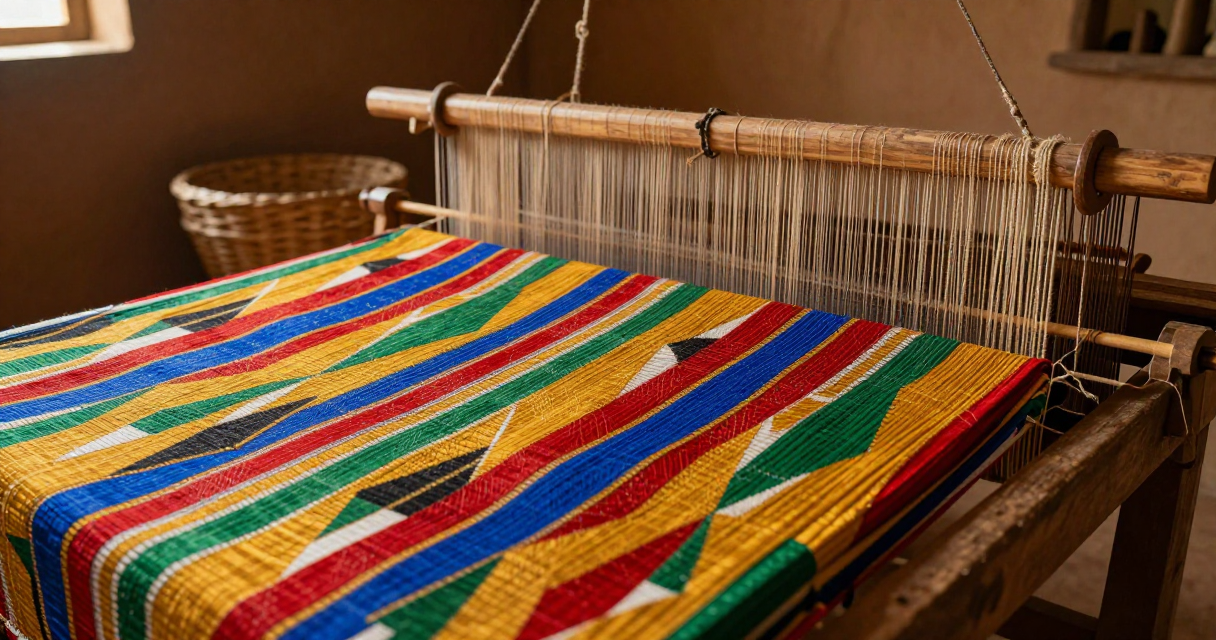
Kente cloth, a vibrant textile originating from Ghana, is much more than a mere fabric; it represents a rich cultural heritage and a profound social significance. This article explores the Kente cloth significance in various cultural contexts, illustrating its role in identity, celebration, and artistry. Understanding its importance is crucial for anyone interested in fashion, ethnography, or African crafts, as Kente cloth serves as a bridge connecting traditional customs with contemporary expressions.
Exploring the Historical Roots of Kente Cloth
The history of Kente cloth dates back several centuries, with its origins traced to the Ewe and Ashanti people of Ghana. Traditionally, Kente was woven by skilled artisans using hand looms, and the patterns were often inspired by the environment, historical events, and proverbs. Each colour and pattern holds specific meanings, reflecting the values and beliefs of the community. For example, the colour gold signifies wealth and status, while blue represents peace and harmony. Recognising Kente cloth significance begins with understanding these historical roots and the narratives woven into each piece.
As time progressed, Kente cloth became a symbol of cultural pride and identity, especially during significant events such as weddings, funerals, and festivals. It is essential to appreciate how the fabric has evolved, transitioning from a royal garment to a staple in everyday wear and ceremonial attire. This evolution illustrates the adaptability of Kente cloth and its enduring relevance in both traditional and modern contexts.
The Symbolism Behind Kente Patterns
Every Kente pattern tells a story, and understanding these symbols is crucial for appreciating the cloth’s cultural significance. Patterns are not just decorative; they convey messages, values, and social status. For instance, the “Nkyinkyim” pattern, which represents initiative, dynamism, and versatility, reflects the qualities esteemed in leaders. Each unique design serves as a visual language that communicates the wearer’s identity and values. This aspect of Kente cloth significance is vital for those looking to connect with African heritage or incorporate it into contemporary fashion.
The intricate designs also play a role in storytelling, as they often depict historical events or moral lessons. This storytelling aspect of Kente cloth enhances its cultural value, making it more than just a fabric but rather a medium for cultural expression and education. Anyone interested in ethnographic fashion should consider how these symbols can be integrated into modern designs while respecting their original meanings.
Modern Uses of Kente Cloth in Fashion
In recent years, Kente cloth has made a significant impact on the global fashion scene. Designers and fashion enthusiasts are increasingly incorporating Kente into contemporary clothing, accessories, and even haute couture. This trend not only celebrates African heritage but also promotes cultural appreciation. The Kente cloth significance in modern fashion lies in its ability to challenge stereotypes and showcase African craftsmanship on a global platform.
TurkSplainer: Kente Cloth: The Royal Fabric That Wove a Nation's Identity
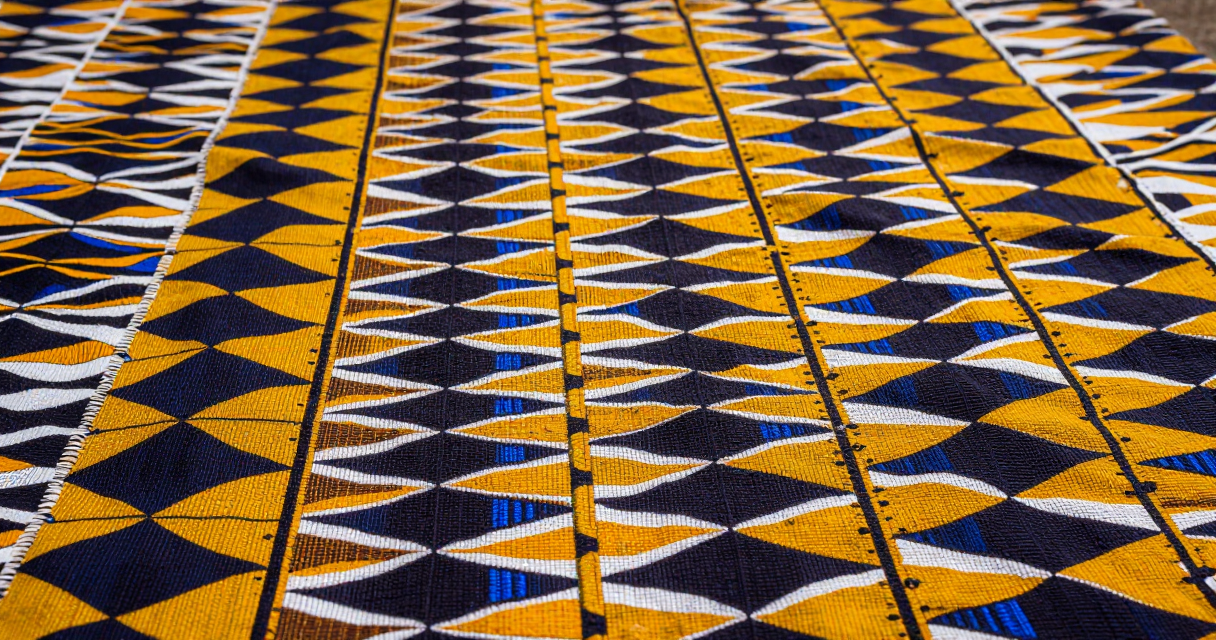
Many designers have taken inspiration from Kente patterns to create collections that resonate with a broader audience, blending traditional aesthetics with modern silhouettes. This fusion allows for the preservation of cultural heritage while embracing innovation. However, it is crucial for designers to approach this cultural appropriation with sensitivity and respect, ensuring that the stories behind the cloth are not lost in translation.
Kente Cloth in Ceremonial Contexts
Kente cloth holds a prominent place in various ceremonies, particularly in Ghanaian culture. It is commonly worn during significant life events such as weddings, graduations, and naming ceremonies. The act of donning Kente is not merely about fashion; it signifies respect, dignity, and a connection to one’s roots. Understanding the Kente cloth significance in these contexts illuminates the fabric’s role as a cultural emblem that fosters community and continuity.
During weddings, for example, the bride and groom often wear Kente to honour their heritage and demonstrate their commitment to their culture. The vibrant colours and intricate patterns serve to enhance the solemnity and joy of the occasion, making the ceremony more meaningful. This practice highlights how Kente cloth is woven into the social fabric of communities, reinforcing communal bonds and shared identities.
Preservation of Kente Weaving Techniques
The art of Kente weaving is a time-honoured tradition that requires immense skill and dedication. However, this craft faces challenges due to the rise of mass-produced textiles and changing consumer preferences. Preserving traditional Kente weaving techniques is essential to maintaining the cultural heritage associated with this fabric. The Kente cloth significance extends beyond its aesthetic appeal; it embodies centuries of craftsmanship and cultural knowledge.
Efforts are underway to ensure that the art of Kente weaving is passed down through generations. Initiatives that support local artisans and promote traditional weaving methods are crucial for sustaining this cultural practice. Additionally, educational programmes aimed at teaching young people the intricacies of Kente weaving can help safeguard the craft’s future and ensure that its significance is not forgotten.
The Global Impact of Kente Cloth
Kente cloth has transcended its geographical origins, gaining recognition and popularity worldwide. Its vibrant patterns and cultural significance have made it a symbol of African pride and identity in various diasporic communities. The globalisation of Kente cloth is not merely a trend; it reflects a growing appreciation for African culture and artistry. Understanding the Kente cloth significance on a global scale allows for a deeper connection to the African diaspora and its diverse expressions.
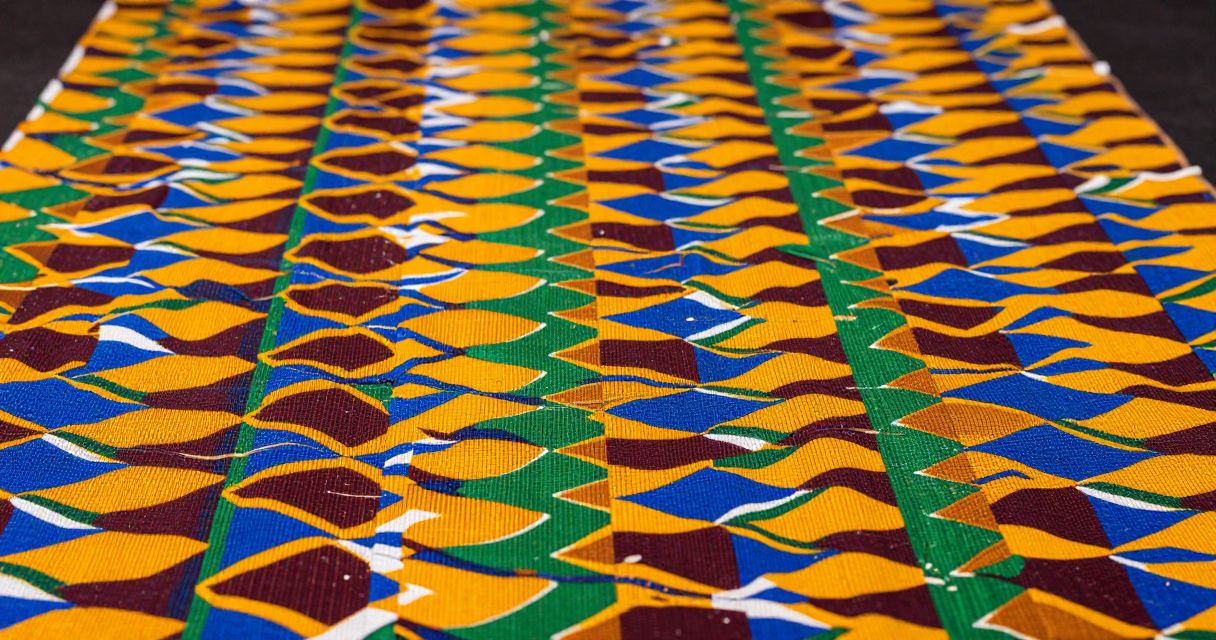
This international appeal has led to collaborations between African designers and global fashion houses, further enhancing the visibility of Kente. Such collaborations can create a dialogue about cultural heritage, fashion, and identity, allowing for a richer understanding of the fabric’s importance. However, it remains essential to navigate this global landscape with care, ensuring that the cultural narratives associated with Kente are respected and preserved.
Integrating Kente Cloth into Personal Style
For those looking to incorporate Kente cloth into their wardrobe, there are numerous ways to do so thoughtfully. Whether through clothing, accessories, or home decor, Kente can add a unique touch to personal style while celebrating its cultural roots. Understanding the Kente cloth significance is crucial when selecting pieces, as it allows for a more informed and respectful appreciation of this fabric.
When integrating Kente into your style, consider the context of the garment or accessory. For instance, wearing Kente during cultural celebrations or events can enhance the meaning behind the attire. Additionally, mixing Kente with other fabrics can create a modern look while paying homage to traditional aesthetics. However, it is vital to remain aware of the cultural implications and ensure that the use of Kente is respectful and appropriate.

I’m fascinated by the vibrant intersection of contemporary fashion and traditional African craftsmanship. I spend my free time exploring markets, learning about textile techniques, and sharing the stories behind each piece with our readers.