
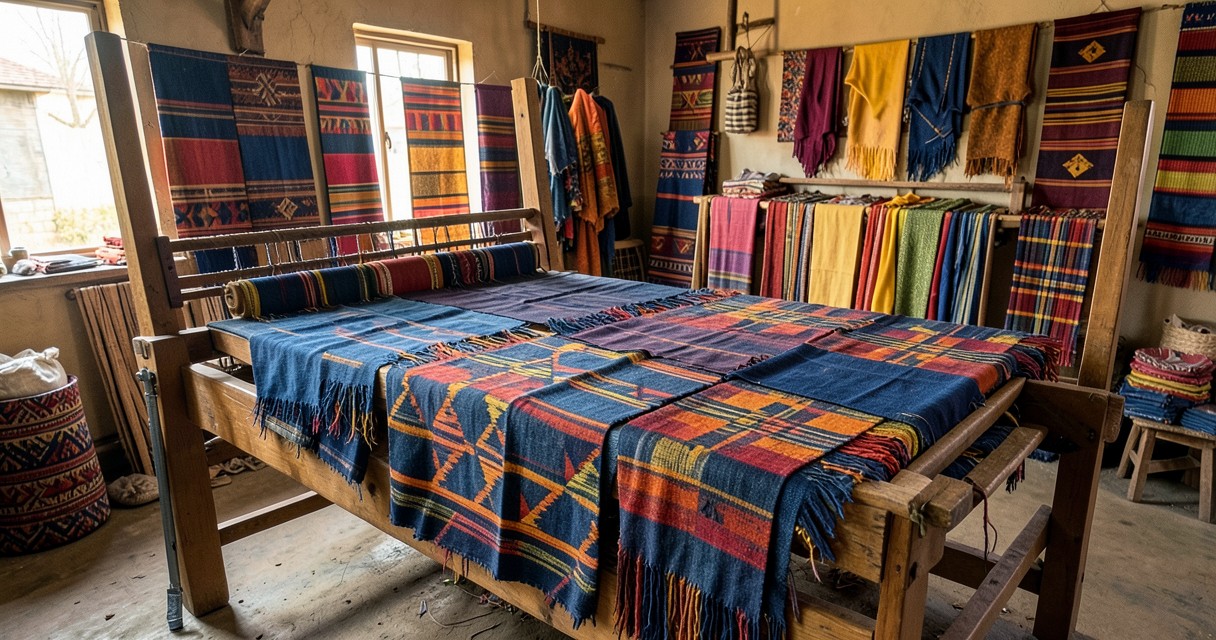
African traditional textiles represent a vibrant tapestry of cultural expression, history, and craftsmanship, showcasing the continent’s diversity and rich heritage. These textiles are not merely materials; they are vibrant narratives woven into fabric, reflecting the values, traditions, and identities of various African communities. From the intricate patterns of kente cloth to the vibrant hues of mud cloth, each piece tells a story, serving both functional and ceremonial purposes. As global interest in sustainable fashion grows, African textiles are gaining recognition not only for their beauty but also for their cultural significance and eco-friendly production methods.
Historical Significance of African Textiles
The history of African textiles is deeply intertwined with the continent’s social and political landscapes. Textiles have served as historical documents, commemorating significant events and celebrating cultural identities. For instance, cloth has been used to mark important life events, such as births, weddings, and funerals, and often embodies the values and beliefs of the community. The oldest surviving fabrics, discovered in archaeological sites in Burkina Faso, date back centuries, showcasing the long-standing tradition of textile production across Africa. Furthermore, textiles have historically functioned as currency in trade, particularly in West and Central Africa, highlighting their economic importance.
Techniques and Materials in African Textile Production
African textiles are characterised by a variety of techniques and materials that vary significantly from region to region. Weaving, dyeing, and printing are common methods employed by artisans. For example, the strip-weaving technique prevalent in West Africa involves sewing together narrow strips of cloth to create larger pieces, a skill perfected by the Mande people. Additionally, the use of natural dyes derived from plants and minerals lends a unique quality to the fabrics, with colours that are often symbolic and culturally significant. The production of kuba cloth from the Democratic Republic of Congo is another example, where raffia fibres are intricately woven to create stunning patterns and textures.
Symbolism and Cultural Meaning
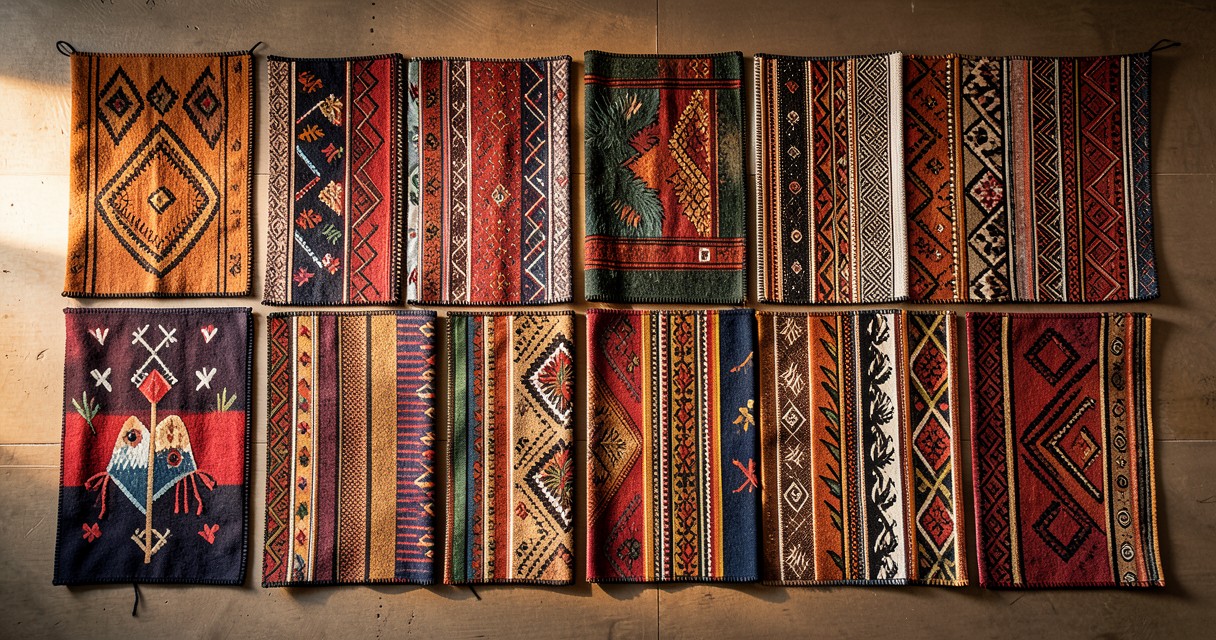
Each textile design in Africa carries deep cultural meanings and symbolism. Patterns and colours are often associated with specific messages or stories. For instance, the vibrant colours of kente cloth from Ghana are not just visually striking; they represent various proverbs, historical events, and social statuses. Similarly, the motifs used in Adire cloth from Nigeria often convey spiritual beliefs or community histories. These textiles are more than just decorative items; they are expressions of identity, conveying pride and continuity within communities.
Regional Variations in Textile Styles
The diversity of African textiles is evident in the regional variations found across the continent. In West Africa, for instance, the use of vibrant colours and bold patterns is common, with fabrics like ankara and batik dominating the fashion scene. In contrast, East African textiles often feature more muted tones and intricate beadwork, as seen in the Shuka cloth worn by the Maasai people. The North African region showcases textiles that reflect a blend of Berber and Arab influences, with intricate embroidery and rich textures. Each region’s unique style contributes to the overall richness of African textile heritage.
The Role of Textiles in Contemporary Fashion
In recent years, African textiles have made significant inroads into the global fashion industry. Designers are increasingly incorporating traditional fabrics into contemporary collections, blending cultural heritage with modern aesthetics. This fusion not only celebrates African artistry but also promotes sustainable fashion practices. Many designers are committed to ethical sourcing and supporting local artisans, ensuring that traditional techniques are preserved while providing economic opportunities. The rise of African fashion weeks and international collaborations has further elevated the profile of African textiles, bringing them to the forefront of global fashion discussions.
Preservation of Traditional Techniques
As modernisation and globalisation continue to influence the textile industry, the preservation of traditional techniques becomes crucial. Many artisans and communities are working to ensure that these age-old methods are passed down to future generations. Initiatives aimed at educating young people about traditional textile production are essential for maintaining cultural heritage. Furthermore, collaborations between artisans and designers can help to innovate while respecting the integrity of traditional practices. By fostering a greater appreciation for these textiles and their significance, communities can ensure their relevance in contemporary society.
Challenges Facing African Textile Artisans
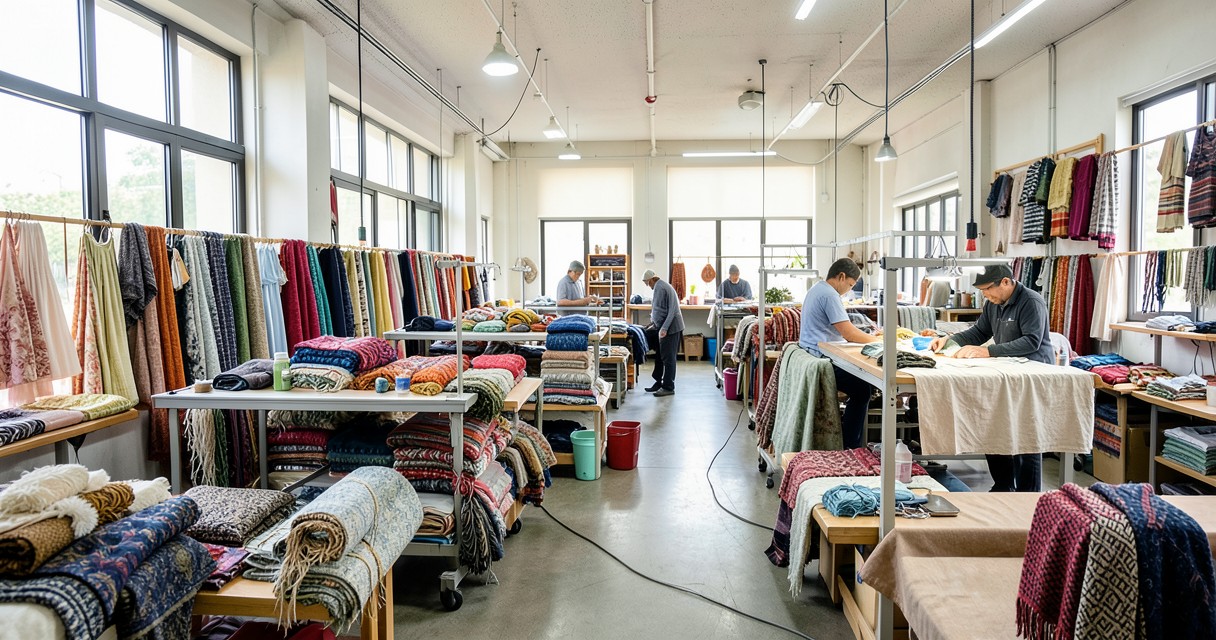
Despite the growing interest in African textiles, artisans face several challenges that threaten their craft. Issues such as access to markets, competition from mass-produced fabrics, and the impact of climate change on natural dye sources pose significant obstacles. Many artisans struggle to compete with cheaper, synthetic alternatives that flood the market, which can undermine the value of their handmade products. Additionally, global supply chain disruptions can affect the availability of raw materials needed for traditional textile production. Addressing these challenges requires a concerted effort from governments, NGOs, and the private sector to support and empower local artisans.

I’m fascinated by the vibrant intersection of contemporary fashion and traditional African craftsmanship. I spend my free time exploring markets, learning about textile techniques, and sharing the stories behind each piece with our readers.