
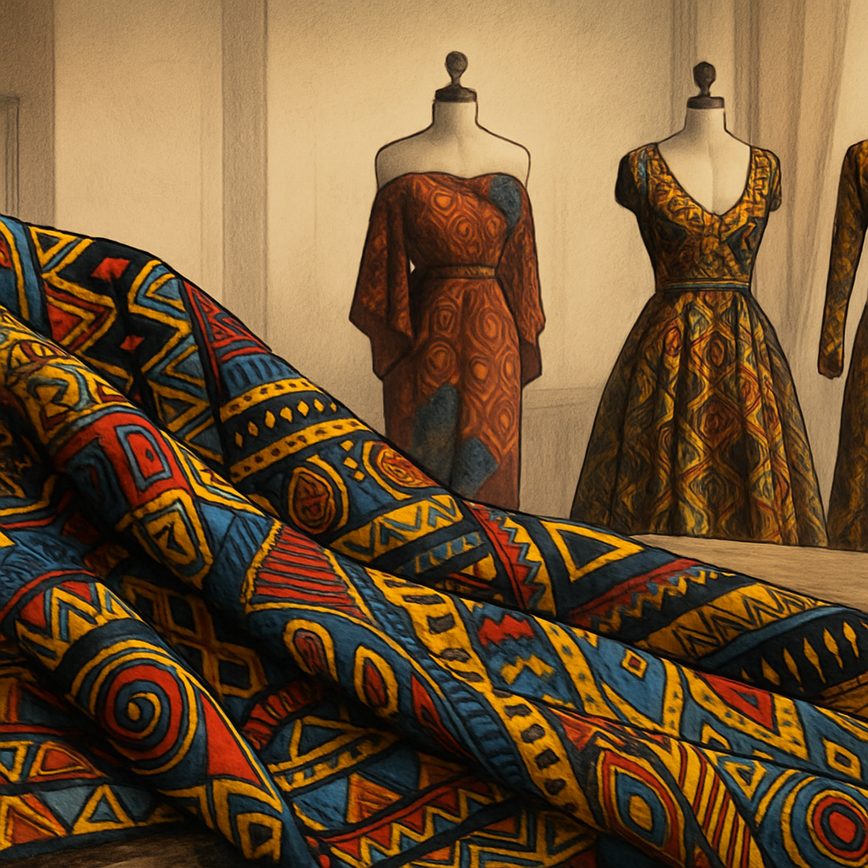
Introduction to African Textile Motifs in Haute Couture
African textile motifs have long been treasured for their vibrant colors, intricate patterns, and deep cultural meanings. These motifs carry stories of heritage, identity, and tradition, making them more than just decorative elements. In recent years, their influence has extended far beyond local use, capturing the imagination of haute couture designers around the world. The incorporation of African textile motifs in haute couture represents a powerful fusion of tradition and modern luxury fashion.
Haute couture, known for its exclusivity and craftsmanship, has been increasingly embracing African textile motifs as a source of inspiration. This shift is not just a trend but a recognition of the artistic value and cultural richness these motifs embody. African designs often feature symbolic patterns derived from nature, spirituality, and social narratives, providing a fresh and meaningful perspective to contemporary fashion. As a result, African textile motifs are becoming a significant hallmark in the global haute couture scene.
The growing influence of African textile motifs in haute couture is also a reflection of the fashion industry’s broader commitment to diversity and inclusivity. Designers are exploring African aesthetics to create collections that celebrate cultural uniqueness and craftsmanship, elevating them onto prestigious runways. This cultural influence enriches the fashion world, offering consumers more choices that resonate with heritage and identity, while also supporting artisans and traditional textile techniques from Africa.
In essence, African textile motifs have evolved from their traditional roots to become a pivotal element in haute couture, bridging continents and cultures. Their growing prominence highlights the intersection of art, history, and luxury fashion, making them essential to understanding contemporary design innovation. As this cultural influence continues to expand, it paves the way for a more global and enriched fashion dialogue where heritage and haute couture coexist beautifully.
Historical Background of African Textiles
The rich history of African textiles is deeply intertwined with the continent’s cultural identity and heritage. African textiles history dates back centuries, with traditional fabrics playing a significant role in social, ritualistic, and everyday contexts. These textiles are not merely materials; they are storytellers of communities, embodying meanings that go beyond their aesthetic appeal.
Traditional fabrics such as kente from Ghana, mudcloth from Mali, and adire from Nigeria are renowned for their intricate patterns and symbolic meanings. Each motif, color, and weaving technique holds cultural significance and often communicates messages about status, family lineage, or spiritual beliefs. The textile heritage of Africa is a vivid reflection of the continent’s diversity and creativity, with each region boasting its unique styles and production methods.
African textiles have historically been used in ceremonies, rites of passage, and as expressions of identity and solidarity. Their cultural significance is preserved and celebrated through generations, influencing not only African communities but also global fashion and haute couture. Understanding the origins and traditional use of these textiles allows a deeper appreciation of their value, both as cultural artifacts and artistic masterpieces.
Distinctive Patterns and Symbols in African Motifs
African patterns are rich in cultural symbolism, reflecting the heritage, beliefs, and values of diverse communities across the continent. Common textile symbols in African motifs often carry deep meanings that transcend mere decoration. For example, the Adinkra symbols of West Africa are widely recognized for their profound cultural significance. These motifs, such as “Gye Nyame” representing the supremacy of God, and “Sankofa,” symbolizing the importance of learning from the past, are frequently incorporated into fabric designs used in traditional garments and haute couture alike.
Motif designs in African textiles often draw inspiration from nature, spirituality, and social structures. Geometric patterns, such as zigzags, chevrons, and concentric circles, are not only visually striking but also represent concepts like unity, continuity, and protection. For instance, the Kuba cloth from Central Africa features interlocking patterns that convey a sense of communal harmony and identity. Similarly, the use of animal motifs in fabrics can symbolize traits admired in societies, such as strength, wisdom, or agility.
These textile symbols serve as a visual language, communicating stories, histories, and values through their intricate designs. Designers in haute couture harness the emotive power of these African patterns, blending traditional symbolism with contemporary fashion to celebrate cultural heritage while innovating new artistic expressions. The enduring appeal of these motifs lies in their ability to connect wearers with a rich cultural narrative, making each piece not just a garment, but a symbol of identity and pride.
Incorporation of African Motifs in Contemporary Haute Couture
Contemporary fashion has seen a dynamic evolution through the embrace of diverse cultural influences, and one of the most vibrant sources of inspiration comes from African textile motifs. Haute couture integration of these motifs has been gaining momentum among fashion designers who seek to blend tradition with modernity, crafting unique collections that celebrate African artistry on global runways.
Fashion designers in the haute couture realm are increasingly incorporating African motifs not merely as decorative elements but as storytelling devices. These motifs, rich with historical and cultural significance, add depth and authenticity to collections, creating a bridge between heritage and contemporary aesthetics. Whether through intricate embroidery, bold prints, or textured fabrics, African motifs serve as a vibrant palette for haute couture innovation.
Runway shows featuring these inspirations are characterized by their striking use of color palettes and symbolic patterns that reflect various African ethnic groups. Designers meticulously blend these traditional motifs with luxurious fabrics such as silk, velvet, and organza, elevating them to the pinnacle of modern fashion craftsmanship. This marriage of ancient motif and refined technique results in garments that are not only visually stunning but also culturally resonant.
Moreover, the haute couture integration of African motifs is a testament to the growing recognition and respect for African artistry within the global fashion industry. Influential designers collaborate with African artisans and craftsmen to ensure that the authenticity of the motifs is preserved, while also fostering sustainable fashion practices that support local communities. This collaborative approach enriches the fashion narrative and promotes a more inclusive representation on international platforms.
The role of African motifs in contemporary fashion extends beyond aesthetics; it challenges and expands the conventional boundaries of haute couture. As designers continue to experiment with these rich patterns and textures, they contribute to a more diverse and culturally enriched fashion landscape. Ultimately, the integration of African textile motifs in haute couture collections celebrates identity, creativity, and innovation, making it a powerful trend in the future of fashion.
Notable Designers Using African Textile Inspirations
Several fashion designers and haute couture brands have prominently showcased African-inspired haute couture by incorporating traditional African textile motifs into their collections. These designers skillfully blend cultural heritage with modern fashion, creating unique pieces that celebrate African artistry on global runways.
One such influential designer is Ozwald Boateng, a British-Ghanaian couturier known for integrating African patterns with classic tailoring, bringing African textiles into menswear haute couture. His work exemplifies the seamless fusion of traditional motifs with contemporary fashion design elements.
Another notable figure is Nigerian designer Lisa Folawiyo, whose label J e w e l s uses West African Ankara fabrics to produce vibrant, intricately beaded haute couture garments. Through her collections, Folawiyo highlights the aesthetic richness of African textiles, making them accessible to a wider fashion audience.
French designer Stella Jean also stands out for her dedication to African-inspired haute couture. Her designs celebrate African textile use with bold prints and patterns that reflect the continent’s diverse cultural narratives, gaining recognition in international fashion circuits.
These designer profiles illustrate how African textile motifs have become a significant source of inspiration in haute couture. Their work not only champions authentic textile use but also elevates African artistry in global fashion, influencing trends and encouraging cultural appreciation worldwide.
Techniques for Integrating African Patterns in Haute Couture
Integrating African motifs into haute couture demands a sophisticated blend of fashion techniques that respect the authenticity of the patterns while elevating their appeal to luxury markets. One fundamental approach is meticulous fabric selection. Designers often choose high-quality materials such as silk, velvet, and organza, which enhance the visual depth and texture of African textiles. These fabrics provide a refined canvas that highlights the intricate patterns and vibrant colors traditionally used in African crafts.
Another essential technique is embroidery, which is frequently employed to give dimension and elegance to African motifs. Skilled artisans use hand embroidery to replicate or augment traditional designs, incorporating delicate beadwork, sequins, and metallic threads. This craftsmanship not only preserves the cultural essence of the textiles but also aligns with haute couture’s emphasis on detail and precision.
Pattern integration in haute couture also involves thoughtful placement and scaling of motifs to complement garment structure and movement. Designers carefully adapt African motifs to suit contemporary silhouettes, ensuring harmony between tradition and modernity. This often requires digital manipulation and sampling to refine pattern layouts.
Ultimately, these haute couture methods underscore the synergy between textile craftsmanship and innovative fashion techniques, resulting in garments that celebrate African heritage while meeting the highest standards of luxury design.
Cultural Impact and Future Trends of African Textile Motifs in Luxury Fashion
The cultural impact of African textile motifs on luxury fashion represents a significant evolution in the global fashion landscape. These motifs, deeply rooted in African heritage, symbolism, and artistry, have transcended traditional boundaries to become powerful icons within haute couture. By integrating authentic African patterns and craftsmanship, luxury brands are not only celebrating cultural diversity but also fostering a deeper appreciation for the richness of Africa’s artistic legacy.
Luxury fashion trends increasingly embrace African motifs, recognizing their potential to tell stories that resonate globally. This shift marks a move away from generic design toward more meaningful, culturally inspired creations that engage consumers seeking authenticity and connection. As African motifs become hallmarks of exclusivity and identity, they challenge conventional Western-centric fashion narratives and encourage collaboration and cultural exchange between designers and African artisans.
Looking toward the future of African motifs in fashion, sustainability will play a pivotal role. The fashion industry’s growing commitment to ethical practices offers an opportunity to leverage traditional African textile techniques, which often emphasize handcrafted methods and natural materials. This alignment introduces a compelling narrative where luxury meets sustainability, supporting both environmental responsibility and the preservation of indigenous craft traditions.
Moreover, the future trends in luxury fashion will likely focus on cultural appreciation rather than appropriation. Brands are expected to deepen their partnerships with African communities, ensuring that creative contributions are acknowledged and fairly compensated. This ethical approach not only protects cultural heritage but also empowers local economies, creating a sustainable model for global fashion innovation that honors the origins of its inspiration.
In conclusion, the integration of African textile motifs in luxury fashion catalyzes a broader cultural dialogue and drives transformative trends centered around sustainability and respect. As these motifs continue to inspire and shape haute couture, they herald a future where fashion serves as a bridge between cultures, fostering appreciation, ethical practices, and enduring artistic expression.
Cultural Appreciation vs. Appropriation in Fashion
The use of African textile motifs in haute couture has sparked vital conversations surrounding cultural appreciation versus cultural appropriation. Cultural appreciation in fashion involves respecting and honoring the origins, meanings, and contexts of African motifs, ensuring that their use is done with acknowledgment and sensitivity. This approach supports ethical fashion by promoting genuine understanding and collaboration with African communities and artisans.
Conversely, cultural appropriation occurs when African motifs are used superficially or exploited without permission, often disregarding their cultural significance. This practice can lead to misrepresentation and commodification, stripping motifs of their heritage and meaning. Such actions raise questions about fashion responsibility, urging designers and brands to consider the impact of their choices on the cultures they draw from.
To foster ethical fashion, it is essential for designers to engage in thoughtful dialogue and partnerships with cultural custodians. This not only helps preserve the authenticity of African motifs but also empowers indigenous communities through fair recognition and sharing of economic benefits. By prioritizing cultural appreciation over appropriation, the fashion industry can celebrate diversity while upholding respect and integrity.
Emerging Trends and Innovations in African Textile Usage
In recent years, fashion innovation has embraced African textile motifs with renewed vigor, creating a dynamic fusion of tradition and contemporary style. Emerging designers are at the forefront of this movement, pushing boundaries by incorporating vibrant African textile patterns into haute couture collections. These designers challenge conventional fashion norms, using techniques such as digital printing and fabric manipulation to reinterpret classic motifs in fresh, modern ways.
The latest textile trends highlight a shift towards sustainability and cultural storytelling, with African textiles playing a crucial role in this evolution. Designers are increasingly sourcing authentic fabrics directly from artisans, ensuring ethical production while celebrating the rich heritage embedded within each motif. This approach not only preserves traditional craftsmanship but also propels the African textile future into global fashion conversations.
Moreover, innovative collaborations between African artists and international fashion houses are fostering a creative exchange that enriches the industry. These partnerships bring attention to the unique aesthetic qualities of African textiles, allowing emerging designers to showcase their talents on prestigious platforms. As a result, the use of African textile motifs continues to inspire groundbreaking collections, setting new standards for haute couture worldwide.

I’m fascinated by the vibrant intersection of contemporary fashion and traditional African craftsmanship. I spend my free time exploring markets, learning about textile techniques, and sharing the stories behind each piece with our readers.