
Introduction to Kente Cloth
Kente cloth is a vibrant and intricately woven fabric that holds deep cultural significance in Ghana and across Africa. Known as one of the most iconic Ghana textiles, kente cloth is much more than just a traditional fabric; it is a symbol of history, identity, and artistry that has been passed down through generations. Originating from the Ashanti and Ewe peoples of Ghana, kente weaving is a revered craft that connects wearers to their ancestral heritage and cultural roots.
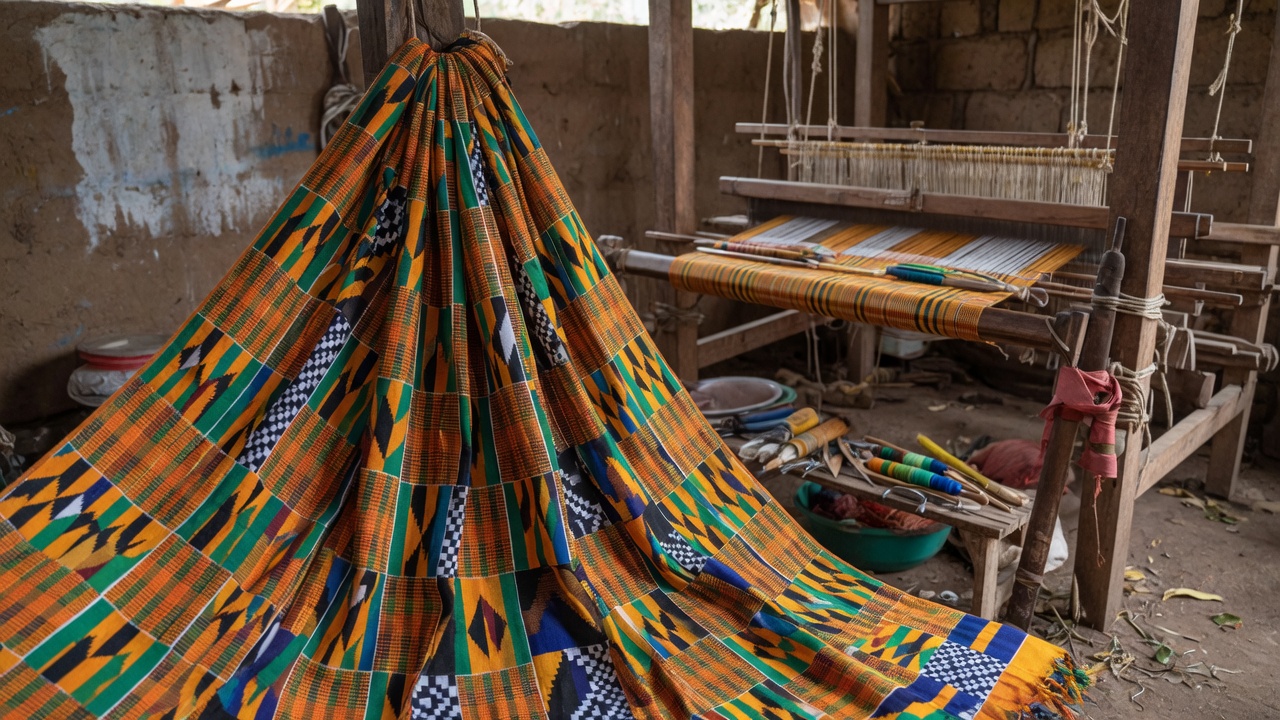
The making of kente cloth involves highly skilled African weaving techniques that have been refined over centuries. Each cloth is woven on a loom in narrow strips, which are then carefully stitched together to create large, colorful pieces. The patterns and colors used in kente cloth are not random—they carry specific meanings and messages that communicate social status, stories, proverbs, and values within the community. This traditional fabric serves as a living language, reflecting the heritage in Ghanaian culture and its history.
Throughout history, kente cloth has played a prominent role in ceremonies and special occasions such as weddings, festivals, and rites of passage. It is often worn by royalty and important leaders, symbolizing prestige and authority. Beyond Ghana, kente has become a powerful emblem of African heritage and pride, embraced by people across the African diaspora as a representation of cultural identity and unity.
In modern times, the influence of kente cloth extends into fashion and art, inspiring designers worldwide to incorporate its distinctive patterns and colors into contemporary styles. Yet, the essence of kente remains rooted in its traditional craftsmanship and the rich cultural narrative it conveys. As a treasured Ghana textile, kente cloth continues to celebrate the beauty and resilience of African weaving and the enduring spirit of its people.
Materials and Tools Used in Kente Weaving
Kente cloth, revered for its vibrant patterns and cultural significance, is crafted using meticulously selected kente materials that emphasize both quality and tradition. The primary fibers employed in kente weaving include silk threads and cotton yarn, each sourced with great care to ensure the final textile radiates durability and elegance.
Silk threads are prized in kente weaving for their lustrous sheen and smooth texture. These threads often come from carefully cultivated silkworm farms or through trade channels that prioritize premium quality silk. The silk provides a glossy finish and allows for the intricate, shimmering patterns characteristic of many kente designs, making the cloth not only a visual delight but also a symbol of status and craftsmanship.
Cotton yarn, another essential kente material, brings strength and flexibility to the cloth. Traditionally, yarn is hand-spun from high-grade cotton fibers sourced locally or from trusted suppliers. This cotton yarn is valued for its softness and breathability, complementing the silk’s brilliance by adding structure and comfort to the fabric. The combination of silk threads and cotton yarn allows artisans to weave both vibrant and resilient textiles that stand the test of time.
The weaving tools used in kente production are as traditional as the material itself, connecting the craftsperson to generations of heritage. Central among these tools is the wooden loom, often hand-carved from sturdy, local hardwoods. This loom is designed to hold the threads taut and enable precise interlacing of warp and weft threads, which is vital for forming the complex, geometric patterns that define kente cloth.
Additionally, weaving sticks and heddles made from robust materials assist weavers in manipulating threads and maintaining tension during the process. These tools are carefully maintained and sometimes passed down through families, symbolizing the continuity of the craft. The harmony between the superior quality kente materials and the time-honored weaving tools not only creates beautiful cloth but also preserves the cultural essence embedded in every piece of kente fabric.
Types of Threads and Fabrics
Kente cloth weaving relies heavily on the choice of threads, with silk threads and cotton yarn being the primary weaving materials. Each of these fabric types brings unique qualities to the final cloth, influencing its texture, durability, and aesthetic appeal.
Silk threads are prized for their natural sheen and smooth finish, which add a luxurious luster to the kente cloth. The use of silk threads results in a lightweight fabric with a soft and delicate touch. However, silk is more expensive and requires careful handling during the weaving process, adding to the craftsmanship involved in producing fine kente cloth. The vibrant colors often appear more radiant when woven with silk, enhancing the visual impact of the patterns.
On the other hand, cotton yarn is more commonly used due to its availability and affordability. Cotton yarn produces a more robust and slightly coarser fabric compared to silk. This fabric type offers greater durability and is easier to work with, making it suitable for everyday wear. The matte texture of cotton also provides a traditional, earthy feel to the kente cloth. While the colors may not shine as brightly as silk, cotton yarn allows for intricate designs and vivid color combinations to be maintained over time.
The choice between silk threads and cotton yarn thus significantly affects both the look and feel of the kente cloth. Artisans select weaving materials based on the desired end use of the fabric, balancing luxury with practicality in every weave.
Traditional Weaving Equipment
The intricate art of weaving kente cloth is deeply rooted in the use of traditional weaving tools and equipment. Central to this craft is the handloom, a specialized apparatus that allows artisans to create the vibrant, geometric patterns synonymous with kente. The loom, often a strip loom or narrow width loom, is designed for handloom weaving and requires great skill and precision from the weaver. This equipment consists of a wooden frame that holds the warp threads taut, enabling the artisan to weave the weft threads carefully across them to form the fabric.
In addition to the loom, other traditional tools play a crucial role in the production of kente cloth. These include weaving tools such as heddles, which assist in lifting the warp yarns to create a shed, and shuttles, which carry the weft thread through the shed. The use of these craft techniques demands not only dexterity but also an intimate understanding of the patterns and symbolic meanings woven into the cloth. Each tool contributes to the precision and beauty of the final fabric, reflecting centuries of refined handloom weaving expertise.
Together, the loom and accompanying weaving tools embody the fusion of artistry and functionality, making the traditional weaving equipment indispensable to the creation of authentic kente patterns. Through these time-honored methods, artisans continue to preserve and celebrate this iconic cultural heritage with every thread they weave.
The Artistry and Techniques of Kente Craftsmanship
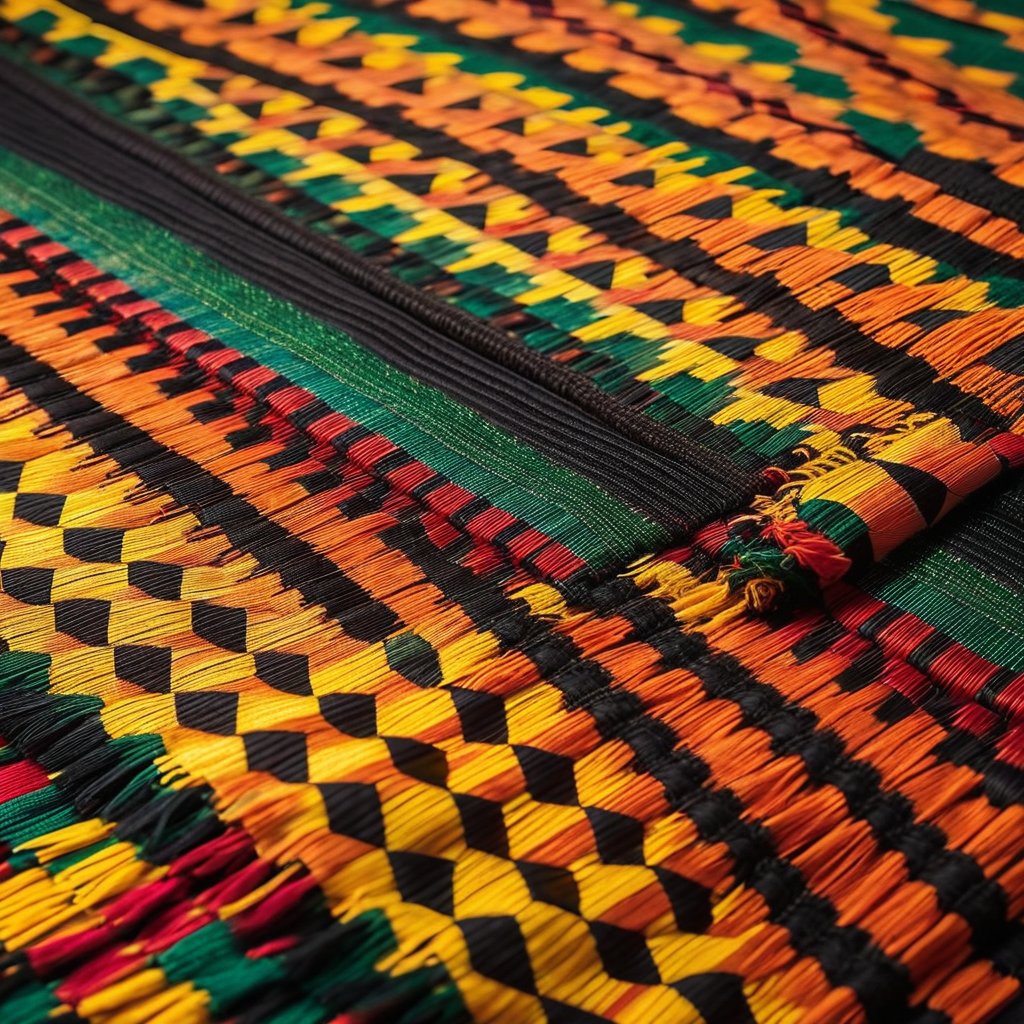
The creation of authentic kente cloth is a striking testament to the mastery of skilled artisans who have refined their weaving techniques over generations. This intricate craftsmanship involves a meticulous process where each thread is woven with precision to produce vivid and complex patterns, embodying deep cultural significance. The artisans’ expertise in manipulating the loom to interlace threads creates fabrics that are not only visually stunning but also steeped in meaning.
Weaving techniques employed in kente cloth production are highly sophisticated. Using narrow strip looms, the artisan weaves thin strips of cloth that are later sewn together to form a larger piece. Each strip is a canvas showcasing elaborate geometrical patterns and vibrant color combinations, achieved through dexterous yarn manipulation. The complexity of these patterns requires a profound understanding of the loom’s mechanics and a practiced hand, demonstrating the high level of craftsmanship involved.
Pattern symbolism is integral to the artistry of kente cloth. Each design element conveys unique messages, reflecting aspects like social status, historical narratives, moral values, and spiritual beliefs. Symbols woven into the fabric serve as visual storytellers, communicating cultural heritage and identity. This aspect of pattern symbolism elevates the cloth beyond mere fabric, positioning it as a powerful symbol of cultural expression and communal memory.
The artisanship required for kente cloth production underscores the dedication to preserving traditional knowledge and techniques. Master weavers often undergo rigorous apprenticeships, learning to balance the aesthetic and symbolic dimensions of their work. Their proficiency ensures every piece is crafted with intentionality and artistic integrity, honoring both their craft and cultural legacy.
Ultimately, the artistry and techniques behind kente cloth embody an exquisite fusion of skill and symbolism. The weaving techniques, pattern symbolism, and high level of craftsmanship converge to produce fabrics that resonate culturally and artistically. This enduring tradition not only highlights the technical prowess of the artisans but also preserves a rich cultural narrative woven into every thread.
Weaving Patterns and Their Symbolism
Kente cloth is renowned not only for its vibrant colors but also for its intricate patterns, each imbued with deep cultural meanings. The patterns used in kente designs serve as visual proverbs, conveying stories, historical events, and moral values cherished by the communities that weave them. One of the most common patterns is “Eban”, which symbolizes safety, security, and the importance of home and family. Its name means “fence,” reflecting protection and love within the household.
Another notable pattern is “Nkyinkyim”, which represents the twists and turns of life. It symbolizes adaptability, creativity, and resilience, reminding wearers and viewers alike to remain flexible through challenges. The “Adwinasa” pattern symbolizes excellence, qualities of being the best in one’s field, and leadership. It is often worn by those who have achieved great success or who are respected leaders in their communities.
The “Fawohodie” design conveys freedom and emancipation, highlighting themes of liberation from oppression and the triumph of spirit. Meanwhile, “Sesa Wo Suban” emphasizes the importance of transformation and self-improvement, urging individuals to strive for positive change in all areas of life. Each kente pattern carries a legacy of cultural symbolism that reflects the values, beliefs, and history of the Akan people and other groups that cherish this centuries-old weaving tradition.
The Weaving Process Step-by-Step
The weaving process of kente cloth is a meticulous craft involving multiple intricate steps that highlight artisan techniques and rich cultural heritage. It begins with the preparation of the loom, typically a traditional narrow-strip loom, which is essential for creating the cloth’s distinctive pattern and structure. Artisans first prepare the warp threads, carefully measuring and aligning them to ensure precision and symmetry in the final product.
Next, the craft steps involve the selection and dyeing of threads in vibrant colours symbolic of various meanings and stories. Skilled weavers then interlace the weft threads through the warp threads using a shuttle, creating the iconic geometric patterns unique to kente production. This stage demands patience and dexterity, as each pattern must be accurately replicated to maintain authenticity.
As the weaving progresses, the cloth gradually takes shape, strip by strip, each about 4 inches wide. These strips are then sewn together to form larger pieces of fabric used for garments and ceremonial wear. Throughout the weaving process, artisans employ age-old techniques passed down through generations, preserving the cultural significance and exquisite craftsmanship of kente cloth.
From preparation to finished cloth, every step in the weaving process embodies dedication and artistry, showcasing the remarkable skill involved in kente production. This traditional craft not only produces beautiful textiles but also tells a story deeply embedded in the identity of the people who create it.

I’m fascinated by the vibrant intersection of contemporary fashion and traditional African craftsmanship. I spend my free time exploring markets, learning about textile techniques, and sharing the stories behind each piece with our readers.