
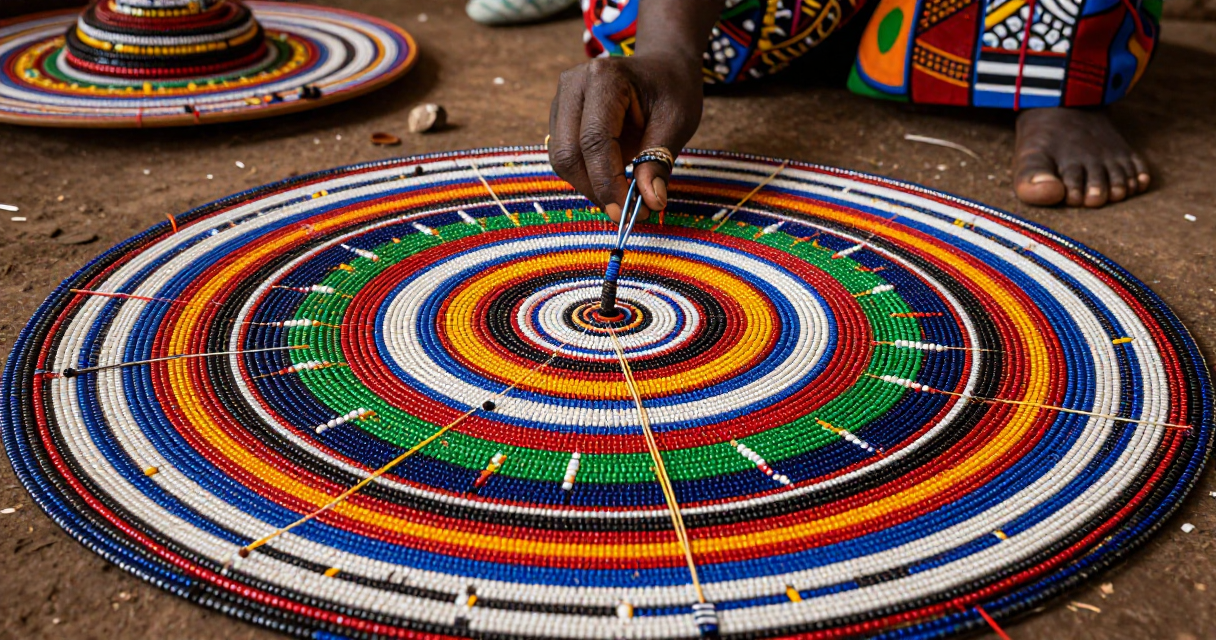
As we step into 2026, the intricate world of African beadwork continues to captivate artisans and enthusiasts alike. This ancient craft, rich in cultural significance, showcases not only stunning aesthetics but also tells stories woven into every bead. From the vibrant Maasai necklaces of Kenya to the detailed patterns of Zulu beadwork in South Africa, each piece is a reflection of identity and heritage. The artistry involved is astounding, with skilled craftspeople often spending days or even weeks perfecting their creations. This article unpacks the evolving landscape of African beadwork, highlighting its relevance in contemporary fashion and its enduring cultural legacy.
Essential Prerequisites: Sourcing Authentic African Beads and Tools
To craft authentic African beadwork, it is imperative to source genuine materials that reflect the cultural heritage and artistry of the continent. African beads are often made from various materials, including glass, clay, wood, and metal, each carrying its unique story and significance. For instance, the vibrant glass beads commonly used in West African jewellery are often sourced from long-standing trade routes, with Venetian glass beads being particularly revered. Understanding these origins not only enriches the crafting process but also ensures that the finished pieces resonate with authenticity and cultural depth.
In addition to the beads, selecting the right tools is equally essential. Traditional beadwork often requires specific instruments such as needles, thread, and sometimes even tools for shaping and polishing beads. Many artisans prefer using handmade tools that are aligned with their cultural practices, which can enhance the overall craftsmanship and connection to their heritage. Local markets and artisan cooperatives are excellent places to find these authentic tools, as they often reflect the traditional methods passed down through generations. This careful selection of both beads and tools is vital in creating beadwork that not only looks beautiful but also tells a meaningful story.
Decoding Traditional Motifs: Colour Palettes and Symbolic Patterns
The vibrant colour palettes found in African beadwork are not merely aesthetic choices; they are rich with meaning and cultural significance. Each hue often represents specific themes or emotions. For instance, red may signify strength and courage, while blue often embodies peace and harmony. In many communities, these colours are meticulously selected according to traditional beliefs, ensuring that the beadwork serves not just as decoration but as a reflection of the wearer’s identity and values. The intricate patterns formed by these colours also tell stories, depicting ancestral ties or significant life events. The careful placement of each bead is deliberate, with skilled artisans weaving narratives of their heritage into every strand.
Symbolic patterns in African beadwork further enhance the depth of these creations. Geometric shapes, such as triangles and diamonds, are common, each carrying distinct meanings that can vary from one culture to another. For example, a series of triangles may represent the journey of life, while interlocking circles might signify unity and community. Artisans often draw inspiration from nature, incorporating motifs that reflect their environment, such as animals or plants. This connection to the natural world not only enriches the visual appeal but also reinforces the cultural narratives embedded within the beadwork. As such, each piece is a testament to the skills of the artisan and the stories passed down through generations.
Preparing Your Fabric Base: Tension, Stabiliser and Layout Techniques
Establishing a solid foundation for your beadwork is essential, and it begins with the right fabric base. The tension of the fabric is crucial; it should be taut enough to prevent sagging but not so tight that it distorts the shape. Many artisans prefer using a hoop or frame to maintain this tension, allowing for easier manipulation of the beads during the stitching process. When selecting fabric, opt for a sturdy material that can withstand the weight of the beads without tearing. Canvas or cotton blends are often favoured for their durability and ease of use.
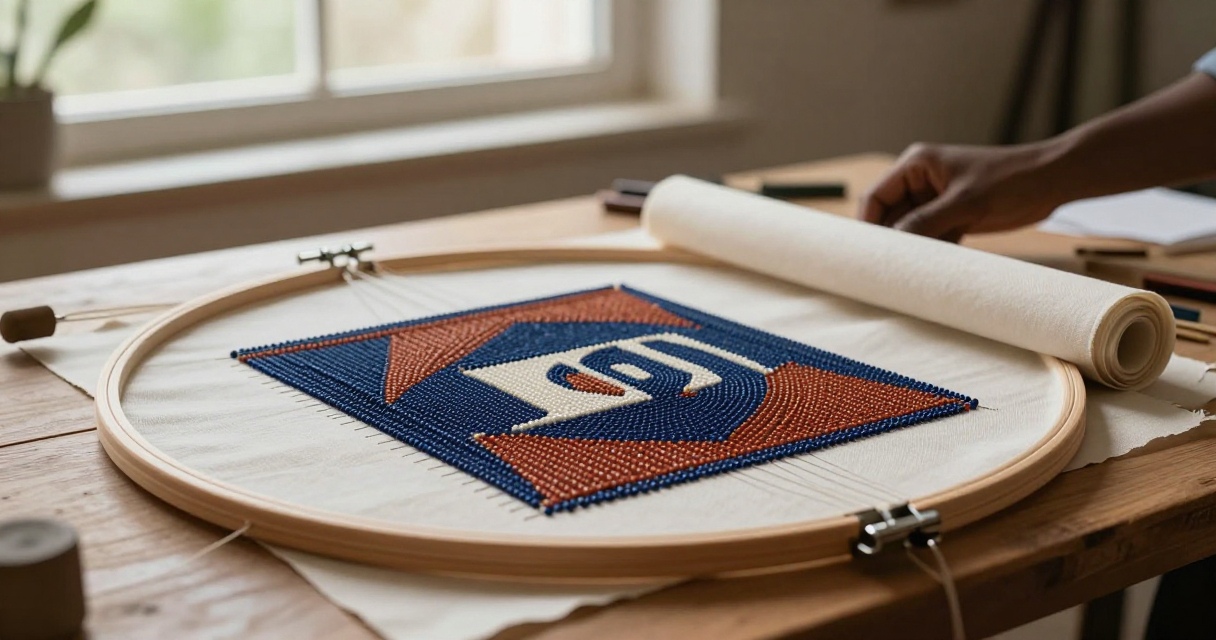
Incorporating stabiliser into your beadwork can significantly enhance the final product. Stabiliser helps to keep the fabric from shifting and provides additional support, especially when working with intricate designs. There are various types of stabilisers available, including tear-away and wash-away options, each suitable for different projects. For detailed beadwork, a lightweight stabiliser is often recommended to ensure flexibility while still providing structure. Additionally, layout techniques play a pivotal role in achieving a balanced design. Planning your bead placement ahead of time, perhaps using a sketch or a grid system, can prevent overcrowding and ensure that your work flows seamlessly.
Step by Step Stitching: Mastering Seed Bead and Peyote Techniques
Seed bead stitching and the peyote technique are foundational skills in the art of African beadwork, each requiring patience and precision. The peyote stitch, in particular, is renowned for its versatility and ability to create intricate patterns. To begin, you’ll need a selection of seed beads, a needle, and thread. Start by stringing a number of beads onto your thread, typically an odd number, then pass the needle back through the first bead to create a loop. This initial step sets the stage for building your design, and the consistent tension on your thread is crucial for a polished finish. As you continue, alternate the rows, ensuring each bead sits snugly against the previous one, thus forming the characteristic zigzag pattern.
As you master the peyote stitch, you can explore variations such as the circular peyote or even tubular peyote, which opens up a world of 3D designs. Incorporating different bead sizes and colours can enhance the visual impact of your work. For instance, using larger beads as focal points amidst smaller ones can create stunning contrasts. Regular practice will not only improve your stitching speed but also your ability to envision complex designs, allowing you to experiment with traditional African patterns. Embracing these techniques is key to honouring the rich heritage of African beadwork while also developing your unique artistic voice.
Integrating Contemporary Fashion Elements with Classic African Designs
The fusion of contemporary fashion with traditional African designs is a vibrant testament to cultural evolution and innovation. Designers are increasingly turning to African traditional textiles for inspiration, using their bold patterns and vibrant colors to celebrate the continent’s rich cultural diversity. For instance, the use of intricate beadwork, a hallmark of many African cultures, is being reimagined in modern silhouettes, creating pieces that are both stylish and deeply rooted in tradition. This blend not only celebrates African craftsmanship but also introduces it to a global audience, allowing for a broader appreciation of its artistic significance.

In recent years, collaborations between African artisans and international fashion houses have further propelled this integration. These partnerships often result in unique collections that highlight traditional techniques while embracing contemporary aesthetics. For example, the revival of traditional weaving methods, paired with modern cuts and styles, showcases how age-old practices can coexist with current trends. This approach not only enhances the aesthetic appeal of the garments but also empowers local communities by providing them with a platform to showcase their skills on the international stage.
Finalising the Piece: Finishing Touches, Care Guidelines and Avoiding Common Mistakes
When completing a beadwork project, attention to detail is paramount. The finishing touches can make a significant difference in the overall appearance and durability of the piece. For instance, ensuring that all knots are secure and hidden enhances the visual appeal while preventing potential unraveling. Using a clear sealant can protect the beads from moisture and dirt, extending the life of the jewellery. Additionally, considering the type of clasp or fastening can elevate the design; opt for secure closures that complement the aesthetic of the piece.
Proper care guidelines are essential for maintaining the beauty of African beadwork. Avoid exposing your creations to harsh chemicals or excessive moisture, as these can damage the beads and materials. Instead, gently clean your jewellery with a soft, dry cloth after each wear to remove oils and dirt. Store pieces in a cool, dry place, ideally in a soft pouch or a dedicated jewellery box to prevent scratches. Common mistakes often include neglecting to check for loose beads or failing to secure knots adequately, which can lead to disappointment when a piece fails during wear.

I’m fascinated by the vibrant intersection of contemporary fashion and traditional African craftsmanship. I spend my free time exploring markets, learning about textile techniques, and sharing the stories behind each piece with our readers.