
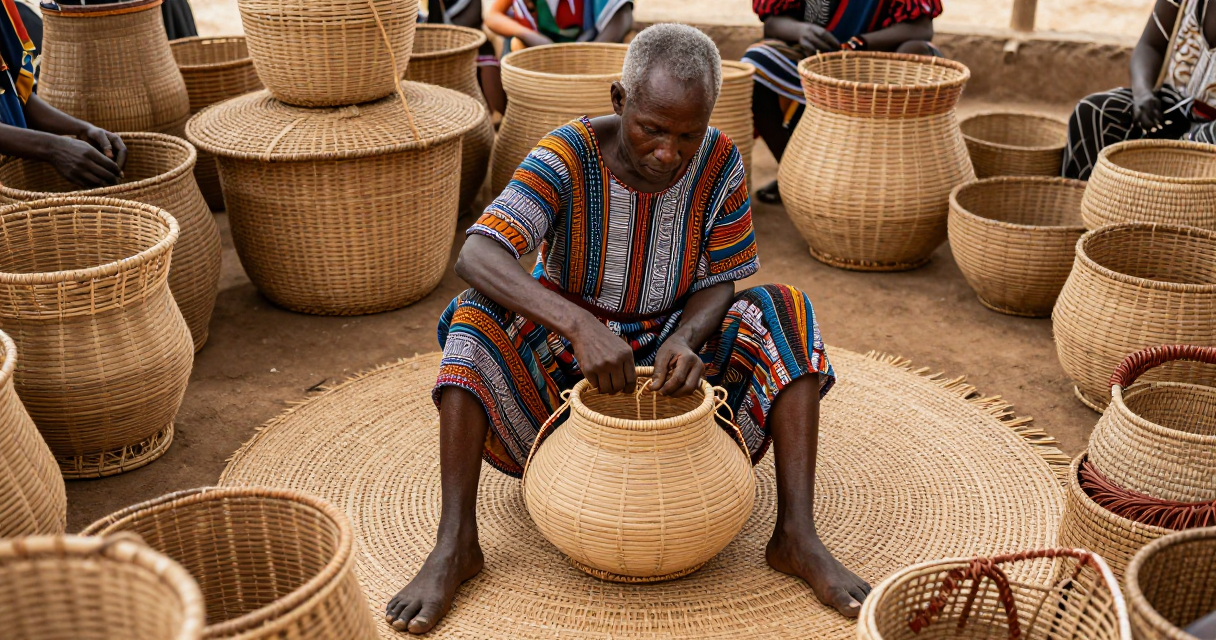
African basketry is more than just a craft; it serves as a vibrant expression of cultural identity and skills that have been honed over generations. This traditional art form showcases the unique styles, materials, and techniques specific to various African communities, reflecting their history, beliefs, and social structures. In this article, we will explore the significance of African basketry, how it embodies cultural identity, and provide practical steps for those interested in engaging with this rich tradition.
Understanding the Materials and Techniques
The first step in appreciating African basketry is to understand the diverse materials used in its creation. Commonly, artisans utilise natural fibres such as sisal, palm leaves, and grasses, each chosen for their unique properties. For instance, sisal is known for its durability, while palm leaves offer flexibility and a variety of textures. The choice of material often reflects the local environment and available resources, making each basket a product of its geographical context.
Techniques in African basketry vary widely from region to region, with each community developing its own methods. Coiling, twining, and plaiting are some of the most prevalent techniques. Coiling involves spiralling a material around a core, while twining interlaces two strands to create intricate patterns. Understanding these techniques not only enhances one’s appreciation of the art form but also serves as a gateway for beginners to try their hand at basket weaving.
Exploring Cultural Significance
African basketry is deeply intertwined with cultural identity, serving as a medium for storytelling and the preservation of traditions. Each design and pattern often carries symbolic meaning, representing everything from spiritual beliefs to social status. For example, the colours and shapes used in a basket can signify community ties or even historical events. By creating and using these baskets, artisans engage in a dialogue with their ancestors, ensuring that their stories and traditions are passed down through generations.
Moreover, basketry plays a vital role in community life. Baskets are not only functional; they are also used in ceremonies, rituals, and celebrations. In many cultures, the act of weaving is communal, fostering social bonds and collaboration. This collective effort reinforces cultural identity, as the community comes together to create items that reflect their shared heritage.
Practical Steps to Engage with African Basketry
For those interested in exploring African basketry, starting with local workshops can be incredibly beneficial. Many communities offer classes led by skilled artisans who can teach the fundamentals of basket weaving. These workshops provide hands-on experience and foster a deeper understanding of the cultural context behind the craft.
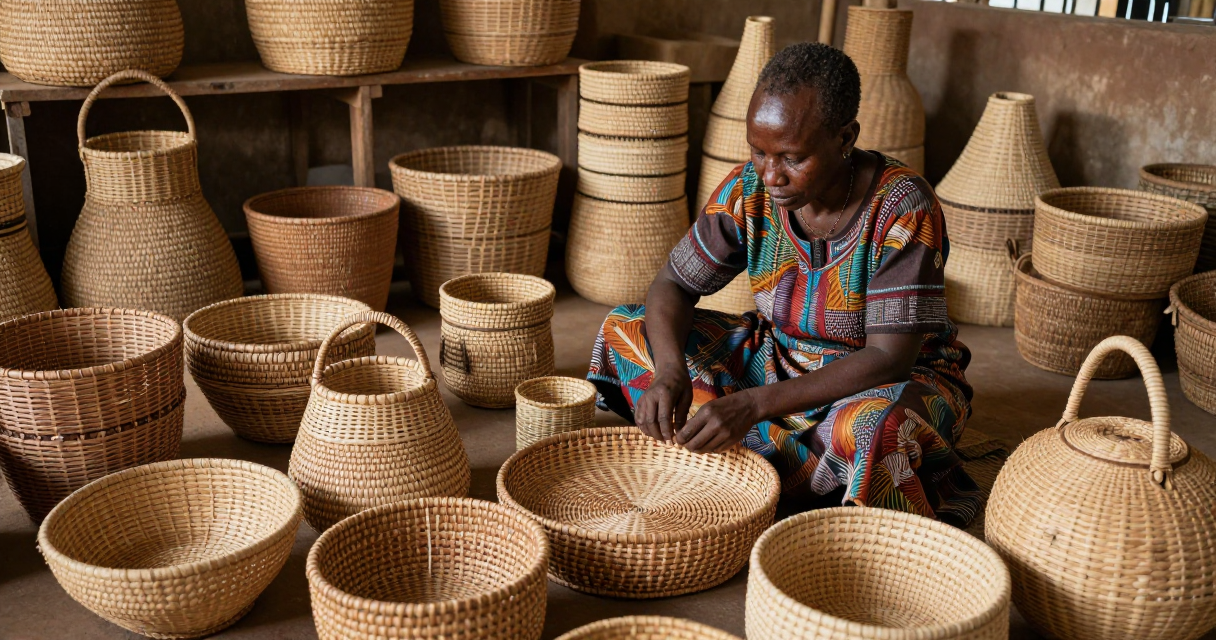
When attending a workshop, it is essential to come prepared. Bring along basic tools such as scissors, measuring tapes, and any specific materials the instructor recommends. Familiarising oneself with the local materials used in African basketry can also enhance the learning experience. For instance, understanding the properties of different grasses or fibres can help in selecting the right materials for your projects.
Avoiding Common Mistakes
One common mistake beginners make in African basketry is neglecting to understand the significance of patterns and colours. It is crucial to research the cultural meanings behind the designs you wish to use in your baskets. This not only enriches the crafting experience but also shows respect for the traditions being represented. Engaging with the cultural narratives can elevate the work from mere craft to a meaningful expression of identity.
Another mistake is underestimating the time and patience required for weaving. Basketry is a meticulous art form that requires practice and attention to detail. Beginners should allow themselves the freedom to make mistakes and learn from them, rather than striving for perfection in their first few attempts. Embracing the learning process is key to developing skills in this intricate craft.
Showcasing Your Work Ethically
Once you have created your baskets, consider how to showcase them ethically. It is important to acknowledge the cultural significance behind the designs and techniques used in African basketry. When selling or displaying your work, provide context about the inspiration and the techniques involved. This transparency not only educates potential buyers but also honours the traditions of the communities that inspire your creations.
Participating in local craft fairs or cultural exhibitions can be an excellent way to share your work while connecting with others who appreciate African basketry. By engaging with the community, you can foster a greater appreciation for the art form and its cultural roots, helping to preserve the tradition for future generations.
Connecting with Artisans and Communities
A crucial aspect of engaging with African basketry is the opportunity to connect with artisans and communities who are the custodians of this craft. Many regions have cooperatives or organisations dedicated to preserving traditional weaving techniques. By supporting these initiatives, you not only contribute to the economic sustainability of these communities but also gain invaluable insights into the art form.
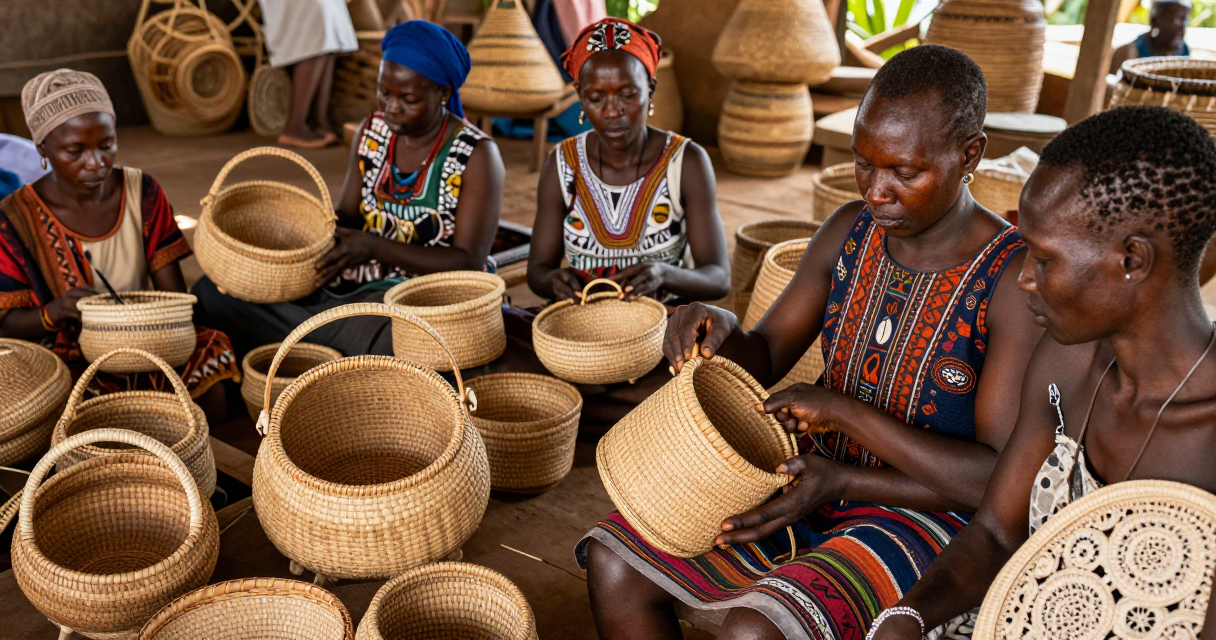
Consider visiting local markets or cultural centres where artisans sell their work. This allows for direct interaction, giving you the chance to learn about the stories behind the baskets and the techniques used. Such connections can deepen your understanding and appreciation of African basketry, creating a more enriching experience.
Embracing the Journey of Learning
Engaging with African basketry is a journey that goes beyond mere crafting. It is an exploration of culture, identity, and skill that requires time, dedication, and a willingness to learn. As you delve into the world of basket weaving, remember to approach the craft with respect and curiosity. Each basket you create is not just a product; it is a reflection of the cultural narratives and skills that have been passed down through generations.
Ultimately, the journey of learning African basketry can lead to a greater appreciation for the richness of African cultures and the artistry that defines them. Whether through workshops, community engagement, or personal practice, immersing yourself in this craft can open doors to new perspectives and connections within the vibrant tapestry of African heritage.

I’m fascinated by the vibrant intersection of contemporary fashion and traditional African craftsmanship. I spend my free time exploring markets, learning about textile techniques, and sharing the stories behind each piece with our readers.