
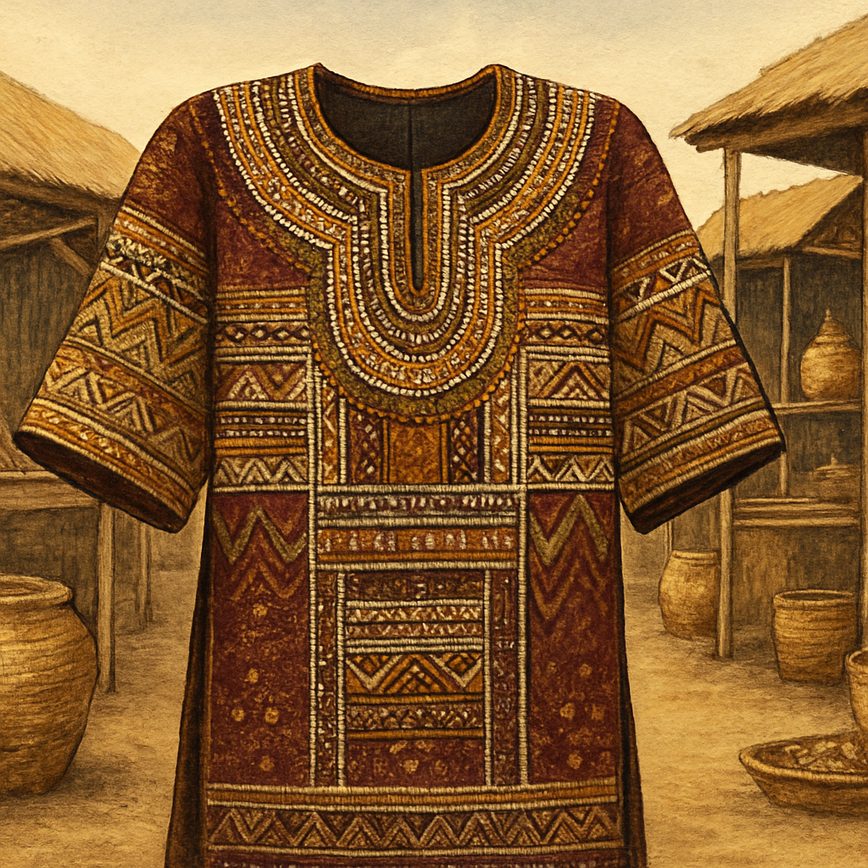
Historical influences on African fashion
African fashion history is a rich tapestry woven from diverse cultural heritages and time-honored traditions. Across the vast continent, fashion has served not only as a means of personal adornment but also as a powerful medium to express identity, status, and community values. Traditional textiles play a pivotal role in this historical narrative, reflecting both the environment and the social practices of various African regions.
From the vibrant kente cloth of Ghana to the intricate indigo-dyed fabrics of West Africa, traditional textiles are deeply embedded in African cultural heritage. These fabrics are often handwoven or hand-dyed using methods passed down through generations, embodying stories and symbols unique to each ethnic group. The patterns, colors, and weaving techniques used in these textiles are more than mere decoration; they carry significant cultural meanings and social messages.
The historical influences on African fashion also extend to the interactions between indigenous cultures and external forces such as trade, colonization, and globalization. For instance, the trans-Saharan and Indian Ocean trade routes facilitated the exchange of fabrics, dyes, and design ideas, enriching local fashion traditions. Despite colonial disruptions, many African communities retained and adapted their sartorial customs, preserving important elements of their cultural identity through clothing.
Additionally, African fashion history reveals a dynamic relationship between traditional and contemporary influences. While rooted in cultural heritage, African designers often incorporate innovative materials and modern styles, creating fashion statements that celebrate the past while addressing present aspirations. This interplay highlights the enduring importance of fashion as a cultural expression that continues to evolve across regions, resonating with both local and global audiences.
Role of indigenous textiles and materials
Indigenous fabrics and natural materials play a pivotal role in defining African fashion, reflecting deep cultural roots and rich histories. Key indigenous fabrics such as kente from Ghana, mud cloth (bogolanfini) from Mali, and kuba cloth from the Congo are renowned not only for their intricate textile patterns but also for their symbolic meanings. These textile patterns often represent social status, clan identity, or historical narratives, making each piece a wearable story.
Natural materials form the foundation of these textiles, with cotton, raffia, and silk commonly used across various regions. The process of creating these materials is often traditional and labor-intensive, involving hand-weaving, dyeing with natural pigments like indigo and ochre, and embroidery. These methods ensure that the fabrics remain authentic and preserve the cultural essence embedded within them.
The cultural significance of indigenous fabrics extends beyond aesthetics; they are integral in ceremonies, rites of passage, and daily life. Wearing attire made from these textiles symbolizes respect for heritage and identity. Furthermore, these materials provide a sustainable fashion option, as they rely on natural resources and time-honored techniques, fostering environmental mindfulness within African communities.
Thus, indigenous fabrics and their textile patterns, coupled with natural materials, continue to inspire contemporary African fashion, bridging the past with the present while celebrating cultural pride and creativity.
Impact of trade and colonisation
The evolution of African fashion styles and materials cannot be fully understood without considering the significant impact of historical trade routes and colonial influence. For centuries, Africa’s position as a hub in extensive trade networks facilitated the exchange of not only goods but also cultural elements, including textiles and fashion techniques. Through trade routes like the trans-Saharan, Indian Ocean, and Mediterranean pathways, African societies gained access to new materials such as silk, cotton, and dyes, which were incorporated into local fashion traditions and designs.
The colonial influence further transformed African fashion, as European powers introduced new fabrics, tailoring methods, and clothing styles, which often merged with indigenous dress codes to create unique hybrid fashions. Colonisation also altered economic structures, influencing what materials were accessible and how clothing was used to express identity and status. This blend of local craftsmanship with foreign materials and styles led to a dynamic evolution in fashion, reflecting both resistance and adaptation to colonial rule.
Thus, the intricate web of trade routes and colonial history played a crucial role in shaping African fashion, driving its continuous transformation. From the early days of trade to the colonial era, these external factors have left an indelible mark on the materials and styles that define African fashion today, illustrating a rich narrative of cultural exchange and resilience.
Symbolism and meaning in African fashion
Fashion in African communities carries deep symbolism and cultural meanings, far beyond mere aesthetic appeal. Each choice of attire speaks volumes about an individual’s identity, social status, and heritage. African dress codes are rich with symbolism, often reflecting historical narratives, spiritual beliefs, and communal values that have been passed down through generations.
The concept of fashion symbolism is essential to understanding African dress codes. Colors, patterns, and fabrics are not randomly chosen; rather, they convey specific messages and cultural significance. For instance, in many West African societies, vibrant colors such as red, gold, and green are frequently used to express vitality, wealth, and fertility. These colors can also indicate one’s role in rituals or ceremonies, making the fashion choices a powerful form of non-verbal communication within the community.
Beyond color, patterns woven into textiles often carry symbolic meanings unique to each ethnic group. Adinkra symbols from Ghana, for example, are imbued with philosophical concepts and proverbs, making the wearer a bearer of wisdom and cultural pride. Similarly, the intricate beadwork of the Maasai people in East Africa serves not only as decoration but as a marker of age, marital status, and social position.
Fabric selection is another critical aspect linked to cultural meanings in African fashion. Kente cloth, renowned for its bright patterns and handwoven quality, embodies the Ghanaian values of unity, creativity, and history. Wearing Kente is often reserved for significant occasions, and each pattern variation has a story or a moral lesson, emphasizing the deep connection between fashion symbolism and the collective memory of the people.
Moreover, African fashion incorporates elements that signify spirituality and protection. Beads, cowrie shells, and other adornments frequently represent ancestral connections, fertility, and auspiciousness. These dress codes are not static but evolve while maintaining their core cultural meanings, allowing African communities to honor their heritage while embracing contemporary influences.
In conclusion, the cultural meanings embedded in African fashion are profound, conveying personal and communal narratives through symbolic fashion choices. Understanding these dress codes reveals the intricate relationship between clothing, identity, and cultural preservation in Africa, making fashion a vital expression of the continent’s diverse cultural heritage.
Colours and patterns as cultural expressions
Colours and traditional patterns in African fashion are powerful vehicles for expressing cultural identity, social status, and community values. Each colour carries deep symbolism that varies across regions and ethnic groups, making fashion not only a form of personal adornment but also a rich cultural language.
For example, vibrant reds might symbolize vitality and strength in one culture, while in another, they represent spiritual protection. Similarly, blues often evoke tranquility and peace, linking individuals to water or sky elements vital to their environment. These colour choices in clothing go beyond aesthetics—they communicate messages understood by members of the community, reinforcing shared histories and beliefs.
Traditional patterns interwoven with these colours tell stories of lineage, achievements, and societal roles. Geometric motifs, animal representations, or symbolic shapes are integrated to honor ancestors or signify rites of passage. Wearing such patterns openly defines one’s role or status within the community, making African fashion a living narrative of social structure and cultural continuity.
Thus, the integration of colour symbolism and traditional patterns in African attire underlines a collective identity while celebrating individual lineage. It acts as both a personal and communal expression, reminding wearers and observers alike of the enduring values and rich heritage embedded in every thread.
Fashion in rituals and ceremonies
In African cultures, ceremonial attire and ritual dress hold profound significance, deeply intertwined with cultural traditions. These garments are not mere clothing but are symbolic representations of identity, spirituality, social status, and community heritage. During rituals, festivals, and ceremonies, specific attire is carefully chosen to honor ancestors, invoke protection, and celebrate pivotal life events. For example, in many West African cultures, brightly colored kente cloth is worn during important ceremonies to reflect pride and convey cultural values.
Ritual dress often incorporates distinctive fabrics, beads, and accessories that tell stories of the wearer’s lineage and their tribe’s history. These elements are crafted through time-honored techniques passed down through generations, preserving the essence of cultural roots. Ceremonial attire is also used to signify rites of passage, such as initiations, marriages, and funerals, where each item worn carries specific meanings and purposes within the ritual context. The textures, colors, and designs are not chosen at random but are laden with symbolism meant to resonate with participants and spectators alike.
Across the African continent, traditional fashion in ceremonies acts as a powerful form of non-verbal communication, expressing values and collective memory. It serves to strengthen cultural identity and continuity, ensuring that even in a rapidly changing world, these treasured cultural traditions remain vibrant and respected. Ultimately, ceremonial and ritual attire in Africa is a vivid manifestation of the continent’s rich heritage and enduring connection to its ancestral roots.
Modern reinterpretations of traditional African fashion
Contemporary African fashion represents a vibrant tapestry of tradition and innovation, where modern designers skillfully incorporate and reinterpret traditional African fashion elements to create striking contemporary styles. This fashion innovation celebrates cultural heritage while embracing new aesthetics, blending time-honored techniques and motifs with cutting-edge design concepts. As a result, contemporary African fashion has gained international acclaim for its originality and cultural depth.
Designers today draw inspiration from an array of traditional African textiles such as Ankara, Kente, and Mudcloth, reimagining them through novel cuts, silhouettes, and fabric treatments. These textiles, once confined to specific cultural or ceremonial uses, now serve as a dynamic foundation for pieces that resonate with global fashion audiences. The infusion of these indigenous fabrics into modern wardrobes highlights the enduring significance of African heritage within contemporary style.
Moreover, fashion innovation in African design often involves a conscious effort to fuse cultural symbolism with functionality, resulting in garments that are not only beautiful but also rich in storytelling. Designers integrate symbolic patterns, colors, and beadwork, each holding cultural meanings, into everyday wear and haute couture alike. This cultural fusion creates a dialogue between past and present, tradition and modernity, emphasizing the versatility and evolving nature of African fashion.
In addition to fabric and symbolism, modern reinterpretations address sustainability by reviving traditional craftsmanship techniques such as hand-weaving, dyeing, and embroidery. These artisanal methods are combined with contemporary design processes to promote eco-friendly fashion alternatives while preserving age-old skills. This alignment of tradition with modern sustainability values highlights another dimension of how African fashion innovation is shaping the global fashion landscape.
The cultural fusion in African fashion is also evident in the collaborative efforts between designers from different African regions and the global fashion community. These collaborations lead to hybrid styles that respect and elevate the distinctiveness of African heritage. Such partnerships expand the reach and influence of contemporary African fashion, fostering appreciation and deeper understanding of the cultural roots behind these bold and beautiful fashion statements.
Influence of African fashion on global trends
African fashion has significantly influenced global fashion scenes, reshaping how designers and consumers perceive style and cultural heritage. The global fashion influence of African aesthetics is evident in the increasing visibility of African designers on international runways and major fashion weeks. These designers bring rich textures, vibrant colors, and traditional patterns to the forefront, challenging conventional fashion norms and introducing fresh narratives inspired by African cultures.
This impact has gone beyond mere inspiration; it has established African fashion as a critical force in trendsetting worldwide. Fashion trends today often incorporate African motifs and craftsmanship, blending them with contemporary designs to create unique hybrid styles. The success of African designers has also encouraged fashion houses globally to embrace diversity and inclusivity, fostering a deeper appreciation for multicultural influences in their collections.
Moreover, African fashion’s rise has empowered local artisans and textile producers by opening access to broader markets. The global attention on African fashion trends boosts economic growth within the continent and encourages sustainable fashion practices rooted in traditional methods. In summary, the influence of African fashion reshapes global fashion trends by merging artistry, cultural identity, and innovation, making it an essential contributor to the international fashion landscape.
Challenges and opportunities in preserving heritage
Designers in the fashion industry often face a delicate balance between maintaining fashion heritage and embracing innovation. One of the primary challenges lies in preserving cultural authenticity while navigating the pressures of global market trends and consumer demands. The risk of cultural dilution or misappropriation is ever-present, making it essential for designers to deeply understand and respect the origins of the traditional elements they incorporate.
Furthermore, the fashion industry challenges extend to sourcing genuine materials, collaborating with skilled artisans, and sustaining traditional crafts in an era dominated by mass production. These obstacles can sometimes hinder designers from fully expressing their cultural vision while keeping their heritage intact.
Despite these challenges, there are significant opportunities for cultural preservation through fashion. Designers can use their platforms to educate consumers about the rich histories embedded in their work, fostering appreciation and support for cultural diversity. Additionally, integrating heritage techniques with contemporary styles can breathe new life into traditions, ensuring their relevance in modern fashion.
Collaborations between designers, local communities, and cultural institutions also present promising avenues for sustainable fashion heritage preservation. By valuing craftsmanship and storytelling, the fashion industry can overcome challenges while honoring and preserving cultural heritage for future generations.

I’m fascinated by the vibrant intersection of contemporary fashion and traditional African craftsmanship. I spend my free time exploring markets, learning about textile techniques, and sharing the stories behind each piece with our readers.