
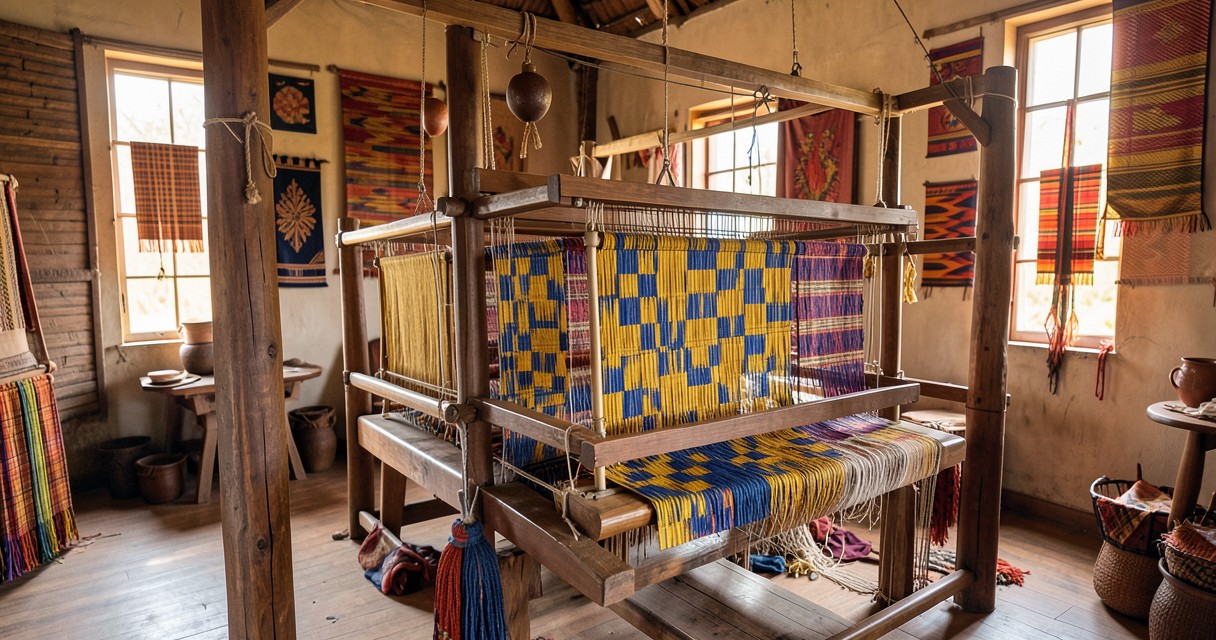
The history of African kente cloth is rich and intricate, steeped in cultural significance and artistic expression. Originating from the Ashanti people of Ghana, kente cloth is not merely a textile but a vibrant symbol of identity, heritage, and social status. In recent years, kente has gained global recognition, influencing fashion and design far beyond its African roots. As the appreciation for this traditional fabric grows, understanding its history and various styles becomes essential for those interested in ethnic fashion and African crafts. This roundup explores the selection criteria for authentic kente cloth, highlights specific styles, and offers guidance on choosing the right type for various occasions.
Understanding Kente Cloth: Origins and Cultural Significance
Kente cloth’s origins trace back to the 12th century, primarily associated with the Akan people of Ghana. Traditionally, it was woven by men using a loom, with each colour and pattern carrying specific meanings. For instance, gold represents wealth and status, while blue signifies peace. The cloth was historically reserved for royalty and significant ceremonies, such as weddings and funerals, serving as a marker of social hierarchy and cultural identity. The intricate designs and vibrant colours reflect the rich storytelling traditions of the Akan, with each piece narrating a story or proverb, making kente not just a fabric but a narrative medium.
The cultural significance of kente has transcended its geographic origins. In the African diaspora, particularly within the United States, kente cloth has emerged as a symbol of pride and achievement. Its use in graduation ceremonies, where students don kente stoles, underscores the fabric’s connection to education and success. This ceremonial aspect has helped kente gain prominence in global fashion, allowing it to be celebrated as a symbol of African heritage.
Selection Criteria for Authentic Kente Cloth
When choosing kente cloth, authenticity is paramount. Genuine kente is handwoven using traditional methods, which can be identified by the texture and quality of the fabric. Authentic pieces often feature vibrant colours and intricate patterns that are not mass-produced. Look for kente that has been woven on a loom, as this method preserves the traditional craftsmanship. Additionally, consider the type of silk or cotton used, as high-quality materials contribute to the longevity and visual appeal of the cloth.
Another important criterion is the design and symbolism. Each kente pattern has a name and a meaning, reflecting proverbs, historical events, or cultural values. Researching these meanings can help you choose a piece that resonates with your personal story or the message you wish to convey. Furthermore, consider the size of the cloth; lengths can vary, with larger pieces suitable for wraps and smaller pieces ideal for accessories like stoles or ties.
Traditional Kente Styles: Variations and Their Meanings
Several traditional kente styles exist, each with unique patterns and meanings. One of the most recognised is the Ewe kente, known for its vibrant colours and geometric designs. This style often incorporates symbols representing strength and resilience, making it a popular choice for celebrations and significant life events. Another notable style is the Ashanti kente, which features more intricate patterns and is often reserved for royal occasions. The Ashanti patterns are typically more elaborate, reflecting the grandeur associated with the Ashanti kingdom.
Linda Mdlalose: What is Kente Cloth? The History, Symbols & Storytelling of Ghana’s Iconic Cloth
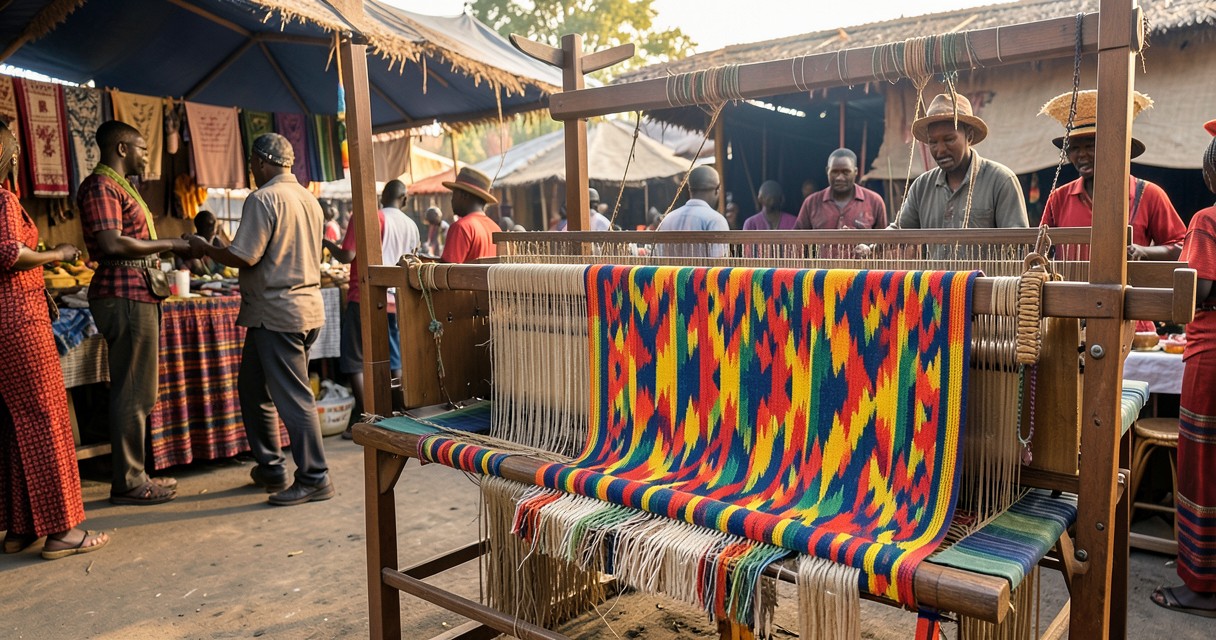
Additionally, there are contemporary adaptations of kente that blend traditional designs with modern aesthetics. These pieces often incorporate a wider range of colours and motifs, appealing to younger generations and fashion enthusiasts. Contemporary kente is frequently used in everyday clothing, accessories, and even home decor, showcasing the versatility of this traditional fabric.
Modern Interpretations of Kente in Fashion
The influence of kente cloth in modern fashion is significant, with designers worldwide embracing its vibrant aesthetics. Many contemporary African designers have integrated kente into their collections, creating striking garments that pay homage to traditional craftsmanship while appealing to global fashion markets. For instance, kente is often featured in haute couture designs, where it adds a unique flair to evening wear and formal attire.
Moreover, kente has found its way into streetwear, where it is used in casual styles, such as hoodies and sneakers. This fusion of traditional and modern styles allows kente to remain relevant and accessible to a broader audience. Collaborations between African designers and international brands further highlight kente’s versatility, showcasing its potential to transcend cultural boundaries while maintaining its rich heritage.
Choosing Kente Cloth for Special Occasions
Selecting the right kente cloth for special occasions requires consideration of both the event’s significance and personal style. For formal events such as weddings or cultural celebrations, opt for more elaborate kente designs that reflect the solemnity and importance of the occasion. These pieces often incorporate gold or rich colours that convey a sense of luxury and respect.
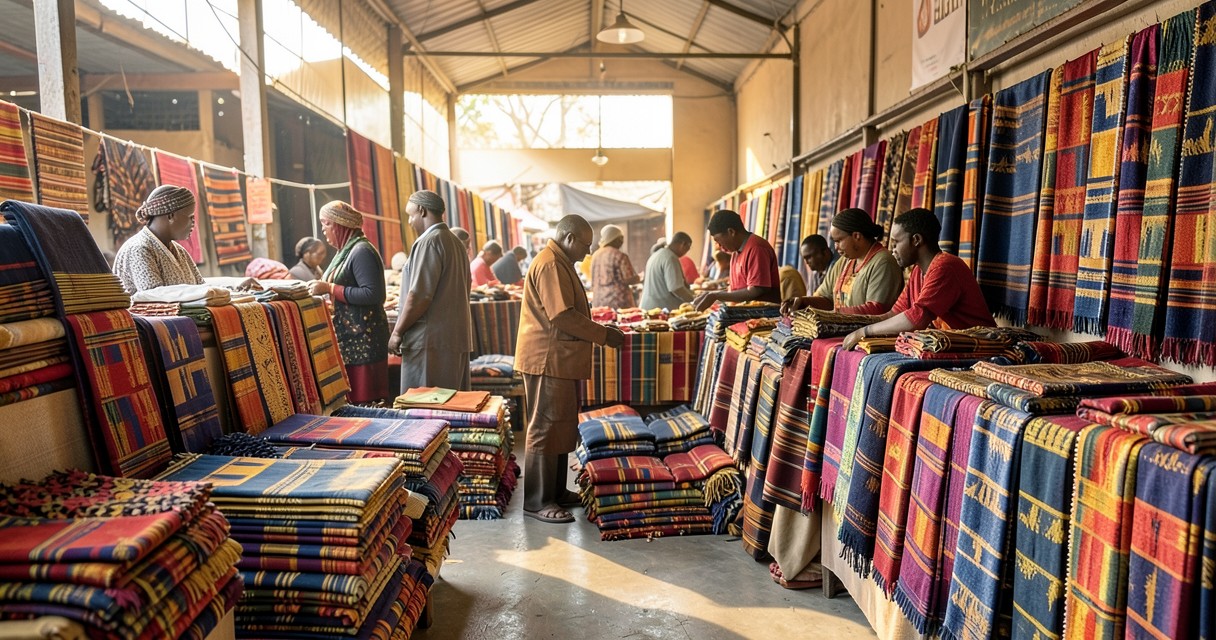
For casual gatherings or everyday wear, lighter, more colourful kente pieces can be chosen. These designs tend to be more playful, allowing for personal expression while maintaining a connection to cultural roots. Accessories like kente ties, scarves, or handbags can also be great options for incorporating kente into your outfit without overwhelming the overall look.
Maintaining and Caring for Kente Cloth
The longevity of kente cloth depends largely on how well it is cared for. Because authentic kente is typically made from natural fibres, it is essential to handle it gently. Washing should be done by hand in cold water using mild detergent to avoid damaging the fabric. Avoid wringing or twisting the cloth, as this can distort its shape and pattern.
When storing kente, keep it in a cool, dry place away from direct sunlight to prevent fading. It is advisable to fold it neatly rather than hanging it, which can stretch the fabric. By following these care instructions, you can ensure that your kente cloth remains vibrant and beautiful for years to come, preserving its cultural significance and aesthetic appeal.

I’m fascinated by the vibrant intersection of contemporary fashion and traditional African craftsmanship. I spend my free time exploring markets, learning about textile techniques, and sharing the stories behind each piece with our readers.