
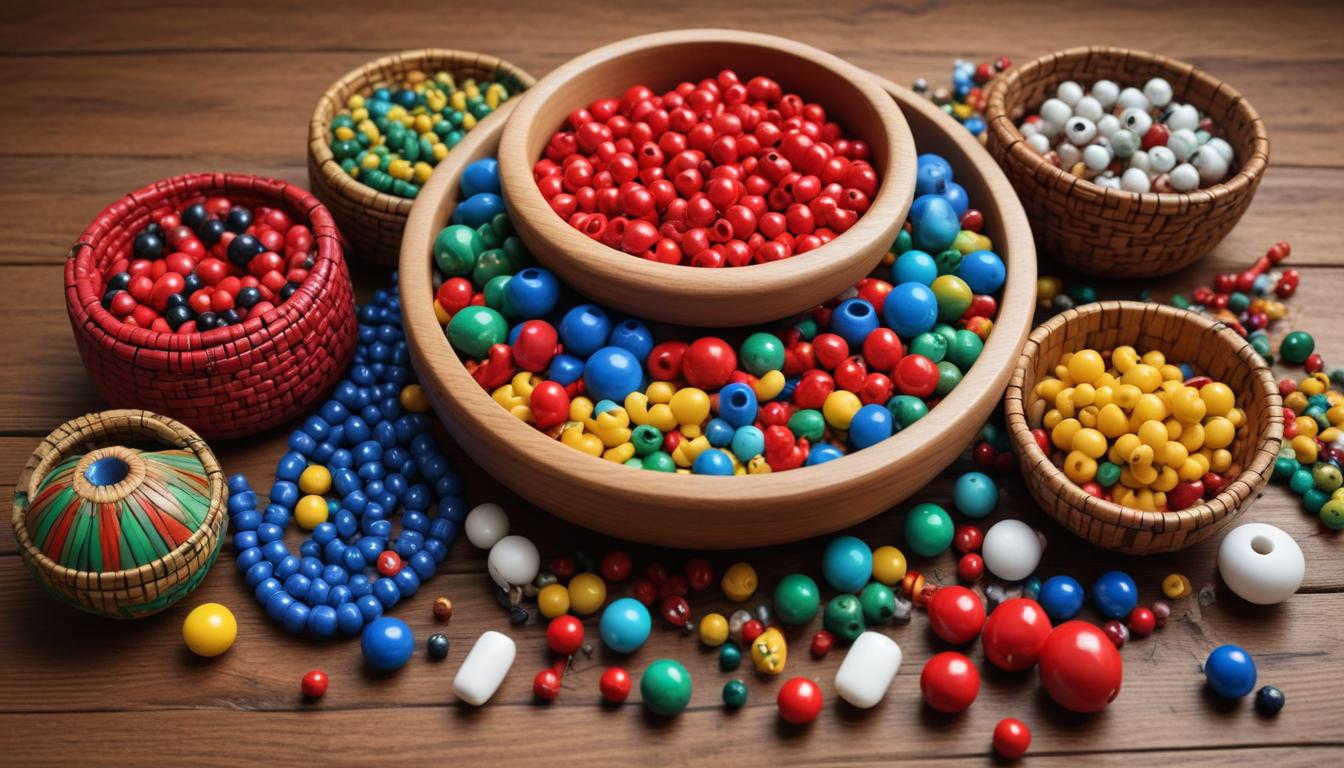
Introduction to Traditional Bead Colours
Traditional beads and their colours hold profound cultural significance across various communities, much like traditional weaving techniques do worldwide. These bead colours are not merely decorative; they serve as a medium of communication, storytelling, and cultural expression. In many cultures, bead colours are imbued with symbolic meanings reflecting beliefs, social status, rites of passage, and spiritual values.
The historical importance of traditional bead colours can be traced back centuries, where communities used beads to mark important life events such as birth, marriage, and death. Each colour traditionally represents specific qualities or messages—for example, red often symbolizes bravery and strength, while blue may represent peace, harmony, or spirituality. Such colours are carefully selected to convey meanings that resonate with the values and heritage of the people.
Besides their symbolic meanings, traditional bead colours also help preserve cultural identity. They act as visual narratives that connect generations, ensuring the transmission of stories, customs, and ancestral wisdom. Through the use of these beads, communities maintain a tangible link to their past, fostering a strong sense of belonging and pride.
Moreover, traditional beads and their colours play a crucial role in ceremonies and rituals. For instance, specific bead colours may be worn during festivals or spiritual ceremonies to invoke protection, blessings, or connection with deities. In some African cultures, bead colours are chosen according to the wearer’s age, marital status, or clan, making them an essential aspect of social structure and cultural etiquette.
Understanding traditional bead colours deepens our appreciation of these artisanal crafts and the intricate cultural tapestries they represent. By valuing the cultural significance of bead colours, we honour the rich histories and traditions that have shaped communities worldwide. These beads are not just adornments but carriers of vibrant cultural identity and history that continue to inspire and educate.
Common Traditional Bead Colours and Their Meanings
Traditional beadwork is rich in symbolism, with each colour carrying unique meanings that reflect cultural values, beliefs, and stories. Understanding bead colours meanings is essential for appreciating the depth of traditional beadwork across cultures. Colour symbolism in bead colours often conveys messages about status, spirituality, emotions, and identity, similar to broader symbolism in African jewellery.
Red beads are commonly associated with energy, strength, and passion. In many African cultures, red symbolizes life and vitality, often used in ceremonies to invoke protection and courage. Red also signifies important life events such as marriage or birth, making it a powerful colour in traditional beadwork.
Blue beads represent peace, tranquility, and spirituality. Many cultures use blue to symbolize the sky or water, elements that are vital to life. In some Native American beadwork traditions, blue signifies wisdom and confidence, connecting the wearer with spiritual guidance and calmness.
White beads embody purity, innocence, and truth. White is often used in rituals and ceremonies to denote clarity and enlightenment. Its colour symbolism in bead colours is also linked to new beginnings and healing, highlighting its importance in traditional African beadwork.
Green beads signify growth, fertility, and renewal. Many cultures associate green with the earth and nature, representing abundance and health. The use of green in traditional beadwork often reflects a connection to the land and the cyclical nature of life.
Yellow or gold beads stand for wealth, happiness, and energy. These colours are often used to depict the sun’s power and to attract prosperity. Yellow or gold beads in beadwork symbolize optimism and enlightenment, serving as a reminder of life’s joyful and abundant aspects.
Black beads carry meanings of strength, mystery, and protection. They are frequently used in traditional bead colours to ward off negative forces, much like traditional dyeing methods carry protective symbolism. Black also represents the unknown and ancestral connections, making it a profound element in bead colour symbolism.
In summary, understanding the symbolism behind traditional bead colours enriches our appreciation of the intricate artistry found in beadwork. Each colour tells a story, conveying messages that resonate deeply within cultures. By exploring these bead colours meanings, we gain insight into the cultural heritage and spiritual significance woven into every piece of traditional beadwork.
Red Beads
Red beads hold a powerful place in the world of traditional bead colours and their meanings. The red bead meaning is deeply rooted in symbolism across various cultures around the globe. Often, red beads are associated with life itself, as the vibrant colour evokes the essence of blood — the life force that sustains us. This connection to life gives red beads a strong presence in ceremonies and rituals celebrating vitality, health, and the continuity of life.
The red beads symbolism extends to notions of courage and strength. In many indigenous and ancient cultures, wearing traditional red beads signifies bravery and valor, often worn by warriors or those facing significant challenges. This symbolism highlights the red beads as emblems of inner power and boldness, encouraging wearers to confront adversity with confidence.
Moreover, red beads are widely regarded as symbols of passion and energy. Their traditional red beads are commonly used in adornments to attract positive energy and to drive motivation. The colour red’s association with vitality makes red beads popular in celebrations of growth, fertility, and dynamic life changes.
In summary, the traditional red beads carry rich and varied meanings — from the essence of life and vitality to the embodiment of courage and passionate energy. These beads continue to be cherished not only for their striking appearance but also for the deep cultural significance that they hold across different societies.
Blue Beads
Blue beads hold profound significance in many cultures, symbolizing spirituality, peace, and protection. These spiritual beads are often used in rituals and jewelry to invoke calmness and a deeper connection to the divine. The blue bead meaning is closely tied to the color’s natural association with the sky and water, elements that represent vastness, tranquility, and depth. Wearing blue beads is believed to help foster inner peace, encouraging a serene mind and emotional balance.
In addition to promoting peace, blue beads symbolism often extends to protection from negative energies. Many cultures regard blue beads as amulets that ward off evil spirits and harmful influences. This protective aspect makes them popular in spiritual practices and as talismans for safeguarding one’s well-being. Whether worn as necklaces, bracelets, or included in prayer beads, blue beads are thought to create a shield of positive energy around the wearer.
The spiritual significance of blue beads also connects to the concept of communication and truth. Blue is often linked to the throat chakra, which governs self-expression and honesty, making these beads a meaningful symbol for clarity and authenticity. Overall, blue beads embody a powerful blend of peace, protection, and spiritual depth, making them treasured items in many traditional and contemporary art forms.
White Beads
White beads hold a powerful symbolism in many cultural traditions, often representing purity, peace, and new beginnings. The white bead meaning is deeply embedded in various rituals and customs, where these beads serve as a reminder of cleanliness, innocence, and the fresh start that accompanies a new chapter in life. In several African cultures, for example, white beads are worn during ceremonies marking important life transitions such as births, weddings, and initiation rites, symbolizing the wearer’s connection to spiritual clarity and peace.
Purity beads, commonly crafted from white materials like shells, bones, or stones, are frequently used to convey messages of tranquility and harmony. They are believed to cleanse negative energy and bring about a sense of calm and balance. This use of white beads transcends geographical boundaries, appearing in indigenous practices from Native American to Asian cultures, each attributing the color white with similar auspicious meanings. White is often seen as the absence of color, representing a blank canvas upon which new stories and journeys can be written.
In traditional bead colour meanings, white beads stand out as symbols of hope and renewal. They remind us of the beauty in starting anew and the peace that comes with forgiveness and healing. Whether used in jewelry, ceremonial attire, or decorative objects, white beads continue to inspire a universal message of purity and peace across cultures.
How to Choose Bead Colours for Meaningful Jewellery
Choosing bead colours thoughtfully is essential when creating meaningful beadwork that speaks volumes through its symbolism. Beads are not just decorative elements; they can carry deep cultural, emotional, and personal significance. By selecting the right colours, you can convey specific messages and tell a compelling story through your jewellery.
Begin by understanding the traditional meanings associated with different bead colours. For example, red often symbolizes passion, love, or courage, while blue can represent peace, calm, and spirituality. Green frequently stands for growth and fertility, and yellow can indicate happiness and energy. Knowing these foundational meanings allows you to mix and match colours that amplify the intended message of your jewellery piece.
Next, consider the personal significance colours hold for you or the wearer. Sometimes, the symbolism goes beyond cultural definitions to include individual memories or emotions attached to a particular hue. Incorporating these personal meanings into your beadwork ensures that the jewellery is not only meaningful on a general level but also deeply intimate.
When choosing bead colours, think about how the hues interact visually. Harmonious colour combinations can enhance the overall aesthetic appeal and make your meaningful beadwork more inviting and cohesive. Contrasting colours, on the other hand, can highlight specific parts of your jewellery or accentuate certain symbolic elements, making the message even clearer.
Additionally, the cultural context should guide your bead colour choices. Different cultures attribute unique meanings to colours, and respecting these traditions can enrich the symbolism of your jewellery. Researching and embracing these cultural connotations will help your beadwork connect more deeply with both the maker’s heritage and the audience’s understanding.
Finally, tell a story through your chosen bead colours by combining them in a way that reflects a journey, emotion, or idea. Thoughtful selection and arrangement of colours can transform your piece from mere decoration to a powerful narrative full of symbolism. Whether it’s a gift or a personal keepsake, meaningful beadwork created with intentional colour choices resonates far beyond its beauty.
Combining Colours for Enhanced Symbolism
In traditional jewellery, combining bead colours allows for the expression of complex meanings that go beyond the symbolism of individual colours. This practice of combining bead colours enhances the storytelling ability of colour symbolism jewellery, creating layered narratives that communicate rich cultural messages. Each bead colour carries its own meanings—such as red symbolizing passion or courage, blue representing peace or spirituality, and green standing for growth or fertility—but when these colours are used together, their meanings intertwine to reflect nuanced sentiments and beliefs.
For example, the combination of red and white beads in some cultural jewellery represents a balance between life force and purity, symbolizing vitality harmonized with innocence. Similarly, pairing blue and yellow beads might convey a message of wisdom and happiness coexisting, while using black and orange beads together can signify strength fused with energy. By thoughtfully combining bead colours, artisans craft pieces that serve as personal or communal symbols, embodying values, emotions, and stories unique to their traditions.
Understanding bead colour meanings individually is important, but it is the skillful combination of these colours that truly elevates the artistry of traditional jewellery. This blend of colours not only beautifies the pieces but also deepens their symbolic significance, making each creation a vibrant narrative encoded in beads. As such, combining bead colours is an essential aspect of colour symbolism jewellery, enriching its power to communicate through culturally meaningful and visually compelling designs.
Cultural Sensitivity When Using Traditional Colours
When incorporating traditional bead colours into designs, cultural sensitivity is paramount. Each colour holds deep significance within its cultural context, representing unique stories, beliefs, and values. Understanding and respecting these traditional bead meanings ensures that the colours are not misused or trivialized, preserving their cultural integrity.
Designers must take the time to learn about the cultural background of the bead colours they use. This awareness fosters respect and appreciation for the cultures from which these colours originate. Ignoring the meanings or using colours inappropriately can lead to cultural appropriation, which can be offensive and diminish the significance of these age-old traditions.
Embracing cultural sensitivity involves engaging with communities and seeking permission or guidance when designing with traditional bead colours. This practice not only honors the cultural heritage but also promotes ethical creativity and authenticity. By doing so, designers contribute positively to the preservation and celebration of cultural identities.
Ultimately, bead colour respect is about more than aesthetics; it is about recognizing the value and meaning that these colours carry. Thoughtful use of traditional bead meanings in design helps maintain the rich cultural narratives embedded in every bead, ensuring these stories endure for future generations.

I’m fascinated by the vibrant intersection of contemporary fashion and traditional African craftsmanship. I spend my free time exploring markets, learning about textile techniques, and sharing the stories behind each piece with our readers.