
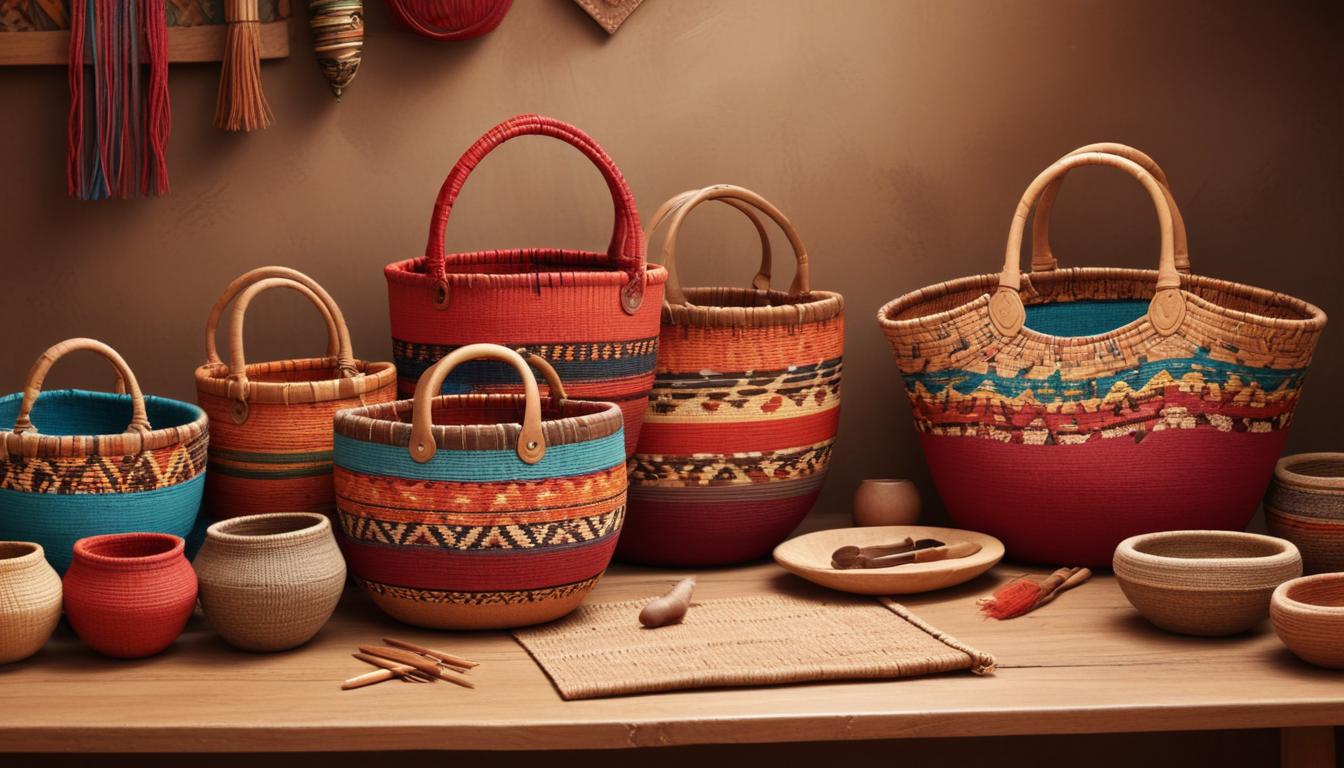
Introduction to Handmade African Handbags
The popularity of handmade handbags from Africa is on a remarkable rise, captivating fashion enthusiasts worldwide and cultural connoisseurs worldwide. These artisan bags represent more than just fashion accessories; they are a testament to the rich heritage and skilled craftsmanship embedded in African culture. Each handmade handbag is a unique piece, crafted with attention to detail and a deep respect for traditional designs that have been passed down through generations.
African craftsmanship is renowned for its vibrant use of colors, intricate patterns, and durable materials. Handmade handbags born from this tradition showcase the artistic talents of local artisans who transform raw materials into wearable art. These bags not only serve practical purposes but also tell stories of cultural identity, community values, and ancestral legacies. In embracing these artisan bags, consumers are supporting sustainable fashion and ethical production practices, promoting economic empowerment among African craftsmen and women.
The surge in demand for handmade handbags reflects a broader appreciation of authenticity and originality in the fashion world. Unlike mass-produced items, these handbags exude character and individuality, often incorporating symbolic motifs and traditional craftsmanship techniques. Buyers are increasingly drawn to the cultural significance embedded in each bag, making them coveted pieces in wardrobe collections globally. The rising popularity of handmade African handbags is a celebration of art, culture, and the human touch behind each creation.
In summary, handmade African handbags are more than just stylish accessories. They highlight the artistry of African craftsmanship, honour the beauty of traditional designs, and foster a global appreciation for handmade artisan bags. As their popularity continues to grow, these handbags stand as powerful symbols of cultural heritage and craftsmanship excellence, inviting the world to explore and celebrate Africa’s rich and diverse artistic landscape.
Cultural Significance and Traditional Craftsmanship
Handmade African handbags are more than just stylish accessories; they are a vibrant expression of African culture, embodying centuries of heritage and traditional techniques. These handbags reflect an intricate blend of artisan skills passed down through generations, preserving the rich handmade heritage of many African communities. Each piece tells a story, crafted with care using methods that have been refined over centuries. Artisans often use natural materials such as leather, beads, and woven fibers, which are skillfully manipulated with traditional techniques unique to their region.
The artisans’ expertise is rooted deeply in their cultural identity, where every stitch and pattern represents symbolic meanings and cultural narratives. The process of creating these handbags is a communal activity, often involving family members who share and teach their artisan skills collectively, ensuring the continuity of this heritage. This cultural significance enhances the value of the handbags, connecting wearers to the traditions and history of African communities.
By embracing these traditional techniques and artisan skills, handmade African handbags celebrate the handmade heritage that is vital to preserving cultural identity in a modern world. They serve as a bridge linking past and present, making each handbag not only a fashion statement but also a tribute to the enduring spirit of African craftsmanship.
Materials and Techniques Used
Artisans who create handmade African handbags predominantly use natural materials that are sustainably sourced from their local environments. These materials often include fibers such as sisal, raffia, and grasses, which are prized for their durability and eco-friendly qualities. Leather is also a common material, sourced from local livestock and carefully tanned using traditional methods to produce high-quality, long-lasting bags.
The crafting techniques employed by these skilled artisans are deeply rooted in cultural traditions and passed down through generations. Weaving is one of the oldest and most prominent techniques, where fibers are interlaced by hand into intricate patterns and shapes. Different regions have signature weaving styles that add distinctiveness to each handbag. Dyeing is often done using natural dyes extracted from plants, roots, and minerals, allowing artisans to create vibrant colors without harming the environment.
Leatherwork is another vital craft that complements weaving and dyeing. Skilled leather artisans cut, stitch, and embellish leather pieces, often combining them with woven materials to enhance both function and aesthetics. This meticulous attention to detail ensures that each handbag is not only beautiful but also durable and functional.
Overall, the focus on natural materials and traditional techniques highlights the commitment to sustainable production. By integrating eco-conscious practices with rich craftsmanship, handmade African handbags stand as authentic, eco-friendly fashion statements that celebrate culture and heritage.
Factors Driving the Rise of Handmade African Handbags
The increasing global demand for handmade African handbags can be attributed to several key factors that resonate deeply with modern consumers. Among the most significant drivers is the growing market demand for products that are not just fashionable but also meaningful. Consumers today are more conscious about what they purchase, seeking items that tell a story and reflect authentic craftsmanship.
Sustainable fashion plays a pivotal role in this shift. Handmade African handbags are crafted using traditional techniques and natural, often locally-sourced materials. This reduces the environmental footprint compared to mass-produced synthetic alternatives. As sustainability becomes a top priority for many shoppers, these handbags offer a compelling option that aligns with eco-friendly values.
Ethical shopping trends have further propelled the popularity of these beautiful creations. Shoppers are increasingly motivated to support brands and products that prioritize fair wages and humane working conditions. Handmade African handbags often come from cooperatives and artisan groups that emphasize transparency and ethical production practices. This empowerment of artisans not only uplifts communities but also connects buyers with the human side of their purchases.
Artisan empowerment is a crucial element behind the rise of these handbags. By purchasing handmade pieces, consumers contribute directly to the economic independence of African artisans, many of whom are women. This empowerment fosters sustainable community development and helps preserve cultural heritage and traditional skills. The combination of economic benefit and cultural preservation renders these handbags incredibly valuable on the global market.
In summary, the surge in popularity of handmade African handbags is fueled by a blend of market demand for authenticity, a commitment to sustainable fashion, and the growing ethical shopping movement. These elements create a powerful narrative that resonates with conscientious consumers worldwide. By choosing these handbags, shoppers support not only a style statement but also a movement toward sustainability and social responsibility.
Sustainability and Ethical Fashion Movement
The rise of ethical fashion and the slow fashion movement has significantly boosted interest in handmade African handbags, particularly those crafted using eco-friendly methods. As more consumers seek sustainable style choices, these handbags have become symbols of commitment to ethical and environmentally conscious fashion. Unlike mass-produced accessories, handmade African bags are often made from natural, recycled, or sustainably sourced materials, reducing the environmental footprint associated with manufacturing processes.
Eco-friendly bags from African artisans emphasize traditional craftsmanship combined with sustainable values, aligning perfectly with the principles of slow fashion, which prioritizes quality over quantity. This movement promotes mindful consumption, encouraging buyers to invest in timeless pieces that support local communities and preserve cultural heritage. By choosing handmade African handbags, consumers contribute to reducing waste and carbon emissions, fostering a more ethical and sustainable global fashion industry.
Moreover, ethical fashion advocates highlight the importance of fair wages and safe working conditions for artisans, which are integral to the production of these bags. The growing awareness around such issues has propelled handmade African bags into the spotlight, making them a favored choice among eco-conscious shoppers who value sustainable style without compromising on aesthetics or cultural authenticity.
Global Market Trends and Consumer Preferences
The global demand for handmade accessories, particularly African handbags, is on a steady rise as consumer behaviour shifts towards unique and culturally rich products. Fashion trends worldwide are embracing authenticity and craftsmanship, steering away from mass-produced items towards artisanal pieces that tell a story. Consumers are increasingly drawn to handbags that not only serve as functional accessories but also as expressions of heritage and individuality.
In diverse markets across Europe, North America, and Asia, the appeal of handmade African handbags lies in their originality and cultural significance. Buyers seek products that reflect ethical values and sustainable production methods, valuing the social impact behind each creation. This trend aligns with a broader move towards conscious consumer behaviour, where shoppers prioritize quality, ethical sourcing, and meaningful design over fast-fashion alternatives.
Moreover, fashion trends highlight an appreciation for vibrant patterns, traditional techniques, and artisanal skills that are emblematic of African craftsmanship. The global market’s increasing focus on inclusivity and cultural diversity further propels demand for these handbags, making them coveted accessories in fashion circles. As a result, artisans and designers are gaining recognition, bridging cultural gaps and reshaping global fashion narratives through their handmade creations.
Impact on African Communities and Future Outlook
The rise of handmade African handbags has brought significant economic empowerment to artisan communities across the continent. By tapping into fair trade practices, these artisans are able to secure better wages and improve their livelihoods, fostering a more equitable distribution of wealth within their communities. This empowerment not only elevates the artisans’ economic status but also helps preserve traditional crafts and cultural heritage that might otherwise be at risk of fading away.
Artisan communities benefit socially and economically as the demand for handmade African handbags grows globally. Increased earnings allow for better education, healthcare, and community development projects, creating a ripple effect that uplifts entire villages. Fair trade certifications ensure transparency in the supply chain and promote sustainable production methods, which protect both the environment and the artisans’ way of life.
Looking ahead, the future growth potential for the handmade handbag market remains promising. As consumers become more conscious of ethical fashion choices and the value of unique, handcrafted products, the demand for African handbags is expected to rise. This trend encourages continuous innovation and creativity among artisans while expanding market access through e-commerce platforms and international partnerships.
The economic empowerment fostered by this market not only supports individual artisans but also contributes to the broader goal of sustainable development in African regions. By continuing to support fair trade and ethical sourcing, the handmade African handbag industry can cultivate a future rooted in cultural pride, environmental stewardship, and shared prosperity.
Economic and Social Benefits for Artisans
The growing demand for handmade African handbags plays a critical role in enhancing artisan livelihoods across the continent. By creating a sustainable market for these unique products, artisans are able to secure fair wages that reflect the skill, time, and creativity invested in each piece. This economic stability not only improves individual quality of life but also fosters broader community development as earnings are often reinvested locally.
Moreover, the success of handmade handbag enterprises empowers artisans socially by providing them with financial independence and increased self-confidence. Many artisans, especially women, experience a transformation in their social status, gaining respect and decision-making power within their communities. This empowerment contributes to breaking cycles of poverty and opening opportunities for education and health improvements.
The fair wages earned through this rising demand ensure that artisans can sustain their craft without exploitation, promoting ethical trade practices within the industry. This equitable exchange encourages a model where community growth mirrors economic progress, turning traditional artisan skills into potent tools for dignity and empowerment, enriching both individual lives and the collective community fabric.
Challenges and Opportunities Ahead
Artisans crafting handmade African handbags face significant challenges, particularly in scaling production while maintaining the authenticity of their traditional techniques. Market competition has intensified as more producers enter the global stage, making it essential for brands to differentiate themselves. Balancing the need to increase output without compromising the cultural heritage embedded in each piece is a delicate process that requires careful management and innovative strategies.
Brand recognition emerges as a pivotal factor in overcoming these challenges. By fostering strong, authentic brand identities that highlight the unique stories and craftsmanship behind their products, makers can capture the interest of a global audience. This not only elevates their market position but also creates opportunities for sustainable growth and community empowerment. Leveraging digital platforms and storytelling can enhance visibility and create deeper connections with customers worldwide.
Despite these hurdles, there are tremendous opportunities ahead. By scaling production thoughtfully, artisans can meet rising demand without losing the essence of their craft. Partnerships with ethical retailers and participation in international trade shows can open new avenues for global brand expansion. Preserving tradition while embracing modern business practices allows these makers to thrive in a competitive environment, ensuring that the beauty and cultural significance of handmade African handbags continue to enchant audiences worldwide.

I’m fascinated by the vibrant intersection of contemporary fashion and traditional African craftsmanship. I spend my free time exploring markets, learning about textile techniques, and sharing the stories behind each piece with our readers.