
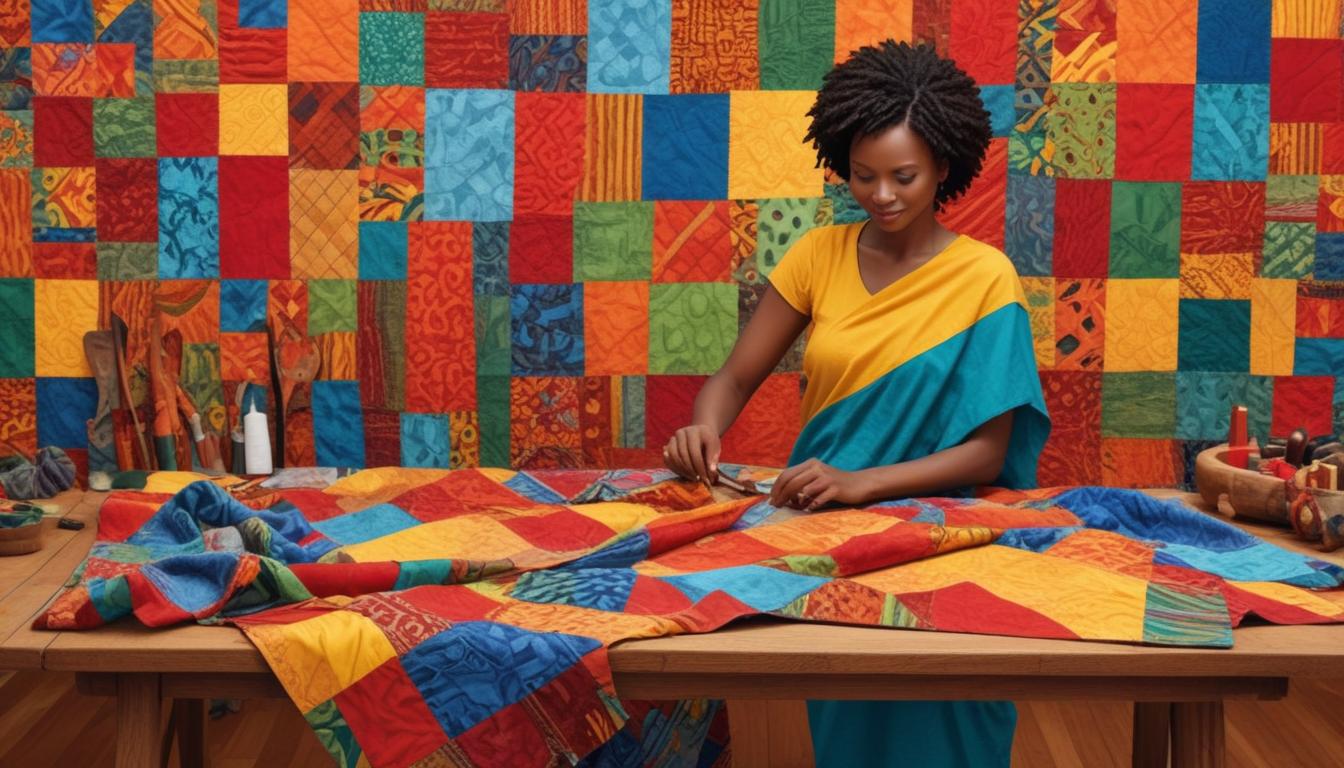
Introduction to African Patchwork Techniques
African patchwork techniques are deeply rooted in the cultural tapestry of the continent, representing a vibrant part of traditional textiles and fabric arts. These techniques have been practiced for centuries, evolving from the need to creatively utilize fabric scraps and textile remnants into a sophisticated craft that holds both practical and symbolic value. The origins of African patchwork can be traced back to various regions where artisans skillfully combined pieces of cloth to tell stories, symbolize social status, and celebrate community heritage.
Traditional African patchwork is more than just a method of stitching fabric together; it is a form of artistic expression that reflects the diverse cultural identities across the continent. Different African communities have distinct patchwork styles, often characterized by bold patterns, vibrant colors, and unique fabric textures that exemplify their heritage. These textiles are not only used in clothing but also in ceremonial garments, household items, and rituals, underscoring their integral role in the cultural fabric of African societies.
Within the broader context of fabric arts, African patchwork stands as a testament to ingenuity and sustainability. The practice embodies a craft heritage where artisans honor traditional techniques passed down through generations, preserving the history and values embedded in each design. This heritage is a source of pride and identity, strengthening community bonds and maintaining continuity across changing times.
Moreover, African patchwork plays a significant role in heritage preservation by maintaining techniques that might otherwise be lost to modernization. The intricate craftsmanship involved requires skillful handwork, creativity, and a deep understanding of textile manipulation. As a cultural asset, these patchwork pieces serve as historical records, each pattern and color telling a story that connects the past with the present and future.
In conclusion, African patchwork techniques are a crucial element of traditional textile arts, embodying the rich craft heritage and cultural significance that shape the continent’s identity. Through their origins and continuing practice, these techniques celebrate creativity, sustainability, and community, making them a treasured part of African artistic legacy.
Historical background of African patchwork
The history of African patchwork is deeply intertwined with the rich craft traditions and diverse cultural expressions found across the continent. Patchwork techniques in Africa have evolved over centuries, reflecting the ingenuity and artistic sensibilities of various communities. Historically, African textiles served not only as clothing but also as powerful symbols of status, identity, and heritage.
Patchwork in Africa often involved the recycling and repurposing of fabric scraps, which were carefully stitched together to create vibrant and meaningful designs. These practices were prominent in regions such as West Africa, where the Yoruba people developed intricate appliqué and patchwork styles, and in Southern Africa, where the Ndebele incorporated distinctive geometric patterns into their textile crafts. The evolution of patchwork techniques in these regions demonstrates a dynamic interplay between local materials, traditional methods, and external influences introduced through trade and colonization.
Throughout history, the art of patchwork in African textiles has been a collaborative process, often passed down through generations, strengthening communal bonds and preserving cultural narratives. As these techniques progressed, they not only reflected everyday life but also played a crucial role in ceremonies and rituals. The history of African patchwork thus encapsulates a vibrant story of resilience and creativity, showcasing how craft traditions adapt and thrive through time.
Common materials and patterns used in African patchwork
African patchwork is celebrated for its vibrant use of materials, patterns, and textile design that reflect rich cultural heritage. The typical fabrics used in African patchwork include cotton, wax prints, kente cloth, and bogolanfini (mud cloth). Cotton is preferred for its breathability and ease of dyeing, making it an ideal base for intricate designs. Wax prints, known for their vivid colors and glossy finish, are produced by a batik technique that uses wax to resist dye on selected areas of the fabric, creating striking patterns.
Dyeing techniques in African patchwork involve natural dyes extracted from plants, roots, and minerals, which give fabrics earthy hues and unique textures. Indigo dyeing is a prominent practice, especially in West African countries, lending deep blue tones to textiles. Mud cloth, traditionally made by the Bamana people of Mali, utilizes fermented mud to create symbolic patterns that convey stories or social status.
Iconic patterns in African patchwork range from geometric shapes to symbolic motifs. Kente cloth, originating from Ghana, showcases bright stripes and checkerboard patterns woven into silk and cotton blends, each design carrying specific meanings related to history and values. Other common patterns include spirals, zigzags, and dots, each representing different cultural narratives and spiritual beliefs. These patterns are not only decorative but serve as a form of visual communication in textile design.
The combination of diverse fabric types, traditional dyeing methods, and symbolic patterns make African patchwork a unique art form. It continues to inspire modern fashion designers who embrace these materials and motifs to create contemporary styles that honor Africa’s rich textile heritage.
Incorporating African Patchwork in Modern Fashion
African patchwork designs have become a vibrant and influential element in modern fashion, seamlessly blending traditional craftsmanship with contemporary textiles. Designers today are increasingly inspired by the rich cultural heritage and intricate patterns of African patchwork, incorporating these elements into their collections to create unique and striking pieces that resonate with global audiences.
One notable trend is the use of patchwork techniques to add texture and visual interest to garments. By combining various fabrics, colors, and patterns, fashion designers can construct dynamic and multidimensional pieces that stand out in any wardrobe. This approach not only honors the artistic value of African patchwork but also elevates it within the context of modern fashion, making it relevant and desirable for contemporary consumers.
Contemporary textiles are often chosen to complement the traditional patchwork methods, offering a fusion of old and new. For example, luxury designers might combine African wax prints with innovative materials like neoprene or metallic fabrics, creating garments that are both culturally significant and fashion-forward. This synthesis of styles and materials highlights the adaptability of African patchwork designs in varied fashion contexts.
Fashion trends increasingly reflect a desire for authenticity and meaningful design, which African patchwork provides through its storytelling and heritage. From runway shows to streetwear, the influence of African patchwork is visible in jackets, dresses, accessories, and even footwear. This widespread adoption underscores its growing importance as a source of inspiration and a symbol of cultural pride within the fashion industry.
In conclusion, the integration of African patchwork techniques in modern fashion is a celebration of craftsmanship and cultural expression. By bringing these traditional elements into the spotlight, designers contribute to a broader appreciation of African artistry, ensuring that these techniques continue to evolve and inspire future fashion trends worldwide.
Designers blending tradition with modernity
African patchwork has been masterfully woven into the fabric of contemporary fashion by several visionary fashion designers. These creatives are celebrated for their cultural fusion, blending traditional African textiles and techniques with modern silhouettes and styles. By doing so, they create clothing lines that not only honor heritage but also appeal to global fashion audiences, showcasing how traditional meets modern in vibrant and innovative ways.
Designers like Stella Jean and Duro Olowu exemplify this trend, incorporating intricate African patchwork patterns into their collections that speak to both their roots and cosmopolitan influences. Their work highlights how cultural fusion enriches fashion, presenting garments that tell stories of heritage while pushing contemporary design boundaries. These designer profiles offer inspiring examples of how tradition is revitalized through modern expression.
Another notable name is Kenneth Ize, whose collections frequently highlight African craftsmanship, combining patchwork with elegant tailoring. His approach emphasizes sustainability and authenticity, bringing traditional artisanal methods into the limelight of modern fashion weeks worldwide. This blend not only preserves cultural practices but also challenges the fashion industry to embrace diversity within high fashion.
Through the work of these fashion designers, African patchwork becomes a medium through which tradition meets modern fashion sensibilities, creating a powerful dialogue between past and present. This ongoing cultural fusion continues to inspire and shape the global fashion landscape, proving that heritage and contemporary style can coexist beautifully.
Techniques and innovations in textile production
In today’s fashion industry, traditional African patchwork techniques have undergone remarkable transformations through textile innovation and advanced fabric technology. Contemporary designers are blending age-old methods with cutting-edge tools to create fabrics that retain cultural significance while meeting modern demands for durability, texture, and aesthetic appeal. Innovations such as digital printing and laser cutting have been integrated with hand-sewing techniques to enhance precision and versatility in patchwork designs.
Modern adaptations often involve the use of sustainable and synthetic fibers that improve the longevity and comfort of patchworked garments. This shift reflects a growing awareness of environmental impact while preserving the rich heritage embedded in African textile craftsmanship. Moreover, 3D embroidery and computerized stitching machines allow for intricate patterns that were once labor-intensive to produce, pushing the boundaries of creative expression within patchwork techniques.
Textile innovation also extends to fabric blending, where traditional fabrics are combined with newer materials to create unique textures and visual effects. Designers experiment with layering, quilting, and fabric manipulation, leading to garments that honor ancestral styles yet appeal to a global market. These technical advances exemplify how the fusion of tradition and technology is revitalizing African patchwork, making it a significant influence in modern fashion worldwide.
Impact of African Patchwork on Global Fashion Culture
African patchwork has left a significant mark on the global influence of contemporary fashion culture. Originating as a traditional craft that reflects the rich heritage, symbolism, and storytelling of various African communities, patchwork techniques have gained international recognition and integration into mainstream fashion. This evolution demonstrates how African patchwork styles act as a catalyst for cross-cultural fashion dialogues, creating a unique intersection where heritage meets modernity.
The global influence of African patchwork is evident in the works of numerous designers and fashion houses across continents who draw inspiration from the vibrant colors, intricate patterns, and culturally meaningful compositions characteristic of African textiles. These elements are reimagined within modern silhouettes and styles, creating garments that resonate with diverse audiences worldwide. The patchwork impact is not only aesthetic but also conceptual, promoting an appreciation of craftsmanship and visual storytelling that transcends geographic and cultural boundaries.
Moreover, African patchwork techniques have fostered a dynamic cross-cultural fashion exchange. Collaborations between African artisans and international designers serve as a platform for skill sharing, innovation, and empowerment. This exchange enriches global fashion culture by introducing new textures, techniques, and narratives grounded in African traditions. It also challenges and expands the fashion industry’s understanding of creativity, blending indigenous knowledge with contemporary design practices.
The patchwork impact extends beyond aesthetics; it influences the sustainability dialogue within fashion culture. Techniques rooted in repurposing fabric scraps and honoring resourcefulness align with growing global demands for ethical and eco-conscious fashion. By incorporating African patchwork styles into modern collections, designers contribute to a broader movement that values cultural heritage, environmental responsibility, and inclusive storytelling.
In summary, the influence of African patchwork on global fashion culture highlights its role as a powerful agent of cross-cultural connection. It bridges past and present, local and global, tradition and innovation. As a result, the international fashion scene continues to evolve with a deeper appreciation for the rich visual language and social significance embedded in African patchwork, reinforcing its lasting impact on the world stage.
Representation in major fashion events and media
African patchwork has made a significant impact in major fashion weeks around the world, capturing the attention of designers, critics, and audiences alike. Its vibrant patterns and intricate designs have been increasingly showcased on runways from New York to Paris, serving as a rich source of inspiration and cultural expression. This visibility at prominent fashion weeks has helped to elevate the art form, introducing it to a broader and more diverse audience.
Media coverage has played a crucial role in promoting African patchwork beyond the runway. Fashion magazines, digital platforms, and television have highlighted the craftsmanship and cultural significance behind these textiles, often featuring stories about the artisans and communities involved. Such exposure not only educates viewers but also enhances appreciation and demand for patchwork pieces in global markets.
Celebrity endorsements have further amplified the presence of African patchwork in modern fashion. Influential figures and style icons wearing patchwork designs at high-profile events bring substantial global exposure, driving trends and encouraging the adoption of traditional techniques in contemporary styles. These endorsements foster a greater acceptance and celebration of African heritage in mainstream fashion, bridging the gap between tradition and modernity.
Sustainability and ethical considerations
The use of African patchwork techniques in modern fashion offers significant sustainability benefits. These methods often involve repurposing textile scraps, reducing waste by incorporating eco-friendly textiles that would otherwise be discarded. This not only minimizes the environmental footprint but also promotes a circular approach to fashion production.
Moreover, the emphasis on artisan empowerment is a crucial ethical consideration. Many African patchwork designs rely on skilled handworkers who maintain traditional craftsmanship while earning fair wages. By supporting these artisans, modern fashion brands contribute to sustainable livelihoods and the preservation of cultural heritage.
Ethical fashion built around African patchwork champions transparency and responsible sourcing, challenging the fast fashion industry’s exploitative practices. The collaboration between designers and local communities ensures respect for the materials and techniques, reinforcing a commitment to sustainability and ethical values.
Incorporating African patchwork into contemporary styles is, therefore, not only a creative endeavor but also a meaningful step towards a more sustainable and ethical fashion industry. These efforts highlight the importance of eco-friendly textiles and artisan-led production methods that honor craftsmanship while safeguarding the planet.

I’m fascinated by the vibrant intersection of contemporary fashion and traditional African craftsmanship. I spend my free time exploring markets, learning about textile techniques, and sharing the stories behind each piece with our readers.