
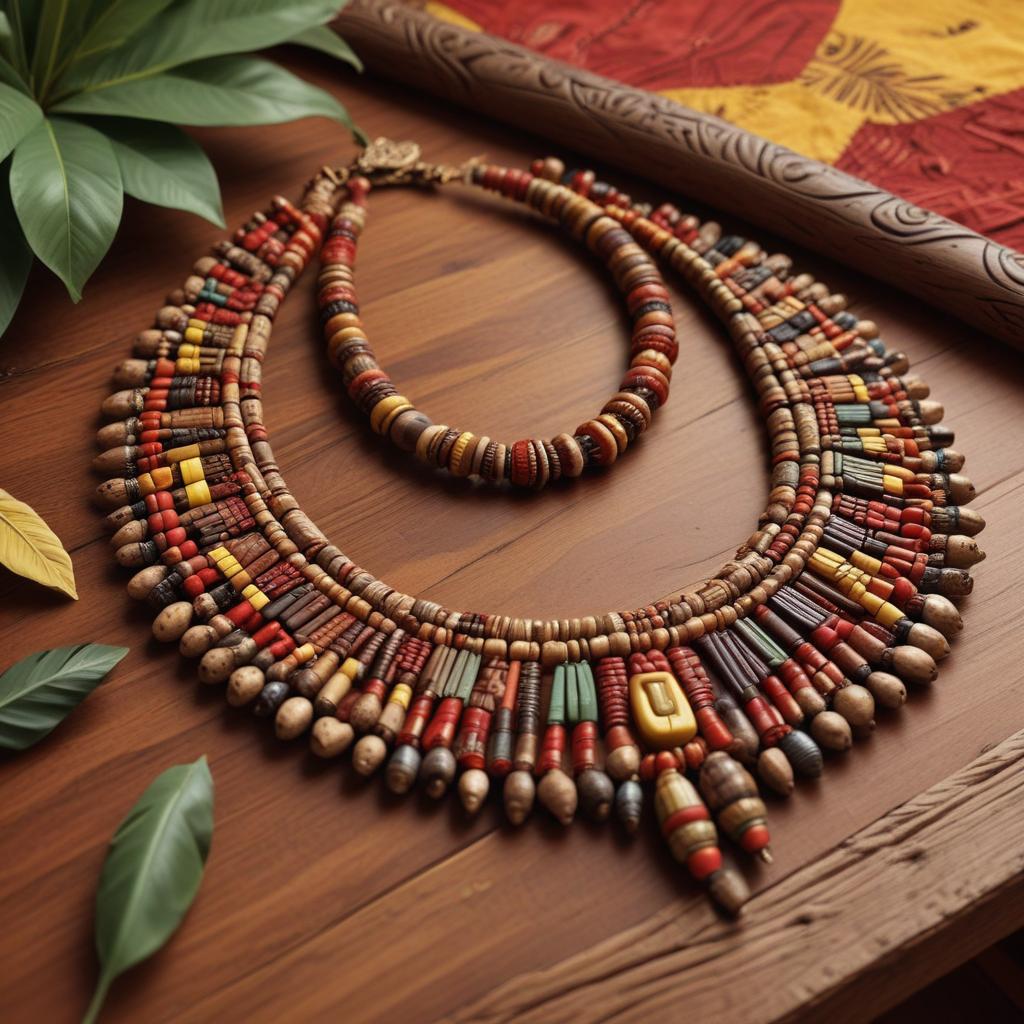
Historical Significance of African Jewellery
African jewellery history is rich and deeply intertwined with the continent’s diverse cultural heritage. Traditional jewellery has served not only as adornment but also as a symbolic language that conveys social status, spiritual beliefs, and ancestral connections. From ancient times to the present day, jewellery has played a vital role in shaping African identities and preserving tribal narratives across generations.
The origins of African jewellery can be traced back thousands of years, with archaeological findings revealing that early humans across the continent crafted beads and ornaments from natural materials such as bones, shells, and stones. These early pieces were often used in rituals and as talismans, demonstrating an understanding of the power and meaning imbued in adornment. As societies evolved, so did the complexity and significance of their jewellery, reflecting shifts in social structures and cultural exchanges.
One significant period in African jewellery history is the era of the ancient kingdoms, such as Egypt, Nubia, and the empires of Mali and Ghana. These powerful states produced intricate gold and metal jewellery, celebrated both for its beauty and as a symbol of wealth and divine authority. In particular, the Akan people of Ghana developed renowned goldsmithing techniques, which contributed to jewellery becoming a marker of lineage and political power within their cultural heritage.
The arrival of European traders and colonisers introduced new materials and styles, marking another important shift. While some traditional practices were altered or suppressed, many techniques were preserved and adapted. Jewellery continued to express resistance and resilience, serving as a reminder of African identity amid changing political landscapes. In addition, indigenous symbols integrated into jewellery design maintained their role in storytelling and community cohesion.
In contemporary times, African jewellery history is celebrated for its innovation and preservation of cultural heritage. Designers blend ancestral motifs with modern aesthetics to create pieces that honour tradition while appealing to global audiences. This ongoing evolution demonstrates how traditional jewellery remains a dynamic expression of African cultural identity, reflecting both historical roots and contemporary relevance.
Origins and Evolution
The origins of African jewellery date back thousands of years, reflecting a rich tapestry of cultural expression and identity. Early jewellery pieces were crafted using natural materials such as bones, shells, stones, and metals, serving not only as adornments but also as symbols of status, spirituality, and protection. As various African tribes developed their own unique artistic traditions, the design evolution of jewellery became a vivid narrative of the continent’s diverse histories and cultural practices.
Across regions, the jewellery origins can be traced to specific environmental resources and tribal customs. For example, the Maasai of East Africa are known for their intricate beadwork, where brightly coloured beads are meticulously arranged to signify social standing, age, and marital status. In contrast, the Tuareg of the Sahara specialise in silver jewellery, their designs characterised by geometric patterns and symbolic engravings that convey power and protection. Similarly, West African tribes like the Ashanti crafted gold jewellery that denoted royalty and wealth, with complex forms evolving over centuries.
Over time, these diverse tribal influences contributed to a dynamic evolution in African jewellery designs. Migration, trade, and interaction between various groups facilitated the blending and adaptation of techniques and motifs. This design evolution also incorporates external influences while preserving core symbolic meanings central to many African communities. Thus, African jewellery stands not only as a form of artistic expression but also as a living document of cultural identity shaped by centuries of history across the continent.
Symbolism in Historical Context
Historical symbolism in African jewellery is deeply rooted in the cultural fabric of various tribes, serving as a vivid language through which social status, beliefs, and identity were expressed. Traditional symbols, meticulously crafted into beads, metals, and other materials, acted as visual cues to signify an individual’s position within their community or their specific tribal affiliation. These symbols were not merely decorative; they held profound meanings that guided interactions and reinforced social hierarchies.
In many African societies, the materials used in jewellery, such as gold, copper, or cowrie shells, were carefully selected to reflect wealth and authority. For example, the Akan people of Ghana used gold weights and jewellery to denote royalty and clan affiliations, with specific motifs conveying ancestral power and spiritual protection. Such tribal meanings were widely recognised, ensuring that jewellery functioned as both a status marker and a spiritual talisman.
Traditional symbols often included geometric patterns, animal motifs, and natural elements, each embodying particular beliefs or morals. These symbols conveyed messages about the wearer’s virtues, life experiences, or aspirations, linking them to communal values and identity. Through these artistic codes, jewellery became an enduring medium of cultural storytelling, bridging personal identity with broader societal narratives.
Overall, African jewellery’s historical symbolism transcended mere ornamentation. It was a powerful tool for expressing complex social structures and spiritual concepts, preserving tribal wisdom and identity across generations. The layered meanings embedded in these traditional symbols continue to inspire contemporary appreciation and study of African cultural heritage.
Common Symbols and Meanings in African Jewellery
African jewellery symbols carry deep cultural significance, often conveying messages related to identity, status, spirituality, and protection. These symbols are integral to the design meanings embedded within the jewellery, giving each piece a story far beyond its physical beauty. Understanding symbolism in jewellery highlights not only artistic creativity but also the values and beliefs held by various African communities.
One of the most recognised African jewellery symbols is the Adinkra symbol from Ghana. These symbols are often stamped or carved into beads and accessories, with each design representing a proverb or concept. For example, the “Gye Nyame” symbol, meaning “except for God,” represents the omnipotence and supremacy of a higher power. Wearing jewellery featuring this symbol conveys faith and spiritual protection.
The use of cowrie shells is another common motif found across many African cultures. Originally used as currency, cowrie shells in jewellery designs symbolize wealth and fertility. They are often worn in ceremonies as a blessing for prosperity and good fortune, making their presence both decorative and highly meaningful.
Animal motifs also play a significant role in African jewellery symbolism. The crocodile, for instance, is often featured in designs symbolising strength, adaptability, and survival, reflecting the characteristics admired by the community. Likewise, the elephant symbol represents wisdom, leadership, and power — qualities that are aspired to and honoured.
Geometric patterns, including triangles, circles, and zigzags, are recurrent in African jewellery symbols. Triangles can denote growth or change, while circles represent life cycles, unity, and eternity. Zigzag patterns may signify the twists and turns of life or the flow of water, which is essential for fertility and life itself. These geometric symbols enrich jewellery with layered meanings understood by those familiar with the cultural context.
Colours used in African jewellery designs also carry symbolism. Red often denotes vitality and life force; blue may represent peace and harmony; green is commonly linked to growth and renewal. By combining these colours with specific symbols, craftsmen impart multiple layers of meaning into each piece, making symbolism in jewellery a complex and fascinating art.
In summary, African jewellery symbols are more than just decorative elements — they articulate powerful stories, beliefs, and aspirations. Through the design meanings of specific motifs like Adinkra symbols, cowrie shells, animal representations, geometric patterns, and colour usage, wearers connect with their heritage and communicate identity and values. Appreciating these symbols offers a deeper understanding of African jewellery’s rich cultural tapestry.
Adinkra Symbols and Their Interpretations
Adinkra symbols are a remarkable feature of West African jewellery, deeply embedded with cultural significance and rich meanings. Originating from the Ashanti people of Ghana, these symbols are widely used in jewellery designs to convey various philosophical concepts, values, and traditional wisdom. Each symbol serves not only as an artistic element but also as a communicative emblem, telling stories and preserving history through its unique shape and form.
One common Adinkra symbol is Gye Nyame, which translates to “Except for God”. This symbol signifies the omnipotence and supremacy of a higher power, often interpreted as a reminder of the spiritual aspect of life. Jewellery featuring Gye Nyame is believed to protect the wearer and embody faith and resilience.
Another popular symbol is Sankofa, represented by either a stylised heart or a bird looking backwards with an egg in its beak. It means “return and get it” and teaches the importance of learning from the past to build a successful future. West African jewellery incorporating Sankofa encourages reflection, wisdom, and respect for one’s heritage.
The Duafe symbol, resembling a wooden comb, represents beauty, cleanliness, and feminine qualities. It celebrates self-care and nurturing, often used in jewellery to honour women and maternal virtues. Lastly, Fawohodie symbolises freedom and emancipation, reminding wearers of liberation and independence.
Through these varied Adinkra symbols, West African jewellery not only adorns the body but also carries profound symbol interpretations, connecting wearers with cultural identity and ancestral wisdom.
Beads and Materials as Symbolic Elements
In African jewellery, the choice of beads and materials is never arbitrary; each element holds deep cultural symbolism and carries distinct meanings. Symbolic beads are often valued not only for their aesthetic appeal but for the stories and traditions they represent within various African communities. Colours, textures, and sources all play crucial roles in defining the significance of these jewellery pieces.
Colours of beads frequently convey specific messages. For example, red beads might represent vitality and courage, while blue can symbolize peace and spirituality. Yellow or gold-like hues often stand for wealth and fertility. These colours are carefully chosen to reflect the wearer’s status, intentions, or life circumstances. The texture of jewellery materials also enriches their symbolic value; smooth, polished beads could denote refinement and purity, whereas rougher textures might express a connection to nature or ancestral roots.
The sources of beads and materials are equally significant. Traditional materials such as glass, bone, metal, and seeds are utilised not only for their availability but for the heritage they embody. For instance, trade beads tell stories of historical exchange and cultural interaction, while natural elements like shells are linked to the environment and spirituality. Craftspeople thus harness these varied materials to embed layers of cultural symbolism, ensuring that each piece of jewellery is a meaningful artefact rather than just decorative adornment.
Through the deliberate use of symbolic beads and diverse jewellery materials, African designs continue to reflect complex identities and cultural narratives. This rich symbolism transforms jewellery into a powerful medium for expressing tradition, social values, and personal stories across generations.
Modern Influence and Contemporary African Jewellery
Modern African jewellery is a powerful testament to the dynamic nature of cultural expression. While deeply rooted in ancient traditions, contemporary designs have evolved to reflect a blend of heritage and innovation. This fusion allows artisans to maintain the cultural symbolism today, even as they navigate a globalised and modern artistic landscape. As a result, modern African jewellery continues to be a vibrant medium for storytelling, identity, and artistic exploration.
Contemporary African jewellery incorporates traditional symbolism by reinterpreting age-old motifs and materials with fresh perspectives. For example, symbols once carved into amulets or beads are now reimagined in sleek metallic forms or mixed media assemblages, seamlessly connecting past meanings with present aesthetics. This approach honours the spiritual and social significance of the motifs while appealing to new audiences who appreciate the artistry and symbolism behind each piece.
Modern African jewellery designers often draw inspiration from the rich tapestry of their cultural heritage, using iconic symbols such as the Adinkra signs from Ghana or the Ndebele geometric patterns from South Africa. These symbols carry meanings related to protection, prosperity, community, and identity. By embedding these in contemporary designs, creators ensure that the jewellery is not only fashionable but also meaningful. This interplay between the old and the new creates a compelling narrative that resonates across generations.
Furthermore, contemporary designs frequently integrate global artistic influences, allowing for an exciting cross-cultural dialogue. Techniques such as 3D printing, mixed metals, and unconventional materials meet traditional craftsmanship, leading to innovative results. This blend demonstrates how modern African jewellery is not confined by geographic or historical boundaries but is instead an evolving art form that reflects both local realities and global conversations.
The significance of cultural symbolism today in African jewellery extends beyond decoration; it serves as a potent mode of identity and empowerment. Many contemporary African artisans use their work to express socio-political themes, challenge stereotypes, and celebrate African heritage on the world stage. This shift underscores the adaptability of symbolism within modern African jewellery, proving that it remains a crucial conduit for cultural continuity and expression in a rapidly changing world.
In summary, the relationship between tradition and innovation is at the heart of modern African jewellery. By preserving the cultural symbolism today through contemporary designs, artisans both honour ancestral legacies and push artistic boundaries. This synergy ensures that African jewellery remains relevant, meaningful, and inspiring, firmly establishing its place in the global artistic narrative.
Symbolism in Contemporary Artistry
Contemporary symbolism plays a vital role in the work of modern jewellery artists across Africa, who skilfully reinterpret traditional motifs to resonate with today’s fashion sensibilities. These artists draw from a rich heritage of African design trends, weaving age-old symbols into avant-garde pieces that communicate both cultural identity and personal expression.
Modern jewellery artists are not confined by historical conventions; instead, they experiment with new materials, forms, and techniques to breathe fresh life into symbolic elements that have defined African artistry for centuries. By integrating motifs such as the Adinkra symbols, Nubian patterns, or Maasai beadwork symbolism, these creators produce jewellery that speaks a universal language, bridging the gap between past and present.
Innovative fashion pieces emerging from this contemporary approach often reflect themes of unity, strength, and resilience, which remain core to African storytelling. Designers harness these symbolic narratives to challenge stereotypes and present African culture as evolving and dynamic, rather than static or purely traditional. This fusion of symbolism with modern aesthetics fosters a vibrant dialogue within the global jewellery landscape.
As a result, African design trends in jewellery today reveal an exciting synthesis of heritage and modernity, where symbolism is not merely decorative but a powerful tool for creative expression. The work of these contemporary artists continues to elevate African jewellery on the world stage, pushing boundaries while honouring the profound meanings embedded in their cultural symbols.
Global Impact and Cultural Appreciation
African jewellery, rich in symbolism and tradition, has left an indelible mark on global jewellery trends. The unique motifs, materials, and meanings encoded within these designs have captivated artisans and consumers worldwide, inspiring a renewed interest in handcrafted and meaningful adornments. This influence extends beyond aesthetics, bringing to light the cultural significance behind each piece and encouraging a deeper understanding of African heritage.
The symbolism inherent in African jewellery designs often tells stories of identity, spirituality, and social status, elements that resonate universally. As designers incorporate these symbolic elements into their work, they not only innovate within the fashion industry but also promote cultural appreciation. This fosters respect for the origins of these motifs, ensuring that the jewellery is not seen merely as decorative but respected as an expression of history and culture.
Moreover, the global demand for African-inspired jewellery has opened pathways for African artisans to reach international markets, helping to preserve their crafts and sustain communities. Cultural appreciation, when practised ethically, encourages collaboration rather than appropriation, creating a dialogue centred around shared creativity and mutual respect. Consequently, the influence of African jewellery symbolism continues to enrich global fashion, while simultaneously honouring its roots.

I’m fascinated by the vibrant intersection of contemporary fashion and traditional African craftsmanship. I spend my free time exploring markets, learning about textile techniques, and sharing the stories behind each piece with our readers.