
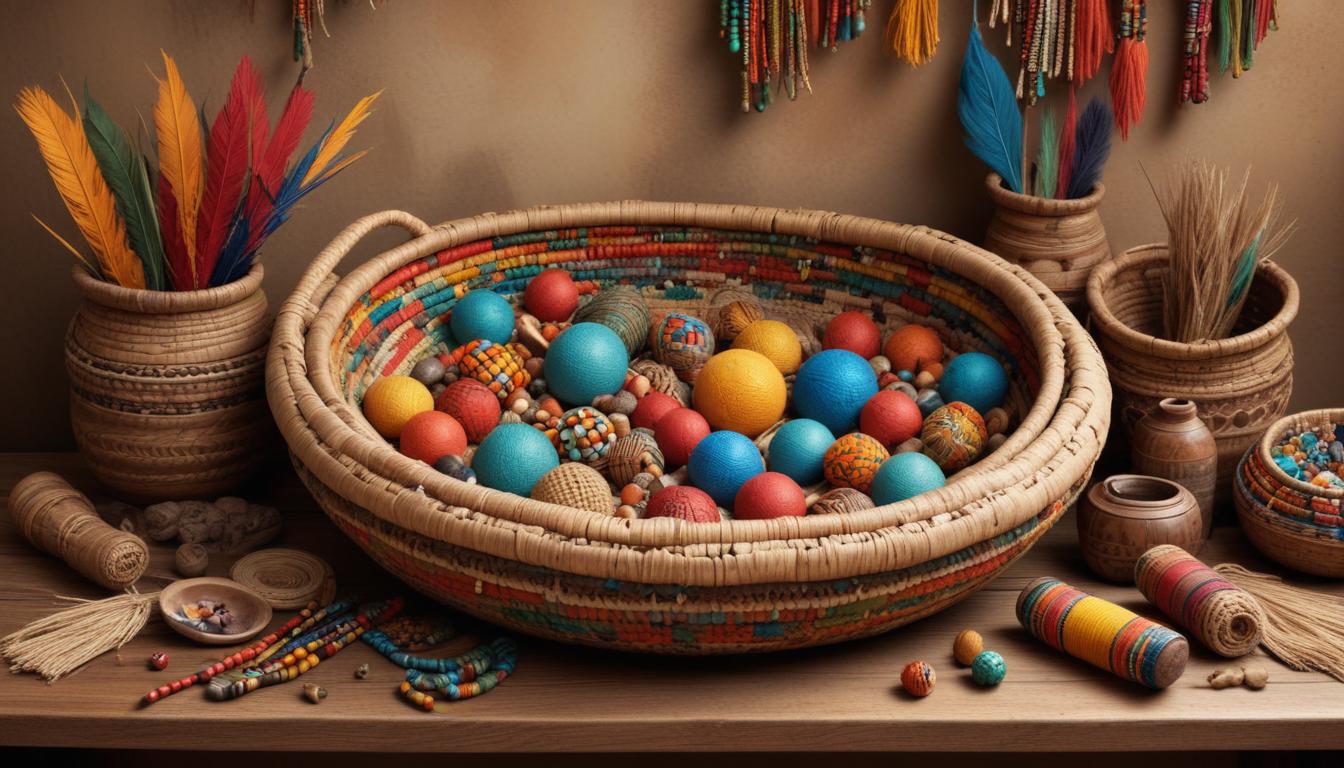
Overview of African Craft Materials
African craft materials encompass a diverse and rich array of natural and indigenous resources that have been traditionally used to create exquisite works of art and functional items. These materials form the foundation of many traditional crafts, reflecting the deep cultural heritage and artisanal mastery present across the continent. From the vibrant fabrics of West Africa to the intricate wood carvings of East Africa, the materials utilized are a vivid expression of the continent’s diverse ecosystems and cultural histories.
The significance of African craft materials goes beyond their physical properties, embodying a cultural symbolism and a connection to the environment and ancestral knowledge. Many of these materials are sourced sustainably from the local surroundings, such as natural fibers, clay, wood, beads, and metals, each chosen not only for their durability and beauty but also for their ability to convey stories, social status, and spiritual beliefs.
Traditional crafts made from these materials often carry meanings tied to specific tribes or regions, showcasing unique techniques passed down through generations. For example, the use of kente cloth in Ghana, woven from silk and cotton, is a revered practice symbolizing wealth and social standing, while the intricate beadwork in the Maasai community of Kenya and Tanzania tells stories of identity and celebration. Such artisanal values make African craft materials essential in preserving the continent’s artistic legacy.
In addition to their cultural significance, African craft materials have gained international recognition for their quality and uniqueness. Artisans across Africa expertly transform these raw materials into jewelry, textiles, pottery, and décor that appeal to both local and global markets. This blend of tradition and creativity highlights the importance of these materials not only as craft essentials but also as pivotal contributors to local economies and cultural diplomacy.
Natural Fibres and Textiles
Natural fibres play a crucial role in African textiles and craft materials, deeply rooted in the continent’s rich cultural heritage. Among the most commonly used natural fibres are raffia, sisal, and cotton, each sourced from distinct plants and serving unique purposes in textile creation.
Raffia fibre is derived from the leaves of the raffia palm tree, predominantly found in Central and West Africa. This fibre is prized for its flexibility and durability, making it ideal for weaving baskets, mats, hats, and intricate textile patterns. Craftsmen skillfully manipulate raffia to create vibrant, textured pieces that reflect traditional African aesthetics.
Sisal is obtained from the leaves of the agave plant, commonly cultivated in East Africa. Known for its strong and stiff qualities, sisal is often used for making ropes, twine, and floor mats. In textile crafting, sisal fibres are sometimes blended with other materials to add structure and longevity, showcasing the resourcefulness of African artisans in utilizing natural materials.
Cotton remains one of the most essential natural fibres in African textiles. Widely grown across the continent, cotton fibres are spun into threads and woven into a variety of fabrics. African cotton textiles are celebrated for their softness, breathability, and versatility, often embellished with vibrant dyes and patterns that convey cultural stories and identities.
The use of these natural fibres not only supports sustainable craft practices but also preserves traditional techniques passed down through generations, making African textiles and craft materials a vibrant expression of the continent’s creativity and environment.
Wood and Carving Materials
Wood carving is a pivotal element in African crafts, with artisans selecting specific types of wood that complement their traditional techniques and the intended use of the piece. Among the preferred woods, African ebony, mahogany, and iroko stand out for their durability, fine grain, and natural beauty. African ebony is especially valued for its dense, dark color, which provides a striking contrast when polished, making it a popular choice for intricate decorative carvings.
Mahogany offers a rich reddish-brown hue and relatively easy workability, allowing carvers to achieve detailed shapes and smooth finishes. Iroko, often called African teak, is favored for its strength and resistance to decay, making it ideal for objects intended for both indoor and outdoor use. These woods are traditionally harvested with respect for the environment, supporting sustainable craft practices across African communities.
Traditional carving techniques involve using hand tools such as knives, chisels, and adzes, skillfully maneuvered to transform blocks of wood into vibrant sculptures, masks, and functional objects. The process starts with rough shaping, followed by the delicate carving of intricate patterns that often bear cultural symbolism. Polishing with natural oils or waxes enhances the wood’s texture and highlights the skill of the wood carving artisan, ensuring that African wood remains a cornerstone of authentic craft materials.
Common African Craft Materials Explained
African craft materials explained often highlight the rich variety and cultural significance of resources traditionally used across the continent. Among these, beads, clay, metals, and natural dyes stand out as core elements in creating traditional African crafts that reflect unique artistic heritage and craftsmanship.
Beads hold a special place in African craft materials. Originating from glass, stone, seeds, or shells, these beads are often sourced locally or traded from distant regions, symbolizing status, identity, and history. The preparation of beads involves careful selection, cutting, and sometimes polishing to enhance their vibrancy and shape. Artisans string these beads to create intricate jewelry, ceremonial attire, and decorative items, each piece telling a story or signifying cultural beliefs.
Clay is another fundamental material used widely in traditional African crafts. Sourced from riverbanks, it undergoes a detailed process of cleaning, kneading, and molding. The clay is then sun-dried and fired in open pits to create durable pottery, figurines, and masks. These crafted items are not only utilitarian but also carry spiritual and social significance, often fashioned with patterns and motifs that represent tribal lore and natural elements.
Metals such as iron, copper, brass, and bronze have been essential in African craft materials through centuries, primarily used to create tools, jewelry, and ceremonial objects. The origin of these metals typically ties to local mining or trade routes. Metalcraft includes forging, casting, and engraving techniques, which result in highly detailed items that are both functional and decorative. These metals are revered for their durability and symbolic meanings in various traditions.
Natural dyes extracted from plants, roots, bark, and insects form a vital part of traditional African crafts. Preparation of dyes involves harvesting raw materials, boiling or soaking to release pigments, and mixing with mordants to fix the colors. These dyes are applied on textiles, leather, and sometimes beads. The colors obtained, such as indigo blue, vibrant reds, and earthy browns, carry distinct cultural connotations and are used to embellish garments and crafting pieces, enhancing their aesthetic and cultural value.
Understanding African craft materials explained reveals not only the physical ingredients but also the deep cultural connections embedded in each craft. Beads, clay, metals, and dyes form the cornerstone of traditional African crafts, showcasing an enduring legacy of skilled artisanship and cultural expression.
Beads and Decorative Elements
African beads are not just ordinary craft embellishments; they are vibrant carriers of culture and tradition. These decorative materials come in various forms including glass, stone, and bone beads, each with its unique story and significance. Glass beads are often brightly colored and highly prized for their lustrous finish, making them a popular choice in African beadwork. Stone beads, sourced from local minerals, are appreciated for their natural hues and durability. Bone beads add an organic, earthy touch, symbolizing connection to ancestors and nature.
In many African communities, beads serve as a language of symbolism conveying status, identity, and rites of passage. For instance, specific colors and shapes may represent fertility, protection, or social rank. This cultural symbolism deeply influences the design and use of beads in African crafts, where artisans carefully select beads to imbue their creations with meaning beyond mere decoration.
Craft embellishments such as beads are incorporated into jewelry, clothing, and ceremonial objects, enhancing their beauty while preserving tradition. Skilled crafters string beads into necklaces, bracelets, and headpieces, often combining different materials to create intricate patterns. These beadworks are celebrated as both artistic masterpieces and cultural heritage, making African beads a fundamental element of African decorative materials and crafts.
Clay and Pottery Materials
Clay pottery holds a significant place in African craft materials, with diverse types of clay found across different regions of the continent. In West Africa, red and brown clays rich in iron oxides are commonly used, lending a distinctive warm hue to the pottery. Northern African artisans often work with finer, more plastic white clays that allow for intricate detailing, while East African pottery typically utilizes more porous clays suited for both functional and decorative purposes.
African pottery is traditionally handcrafted using techniques passed down through generations. Coiling is a prevalent method where long rolls of clay are layered and smoothed to form vessels. In some cultures, pit firing is used as a pottery technique, where pots are fired in open pits with organic matter, giving the pottery unique textures and colors. Other communities employ wheel throwing, though it is less common, showing the diverse approaches to shaping clay.
The role of clay pottery in African craft art forms extends beyond functionality into cultural expression. Pottery serves ceremonial purposes, acts as a medium for storytelling through painted or carved motifs, and symbolizes social status in certain societies. These craft materials embody the rich heritage and creativity of African artisans, making clay pottery an essential component of traditional craft art forms on the continent.
Sourcing and Sustainability of African Craft Materials
The sourcing of craft materials in Africa plays a crucial role in preserving traditional art forms while promoting sustainable practices. Sustainable crafts focus on using resources that are renewable, ethically obtained, and have minimal environmental impact. Many African artisans source materials such as wood, fibers, dyes, and clay directly from local environments, emphasizing eco-friendly harvesting methods that avoid over-exploitation.
One of the primary challenges in African craft material sourcing is balancing economic demand with ecological preservation. Overharvesting can lead to deforestation and loss of biodiversity, threatening both the natural habitat and the cultural heritage tied to these materials. Additionally, climate change and environmental degradation have made traditional sourcing more difficult, compelling artisans to seek alternative or more sustainable resources.
To address these challenges, numerous initiatives have emerged that promote African craft sustainability. Community-led programs encourage the restoration and management of natural resources, ensuring that craft materials are harvested in ways that replenish the environment. For example, reforestation projects help maintain the supply of quality wood for carving, while organic farming supports the production of sustainable fibers and dyes.
Moreover, collaborations between artisans, environmental organizations, and government bodies are fostering awareness about sustainable crafts. These collaborations often provide training on eco-friendly techniques, fair trade practices, and the use of alternative materials such as recycled or upcycled components. By integrating sustainability into the craft material sourcing process, African artisans contribute to both environmental conservation and socio-economic development within their communities.
Overall, sustainable craft material sourcing not only protects Africa’s rich natural resources but also ensures that the vibrant cultural expressions through crafts continue for future generations. Embracing eco-friendly practices in African craft sustainability is vital for cultivating a harmonious relationship between artisans, their environment, and their cultural heritage.
Environmental Impact of Material Harvesting
The environmental impact of material harvesting is a significant concern in the production of African crafts. Many of the natural materials used, such as wood, fibers, and dyes, come directly from the environment. Unsustainable harvesting practices can lead to deforestation, habitat destruction, and depletion of natural resources, which threatens both biodiversity and the long-term viability of craft traditions.
Artisans in Africa are increasingly aware of these environmental challenges and strive to maintain a balance with nature. They often employ traditional methods that recycle waste materials or selectively harvest resources to allow natural regeneration. This sustainable approach not only minimizes ecological damage but also preserves the cultural heritage associated with the craft materials.
Moreover, some communities have adopted eco-friendly practices such as using naturally fallen wood, cultivating fibers in home gardens, or employing natural dyeing techniques that avoid harmful chemicals. These efforts help reduce the environmental impact of material harvesting and promote a harmonious relationship between craft production and the natural world.
Ultimately, the environmental impact of material harvesting in African crafts is a delicate balance, where artisans play a crucial role in protecting their ecosystems while continuing to create beautiful, meaningful art. This respect for nature is a vital component of the cultural and environmental sustainability of African crafts.
Community Practices and Sustainable Innovations
Across Africa, community practices play a crucial role in promoting sustainability innovations among artisans who rely on traditional craft materials. Many African artisans work collaboratively within local groups to ensure that materials are sourced ethically and renewable techniques are employed. These community-driven efforts not only protect the environment but also preserve cultural heritage by maintaining the authenticity of craft techniques passed through generations.
Innovative methods have been introduced to enhance the sustainable use of craft materials. For example, artisans are adopting eco-friendly dyeing processes using plant-based colors instead of synthetic alternatives that harm the environment. Additionally, waste materials are creatively repurposed into new crafts, reducing resource depletion and minimizing pollution. These innovations demonstrate the inventive spirit within African artisan communities, who balance tradition with eco-conscious practices.
Moreover, community practices often incorporate educational programs to raise awareness about sustainability among artisans. This collective knowledge-sharing fosters stronger networks dedicated to conservation and responsible craftsmanship. Through such initiatives, African artisans lead the way in sustainable innovation, effectively integrating age-old techniques with modern environmental priorities. The result is a vibrant craft industry that supports both local economies and ecological balance.

I’m fascinated by the vibrant intersection of contemporary fashion and traditional African craftsmanship. I spend my free time exploring markets, learning about textile techniques, and sharing the stories behind each piece with our readers.