
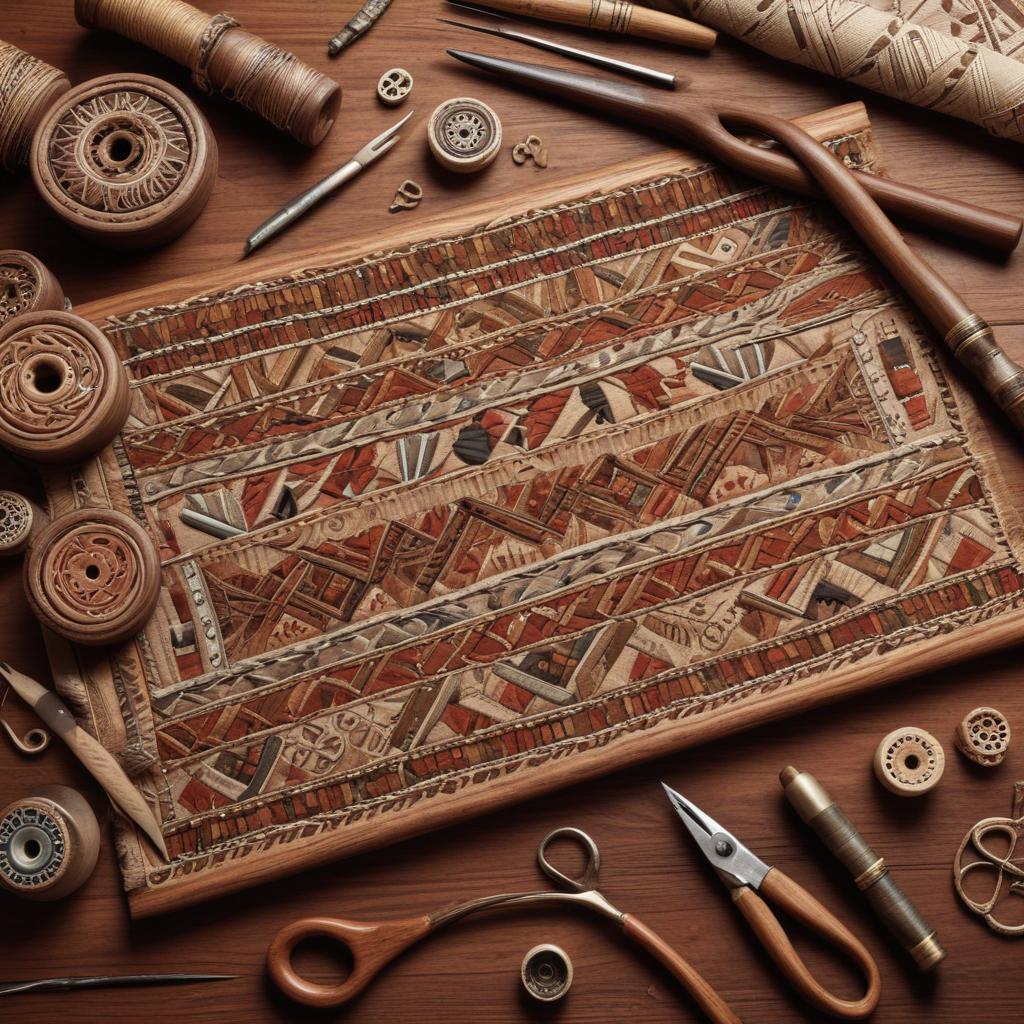
Historical background of traditional African embroidery
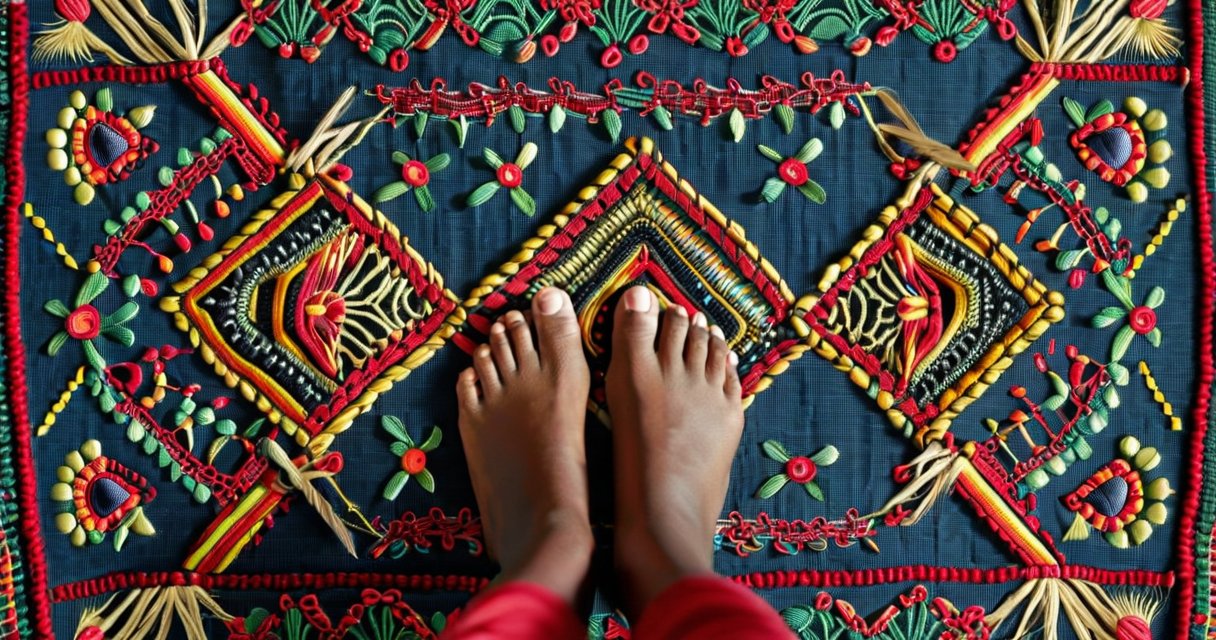
African embroidery carries a deep legacy that reflects the continent’s rich cultural diversity and centuries of artistic evolution. Across various regions, this craft has served purposes far beyond mere decoration, acting as a vital expression of community identity and ancestral heritage. Local techniques and distinct stylistic choices have been refined over many generations, often embedding complex symbolic meanings and reflecting specific societal customs unique to each area.
Across West Africa, stitching serves as a vital method for elevating attire that signals rank, tribal roots, and sacred beliefs. The Yoruba people of Nigeria stand out for their intricate needlework, which embellishes traditional robes and ceremonial dress. Their patterns usually combine bold colours with structured geometry, weaving in narratives that highlight both ancestral lineage and the individual’s place within society.
Across East Africa, the Swahili shoreline has fostered distinctive embroidery methods, honed over centuries of trade and cultural exchange with Arab, Persian and Indian peoples. Classic Swahili stitchwork features fine, elaborate needlework on clothing and household items, reflecting a vibrant legacy of skill and tradition. The craft shines brightest in the richly decorated garments worn at weddings and other major festivities.
Central and Southern Africa are also home to a rich history of embroidery, with communities such as the Ndebele renowned for their lively beadwork and stitched designs, which are integral to rites of passage and communal festivities. In this context, embroidery functions not only as a form of artistic expression but also as a method of safeguarding and conveying cultural values through the ages.
Traditional crafts across Africa showcase the continent’s creative essence and highlight the significance of handmade items in preserving cultural heritage. The history of African embroidery illustrates not just the artistic accomplishments of these societies but also the narratives, values, and social structures woven into every stitch. With a rising global fascination for cultural heritage embroidery, these age-old methods continue to motivate modern artisans, guaranteeing the persistence and development of this invaluable cultural art form.
Regional styles and motifs
African embroidery styles are remarkably varied, showcasing the continent’s rich cultural legacy and regional distinctions. Every community has crafted unique techniques and designs that hold significant symbolic interpretations. For example, West African embroidery is typically marked by complex geometric patterns and striking colour contrasts, with prominent styles observed in Nigerian Aso Oke fabrics and Ghanaian Kente cloth-inspired adornments. These regional designs often signify social standing, historical stories, or spiritual convictions.
In East Africa, especially in the Ethiopian and Somali cultures, embroidery is characterised by intricate, linear designs that frequently include floral and vine-inspired elements. These traditional patterns are typically sewn onto garments used for significant ceremonies and religious occasions, representing purity and a link to one’s heritage. In contrast, North African styles, like those seen in Morocco, feature ornate arabesque and tessellated designs, blending native African artistry with Islamic influences.
Southern African needlework offers a distinct visual language, often blending intricate stitching with bold appliqué and detailed beadwork. The Ndebele people exemplify this approach, using sharp geometric forms and saturated palettes to articulate their heritage and strengthen communal bonds. Across the continent, regional variations in traditional embroidery act as vessels for ancestral stories and shared values, preserving skills passed down through generations. These enduring motifs remain a vital channel for self-expression and cultural identity among diverse African groups.
Materials and techniques used historically
Traditional African embroidery has long highlighted the continent’s rich natural resources and cultural heritage. Historically, artisans sourced fibres from their environment, such as locally grown cotton and silk spun by wild silkworms. These natural threads were prized for their durability and softness, making them ideal for intricate needlework. In addition, dyes derived from plants, minerals and insects produced bright, lasting colours that enhanced the charm of embroidered textiles. When combined with skill, these materials produced works that were not only visually striking but also carried great significance across various communities.
The traditional stitching methods employed by African craftspersons display an exceptional level of skill and imagination passed down through countless generations. Such practices often involved detailed hand‑embroidery, featuring motifs that carry particular symbolic significance for different ethnic groups. Mastery of stitches such as chain, cross and running stitch was achieved to fashion elaborate designs, frequently telling stories or marking important events. The finesse evident in these time‑honoured stitching traditions highlights the patience and precision of African makers, whose works embody their cultural legacy and artistic ingenuity.
Embroidery materials in Africa, deeply connected to nature, along with the application of traditional stitching techniques, resulted in textiles that served both practical and ceremonial purposes. This artisanal skill continues to motivate modern artists who aim to uphold and transform these profound artistic customs. By appreciating and honouring the historical significance of natural materials and manual methods, the resurgence of African embroidery acquires richness and genuineness, keeping the art form lively and pertinent in the present day.
The modern revival of traditional African embroidery
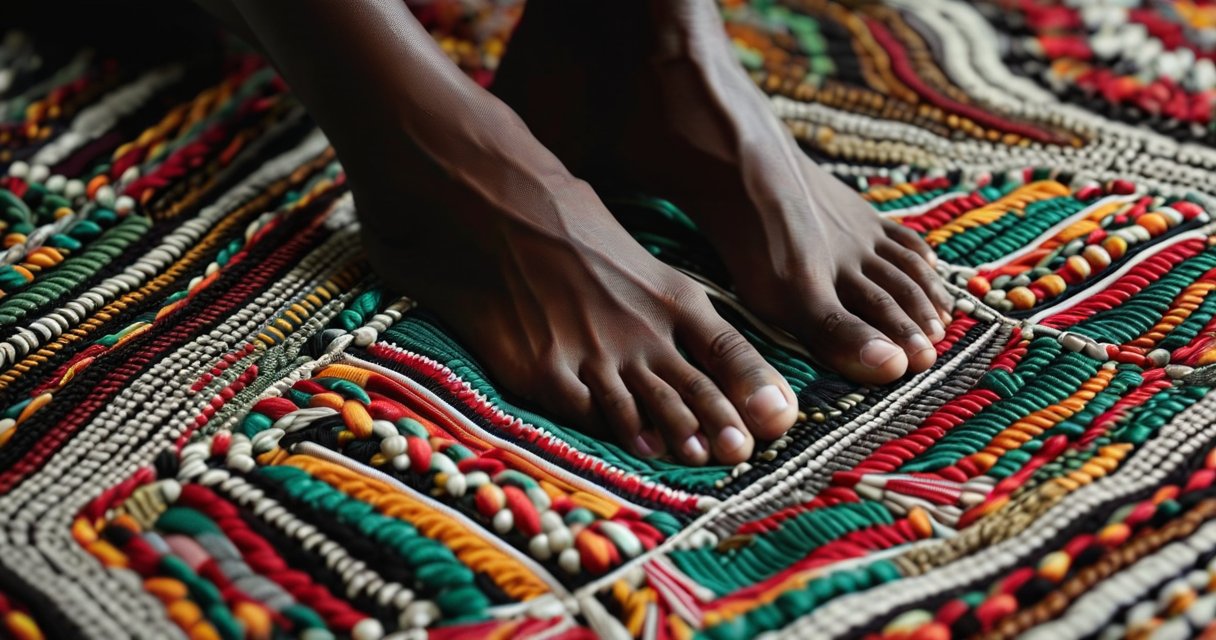
In recent times, there has been a significant revival of African embroidery that is transforming both local and global views on traditional textile arts. This resurgence is not just a sentimental return to former techniques but a lively re-engagement with the detailed craft, bringing it new creativity and intent. Throughout Africa, artisans are reclaiming age-old embroidery methods, motifs, and designs as a symbol of cultural pride and identity, intertwining history with contemporary influences.
The resurgence of African embroidery is intricately tied to wider movements in contemporary textile arts, with an increasing recognition of hand-crafted, sustainable, and culturally meaningful materials. Emerging designers and artisans are combining ancestral techniques with contemporary aesthetics, creating items that resonate with both tradition and modern fashion tastes. This vibrant fusion preserves the intricate techniques of embroidery while broadening its significance and attraction for a fresh wave of consumers and creators.
Furthermore, the African embroidery revival is essential for preserving culture. It acts as a physical link between generations, making certain that the techniques and tales woven into every stitch are handed down and modified instead of forgotten. Communities throughout the continent are employing embroidery as a means to protect their cultural stories from the unifying pressures of globalisation, reinforcing their distinct identities on the world stage.
Globally, traditional African embroidery has seen a remarkable rise in prominence in the fashion industry. Creatives from Africa and other regions are partnering with skilled embroiderers, presenting these stunning textiles on catwalks, at exhibitions, and across digital channels. This visibility not only celebrates the artisans’ skill but also raises the profile of African embroidery within the luxury fashion sector, significantly aiding economic empowerment in artisan communities.
Significantly, this contemporary resurgence confronts stereotypes by highlighting embroidery as a dynamic art form rather than a fixed tradition. The creative reimagining of traditional patterns showcases adaptability, ensuring the craft remains pertinent in various settings—from high fashion collections to casual attire. Consequently, African embroidery is increasingly acknowledged as a significant aspect of modern textile artistry globally, connecting cultural legacy with innovative design practices.
To summarise, the revitalised interest in traditional African embroidery signifies a notable shift in cultural preservation and fashion creativity. This resurgence of African embroidery highlights the necessity of maintaining heritage crafts while encouraging their development, ensuring that these vibrant traditions persist and motivate people around the world.
Role of contemporary designers and artisans
Current African fashion designers are crucial in revitalising and transforming traditional embroidery methods. By integrating age-old craftsmanship into their works, these designers pay tribute to their cultural roots while attracting an international market. Today’s embroidery artisans, with their detailed expertise, introduce a new perspective to this historic craft, merging traditional patterns with contemporary fabric selections and styling.
By harnessing imaginative creativity, African fashion designers have effectively reimagined traditional embroidery patterns into striking, modern expressions. They employ bright threads and innovative methods to give new life to native designs, ensuring their relevance in today’s fashion world. This blend produces distinctive clothing that honours cultural heritage while effortlessly integrating into contemporary wardrobes.
In addition, contemporary embroidery craftsmen work hand in hand with designers to guarantee that traditional techniques are respected and preserved. Their skilled artistry upholds the genuine character of embroidery styles from diverse regions throughout Africa, whilst also incorporating innovative materials and technology. This collaboration encourages a vibrant interaction between history and modernity, enhancing the profile of African fashion globally.
To sum up, the work of contemporary designers and embroidery artisans in blending traditional techniques with modern concepts demonstrates a vibrant cultural resurgence. Their efforts both safeguard key embroidery heritage and propel African fashion into fresh, inventive realms, inspiring the next generation of designers and craftspeople.
Cultural and economic impact
The resurgence of traditional African embroidery is vital for safeguarding culture, acting as a lively manifestation of identity and heritage. This craft is closely linked to the narratives, symbols, and principles handed down over generations, preserving a concrete link to ancestral origins. By rejuvenating these elaborate patterns and methods, communities guarantee that their distinctive cultural stories are not overshadowed by swift modern changes.
In addition to preserving cultural identity, the revival of traditional embroidery offers considerable economic advantages. Numerous local artisans, especially women, have discovered fresh economic prospects through the creation and sale of embroidered fabrics. This not only encourages entrepreneurship but also establishes sustainable income sources in communities that might otherwise encounter restricted job opportunities. The increasing worldwide demand for genuine, handcrafted items has broadened market access, further enhancing the economic advantages that embroidery brings to these communities.
Furthermore, this resurgence promotes community empowerment by facilitating collaboration and the exchange of skills. Embroidery workshops and cooperatives have emerged as hubs for social unity, where local members engage in learning, innovation, and the collective preservation of their craft. This shared approach enhances social ties and fosters pride in cultural accomplishments, bolstering a sense of belonging. Thus, the revival of traditional African embroidery not only enhances cultural identity but also lays the groundwork for economic resilience and empowerment in local communities.
Future prospects and preservation efforts
Caring for African embroidery serves a dual purpose: it preserves a vital piece of cultural heritage while simultaneously supporting sustainable craft economies that empower local communities. Across the continent, dedicated programmes are being developed to ensure that traditional stitching techniques and distinctive patterns survive and reach future generations. Such initiatives recognise the deep role embroidery plays in narrative, identity formation and artistic expression, working actively to shield these practices from the pressures exerted by rapid modernisation and mass industrial production.
Embedding traditional textile skills into school curricula and community workshops forms a critical strategy for preserving African embroidery heritage. By providing hands-on training to younger generations, these educational settings nurture a deeper respect for the cultural significance behind each stitch and pattern. In parallel, various non-governmental organisations collaborate directly with local artisans to document specific motifs, techniques, and production methods. This collaborative effort results in comprehensive archives that serve as vital reference materials for both practicing craftspeople and academic researchers interested in preserving these intangible cultural assets.
Another key factor in protecting African embroidery is the encouragement of eco‑friendly crafts through fair‑trade and responsible production methods. By forging strong market connections and supporting local creators, projects foster economic resilience and safeguard cultural traditions. Craft guilds and social enterprises often help makers access worldwide audiences, guaranteeing that classic embroidery remains a viable income stream. This, in turn, motivates younger people to continue practising and innovating the art.
The evolution of embroidery in Africa is being influenced by the integration of technology and innovative partnerships. Modern designers are increasingly working alongside traditional embroiderers to produce contemporary clothing and homeware that appeal to a global market. These collaborations not only enhance the visibility of African embroidery but also revitalise traditional methods, blending them with contemporary fashion styles. Furthermore, digital platforms and e-commerce have facilitated greater exposure, allowing artisans to present their creations beyond their local communities.
To protect African embroidery, a holistic plan is required, combining education, thorough documentation, sustainable economic models and inventive creativity. By encouraging these methods, the lively customs embodied in African stitching can be respected and preserved, ensuring their continued relevance and colour for generations to come. The future of African embroidery looks promising when these safeguarding efforts are pursued with enthusiasm and respect.
Educational programs and workshops
Embroidery education across Africa is essential for maintaining and revitalising traditional craft methods. By means of focused educational initiatives and craft workshops, emerging artisans can acquire and perfect the intricate techniques that have been handed down over the years. These programmes not only protect cultural heritage but also empower the younger generation by equipping them with important skills training.
Numerous community centres, cultural organisations, and NGOs have set up workshops centred around embroidery to involve young people and promote experiential learning. These craft sessions provide a hands-on setting where attendees can explore traditional designs and cultivate their individual artistic expression. By merging cultural heritage with practical teaching, embroidery education in Africa nurtures both appreciation and skill development.
Training in skills via educational initiatives also fosters economic progress, as young artisans can turn their newly acquired skills into income-generating ventures. The expertise they acquire allows them to create superior embroidered products that appeal to both domestic and global markets. Additionally, these programmes frequently emphasise sustainable methods and the utilisation of locally sourced materials, promoting responsible craftsmanship.
In summary, educational programmes and craft workshops play a crucial role in fostering a lively embroidery culture across Africa. They provide a basis for young artisans to confidently preserve and evolve their rich heritage, guaranteeing that this distinctive art form remains vibrant for future generations.
Integration with technology and innovation
The resurgence of traditional African embroidery is progressively integrating technology in a manner that respects heritage while encouraging innovation. Digital tools for embroidery have become essential in this transformation, allowing artisans to combine age-old techniques with contemporary accuracy. These digital resources assist designers in crafting elaborate patterns that celebrate cultural motifs, while also permitting experimentation with colour, scale, and repetition that would have been difficult to achieve through solely manual methods.
Weaving digital innovation into established craft methods allows makers to produce contemporary textiles that appeal to modern audiences without diluting the core values of their ancestral techniques. Software solutions and computer-aided design (CAD) platforms accelerate the prototyping phase, ensuring that original artistic intent remains intact while exploring new creative possibilities. This convergence opens doors to emerging commercial opportunities and collaborative ventures, demonstrating that historical practice and technological advancement function as complementary forces rather than competing interests.
Moreover, technology bolsters sustainable methods by minimising waste in the embroidery process via accurate digital planning. It also contributes to documentation and education, with digital archives preserving embroidery patterns for generations to come. Consequently, the traditional African embroidery landscape is not merely enduring but thriving, propelled by a seamless fusion of heritage and innovation, enhanced by digital embroidery tools and technology within tradition.

I’m fascinated by the vibrant intersection of contemporary fashion and traditional African craftsmanship. I spend my free time exploring markets, learning about textile techniques, and sharing the stories behind each piece with our readers.