
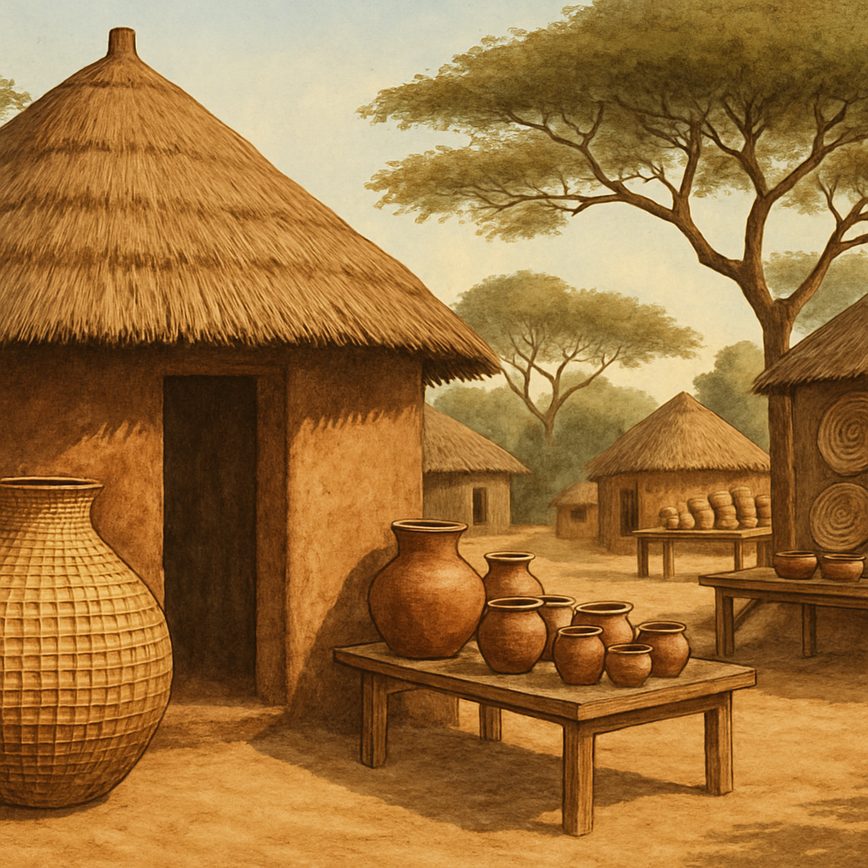
Introduction to African Craft Hubs and Villages
African craft hubs and villages are vital centers where traditional artistry thrives, connecting generations through the preservation of cultural heritage. These artisan hubs are more than just places of creation; they embody the spirit of African crafts, showcasing a rich tapestry of techniques passed down over centuries. Each craft village tells a story through its unique designs and methods, representing the diverse cultures and histories across the continent.
Preserving traditional crafts is essential not only for maintaining cultural identity but also for fostering creativity and innovation within communities. In many African craft villages, artisans work with natural materials, blending ancient knowledge with contemporary aesthetics to create pieces that resonate globally. This synergy between tradition and modernity highlights the significance of these hubs in sustaining the relevance of African crafts in today’s world.
Moreover, these craft villages play a crucial economic role by providing livelihoods for thousands of artisans and their families. Through their craftsmanship, they generate income that supports local economies, enabling community development and enhancing living standards. Tourist interest in authentic African crafts further amplifies this impact, as visitors bring demand that helps sustain artisanal work and encourages the transmission of skills to younger generations.
Artisan hubs act as cultural sanctuaries where traditional crafts are taught, exhibited, and celebrated. They serve as vital platforms for knowledge exchange and collaboration among craftsmen, helping to preserve endangered craft techniques and promote innovation. The social fabric of these villages is tightly woven through communal efforts to protect their artistic legacies, making them indispensable to cultural sustainability across Africa.
In summary, African craft hubs and villages represent the heart of traditional crafts, blending cultural preservation with economic empowerment. Their importance extends beyond the creation of beautiful objects—they are custodians of heritage and drivers of community resilience. Supporting these artisan hubs is crucial for safeguarding Africa’s rich craft traditions and ensuring their enduring presence in a rapidly changing world.
Notable Craft Hubs Across Africa
Africa is home to numerous craft hubs that serve as vital centers for preserving traditional artisan skills and promoting local culture. These craft hubs Africa are often vibrant locations where artisan centres and craft markets thrive, providing both a livelihood for African artisans and a window into the rich cultural heritage of their communities.
One of the most renowned craft hubs is the city of Marrakech in Morocco. Known for its bustling souks, the artisan centres here specialize in intricate leatherwork, vibrant textiles, and beautifully detailed metal crafts. Marrakech’s craft markets not only serve as economic hubs but also as cultural meeting points where the traditions of Berber and Arab artisans are celebrated. The city’s crafts are deeply woven into the daily life and history of the region, making it a premier destination for those seeking authentic African artisan products.
In East Africa, the village of Lamu in Kenya stands out as a culturally rich craft hub noted for its unique dhow building and intricate wood carvings. Lamu’s artisan centres produce crafts that reflect the Swahili culture, with a focus on maritime heritage and traditional Islamic art forms. The Lamu Old Town is recognized as a UNESCO World Heritage site, underscoring the significance of the crafts not just for local identity but for global heritage as well.
Moving to West Africa, the craft markets of Kumasi in Ghana hold great importance. Kumasi is famed for its kente cloth weaving and brass casting, integral to Ashanti culture. These artisan centres are not only places for trade but are also essential in passing down symbolic meanings and cultural knowledge embedded in the crafts. African artisans in Kumasi are custodians of a centuries-old tradition, making this hub a cornerstone of regional culture and commerce.
Finally, in Southern Africa, the village of Thaba Nchu in South Africa is notable for its beadwork and pottery crafts. The vibrant artisan centres in this area showcase the skills of local craftspeople, whose work reflects both the contemporary and historical narratives of the Basotho people. The craft markets here attract visitors looking to experience authentic handmade African art, playing a key role in supporting artisan livelihoods and cultural preservation.
Lamu Island, Kenya
Lamu Island, situated off the northeastern coast of Kenya, is a vibrant hub of traditional Swahili crafts that reflect a rich cultural heritage. This island is renowned for its exquisite Lamu crafts, which include intricate traditional weaving, detailed wood carving, and delicate jewellery making. These artisan skills have been preserved and passed down through generations, embodying the essence of Kenya artisans’ dedication to their craft.
The weaving found in Lamu is particularly notable for its use of natural fibers and vibrant colors, creating beautiful mats, baskets, and textiles that are both functional and artistic. Wood carving on the island is another revered art form, with skilled artisans crafting intricate furniture, utensils, and decorative items from local timber. Each piece tells a story, often inspired by Swahili culture and the island’s coastal environment.
Jewellery making on Lamu Island is equally significant, featuring silver and gold ornaments that blend traditional Swahili designs with a touch of contemporary elegance. These pieces not only serve as adornments but also as symbols of status and heritage within the local community. Together, these crafts spotlight Lamu Island as a unique cultural enclave where Kenya artisans celebrate their Swahili roots and artistic traditions through masterful craftsmanship.
Maroc Kasbah Villages, Morocco
The Kasbah villages of Morocco are vibrant centers of traditional Moroccan crafts, deeply rooted in the cultural heritage of the region. These villages are renowned for their exquisite pottery, where artisans use age-old techniques passed down through generations. The pottery often features intricate geometric patterns and earthy tones that reflect the local environment and Berber influences.
Textiles from these Kasbah villages are equally remarkable. Skilled weavers create rich fabrics using traditional looms, producing carpets, blankets, and clothing adorned with symbolic motifs and vibrant colors. The weaving process remains largely hand-operated, preserving the authenticity and quality of the fabrics. These textiles are highly sought after for their craftsmanship and cultural significance.
Leatherwork is another hallmark of Moroccan crafts found in Kasbah villages. Artisans use traditional tanning methods to create soft, durable leather goods including bags, slippers, and belts. These pieces often display detailed hand-tooled designs, showcasing the artisan’s expertise and creativity. The craft serves both functional and decorative purposes, making it a cherished aspect of handicrafts Morocco.
Overall, the Kasbah villages offer a rich experience of Moroccan crafts, blending traditional techniques with a deep cultural history. Visitors and collectors appreciate these handicrafts Morocco not only for their beauty but also for the stories they carry from the heart of the Moroccan landscape.
Kampala Craft Markets, Uganda
Kampala, the bustling capital of Uganda, boasts some of the most vibrant craft markets in Africa, making it a must-visit destination for lovers of authentic Uganda crafts. These markets are renowned for their colorful and diverse offerings, showcasing the rich cultural heritage of the region. Visitors will find an impressive array of locally made items such as beadwork, intricate wood carvings, and finely woven baskets, all crafted by skilled artisans.
The beadwork found in Kampala markets is particularly striking, featuring traditional designs passed down through generations. Each piece tells a story and is often imbued with cultural significance. Alongside beadwork, the markets feature exquisite carvings that capture the essence of African wildlife and folklore, crafted from local woods that offer a unique tactile and visual appeal.
Baskets made by Ugandan artisans are both beautiful and practical, woven from natural fibers with patterns that reflect the diverse ethnic groups within the country. These crafts not only serve as wonderful souvenirs but also support local craftsmen and their communities.
For tourists, Kampala’s craft markets offer an immersive cultural experience. Beyond shopping for authentic African souvenirs, visitors can engage with artisans, learn about their techniques, and gain insight into Uganda’s rich artistic traditions. These markets are lively hubs where culture, commerce, and creativity converge, offering something truly special for every traveler interested in Africa’s vibrant craft heritage.
Traditional Craft Villages: Preserving Heritage
Across Africa, traditional craft villages stand as vital centres for the preservation of cultural heritage, embodying centuries-old practices that have been carefully passed down through generations. These villages are not merely places of production; they are living repositories of age-old techniques, where traditional artisans keep the essence of their ancestors’ craftsmanship alive. From weaving and pottery to carving and beadwork, each craft tells a story of identity, community, and history.
Craft villages serve as hubs where artisans come together to perfect their skills, share knowledge, and innovate within the bounds of tradition. This communal approach ensures that the crafts are not lost to modernization or neglect. Rather, there is a deliberate effort to sustain the crafts by engaging younger generations through apprenticeship programs and community workshops, nurturing an appreciation for the cultural heritage embedded in each handcrafted item.
One of the remarkable aspects of these craft villages is their role in maintaining authenticity and cultural significance. They operate within the frameworks of traditional methods, using materials sourced locally to ensure that the final products reflect the unique environment and customs of their people. This respect for origin and method is crucial for craft preservation, as it guards against the dilution of cultural symbols and techniques.
Moreover, traditional craft villages are pivotal in sustaining local economies, providing livelihoods without compromising cultural values. Through markets and cultural tourism, these villages attract visitors eager to experience the craft-making process firsthand, thereby creating a direct connection between artisans and global audiences. This interaction fosters greater recognition and demand for heritage crafts, further incentivizing preservation efforts.
In sum, traditional craft villages across Africa serve as essential custodian centres of craft preservation, ensuring that cultural heritage thrives amid changing times. These villages empower traditional artisans not only to sustain ancient techniques but also to celebrate and transmit their rich cultural legacies for future generations to cherish and uphold.
Ndebele Villages, South Africa
The Ndebele people of South Africa are renowned for their vibrant and distinctive Ndebele art, which includes exquisite traditional painting and intricate beadwork. These crafts are much more than mere decoration; they tell stories of heritage, identity, and community. Ndebele villages play a crucial role in preserving this rich cultural artistry by maintaining age-old techniques that have been passed down through generations. Women in the villages meticulously hand-paint the geometric patterns and bold colors on their homes, a practice that symbolizes pride and cultural pride in South African crafts.
Alongside painting, beadwork is another essential element of Ndebele art, with finely crafted bead patterns used in jewelry and ceremonial attire. These crafts are deeply symbolic, often reflecting social status and milestones within the community. The villages actively promote the craft forms by welcoming visitors keen to learn about the processes involved and by selling authentic handmade pieces, thereby supporting local artisans economically. In doing so, these communities help keep the tradition alive while sharing the beauty of Ndebele art with the world.
Through workshops, exhibitions, and cultural festivals, Ndebele villages ensure that these South African crafts gain appreciation beyond their borders, fostering a greater understanding of their cultural significance. Visitors experience firsthand the dedication and skill behind every painted wall and beadwork piece, making the Ndebele villages a vital hub for the preservation and promotion of traditional painting and beadwork techniques.
Bogolan Mud Cloth Villages, Mali
The craft of mud cloth, or Bogolan, holds immense significance in Mali, representing both an artistic and cultural heritage that has been passed down through generations. This traditional fabric art is created using a meticulous natural dyeing process that employs fermented mud, leaves, and other organic materials. The result is a richly textured textile that boasts deep earthy colors and intricate symbolic patterns, each carrying specific meanings related to Malian history, social status, and identity.
In Malian villages dedicated to Bogolan production, the craft is more than just textile creation; it is a vital cultural practice imbued with spiritual significance. The patterns on mud cloth often portray stories, proverbs, or cultural beliefs, making each piece a wearable narrative of Mali’s heritage. Artisans, primarily women, use ancestral knowledge to prepare the cotton fabric and apply the natural dye with painstaking care, ensuring the preservation of this unique artisan skill.
These villages act as custodians of Bogolan, nurturing the craft’s traditions while adapting roles in the modern market for Malian crafts. Here, the communal approach to learning and producing mud cloth ensures that the textile heritage remains vibrant and relevant. Visitors and collectors alike recognize the authenticity and cultural depth embedded in each Bogolan piece, underscoring the importance of these villages in maintaining Mali’s rich textile legacy.

I’m fascinated by the vibrant intersection of contemporary fashion and traditional African craftsmanship. I spend my free time exploring markets, learning about textile techniques, and sharing the stories behind each piece with our readers.