
Historical significance of African basketry
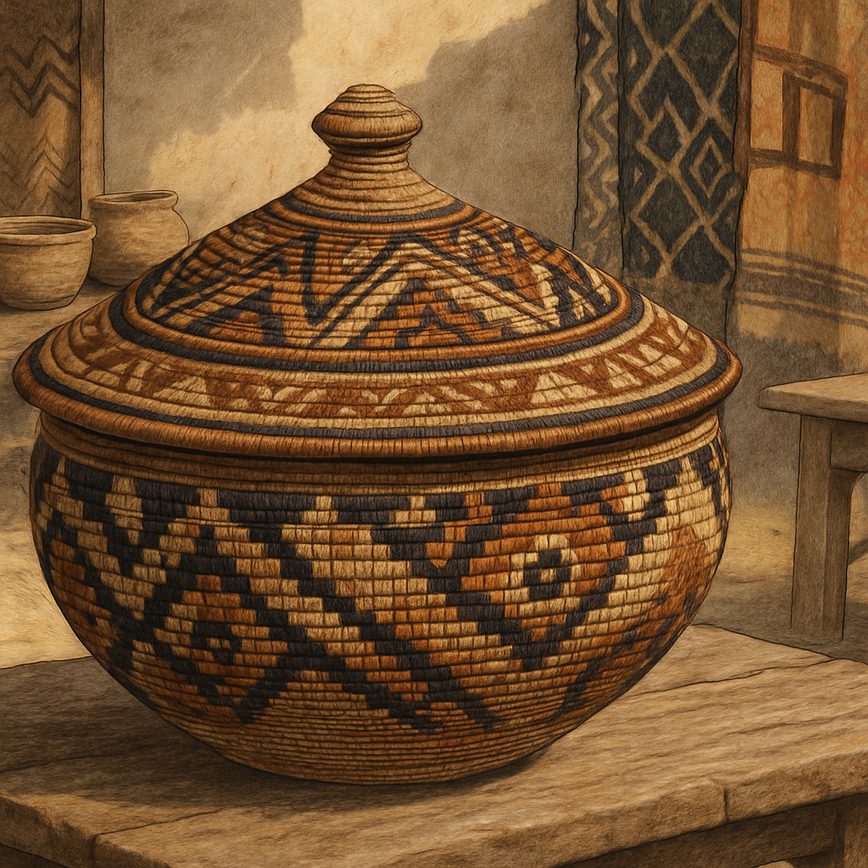
African basketry history is deeply rooted in the continent’s rich tradition of craftsmanship and cultural expression. Originating thousands of years ago, basket weaving has been an essential traditional craft passed down through generations. Its development is closely linked to the daily lives and spiritual practices of various African communities, who utilized natural materials such as grasses, reeds, palm leaves, and fibers endemic to their regions.
The historical development of African basketry is marked by the diversity of techniques and patterns unique to different ethnic groups, each reflecting their environment, values, and social functions. In many cultures, baskets were not merely utilitarian objects but held significant cultural heritage and symbolic meanings. For instance, in some communities, baskets were crafted for ceremonial purposes, storing sacred items, or as dowry gifts, highlighting their role beyond mere functionality.
Throughout Africa’s history, basketry has been a vital part of women’s work, providing both economic support and an artistic outlet. Communities have long relied on the knowledge of basket weaving to create durable containers for harvesting, carrying goods, food storage, and even water collection. This traditional craft also fostered social bonding and the transmission of heritage, as elder artisans taught younger generations the skills, stories, and symbolism embedded in basket designs.
Moreover, African basketry history illustrates how these crafts adapted and thrived through the influences of trade and interaction between different regions and cultures. We see this through the incorporation of new materials, styles, and patterns that contributed to the evolution of basketry as a dynamic art form. Today, these artifacts serve as a cultural bridge, preserving the identity and artistic heritage of African communities while gaining recognition and value globally.
In conclusion, African basketry is not only a testament to skilled craftsmanship but also a vital element of cultural heritage. Its historical significance is reflected in its role in traditional crafts, community life, and the preservation of cultural narratives across generations.
Origins and evolution
African basketry origins trace back thousands of years, reflecting deep-rooted traditions that have been passed down through generations. Early communities began weaving baskets as essential tools for daily life, using natural materials found abundantly in their surroundings such as grasses, reeds, and palm leaves. These early baskets were primarily functional, used for gathering food, storing grains, and carrying water, representing a vital aspect of survival and culture. Over centuries, the evolution of crafts in Africa saw basketry transform from purely practical objects to intricate art forms imbued with cultural symbolism. Different regions developed distinct weaving techniques and styles, influenced by local resources and social customs, thereby highlighting the diversity of African traditions.
As African societies evolved, so did their basketry, incorporating more complex patterns, shapes, and colors. The designs often communicated stories, social status, or spiritual beliefs, elevating the craft beyond mere utility. Today, the evolution of crafts continues as contemporary artisans blend traditional methods with modern aesthetics, preserving heritage while innovating. This ongoing cycle underscores the enduring value of basketry in African culture, as it remains a vibrant expression of identity, creativity, and resilience.
Understanding the basketry origins and its gradual transformation reveals how African basketry is not only a craft but a living legacy, cherished for both its historical significance and its artistic excellence in present-day practices.
Role in cultural identity
African basketry holds a profound significance in cultural identity, serving as more than just a traditional craft. It is a vital expression of African customs and values, deeply embedded in the daily lives and ceremonial practices of many communities across the continent. Each basket tells a story, representing the skilled craftsmanship passed down through generations, reinforcing the importance of preserving these artisanal traditions.
The intricate designs and patterns woven into the baskets are symbolic, often reflecting the spiritual beliefs, social status, and historical narratives of the maker’s community. This traditional craft importance extends beyond functionality, as baskets are used in rituals, weddings, and harvest festivals, highlighting their role in both sacred and communal activities. They are a tangible link to heritage, connecting individuals to their ancestors and cultural roots.
Furthermore, basketry is interwoven with everyday life, used for practical purposes such as storage, food gathering, and market trade, thereby reinforcing its place within the socio-economic fabric. The cultural identity expressed through basketry fosters pride and continuity within African societies, ensuring that these customs remain vibrant and respected in a modern world. In essence, African basketry is a living legacy that embodies the spirit of the people and their enduring connection to tradition.
Techniques and materials used in African basketry
African basketry is renowned for its intricate basketry techniques and the use of natural materials that vary significantly across regions. Artisans skillfully employ traditional weaving methods that have been passed down through generations, creating beautiful and functional baskets that reflect the rich cultural heritage of their communities.
One of the most common techniques used in African basketry is coiling, where a core material is wrapped with another fiber to form a spiral that grows outward. This method is prevalent in North and West Africa, where artisans often incorporate palm leaves, grasses, and raffia fibers. The coiling technique allows for durable and flexible baskets, perfect for carrying and storing goods.
In Eastern African regions, especially in countries like Kenya and Tanzania, plaiting and twining techniques are widely practiced. Plaiting involves weaving strips of palm or sisal leaves at right angles to create a sturdy surface, while twining uses two or more flexible fibers that twist around vertical spokes. These weaving methods produce tightly woven baskets with distinctive geometric patterns and vibrant colors, often achieved by weaving in dyed fibers.
Materials used in African basketry are chiefly natural and locally sourced, contributing to the baskets’ sustainability and eco-friendliness. Common fibers include palm fronds, grasses such as elephant grass or sweetgrass, raffia from palm trees, and even strips of bark from certain trees. In some areas, like parts of Southern Africa, artisans incorporate fine reeds and wire for added strength and decorative detail.
Regional differences in basketry techniques and materials are shaped by the environment and cultural traditions. For instance, in the Sahel region, baskets tend to be made with coarse grasses and feature bold, contrasting patterns. Meanwhile, in the tropical rainforests of Central Africa, artisans prefer soft, pliable fibers that can be woven into intricate designs, often with natural dyes derived from plants.
Overall, the diverse basketry techniques and natural materials used by African artisans illustrate a deep connection to the land and a mastery of craftsmanship. These factors not only enhance the aesthetic appeal of the baskets but also underscore their practical value and cultural significance across the continent.
Common weaving techniques
African basketry is celebrated for its unique weaving techniques, which play a crucial role in defining both the aesthetic and durability of the baskets. One of the most common weaving styles is the coiling method, where fibers are spiraled and stitched together, creating strong, sturdy baskets that hold their shape well over time. This technique allows for intricate basket patterns, often depicting cultural stories and symbols, enhancing the visual appeal of each piece.
Another widely used method is plaiting, which involves weaving flat strips of material over and under each other in a systematic sequence. This craft method produces a flexible yet durable structure, suitable for storage baskets and carrying containers. The patterns formed in plaited baskets are often geometric, contributing to the basket’s distinctive look while ensuring its functionality.
Twining is also prevalent in African basket weaving; this technique uses two or more flexible weaving elements twisted around vertical warp strands. Twined baskets are known for their resilience and ability to withstand wear and tear, making them practical for everyday use. Moreover, the twining method offers artists the freedom to incorporate diverse designs and textures, adding to the basket’s aesthetic value.
Each of these weaving techniques has been perfected over generations, merging utility with artistry. The choice of weave influences not only the basket’s strength but also the complexity and beauty of basket patterns, reflecting the cultural heritage and skilled craftsmanship embedded in African basketry.
Materials and sourcing
African basketry is deeply rooted in the use of natural fibres, which are carefully sourced from the surrounding environment. These fibres include a variety of plant materials such as grasses, reeds, palm leaves, sisal, raffia, and bamboo. Each of these materials offers unique textures and strengths, allowing artisans to create functional yet highly artistic baskets that are both durable and beautiful.
The sustainable use of these natural fibres is integral to the tradition of African basketry. Artisans rely heavily on local resources, harvesting fibres in ways that promote regeneration and avoid overexploitation. For example, leaves and grasses are often collected during specific seasons, ensuring that plants have adequate time to grow back. This sustainable approach helps maintain the ecological balance while preserving the cultural heritage of basket weaving.
In addition to being eco-friendly, the use of local materials reinforces community ties and supports traditional knowledge transfer. Many weavers pass down techniques and sourcing practices through generations, emphasizing respect for nature and the land. By prioritizing natural fibres and sustainable materials, African basketry not only creates exquisite handcrafted pieces but also champions environmental stewardship and cultural resilience.
Economic and artistic value of African basketry
African basketry holds significant economic value, serving as a vital source of income for many communities across the continent. The traditional skills involved in crafting these baskets create employment opportunities, particularly for women, helping to sustain local economies. Artisans often sell their baskets in local markets, regional trade centers, and increasingly, in international markets, contributing to community development and poverty alleviation.
The economic impact of basketry extends beyond individual income; it fosters community entrepreneurship and strengthens social cohesion. Many cooperatives and artisan groups have emerged, pooling resources and marketing their baskets collectively. This collective approach enhances bargaining power in the basket market, enabling fairer prices and broader market reach. Through these networks, basketry also supports the preservation of indigenous knowledge and traditional craftsmanship.
Beyond its economic importance, African basketry is widely recognized as a form of artistic craftsmanship with unique aesthetic and cultural value. Skilled artisans incorporate intricate weaving techniques, vibrant colors, and symbolic patterns that reflect their cultural heritage. This recognition has elevated African baskets from simple utilitarian objects to prized works of art featured in galleries and museums worldwide.
The international appreciation for African basketry has spurred increased demand in the global basket market, further boosting economic prospects for artisans. Collectors and art enthusiasts value these baskets not only for their functional beauty but also for their story and cultural significance. This demand incentivizes artisans to innovate while maintaining traditional methods, ensuring the continuity of their craft.
In sum, African basketry exemplifies a profound blend of economic value and artistic craftsmanship. It supports sustainable livelihoods, empowers communities, and garners worldwide recognition as a celebrated art form. The basket market’s growth highlights the dynamic relationship between cultural heritage and economic development, underscoring why African basketry remains highly valued globally.
Contribution to local economies
African basketry plays a vital role in supporting community income by providing sustainable livelihoods to artisans across the continent. These handcrafted baskets are more than just functional items; they are a source of economic empowerment for many families. Through the sale of baskets in local craft markets, artisans generate revenue that directly supports their households, helping to meet basic needs and improve living standards.
The craft also fosters social cohesion and empowerment within communities. Basket weaving is often a communal activity that can strengthen cultural identity and pass down skills through generations. Many artisans, particularly women, gain financial independence and a stronger voice in their communities through their involvement in basketry. This empowerment has ripple effects, promoting education and health improvements within their families and local areas.
Moreover, African basketry fits seamlessly into both local and global markets. Craft markets serve as vital hubs where artisans connect with customers who value handmade, culturally rich products. Internationally, the appreciation for authentic African crafts has grown, opening up export opportunities that expand the reach of these baskets. Hence, the craft not only sustains artisan livelihoods but also contributes to broader economic growth by linking rural producers to global consumers eager for unique and meaningful goods.
Recognition as fine art
African basketry has increasingly gained recognition for its artistic value, transcending its traditional utilitarian function to become a celebrated form of collectible art. Today, these baskets are prominently featured in gallery exhibitions and museum collections worldwide, symbolizing a profound cultural appreciation for their intricate craftsmanship and aesthetic appeal. Collectors and art enthusiasts alike are drawn to the unique designs, natural materials, and the stories woven into each piece, elevating African basketry to the status of fine art.
This growing recognition is a testament to the skill and creativity of African artisans, whose work reflects rich cultural narratives and time-honored techniques passed down through generations. Museums and galleries have played a crucial role in showcasing these baskets, highlighting their significance not only as functional objects but as artistic masterpieces worthy of preservation and admiration. The spotlight on African basketry has also fostered greater cultural appreciation, encouraging deeper understanding and respect for the diverse traditions behind each woven creation.
As African baskets continue to captivate audiences globally, their value as collectible art pieces solidifies, ensuring that this vibrant art form is celebrated and sustained within the broader art world. This shift towards recognizing basketry as fine art enriches the cultural dialogue and affirms the importance of preserving and honoring indigenous craftsmanship on an international scale.

I’m fascinated by the vibrant intersection of contemporary fashion and traditional African craftsmanship. I spend my free time exploring markets, learning about textile techniques, and sharing the stories behind each piece with our readers.