
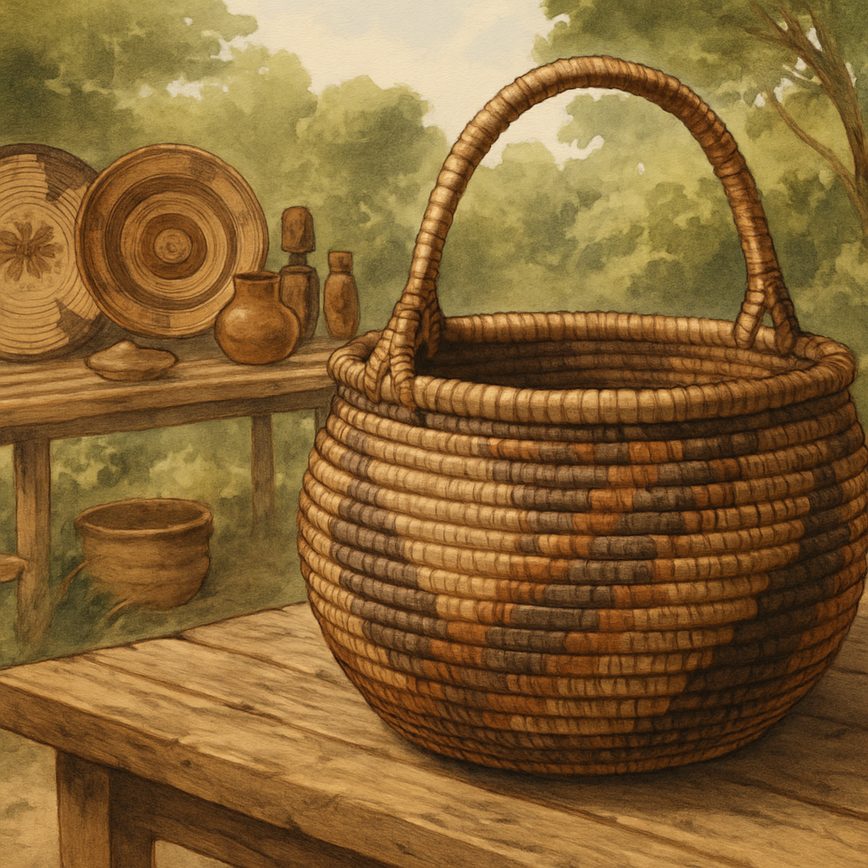
Understanding Authentic African Crafts
Authentic African crafts represent a rich tapestry of cultural craftsmanship that spans centuries and encompasses diverse traditions across the African continent. These traditional African art forms carry profound significance, not only as aesthetic objects but as vital expressions of African heritage and identity. Their history is deeply rooted in the daily lives, spiritual beliefs, and social customs of communities, making each piece a tangible connection to the past and a celebration of cultural continuity.
The origins of many authentic African crafts date back to ancient times, with techniques and styles passed down orally and through hands-on apprenticeship. Unlike mass-produced items, these crafts are distinguished by their unique handmade qualities and the cultural stories embedded within each creation. Whether in pottery, weaving, beadwork, or wood carving, the personal touch of skilled artisans reflects traditional methods that have been refined over generations. This intrinsic link to history is what makes authentic African crafts not only valuable but irreplaceable cultural artifacts.
A key factor that sets authentic African crafts apart is their embodiment of specific symbolism and meanings that vary from region to region. Patterns, materials, and motifs often convey messages about ancestry, social status, and spirituality, offering insight into the worldview of different African societies. This cultural craftsmanship promotes a deeper appreciation of African heritage, emphasizing respect for nature, community, and tradition. Moreover, many crafts are integral to ceremonies and rites of passage, serving both functional and sacred purposes within these contexts.
In today’s world, authentic African crafts hold significant cultural importance beyond their aesthetic appeal. They serve as ambassadors of African culture globally, fostering understanding and appreciation across different audiences. Furthermore, preserving these traditional crafts supports local economies and helps sustain the skills and knowledge of artisans. Collectors and enthusiasts alike are drawn to the authenticity and cultural depth these crafts represent, making them treasured heirlooms and meaningful works of art within the wider narrative of African heritage.
Materials and Techniques Used
Authentic African crafts are distinguished by their unique use of diverse craft materials and time-honored African crafting techniques. Common materials include wood, beads, and textiles, each playing a crucial role in the creation of handmade crafts that reflect cultural heritage.
Wood is a primary material in many African crafts, valued for its versatility and durability. Skilled artisans carve intricate designs and figures from different types of wood, using traditional methods passed down through generations. These techniques often involve hand tools and careful attention to detail, resulting in authentic pieces that embody the spirit of African art.
Beads also hold significant importance in African crafting. They are used to create stunning jewelry, embellishments, and decorative patterns. Handmade crafts featuring beads showcase meticulous craftsmanship, as artisans string and weave them into intricate designs. These traditional methods highlight both creativity and cultural symbolism.
Textiles such as kente, mud cloth, and indigo-dyed fabrics are vital to African crafts. The use of traditional methods like weaving, dyeing, and embroidery ensures the preservation of authentic patterns and symbolism. These textiles not only serve practical purposes but also express identity and storytelling through their vibrant colors and motifs.
Overall, the combination of craft materials and traditional methods in African crafting techniques results in handmade crafts that are rich in heritage, meaning, and artistry.
Cultural Symbols and Meanings
African symbols are a vital element in recognizing authentic crafts. These recurring symbols and patterns often carry deep cultural meanings, reflecting the values, beliefs, and history of various African communities. Understanding craft symbolism can help distinguish genuine pieces from imitations.
For example, the Adinkra symbols from Ghana are widely used in fabrics, pottery, and wood carvings. Each symbol has a distinct meaning related to proverbs, historical events, or moral qualities. The “Gye Nyame” symbol, representing the supremacy of God, is a common motif signifying faith and spirituality.
Similarly, the Ndebele tribe is known for its vibrant geometric patterns, which represent the cultural identity and social status of the wearer or creator. These patterns are not merely decorative but hold cultural significance that speaks to the tribe’s history and traditions.
Recognizing these symbols and their meanings is crucial for appreciating the craft significance beyond its aesthetic appeal. Authentic African crafts are often imbued with these cultural stories, making them valuable cultural artifacts. When purchasing or evaluating African crafts, paying attention to these symbols can greatly aid in verifying authenticity and respecting the craft’s cultural origins.
How to Verify Authenticity of African Crafts
Verifying African crafts involves several essential steps that ensure you are purchasing genuine African art. Authenticity checks revolve around understanding the craft evaluation through design, materials, provenance, and the artisan’s signature techniques. Follow these steps to confidently verify African crafts and appreciate their cultural heritage.
- Research the Origin and Provenance: Begin by tracing the history of the craft piece. Authentic African crafts often come with a documented provenance or story about their origin. Verify the region or tribe associated with the work since certain styles and materials are unique to specific groups.
- Examine Craftsmanship Details: Assess the quality of the craftsmanship by looking at intricate design patterns, symmetry, and finishing touches. Genuine African art is handcrafted, so expect minor imperfections that add character instead of mass-produced uniformity.
- Check the Materials Used: Identify the materials to ensure they match traditional African crafting methods. Many authentic crafts use natural resources such as wood, beads, leather, or metal, and modern synthetic substitutes might suggest a reproduction.
- Evaluate the Artisan’s Signature Techniques: Each African artisan or community has specialized techniques such as carving styles, weaving patterns, or painting methods. Being familiar with these helps in craft evaluation by spotting authentic techniques versus copied ones.
- Confirm Certifications or Seller Reputation: When available, certifications from recognized cultural organizations or direct links to the artisans can strengthen authenticity claims. Buying from reputable sellers or galleries that prioritize genuine African crafts ensures the art’s authenticity and supports indigenous communities.
By applying these steps, you can effectively verify African crafts, ensuring your purchase represents genuine African art. Authenticity checks not only protect your investment but honor the rich traditions and skilled craftsmanship behind each unique piece.
Checking Craftsmanship Quality
When assessing craftsmanship quality in authentic African crafts, several key indicators help distinguish genuine pieces from imitations. A hallmark of authentic African workmanship is the presence of subtle hand-carving marks. Unlike machine-made items, these marks reveal the artisan’s hand and showcase the skill involved in the creation process. These imperfect yet deliberate details reflect the unique character embedded in each item.
Moreover, the quality of dye used in African crafts is another crucial quality indicator. Authentic crafts often feature natural dyes derived from local plants and minerals, resulting in rich, deep colors that age beautifully over time. Synthetic dyes, by contrast, tend to fade quickly and lack the vibrant, earthy tones that are characteristic of traditional African artistry.
Symmetry, or the intentional lack thereof, also speaks volumes about craftsmanship quality. While some African crafts display precise symmetry, many handcrafted items embrace slight asymmetry, which underscores the handmade detail and avoids the uniformity associated with mass production. This balance between form and irregularity is a testament to the authentic African workmanship that values both aesthetics and tradition.
In summary, by closely examining hand-carving marks, dye quality, and the nature of symmetry within a piece, you can confidently identify quality indicators that affirm the genuine African origin of the craft. These elements collectively highlight the dedication and cultural heritage embedded in each handcrafted work.
Understanding Provenance and Seller Credibility
When purchasing African crafts, verifying craft provenance is essential to ensure authenticity. Provenance documentation provides a historical record of the craft’s origin, helping to confirm its cultural and artistic value. Without this documentation, it is difficult to trust the legitimacy of the piece.
Equally important is buying from trusted African art sellers. Reputable sellers typically have established credibility in the market and can provide information about the craft’s background. These sellers are committed to ethical practices and often support local artisans directly, making them reliable sources.
Asking detailed questions about the craft’s origins and production process is a practical way to assess seller credibility. Questions about materials, artist or community involvement, and traditional techniques can help verify the authenticity of the craft. Sellers who are transparent and willing to share information demonstrate their commitment to genuine African art.
In summary, confirming a craft’s provenance through documentation, choosing reputable sellers, and actively engaging in conversations about the item’s origins are key steps. These practices not only protect buyers but also sustain the cultural heritage embedded in authentic African crafts through verified origins verification.
Common Pitfalls and How to Avoid Fake African Crafts
When purchasing African crafts, one of the most frequent challenges buyers face is distinguishing authentic pieces from fake African crafts. A common pitfall is relying solely on appearance or price. Many counterfeit items are designed to look genuine but often lack the cultural significance, craftsmanship, and quality materials that authentic African crafts possess. Low prices can also be a red flag; if a deal seems too good to be true, it often is.
Another mistake buyers make is purchasing from unreliable or unverified sources. Craftsmanship varies widely across sellers, and buying from street vendors or unestablished online sellers increases the risk of acquiring fakes. Additionally, customers sometimes overlook the importance of understanding the cultural origins of the crafts. Without this knowledge, it’s easy to misidentify replicas as originals.
Warning signs of fake African crafts include inconsistent patterns, poor finishing, and materials that feel artificial or cheap. Authentic crafts typically have small imperfections that reflect their handmade nature, whereas counterfeit items often appear overly uniform or machine-made. Labels or certificates of authenticity that are missing or easily forged are other telltale signs.
To avoid counterfeits, there are several practical craft authenticity tips buyers should follow. First, research the craft’s origin, including its traditional materials and methods. Familiarizing yourself with the typical look and feel helps in spotting inconsistencies. Secondly, buy directly from reputable artisans or established galleries that specialize in African crafts to ensure authenticity. When shopping online, check for detailed product descriptions, reviews, and seller credentials.
Another effective approach is asking questions about the craft’s sourcing and production. Genuine sellers are usually transparent and willing to share information about their products. Finally, trust your instincts—if something seems off, it’s worth pausing and doing more research. Remember, avoiding counterfeit items not only protects your investment but also supports the livelihoods of authentic craftspeople and preserves cultural heritage.
Spotting Mass-Produced Imitations
When trying to identify authentic African crafts, it is crucial to differentiate them from mass-produced crafts that flood the market. Mass-produced items often lack the unique charm and intricate details found in handmade pieces. One major indicator of imitation is uniformity; fake African art tends to have repetitive patterns and identical designs due to machine production, whereas genuine crafts show slight variations caused by the artisan’s hand. The materials used also differ — authentic pieces frequently incorporate natural, locally sourced materials, while mass-produced crafts might use cheaper, synthetic substitutes.
Another key to imitation detection is the finish quality. Mass-produced crafts often have smooth, plasticky surfaces with paint that can chip easily, contrasting with the textured, aged look of handmade items. Additionally, authentic African crafts exhibit imperfections that enhance their value, reflecting the time and effort spent on each piece. Fake versions usually appear overly perfect or too polished, which can be misleading. Buyers should also be wary of suspiciously low prices, as genuine crafts are priced to honor the craftsmanship involved.
To further aid in distinguishing craft differences, it’s helpful to research the artisan or the source. Authentic sellers are transparent about their origins and production methods. Understanding these characteristics can empower buyers to spot fake African art and support true craftsmanship that celebrates Africa’s rich cultural heritage.
Questions to Ask Before Buying
When seeking authentic African crafts, a buyer checklist is crucial for authenticity verification. Asking the right buyer questions can help you discern genuine pieces from imitations and ensure you know the craft’s true origin.
- Can you tell me about the origin of this craft? Authentic sellers should provide detailed background information on where and how the item was made, helping you confirm its craft origin.
- Who is the artisan or community behind this work? Learning about the creator or collective provides insight into the item’s authenticity and cultural significance.
- What materials are used in making this craft? Genuine African crafts often use traditional materials specific to their region, which is a key indicator of authenticity.
- Is there a story or cultural meaning behind this piece? Authentic crafts usually have cultural narratives or symbolism that sellers should confidently share.
- How was this item produced? Handmade items have unique characteristics distinct from mass-produced copies; ask about the crafting process to verify authenticity.
- Do you have any certification or proof of authenticity? Some crafts come with documentation or provenance that can confirm their legitimacy.
- Can I see other works by the same artisan or from the same community? Comparing multiple items helps verify consistent authenticity and style.
- What guarantees or return policies do you offer if the craft is not authentic? A trustworthy seller will support their offerings with clear policies.
Using this buyer checklist and asking these key questions will empower you to verify authenticity successfully and prevent fraud when purchasing African crafts.

I’m fascinated by the vibrant intersection of contemporary fashion and traditional African craftsmanship. I spend my free time exploring markets, learning about textile techniques, and sharing the stories behind each piece with our readers.