
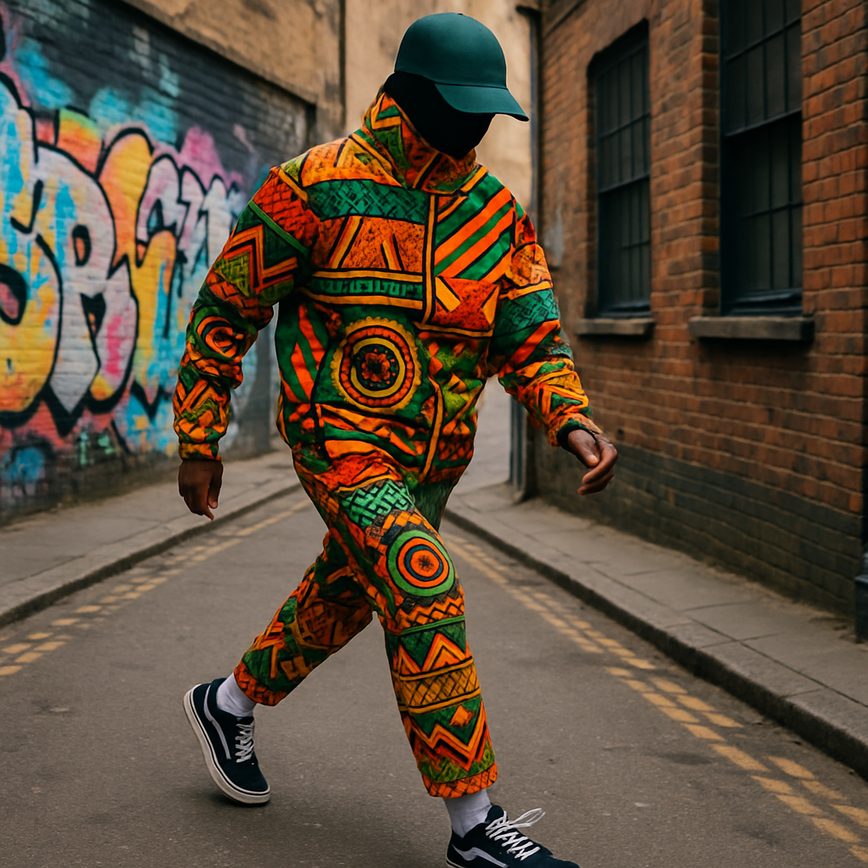
Introduction to Afro-ethnic Trends in UK Street Fashion
Afro-ethnic fashion is increasingly becoming a defining feature of UK street style, reflecting a vibrant intersection of cultural influence and contemporary trends. This dynamic fusion brings together traditional African aesthetics and motifs with the modern, urban edge of the UK’s streetwear scene. As multiculturalism continues to shape the social fabric of the UK, Afro-ethnic fashion stands out not only as a symbol of identity but also as a powerful force driving innovation within the fashion industry.
UK street fashion has long been recognized for its eclectic nature, drawing inspiration from diverse communities and global cultures. The Afro-ethnic trend adds a rich layer of heritage and storytelling, infusing garments with distinctive patterns, bold colors, and artisanal craftsmanship. This growing significance is evident in the increasing presence of Afro-ethnic elements in mainstream fashion outlets, runway shows, and everyday streetwear, signaling a shift towards celebrating cultural diversity through personal style.
The influence of Afro-ethnic fashion is not just aesthetic but also represents a cultural dialogue that honors African roots while adapting to the urban lifestyle of the UK’s youth. From Afrobeat music festivals to community gatherings and social media platforms, these trends gain momentum by resonating with individuals who seek to express pride in their heritage alongside a passion for cutting-edge fashion trends. This cross-cultural exchange fosters a unique UK street style identity that is both inclusive and forward-looking.
Moreover, the rise of Afro-ethnic fashion in UK street style challenges conventional fashion narratives by spotlighting designers, models, and influencers from African and Afro-Caribbean backgrounds. Their contributions enrich the fashion industry, encouraging a more nuanced and authentic representation of cultural influences. As a result, Afro-ethnic fashion is not only a trend but a movement that champions diversity, creativity, and empowerment within the UK’s fashion landscape.
In summary, Afro-ethnic fashion plays a crucial role in shaping UK street style today. Its cultural influence continues to inspire new fashion trends, making it an essential and growing element of Britain’s urban fashion scene. This blend of heritage and modernity offers a vibrant and expressive way for individuals to connect with their roots while embracing the ever-evolving spirit of UK street fashion.
Historical Context and Cultural Roots
Afro-ethnic history plays a vital role in shaping the unique landscape of UK cultural fashion, especially within the streetwear scene. The origins of streetwear in the UK are deeply intertwined with the experiences of African and Caribbean diasporas who brought rich traditions, styles, and symbols from their homelands. These communities, settling primarily in urban areas, used fashion as a powerful form of self-expression and cultural identity. Over decades, this influence evolved, blending traditional motifs and contemporary trends to create a vibrant Afro-ethnic streetwear culture.
The Afro-ethnic street fashion movement in the UK is not just about clothing; it reflects a history of resilience, creativity, and cultural pride. Elements such as bold prints, vibrant colors, and handcrafted accessories have roots in African heritage but are reinterpreted through the lens of UK street culture. This fusion celebrates diversity and challenges mainstream fashion norms, making Afro-ethnic streetwear a symbol of both community and individuality.
Understanding these cultural roots is essential to appreciating the full impact of Afro-ethnic history on UK streetwear origins. It highlights how fashion can serve as a bridge between continents and generations, reinforcing a shared narrative of cultural celebration and innovation in urban environments.
Key Characteristics of Afro-ethnic Street Style
- Bold Afro Prints: Vibrant, eye-catching patterns inspired by traditional African textiles such as Ankara, Kente, and Dashiki fabrics are a staple. These prints add cultural depth and uniqueness to streetwear elements, making them instantly recognizable.
- Mix of Traditional and Modern Styles: Afro-ethnic street fashion in the UK often features a blend of heritage designs with contemporary cuts and silhouettes, bridging the gap between past and present fashion styles UK audiences resonate with.
- Layering and Textures: Multiple layers combining diverse textures — from cotton to leather and denim — create visually engaging outfits that stand out on the streets, emphasizing individuality and cultural pride.
- Accessories with Cultural Significance: Statement accessories such as beaded jewelry, headwraps, and hats showcase African craftsmanship while enhancing the streetwear elements with personality and flair.
- Vibrant Color Palettes: Bright oranges, yellows, reds, and greens dominate, reflecting the vibrant energy of Afro-ethnic heritage and injecting life into everyday street fashion.
- Streetwear Staples with a Twist: Classic pieces like oversized hoodies, graphic tees, and sneakers are reimagined with Afro prints or embroidery, blending authentic cultural expression with popular urban trends.
- Gender Fluidity: Many Afro-ethnic fashion styles UK streetwear embraces gender-neutral designs, promoting inclusivity and breaking conventional fashion boundaries.
Influential Afro-ethnic Designers and Brands in UK Street Fashion
The UK street fashion scene has been significantly enriched and diversified by Afro-ethnic designers and UK fashion brands that bring unique cultural perspectives to contemporary style. These influential streetwear innovators are not only defining trends but also weaving rich Afro-ethnic heritage into the fabric of urban fashion, creating a distinctive identity that resonates globally.
Among the most notable Afro-ethnic designers shaping UK street fashion today is Grace Wales Bonner, whose work masterfully blends Afro-Atlantic cultural references with modern tailoring. Her approach encourages a dialogue between diverse cultural identities, making her a pivotal figure in influential streetwear fashion. Her designs are renowned for combining European craftsmanship with Afrocentric narratives, cementing her brand as a beacon of cultural designers who inspire many emerging talents.
Another prominent name is Christopher Cuttles, founder of the brand Otene Black, which celebrates Black heritage through bold graphic prints and innovative streetwear pieces. His work emphasizes storytelling through fabrics and motifs drawn from Afro-ethnic traditions, making Otene Black a standout UK fashion brand recognized for its originality and cultural significance.
Newer brands like Hanifa, although initially based out of the UK diaspora, have gained traction for their vibrant, Afro-inspired aesthetics that fuse modern streetwear with traditional African design elements. Their strong presence in the fashion community underscores the growing influence of cultural designers who are elevating Afro-ethnic fashion on international platforms.
These Afro-ethnic designers and brands are not only creating clothes but are also crafting narratives that challenge mainstream fashion norms, championing inclusivity and authenticity. Their influence extends beyond aesthetics to empowering cultural identity, making them pivotal in setting trends within UK street fashion and beyond.
Emerging Designers and Their Impact
The influence of emerging designers within the Afro-ethnic sphere is profoundly reshaping UK fashion, particularly in streetwear. These designers bring fresh perspectives, blending traditional African aesthetics with contemporary street styles, creating a unique fusion that resonates with diverse urban communities.
Emerging designers such as Stella Jean, Kiki Clothing, and Labante London illustrate this Afro-ethnic impact by incorporating vibrant fabrics, bold patterns, and cultural storytelling into their collections. Their work not only celebrates heritage but actively contributes to diversifying the fashion landscape in the UK. This Afro-ethnic impact challenges conventional norms and introduces inclusive narratives that elevate street fashion beyond mere trends.
Their influence also extends to how street fashion culture embraces identity and self-expression. By championing individuality through designs that honor Afro-ethnic roots, these designers inspire the next generation of creatives and consumers to value cultural authenticity. The result is a dynamic fashion scene where emerging designers act as catalysts, encouraging innovation and a deeper appreciation of Afro-ethnic contributions to UK fashion.
Popular Afro-ethnic Inspired UK Streetwear Brands
The UK streetwear scene has seen a vibrant infusion of Afro-ethnic fashion influences, with many brands pioneering unique blends of cultural heritage and contemporary style. These streetwear brands reflect Afro-ethnic aesthetics through bold prints, traditional patterns, and modern urban silhouettes, making them standout names in UK labels.
- Tongoro: Though originally founded with West African roots, Tongoro’s expanding presence in the UK market has made it a beloved label for Afro-ethnic streetwear enthusiasts. The brand merges West African textiles with street-ready designs, promoting both culture and sustainability.
- Grass-Fields: Known for its vibrant African prints paired with casual streetwear staples like hoodies and joggers, Grass-Fields has captured the hearts of fashion-conscious consumers who want to wear Afro-ethnic heritage proudly on the streets.
- Femi Stories: UK-based and Afrocentric, this brand creates streetwear that celebrates African identity through intricate fabric choices and expressive branding. It’s a label that speaks to young people seeking to showcase their Afro-ethnic roots unapologetically.
- Okun: Founded by a Nigerian-British designer, Okun blends Afro-ethnic patterns with contemporary streetwear cuts. This brand is gaining momentum for its creative storytelling through fashion and its seamless integration in UK streetwear culture.
- Adire London: Specializing in Afro-ethnic-inspired streetwear, Adire London is praised for its use of traditional West African resist dye techniques alongside modern, edgy streetwear silhouettes, keeping UK labels innovative and culturally rich.
These labels are not only brands but cultural movements, expanding the reach of Afro-ethnic fashion within the diverse streets of the UK, making the streetwear scene richer and more inclusive.
Future of Afro-ethnic Trends in UK Street Fashion
The future of Afro-ethnic trends in UK street fashion is poised for a dynamic evolution, deeply rooted in the fusion of cultural heritage and contemporary style innovation. As the fashion future unfolds, Afro-ethnic influence continues to expand beyond traditional boundaries, becoming an integral part of UK streetwear future. This progression is driven by a new generation of designers and wearers who embrace and reinterpret Afro-ethnic aesthetics through a modern lens, blending rich cultural narratives with urban street style.
Emerging trends highlight a move towards sustainability and authenticity, where Afro-ethnic craftsmanship is celebrated and ethically sourced materials become a hallmark of street fashion pieces. The appreciation for artisanal skills such as traditional textile weaving, beadwork, and bold prints is inspiring fresh design collaborations, merging age-old African motifs with futuristic silhouettes. These creations not only pay homage to cultural roots but also address contemporary fashion demands, positioning Afro-ethnic influence at the heart of trend predictions for UK streetwear.
Digital platforms and social media are amplifying the reach of Afro-ethnic fashion, facilitating cross-cultural exchanges that foster greater innovation. Influencers and streetwear communities across the UK are adopting Afro-ethnic styles, making them mainstream and accessible to diverse audiences. This inclusivity drives a cycle of inspiration that continuously refreshes the fashion future, ensuring that Afro-ethnic elements remain prominent and evolve creatively alongside global streetwear movements.
Moreover, the future of UK street fashion will see Afro-ethnic influences blending seamlessly with techwear, athleisure, and gender-fluid designs, reflecting broader societal shifts. Designers are experimenting with multifunctional garments that incorporate traditional African patterns while embracing modern utility and comfort. This innovative approach caters to an increasingly cosmopolitan demographic eager for styles that celebrate identity and individual expression within the urban landscape.
In conclusion, the trend predictions suggest that Afro-ethnic influence will not only persist but thrive in the UK streetwear future. The intersection of heritage, sustainability, and innovation promises a vibrant fashion future where Afro-ethnic trends inspire new modes of creativity and cultural pride, making them an indispensable force in shaping the evolving tapestry of UK street fashion.
Integration with Mainstream Fashion
Afro-ethnic trends have increasingly become an influential force within mainstream fashion in the UK, demonstrating a dynamic process of fashion blending that bridges cultural heritage and contemporary style. This integration with mainstream fashion involves the vibrant aesthetics of Afro-ethnic design—such as bold prints, textured fabrics, and symbolic motifs—being embraced and incorporated into both streetwear and high fashion realms. Designers and brands are no longer viewing Afro-ethnic elements as niche or isolated but are instead recognizing their valuable contribution to the broader fashion narrative.
In UK street fashion, the Afro-ethnic integration is evident in how traditional patterns and styles are reimagined alongside urban staples like sneakers, hoodies, and denim, creating eclectic looks that express identities transcending cultural boundaries. Meanwhile, on high fashion runways, avant-garde designers are collaborating with artists and creators inspired by Afro-ethnic influences, resulting in collections that celebrate this fusion. This trend toward fashion blending not only enriches the aesthetic diversity of the UK fashion scene but also fosters greater cultural appreciation and representation.
Moreover, the dialogue between Afro-ethnic styles and mainstream fashion challenges conventional notions of exclusivity by making Afro-centric fashion accessible and relevant to a wider audience. Retailers, influencers, and consumers alike are championing this cross-pollination, driving a movement where Afro-ethnic integration is reshaping how fashion is conceived and celebrated across the UK, thus contributing to an inclusive and innovative street fashion culture.
Sustainability and Ethical Aspects in Afro-ethnic Street Fashion
Sustainability and ethics have become essential pillars in the evolution of Afro-ethnic street fashion within the UK. Many Afro-ethnic brands are pioneering sustainable fashion practices, embracing eco-friendly materials and production methods that reduce environmental impact while preserving cultural authenticity. These brands prioritize ethical streetwear by ensuring fair labor practices and supporting local artisans, which strengthens community ties and promotes social responsibility.
Afro-ethnic brands in the UK are increasingly recognized for their commitment to ethical manufacturing processes, often sourcing textiles that highlight traditional African craftsmanship combined with modern sustainable innovations. This fusion not only elevates streetwear aesthetics but also champions a conscious consumerism movement, where buyers actively seek out pieces that align with both style and values.
The influence of sustainable fashion within Afro-ethnic streetwear extends beyond environmental concerns to include cultural preservation and empowerment. By supporting brands that emphasize sustainability and ethical standards, consumers contribute to a more equitable fashion ecosystem that respects heritage and promotes long-term change in the UK street fashion landscape.

I’m fascinated by the vibrant intersection of contemporary fashion and traditional African craftsmanship. I spend my free time exploring markets, learning about textile techniques, and sharing the stories behind each piece with our readers.