
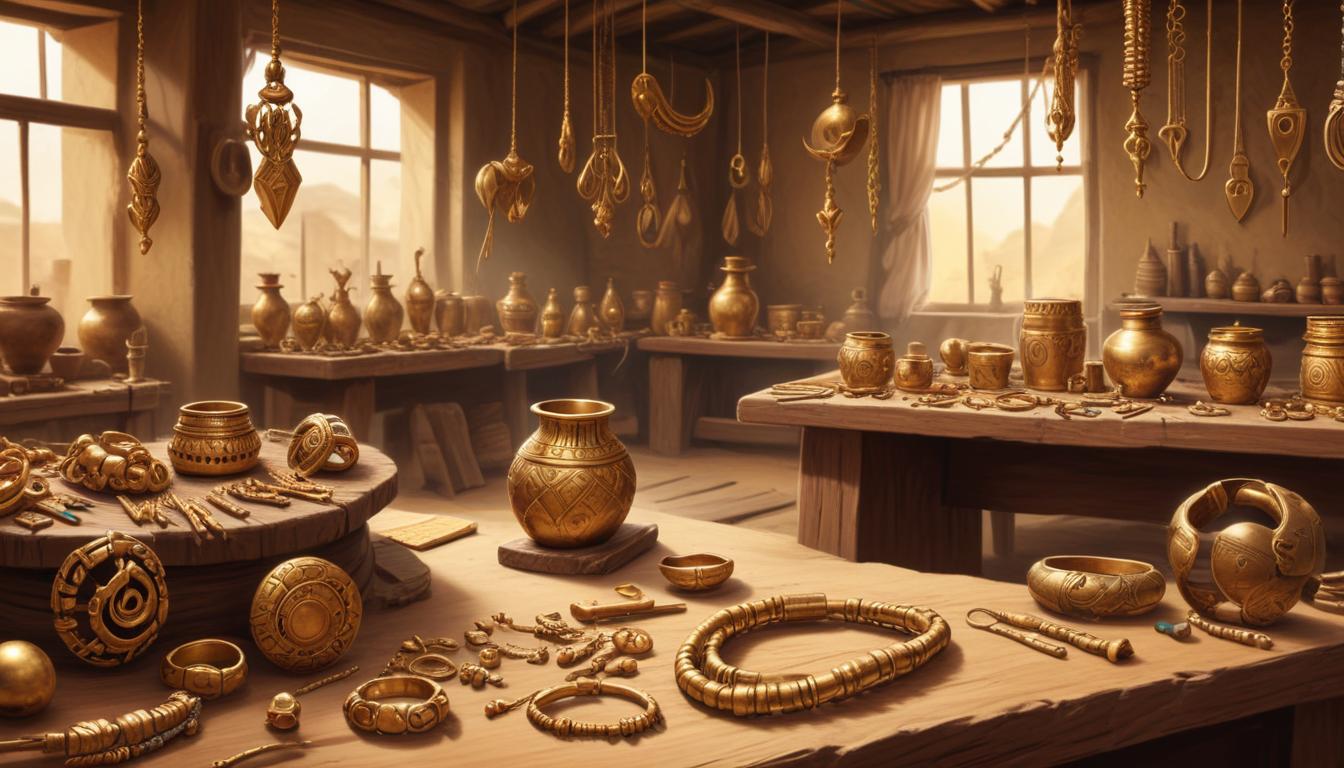
Historical Background of Jewellery Making in West Africa
The history of West African jewellery making is a fascinating journey that traces back thousands of years, reflecting the rich cultural heritage and ancient craftsmanship of the region. West African jewellery history is deeply intertwined with the social, spiritual, and economic lives of its people. These exquisite creations are more than decorative items; they are symbols of identity, status, and tradition passed down through generations.
Traditional jewellery in West Africa originated from the use of locally sourced materials such as gold, beads, shells, and metals. Archaeological discoveries have shown that some of the earliest examples of jewellery date back to ancient civilizations such as the Nok culture, which thrived around 1000 BC to 300 AD. These early artisans demonstrated advanced metalworking techniques and artistic skills, setting the foundation for craftsmanship that would flourish in various kingdoms and empires across West Africa.
During the height of powerful empires like Mali, Ghana, and Songhai, jewellery making became an esteemed craft linked to royal courts and religious ceremonies. Gold, in particular, was highly prized and abundant in these regions. The famous gold weights from the Akan people, which served as both currency and art, illustrate the sophisticated metallurgical knowledge and symbolic significance of jewellery. These pieces were often used to convey messages and social status, reinforcing the wearer’s position within the community.
The cultural heritage of West African jewellery also reflects a blend of indigenous beliefs and external influences. Islamic motifs entered the region through trade and conquest, enriching the design vocabulary and inspiring intricate geometric patterns and calligraphy in jewellery pieces. The craft evolved, accommodating changing tastes while preserving traditional techniques.
Throughout history, jewellery making in West Africa has been more than an artistic endeavor; it is a celebration of identity and continuity. Artisans remain custodians of this ancient craftsmanship, ensuring that the knowledge and cultural significance embedded in their work continue to thrive in contemporary times. Understanding the historical background of jewellery making in West Africa offers invaluable insight into the resilience and creativity that define the region’s artisanal heritage.
Ancient Techniques and Materials
In West Africa, ancient jewellery techniques are deeply rooted in the region’s rich cultural heritage. Traditional materials such as gold, beads, and various metals have been central to the craft for centuries. Artisans skillfully worked with these elements using methods passed down through generations, each piece reflecting the cultural significance and artistic mastery of its maker.
Gold, in particular, has long been prized for its beauty and rarity. West African metalworkers developed sophisticated metalworking techniques, including lost-wax casting and hand hammering, to create intricate designs and symbolic motifs in their jewellery. These ancient techniques allowed for the production of both delicate ornaments and bold statement pieces that conveyed social status and spiritual beliefs.
Beads also play a vital role in traditional jewellery, crafted from materials like glass, stone, and clay. The use of beads was not only decorative but also communicative, with patterns and colors often holding specific meanings. Combining gold and beads in jewellery design demonstrated the artisans’ ability to marry materials of different textures and significance creatively.
Overall, the craft of jewellery making in West Africa is a testament to the enduring legacy of ancient techniques and traditional materials. The blend of gold and beads with expert metalworking has created timeless pieces that continue to inspire modern artistry across the continent and beyond.
Cultural Symbolism in Jewellery
In West African culture, jewellery goes far beyond mere decoration; it embodies deep cultural symbolism that reflects spiritual beliefs and social status. Many jewellery designs serve as spiritual jewellery, believed to possess protective and healing properties. These pieces often incorporate symbols and materials regarded as sacred, linking the wearer to ancestral spirits and deities. For instance, amulets and charms embedded in necklaces or bracelets not only enhance beauty but are also thought to ward off evil and bring good fortune.
Socially, jewellery acts as a visual language that communicates status symbols within communities. Elaborate and eye-catching designs are typically reserved for royalty, chiefs, and influential individuals, signifying power, wealth, and prestige. The use of specific metals, beads, and patterns can indicate one’s ethnic group, marital status, or achievements. This rich tapestry of meanings attached to jewellery illustrates its importance as a cultural artifact that preserves and expresses West African heritage.
Overall, the craft of jewellery in West Africa is deeply intertwined with both the spiritual dimension of everyday life and the social hierarchy, making each piece a powerful emblem of identity and tradition. Understanding these cultural layers enhances appreciation of the artistry and the profound messages conveyed through jewellery in this vibrant region.
Contemporary Jewellery Making Practices
Modern jewellery techniques in West Africa are a dynamic fusion of traditional craftsmanship and contemporary innovation. West African artisans today skillfully blend age-old practices with the latest tools and methods, resulting in jewellery that honors heritage while embracing new trends. The craftsmanship today is characterized by meticulous attention to detail, with artisans exploring unique designs that reflect both cultural symbolism and modern aesthetics.
The rise of modern jewellery techniques has been significantly influenced by access to advanced tools such as precision laser cutters, computer-aided design (CAD) software, and improved metalworking instruments. These tools allow West African jewellery makers to achieve intricate patterns and more refined finishes, elevating their work to meet international standards. This blend of handcrafted artistry and technological aid has sparked a renaissance among contemporary West African jewellery producers.
Artisan trends in West Africa increasingly prioritize sustainability and ethical sourcing of materials, with many craftsmen opting for recycled metals and locally sourced gemstones. This conscientious approach not only preserves the environment but also strengthens community ties and supports local economies. The jewellery trends emerging from West Africa today reveal a deep respect for cultural roots, often incorporating motifs and materials significant to various ethnic groups.
Furthermore, the influence of global fashion movements has encouraged West African jewellery artisans to experiment with bolder designs and mixed media, combining metals with beads, fabrics, and natural elements. This evolution showcases versatility and creativity, appealing to both local and international markets. As contemporary jewellery making practices continue to evolve, West African artisans are carving out a distinctive niche in the global jewellery scene, celebrated for their innovative spirit and exceptional craftsmanship.
Traditional Skills in a Modern Context
Traditional skills remain at the heart of West African jewellery making, serving as the foundation upon which modern craftsmanship builds. These artisanal craftsmanship techniques, handed down through generations, are not only preserved but also skillfully adapted to fit contemporary tastes and market demands. While modern jewellery often incorporates new materials and design influences, the essence of traditional methods—such as intricate metalworking, bead weaving, and carving—continues to define the character of the craft.
Artisans today blend old and new by integrating traditional skills with innovative approaches, enabling them to create pieces that resonate both locally and globally. This blending allows for the preservation of cultural identity while also pushing creative boundaries. For example, age-old smithing techniques are now enhanced with modern tools to improve precision and durability without compromising authenticity. Similarly, motifs and patterns that have symbolic meaning are reimagined in contemporary contexts, making the jewellery wearable for a wider audience.
Educating new generations in these traditional skills is crucial, and many workshops and community programs emphasize hands-on learning of time-honored techniques. By doing so, artisans ensure that the craft’s rich heritage is not lost but rather evolves within today’s crafting environment. Ultimately, the fusion of traditional skills with modern jewellery design enriches the craft, securing its relevance in a fast-changing world while honoring its artisanal roots.
Innovations and Global Influence
West African jewellery making has witnessed significant innovations in both design and materials, pushing the craft into new realms of artistic expression and functionality. Artisans are increasingly experimenting with unconventional materials such as recycled metals, contemporary beads, and mixed media, blending traditional techniques with modern aesthetics. This jewellery innovation not only preserves cultural heritage but also appeals to a broader audience looking for unique, ethically crafted pieces. As a result, West African jewellery is gaining prominence on the global market, captivating consumers with its distinct blend of history and contemporary flair.
The influence of West African design extends far beyond the continent, as its rich symbolism, bold patterns, and vibrant colors inspire designers worldwide. This cultural cross-pollination fosters a craft evolution where traditional craftsmanship intersects with global fashion trends, creating dynamic new styles that resonate internationally. Jewellery from West Africa is no longer confined to local or regional use; it integrates into global markets through fashion shows, e-commerce platforms, and international collaborations, highlighting the versatility and appeal of West African artistry.
Moreover, the global market’s embrace of West African jewellery fuels innovation within local communities by encouraging sustainable practices and empowering artisans economically. This global recognition not only elevates the craft but also ensures that the essence of West African jewellery continues to evolve, shape, and enrich global design narratives, making it a vital force in the world of contemporary jewellery.
Economic and Social Impact of Jewellery Crafting
Jewellery making in West Africa plays a crucial role in supporting local economies and significantly impacts the livelihoods of artisans. This craft, deeply rooted in the region’s cultural heritage, goes beyond mere aesthetic creation; it is a vital source of income for many communities. Artisans engage in this craft as a means of economic empowerment, often relying on the sales of their handcrafted pieces to sustain their families. The economic impact of jewellery crafting extends to the creation of numerous informal jobs, including procurement of materials, design, production, and trade within local markets and beyond.
The livelihood of artisans is closely intertwined with the success of their craft. Jewellery makers in West African communities develop specialized skills passed down through generations, making their work highly valuable and unique in the global market. As a result, jewellery crafting fosters entrepreneurship and allows artisans to participate actively in their local economies, improving their standards of living. This economic activity also contributes to the circular economy where materials are locally sourced and crafted, ensuring sustainability and resilience in economic practices.
Socially, jewellery holds profound significance among West African communities. Beyond its economic role, jewellery is often a symbol of identity, status, and cultural expression. Many pieces are crafted to signify important social milestones such as marriage, rites of passage, and community leadership. The social significance of these adornments reinforces community cohesion, as they carry stories and traditions that strengthen cultural continuity over generations. Jewellery crafting, therefore, serves as a cultural archive, preserving the values and histories of the people through its designs and usage.
The impact of jewellery crafting on the West African economy and its social fabric cannot be overstated. It is a powerful driver of economic development and social integration, providing both financial stability and cultural pride for many communities. Supporting this craft not only sustains the artisans’ livelihoods but also enriches the cultural heritage of the region, ensuring that the stories and talents of West African jewellery makers continue to thrive in contemporary markets and society.
Empowerment Through Craftsmanship
In many West African communities, jewellery making has become more than just a craft—it is a vital tool for women artisans to achieve empowerment and foster community development. Various initiatives across the region are dedicated to providing skill training that equips these women with both traditional techniques and modern design approaches. Through these programs, women artisans gain confidence, financial independence, and a stronger voice within their communities.
These empowerment initiatives often focus on collaborative workshops where women artisans come together to share knowledge, innovate designs, and build networks that support sustainable livelihoods. By emphasizing craftsmanship as a means of community development, these programs help preserve cultural heritage while creating new opportunities for economic growth. Additionally, training programs often include business and marketing skills, enabling women to better manage their enterprises and access wider markets.
The impact of such empowerment through craftsmanship extends beyond individual women, positively influencing their families and the broader community. As women artisans thrive, they reinvest in community projects and educational initiatives, creating a ripple effect of progress and social improvement. Ultimately, jewellery making in West Africa stands as a powerful symbol of how skill training and craftsmanship can drive true empowerment and sustainable community development.
Challenges and Opportunities
The craft challenges faced by jewellery artisans in West Africa are multifaceted. Market competition is fierce, with local artisans competing not only among themselves but also against mass-produced jewellery from international markets. This pressure often limits the ability of traditional craftsmen to maintain fair pricing and sustain their unique craftsmanship. Additionally, access to quality raw materials at reasonable prices remains a significant hurdle, impacting both production quality and cost efficiency.
Another critical issue is the need for sustainable practices within the craft sector. Environmental concerns are becoming increasingly important, and artisans who adopt eco-friendly production methods are better positioned for future growth. Embracing sustainability can help protect natural resources and enhance the appeal of West African jewellery to ethical consumers globally. However, transitioning to these sustainable practices requires education, resources, and sometimes external support for the artisans.
Despite these challenges, numerous future opportunities exist. The growing global interest in handmade and ethically produced goods offers a promising market expansion for West African jewellery. By leveraging digital platforms and social media, artisans can reach wider audiences, build brands, and create direct sales channels. Moreover, collaborations with designers and participation in international trade fairs can boost visibility and open new revenue streams. Overall, with strategic support and innovation, the jewellery craft sector in West Africa holds significant potential for sustainable growth and cultural preservation.

I’m fascinated by the vibrant intersection of contemporary fashion and traditional African craftsmanship. I spend my free time exploring markets, learning about textile techniques, and sharing the stories behind each piece with our readers.