
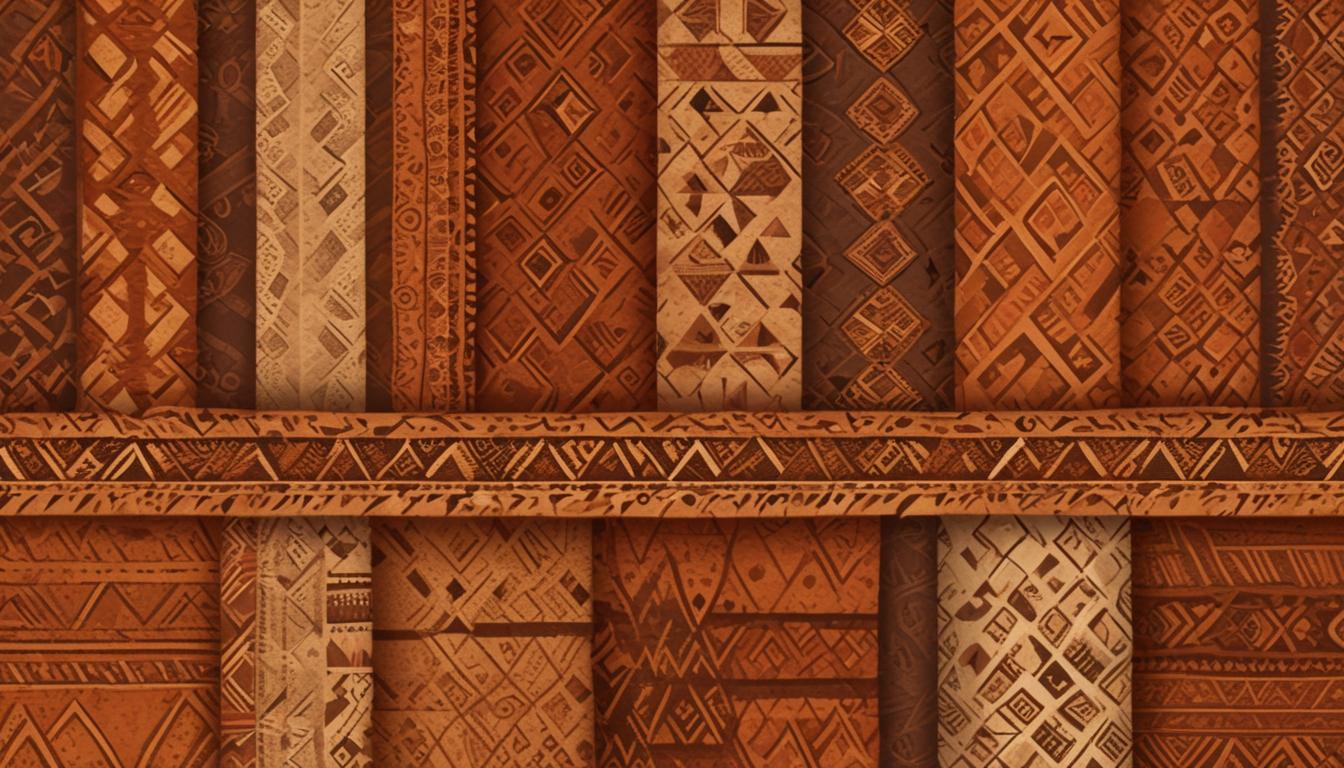
Overview of African Textile Regions
Africa is home to a rich and diverse tradition of textiles, deeply intertwined with its cultural history and identity. The continent’s textile regions are renowned for their unique weaving techniques, vibrant patterns, and meaningful symbolism, all of which contribute to the vibrant Africa fabric culture cherished worldwide. Understanding African textiles means exploring these key regions that have long been centers of fabric production and innovation.
West Africa stands out as one of the most prominent textile regions, celebrated particularly for its kente cloth from Ghana and the indigo-dyed fabrics created by the Yoruba people of Nigeria. Kente is a symbolic and brightly colored silk and cotton fabric, often associated with royalty and significant cultural ceremonies. Meanwhile, the Yoruba’s intricate adire textiles use resist-dyeing techniques to produce elaborate and striking patterns that reflect both tradition and storytelling.
Moving to North Africa, countries like Morocco and Egypt have textile traditions shaped by centuries of interaction with Mediterranean and Middle Eastern cultures. Moroccan textiles are famous for their handwoven rugs and blankets, characterized by geometric designs and natural dyes, while Egyptian fabrics often include fine cotton and linen, reflecting the legacy of one of the world’s oldest civilizations in fabric production.
In East Africa, Maasai beadwork and fabrics from Tanzania and Kenya highlight a distinct style heavily relying on bold colors and intricate patterns. The region is also known for the unique kikoy and kanga cloths—lightweight fabrics worn daily and used for various cultural purposes, symbolizing community, identity, and social messages through their patterns and colors.
Central and Southern Africa showcase their own textile treasures. For example, the Kuba people of the Democratic Republic of Congo create raffia cloths with complex geometric designs that are both a form of artistic expression and a historical record. In South Africa, the vibrant Ndebele patterns are expressed not only in textiles but also in architecture and beadwork, representing a powerful cultural identity and resilience through fabric.
Together, these regions illustrate the immense cultural importance and diversity of African textiles. Each area contributes a unique chapter to the broader story of Africa fabric culture, making the continent a mosaic of textile traditions that continue to inspire contemporary fashion and artisanal crafts worldwide.
West African Textile Traditions
West African textiles are renowned for their vibrant colors, intricate patterns, and deep cultural significance. Among the most iconic is kente cloth from Ghana, a fabric woven with silk and cotton in bold, geometric designs. Kente cloth often carries symbolic meanings, representing history, philosophy, ethics, and social values. It is traditionally worn during important ceremonies and celebrations, symbolizing prestige and cultural identity.
In Nigeria, adire fabric exemplifies another rich textile tradition. Adire is a resist-dyeing technique using indigo to create stunning blue and white patterns on cotton cloth. Various methods, including tying, stitching, and stenciling, are used to form intricate designs that reflect the artisan’s creativity and regional heritage. Adire fabrics continue to be popular both as everyday wear and as expressive art in contemporary fashion.
Further west, in Mali, bogolanfini or mud cloth represents a unique weaving and dyeing technique involving fermented mud to create earthy, symbolic motifs on handwoven cotton. Traditionally, bogolanfini served as clothing imbued with cultural stories, social status, and even spiritual protection. Today, it is celebrated globally as a symbol of African craftsmanship and continues to inspire designers and artists worldwide.
East African Textile Styles
East African fabrics hold a unique place in the continent’s rich tapestry of textile traditions, with khanga, kitenge, and African wax print playing pivotal roles. These textiles are not just materials; they are cultural symbols, storytelling mediums, and markers of identity in countries such as Kenya, Tanzania, and Uganda.
Khanga is a vibrant and versatile fabric widely used across East Africa. Typically made of cotton, it features bold, colorful patterns and often includes a central motif surrounded by Swahili proverbs or messages. The khanga serves numerous purposes, from daily wear and baby carriers to ceremonial clothes, reflecting the social and cultural practices of the region.
Closely related to the khanga is the kitenge, another staple of East African fabric culture. Unlike the khanga’s usually printed cotton, kitenge often incorporates wax-resist dyeing techniques, producing striking geometric and floral patterns. Kitenge is commonly tailored into dresses, skirts, and shirts and is celebrated for its durability and vivid designs.
The influence of African wax print is prominent throughout East Africa, blending traditional aesthetics with modern textile technology. These prints, recognized by their bright, eye-catching colors and repetitive motifs, have been embraced widely in urban and rural areas alike. They offer a bridge between local tradition and contemporary fashion, symbolizing both heritage and innovation.
Together, khanga, kitenge, and African wax print fabrics create a dynamic and colorful panorama of East African textile artistry, deeply intertwined with the identity and everyday lives of the people in this region.
North and Southern African Textile Heritage
The rich and diverse textile heritage of Africa is vividly represented through the distinct traditions found in both North and Southern Africa. North African textiles are renowned for their intricate designs and historical significance, with Moroccan fabrics standing out as some of the most exquisite examples. Moroccan craftsmanship in textiles displays a remarkable blend of Berber, Arab, and Mediterranean influences, known for their vibrant colors, geometric patterns, and tactile richness. Traditional Moroccan fabrics, such as those used in rugs, shawls, and traditional clothing, often feature handwoven wool, silk threads, and natural dyes derived from local plants and minerals.
Meanwhile, the weaving traditions in Southern Africa showcase an equally compelling story, particularly through the artisanal skills practiced in Ethiopia and South Africa. Ethiopian weaving is celebrated for its cotton textiles called “shema,” often woven on narrow looms and characterized by simple yet elegant striped patterns in earthy and bright hues. These fabrics hold cultural significance, being used in traditional clothing, ceremonial wraps, and household decor that speak to the identity and heritage of various Ethiopian ethnic groups.
In South Africa, textile production is deeply embedded in the cultural fabric of communities such as the Zulu and Xhosa peoples. South African fabrics incorporate beadwork, intricate weaving, and vibrant printing techniques to express social status, cultural myths, and traditional narratives. The use of wool and cotton, along with distinctive dyeing methods, enables the creation of fabrics that are not only functional but also symbolic, carrying stories passed down from generation to generation.
Together, North African textiles and Southern African weaving traditions underline the continent’s artistic ingenuity and cultural diversity. These textile histories not only showcase exceptional craftsmanship but also represent deep connections to land, identity, and community. Understanding and appreciating the textiles from Morocco, Ethiopia, and South Africa enriches our global appreciation of African heritage and its continuing influence on contemporary fashion and textile art.
Moroccan and North African Textiles
Moroccan textiles are renowned for their intricate designs and rich cultural heritage, representing a vibrant tapestry of North African artistry. The region is particularly famous for its Berber fabric, which is recognized for bold geometric patterns and symbolic motifs that reflect the stories and traditions of the Berber people. These handwoven textiles are often crafted using natural dyes, resulting in vivid colors that bring life and warmth to each piece.
In Morocco and the greater North African area, the art of creating handwoven textiles has been passed down through generations, preserving ancient techniques that require exceptional skill and patience. North African rugs, especially those originating from Moroccan weavers, are highly sought after for their durability and unique aesthetic appeal. Each rug is not just a decorative item but a representation of the artisan’s identity and the cultural values embedded within the craftsmanship.
The weaving process itself is an intricate balance of precision and creativity, where every knot and thread placement contributes to the final pattern’s symmetry and meaning. Whether used as functional pieces or artistic displays, Moroccan textiles and North African rugs stand out as a testament to the region’s rich heritage of handwoven textiles, making them indispensable to the study of global fabric artistry.
Textile Traditions in Southern Africa
| Region | Textile Tradition | Notable Features | Keywords |
|---|---|---|---|
| Southern Africa (General) | Traditional Weaving | Use of natural fibers, geometric patterns, community-based weaving practices | traditional weaving, Southern African weaving |
| Zulu (South Africa) | Zulu Beadwork | Brightly colored beads, intricate patterns symbolizing social status and messages, worn on clothing and accessories | Zulu beadwork, Southern African weaving |
| Ethiopia | Ethiopian Fabrics | Handwoven cotton cloth called “shemma,” often decorated with colorful stripes and patterns, used for traditional garments like the gabi and netela | Ethiopian fabrics, traditional weaving |
| Other Notable Southern African Cultures | Various Weaving Traditions | Different ethnic groups showcase unique styles, including basket weaving and fabric dyeing techniques | Southern African weaving, traditional weaving |
Modern Influences and Global Impact
Traditional African textiles have long been a vibrant expression of cultural identity and artistic heritage. In recent years, they have increasingly influenced modern fashion, captivating designers and consumers worldwide. The bold patterns, rich textures, and symbolic meanings embedded in African fabrics have redefined contemporary fashion aesthetics, leading to a surge in popularity on international runways and in street style.
The infusion of modern African textiles into global fashion has fostered a dynamic fusion where traditional craftsmanship meets innovative design. Designers are incorporating authentic fabric techniques such as kente weaving, mud cloth dyeing, and adinkra printing into haute couture as well as ready-to-wear collections. This fusion not only celebrates African heritage but also propels fashion influences that resonate with a global audience, encouraging inclusivity and appreciation for diverse cultural narratives.
Beyond fashion, African textiles play an essential role in global textile markets. They contribute significantly to the economies of African countries by generating employment and preserving artisanal skills. The growing demand for African fabrics internationally has opened new export opportunities, strengthening trade ties and expanding markets. This global reach fosters cultural exchange and drives sustainable economic development within the textile sector.
Innovation is a key driver in the evolution of African textiles today. Advances in textile technology and sustainable practices are being embraced to enhance production efficiency and environmental responsibility. Designers and manufacturers are experimenting with eco-friendly dyes, organic fibers, and digital printing techniques to modernize traditional fabrics without compromising their cultural essence. This wave of innovation ensures that African fabric remains relevant and competitive in the fast-changing global textile industry.
In summary, modern African textiles have left an indelible mark on fashion influence and global textile markets. The blend of deep-rooted traditions with innovative approaches is revitalizing the industry, making African fabric a powerful symbol of creativity, cultural pride, and contemporary style on the world stage.
Contemporary Uses of Traditional Fabrics
African prints and textiles have transcended their traditional roots to become a significant influence in modern fashion worldwide. Designers are increasingly incorporating these vibrant fabrics into their collections, creating fusion styles that celebrate cultural heritage while appealing to contemporary tastes. African textile patterns, known for their bold colors and intricate designs, offer a unique aesthetic that stands out on global runways.
Modern fashion embraces these prints not only in clothing but also in accessories, blending traditional motifs with cutting-edge trends. Designer textiles crafted from African fabrics are adapted into various forms such as dresses, suits, streetwear, and even haute couture, showcasing the versatility of these materials. This fusion of old and new creates a dynamic conversation between cultures, bridging the gap between heritage and innovation.
Moreover, the incorporation of African textiles into contemporary fashion supports artisans and preserves traditional craftsmanship by bringing these patterns to a global audience. Designers often collaborate with local artisans to ensure authenticity and sustainability in production. As a result, African prints are not only a symbol of style but also an emblem of cultural identity and economic empowerment within the fashion industry.
Overall, the global fashion scene’s embrace of African fabrics highlights the growing appreciation for diverse cultural expressions and the endless potential for creative fusion styles that honor tradition while pushing boundaries.
African Textiles in the Global Market
African textiles have increasingly become a significant force in the global textile trade, celebrated not only for their vibrant designs but also for their deep cultural heritage textiles that tell the story of diverse African communities. The export of African fabric has surged as international demand grows, driven by both fashion markets and cultural enthusiasts who value authenticity and craftsmanship.
The economic impact of this global interest is considerable, providing vital income streams for artisans, traders, and entire communities throughout Africa. This trade fosters job creation, supports traditional practices, and opens pathways for sustainable development. However, the sector faces key challenges such as competition from mass-produced imitations, logistical barriers, and market access limitations that can hinder the full potential of African textiles in the export market.
Opportunities arise from increasing consumer awareness around ethical fashion and cultural preservation, which African textile producers can leverage by emphasizing authenticity and heritage. Collaborations with international designers and e-commerce platforms also offer promising avenues to expand reach and visibility. By navigating challenges and capitalizing on these opportunities, African textiles are poised to strengthen their presence and influence in the competitive landscape of the global textile trade.

I’m fascinated by the vibrant intersection of contemporary fashion and traditional African craftsmanship. I spend my free time exploring markets, learning about textile techniques, and sharing the stories behind each piece with our readers.