
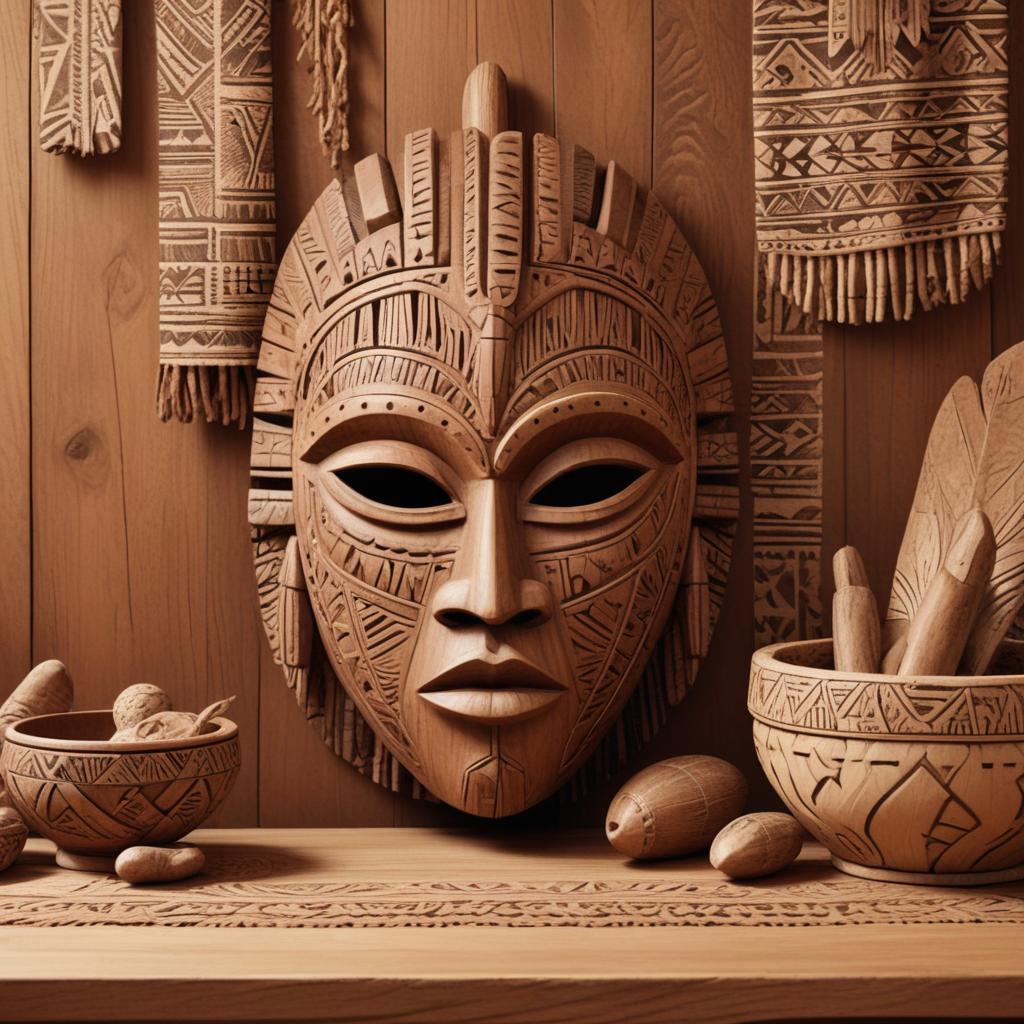
Introduction to African Carving Art
African carving is a deeply rooted form of traditional crafts that has been practiced and revered across the continent for centuries. The art of wood carving, in particular, holds immense cultural significance and is a prominent feature in many African communities. Historically, carving has served not only as an artistic expression but also as a means of preserving history, beliefs, and social values. The skillful transformation of raw wood into intricate sculptures, masks, and everyday objects reflects the rich cultural heritage and craftsmanship of African peoples.
The origins of African carving date back to ancient times when early societies began using carving techniques to create functional tools and symbolic artefacts. Over time, these carvings evolved into more complex and stylised forms that carried spiritual and ceremonial meaning. For many African cultures, wood carving was – and continues to be – intertwined with rituals, storytelling, and communal identity. Artisans often pass down their knowledge and skills through generations, ensuring that carving remains a vital part of community life and oral tradition.
Traditional crafts involving carving frequently embody the beliefs, myths, and social structures of the people who create them. For instance, carved masks are often used in ceremonies and dances to represent ancestors, deities, or spirits. These objects are considered living artworks that connect the physical world with the spiritual realm. Similarly, carved figures and household items express the aesthetics and values of different tribes and regions, showcasing the diversity within African carving practices.
Moreover, African carving is not just an artistic endeavour but a cultural language in itself. Through detailed motifs, shapes, and symbolic designs, the carver communicates messages about power, fertility, protection, and moral codes. This cultural significance elevates African wood carving beyond mere decoration; it is an essential part of preserving identity and heritage. Understanding the historical background and cultural importance of African carving enriches our appreciation of these traditional crafts and highlights the profound relationship between art and society in Africa.
Historical Origins of African Carving
The history of carving in Africa is as rich and diverse as the continent itself, tracing back thousands of years to ancient crafts practised by various African tribes. This artistic tradition has deep roots, evolving alongside the societies that embraced it, and serves as a vivid testament to the cultural heritage of these communities. Early African carving was not merely decorative; it played a significant role in spiritual, social, and utilitarian contexts, reflecting the values and beliefs of the people. Carved objects often held symbolic meanings and were used in ceremonies, rites of passage, and as status symbols within tribes.
The origins of African carving can be linked to the use of natural materials such as wood, ivory, bone, and stone. Skilled artisans from different African tribes developed techniques that were passed down through generations, blending practical craftsmanship with artistic expression. These ancient crafts were tightly entwined with daily life, producing items ranging from masks and figurines to tools and household objects. The continuation of carving traditions over centuries reveals how integral this art form became in preserving tribal identities and histories.
Furthermore, variations in carving styles among African tribes are indicative of the continent’s vast cultural landscape. Each tribe contributed its unique motifs, techniques, and symbolic meanings, creating a rich tapestry of artistic heritage. Understanding the history of carving offers insight into how these traditions helped shape the social fabric of African communities and maintain their ancestral links. Through their carvings, African tribes have continually expressed their creativity while honouring their past, making the art form a vital element of cultural continuity.
Materials and Techniques Used
African artisans are renowned for their mastery in carving, employing a diverse range of carving materials that reflect both the natural environment and cultural heritage. Wood is the predominant material used, with various wood types selected for their availability, durability, and workability. Hardwoods such as mahogany, ebony, and iroko are particularly prized for their fine grain and ability to hold intricate detail, while softer woods like balsa may be chosen for more delicate or elaborate pieces. Each type of wood contributes a unique texture and finish to the final artwork.
The tools utilised in African carving are typically simple yet effective, often handmade and passed down through generations. Common tools include knives, chisels, gouges, and adzes, each serving a distinct purpose in shaping and detailing the wood. These tools allow artisans to execute a range of techniques, from rough shaping to delicate engraving. The carving methods commonly used involve both subtractive and additive processes, where segments of wood are removed or layered to create form and depth.
Techniques vary widely across regions and ethnic groups, but a shared emphasis on precision and storytelling can be seen throughout. Some artisans employ relief carving to produce raised designs, while others prefer in-the-round carving to create fully three-dimensional sculptures. The combination of carefully chosen carving materials, finely honed techniques, and traditional tools results in artworks rich in cultural significance and aesthetic appeal, encapsulating the soul of African craft culture.
Cultural and Symbolic Meaning in African Carvings
African carved artworks are deeply embedded with symbolism and cultural meaning, representing more than just aesthetic beauty. Each carving often serves as a rich narrative device, conveying stories, beliefs, and values unique to the community from which it originates. The artistic expressions seen in these works are a profound reflection of the identity and heritage of various African societies, where every detail, motif, and form can hold spiritual significance.
Symbolism in African carvings plays a crucial role in communicating messages about life, nature, and the cosmos. Animals, human figures, and abstract shapes are commonly used symbols, each carrying specific cultural connotations that relate to ancestral wisdom, power, fertility, or protection. This sophisticated use of symbolism ensures that the carvings function as vessels of knowledge and tradition passed down through generations, often beyond the written word.
Ritual carvings are particularly significant within African craft culture. These objects are not merely decorative; they are central to spiritual ceremonies and rites of passage. Masks, statues, and figures carved from wood or ivory are frequently employed in rituals to invoke ancestral spirits, safeguard communities, or mark important events such as births, initiations, marriages, and funerals. The carved artworks act as intermediaries between the physical and spiritual realms, embodying spiritual significance that transcends their tangible form.
Moreover, the role of these ritual carvings in society extends beyond religious functions. They often serve as symbols of social status and political power, used by leaders, priests, and elders to assert authority and reinforce social cohesion. In many African cultures, the creation and use of carved objects are governed by strict cultural protocols, underscoring their sacred importance and preserving the integrity of their symbolism.
Through their symbolic language, African carvings continue to be powerful tools for cultural preservation and education. They capture the spiritual significance and worldview of diverse ethnic groups, fostering a deeper understanding of African identity and history. This profound relationship between art, ritual, and society highlights the enduring importance of carving as a form of cultural expression and spiritual connectivity in African life.
Religious and Spiritual Significance
In African craft culture, spiritual art holds a profound place, with carvings serving as vital instruments of religious expression across numerous communities. These objects are not mere decorative pieces but are deeply imbued with symbolic meanings that connect the physical to the metaphysical world. Ritual carvings often represent ancestors, deities, or spiritual forces, acting as conduits that allow communities to communicate with the divine and honour their heritage.
Many African societies use ceremonial carvings during significant rites of passage, festivals, and rites such as initiation, marriage, or funerals. These carvings are believed to possess protective powers or to invoke blessings, ensuring the wellbeing of individuals or the community as a whole. Crafted with great reverence, such pieces often incorporate motifs and styles that reflect the specific religious beliefs and cultural values of the group.
Moreover, spiritual art in the form of carved masks and figures plays an essential role in ritual performances and ceremonies. These carvings embody ancestral spirits or mythological beings, allowing the wearer to temporarily channel or embody these supernatural entities. Through their ceremonial use, these carvings facilitate spiritual connection, healing, and social cohesion, reinforcing the cultural fabric of the community.
Thus, African carving transcends aesthetic appeal, serving as a powerful medium for religious devotion and spiritual practice. The ongoing creation and use of these ritual carvings underscore the enduring importance of spiritual art in maintaining cultural identity and spiritual continuity within African societies.
Representation of Social Status and Identity
In African craft culture, carving is far more than an artistic endeavour; it serves as a potent medium to express social status, personal identity, and tribal affiliations. These works of art are meticulously crafted to reflect an individual’s rank within social hierarchies, as well as their unique heritage and community ties. Through specific motifs and designs, artisans encode complex layers of meaning that signify an individual’s position and role in society.
Tribal symbols often play a crucial role in this expression, acting as visual markers that link the carrier of the carving to their lineage and community traditions. Each tribe has distinct iconography embedded within the carvings which communicates not only identity but also allegiance and belonging. This symbolic language allows for a rich narrative that honours ancestry and cultural values, reinforcing social cohesion within the community.
Moreover, carvings often delineate social stratification by differentiating leaders, warriors, priests, and common folk with unique designs or materials. For instance, the inclusion of particular patterns or the use of rare woods can indicate higher status or special honours within the tribe. By wearing or displaying these carvings, individuals broadcast their heritage and social standing, creating a visual dialogue that resonates deeply across generations.
Ultimately, carving in African craft culture stands as a living testament to the intertwining of art, identity, and social order, embodying the deep respect for tradition and heritage that continues to shape communal life.
Modern Influence and Preservation of African Carving Art
The tradition of carving in African craft culture has undergone significant transformation as modern influences merge with age-old techniques. Contemporary artists are redefining the art form, blending traditional motifs with innovative designs that resonate with both local and global audiences. This fusion not only breathes new life into carving but also ensures its relevance in a rapidly changing artistic landscape.
Modern carving incorporates a diverse range of materials and styles, reflecting the evolution of tools and artistic concepts. Artists are experimenting beyond customary wood and stone, embracing metals, recycled materials, and mixed media to create pieces that speak to today’s cultural dialogues. These adaptations allow for greater expression while maintaining the integrity of the original craft.
Art preservation has become a critical focus within many African communities and cultural institutions. Efforts are underway to document traditional carving techniques and protect the cultural heritage passed down through generations. Museums, workshops, and cultural centres play essential roles in educating younger artists and collectors about the significance of these carvings as more than decorative objects but as living narratives of history and identity.
Preserving this cultural heritage also involves supporting the artisans who keep the craft alive. Numerous initiatives aim to provide economic opportunities, ensuring that skilled carvers can sustain their livelihoods while continuing to produce authentic works. These programmes often combine training with access to markets, helping contemporary artists gain recognition both at home and abroad.
The role of contemporary artists in the preservation process cannot be overstated. By integrating traditional carving elements with their unique perspectives, they contribute to a dynamic cultural exchange that honours the past while embracing the future. Their work often challenges conventional boundaries, inviting dialogue about identity, modernity, and the enduring value of African carving.
In summary, the modern carving movement and the dedicated efforts at art preservation together ensure that African carving art remains a vital part of cultural heritage. Through innovation and respect for tradition, this timeless craft continues to inspire new generations and preserves the rich stories embedded in each carved masterpiece.
Contemporary African Carvers and Their Work
Modern artisans in Africa have taken the timeless tradition of carving and infused it with fresh perspectives, creating a vibrant fusion of heritage and innovation. These contemporary carvers draw upon rich cultural motifs and ancestral techniques, yet boldly experiment with new forms, materials, and themes to reflect today’s realities. This blend of the old and the new breathes life into each piece, making contemporary carving not just a continuation of craft, but a dynamic art form that speaks across generations.
Prominent modern artisans such as Gerald Chikoti from Zambia and Yinka Shonibare from Nigeria exemplify this creative evolution. Their works often juxtapose traditional symbolism with contemporary narratives, challenging perceptions and expanding the scope of African carving. These artists harness innovations in carving methods and materials, including sustainable woods and mixed media, to push boundaries while honouring their roots.
The impact of these carvers extends beyond aesthetics; they are cultural storytellers preserving identity through craftsmanship. They represent a growing movement where contemporary carving is valued globally for its artistic merit and cultural significance. By embracing innovations without forsaking the essence of traditional forms, these modern artisans redefine African carving for the modern age, ensuring the art remains relevant, respected, and inspiring worldwide.
Challenges and Efforts in Preservation
The art of carving in African craft culture faces significant challenges that threaten its continuity and cultural significance. One of the primary threats to craft traditions is the rapid loss of skilled artisans, as younger generations often migrate to urban centres in search of alternative employment opportunities, leading to a decline in traditional knowledge transfer. Additionally, the increased availability of mass-produced goods undermines the demand for handcrafted items, making it harder for carvers to sustain their livelihoods. Environmental factors also pose a challenge, as deforestation and restricted access to natural materials hinder the ability to source quality wood for carving.
Cultural preservation efforts have been growing in response to these threats to craft traditions. Various local and international organisations are actively involved in promoting awareness of the importance of African carving as an intangible heritage. Educational programmes and workshops aim to engage younger audiences, passing on essential skills and fostering pride in traditional craftsmanship. Furthermore, initiatives to support sustainability encourage responsible harvesting of wood and the use of alternative materials to ensure the natural resources remain available for future artisans.
Markets and exhibitions dedicated to African crafts also play a crucial role in sustaining the carving tradition by providing artisans a platform to showcase and sell their work, thereby supporting economic sustainability within these communities. Through a combination of cultural preservation, combating threats to craft, and striving for sustainability, the rich legacy of African carving continues to adapt and thrive in the modern world.

I’m fascinated by the vibrant intersection of contemporary fashion and traditional African craftsmanship. I spend my free time exploring markets, learning about textile techniques, and sharing the stories behind each piece with our readers.