
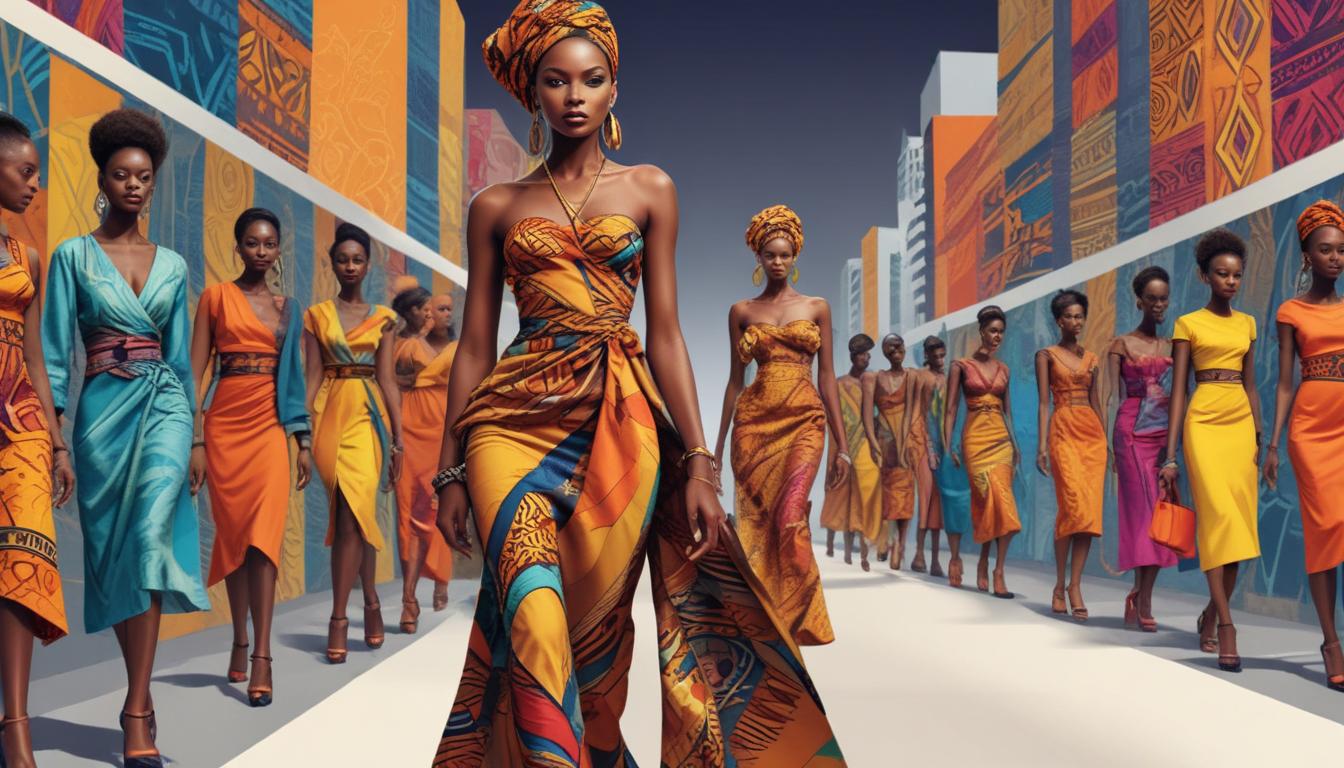
Emergence of African-inspired fashion in the global market
The rise of African fashion in the global market has been a remarkable journey of cultural expression meeting contemporary trends. Once considered niche or traditional, African-inspired fashion has now firmly established itself as a significant player in global trends, captivating audiences and industry insiders alike. This emergence is not merely about clothing but a powerful celebration of heritage, innovation, and artistry that transcends borders.
Key designers have played a crucial role in this transformation, opening doors for African aesthetics to shine on international runways. Designers like Duro Olowu, who blends Yoruba prints with modern silhouettes, and Lisa Folawiyo, known for her intricate beadwork and embellishments, have garnered worldwide acclaim. Their work challenges conventional fashion narratives by integrating African cultural elements with contemporary styles that appeal to a diverse global clientele.
Alongside designers, influencers and celebrities have been instrumental in popularizing African fashion. Icons such as Lupita Nyong’o and Beyoncé have embraced African-inspired styles both on and off the red carpet, showcasing everything from traditional prints to avant-garde designs. Their endorsements have propelled African fashion to the forefront, inspiring editors, buyers, and consumers around the world to appreciate and adopt these vibrant expressions of culture.
The emergence of African-inspired fashion is also supported by a growing infrastructure that includes fashion weeks across African cities like Lagos, Johannesburg, and Dakar. These events serve as platforms for emerging talents and established names to display their work and connect with global buyers and media. The resulting exposure has helped integrate African fashion into the broader international market, fostering collaborations and innovations that further define global trends.
In summary, the rise and recognition of African fashion globally highlight a dynamic blend of tradition and modernity. This fashion emergence not only enriches the global fashion landscape but also empowers designers and communities by celebrating their rich cultural legacies. As African-inspired designs continue to influence global trends, they reinforce a powerful narrative of diversity, creativity, and inclusion in the fashion industry.
Influential African designers shaping the industry
African designers have become prominent fashion innovators and industry leaders on the international stage. Visionary talents such as Ozwald Boateng from Ghana revolutionized menswear with his exquisite tailoring and vibrant African aesthetics, blending tradition with modernity seamlessly. Boateng’s impact on global fashion opened doors for many African creatives.
Nigerian designer Lisa Folawiyo is celebrated for her innovative use of traditional West African textiles, especially Ankara fabrics, transformed into contemporary, luxurious fashion pieces. Her work has captivated international audiences, placing African-inspired design at the forefront of global trends while empowering local artisans.
South African designer Laduma Ngxokolo draws inspiration from Xhosa beadwork and culture, elevating African heritage through his knitwear masterpieces. His brand, MaXhosa Africa, is a symbol of creativity and heritage preservation, showcasing how African designers influence and redefine the fashion industry worldwide.
These fashion innovators, among many others, continue to shape the industry by merging African cultural heritage with cutting-edge design. Their success proves that African designers are not only trendsetters but also pivotal leaders who inspire a new wave of global appreciation for African-inspired fashion.
Impact of cultural heritage on modern collections
Traditional African patterns and customs have a profound influence on contemporary fashion designs, serving as a rich source of inspiration for modern designers. Cultural heritage, with its diverse motifs, symbols, and vibrant colors, breathes new life into modern fashion collections, connecting the past with the present. Designers incorporate these traditional patterns into their creations to celebrate African identity, preserve history, and promote cultural pride.
The use of traditional patterns in modern fashion goes beyond aesthetic appeal; it represents stories and values passed down through generations. Many designers study indigenous textiles and traditional craftsmanship techniques to authentically integrate elements of African culture into their work. Whether it is through the use of intricate geometric shapes, bold prints, or handcrafted embroidery, modern collections often reflect a dialogue between innovation and tradition.
Moreover, the resurgence of cultural heritage in fashion encourages sustainability by valuing artisanal skills and natural materials. This fusion of old and new challenges mainstream fashion norms while broadening the global appreciation for African artistry. Consequently, contemporary fashion empowered by traditional African influences not only promotes creativity but also fosters cultural understanding and respect.
Sustainability and innovation in African-inspired fashion
African-inspired fashion is increasingly at the forefront of the sustainable fashion movement, combining rich cultural heritage with cutting-edge innovation to create ethical clothing that respects both people and the planet. Designers across the continent and the diaspora are pioneering new methods of production that minimize environmental impact while preserving traditional craftsmanship.
One of the key elements driving this shift is the use of eco-friendly materials. African fashion artisans and designers are exploring natural fibers such as organic cotton, hemp, and bamboo, alongside sustainably sourced indigenous fabrics like kente and mud cloth. These materials not only reduce the carbon footprint associated with fast fashion but also celebrate the continent’s diverse textile traditions. Furthermore, the revival and modernization of hand-dyeing and weaving techniques are enabling local communities to maintain their artistic heritage while engaging with sustainable practices.
Innovation plays a critical role in pushing African-inspired fashion toward greater sustainability. Designers are adopting advanced technologies such as 3D printing and digital pattern making that reduce fabric waste and streamline the production process. Additionally, some brands are experimenting with upcycling and recycling old garments and textile scraps, transforming what was once considered waste into high-quality, fashionable pieces. These innovative approaches not only extend the lifecycle of textiles but also challenge the notions of consumption and waste in the fashion industry.
Ethical clothing is at the heart of this movement, with many African fashion brands committed to ensuring fair wages, safe working conditions, and empowerment of artisan communities. By integrating ethical labor practices with sustainable production, these brands contribute to social sustainability alongside environmental stewardship. This holistic approach helps build resilient local economies and fosters pride in African cultural identity.
In summary, African-inspired fashion is leveraging sustainability and innovation to reinvent itself for the future. By honoring traditional craftsmanship, embracing eco-friendly materials, and integrating modern technologies, it is setting new standards for ethical clothing that resonates globally. This dynamic fusion not only enriches the fashion landscape but also underscores the importance of responsible creativity in shaping a better world.
Eco-friendly materials and traditional craftsmanship
The fusion of eco-friendly materials and traditional craftsmanship is reshaping African-inspired fashion, creating unique and sustainable pieces. Designers are increasingly turning to natural fabrics such as organic cotton, bamboo, hemp, and hand-spun wool. These materials are not only biodegradable but also cultivate a lower environmental impact during production. When combined with age-old craftsmanship techniques passed down through generations, the result is fashion that pays homage to heritage while respecting the planet.
Traditional craftsmanship often involves artisanal hand-weaving, intricate embroidery, and natural dyeing methods that use plant-based pigments. These sustainable practices reduce reliance on synthetic chemicals, preserving both ecological balance and cultural authenticity. The skillful hands of local artisans breathe life into eco-friendly textiles, transforming them into wearable art with rich stories woven into every thread.
By embracing eco-friendly materials alongside traditional craftsmanship, designers contribute to preserving indigenous knowledge while promoting environmentally responsible fashion. This blend supports local economies, empowers craftspeople, and champions a future where fashion is synonymous with sustainability and respect for cultural legacy. Ultimately, it is through this harmonious marriage of nature and tradition that African-inspired fashion sets a powerful example on the global stage.
Technological advances revolutionising design and production
The rise of fashion technology is dramatically transforming African fashion industries, ushering in a new era of creativity and efficiency. Digital design tools empower designers to experiment boldly with patterns and styles, breaking free from traditional constraints and tapping into a global digital marketplace. These innovations facilitate the creation of intricate African-inspired motifs with precision and speed, enhancing both the aesthetic appeal and marketability of the final products.
One of the most significant advances is digital printing, which enables the reproduction of vibrant, complex designs onto fabrics without the lengthy processes of conventional methods. This not only shortens production times but also reduces waste, promoting more sustainable fashion practices across the continent. Designers can now produce smaller runs of unique garments, meeting the growing consumer demand for personalized fashion while maintaining cost-efficiency.
Additionally, 3D design and printing technologies are revolutionising production innovation in African fashion. Designers use 3D software to prototype clothing and accessories virtually, allowing for rapid modifications and better client collaborations. The ability to produce physical prototypes and even finished items through 3D printing accelerates the product development cycle and opens new avenues for bespoke, cutting-edge designs that celebrate African heritage in a futuristic context.
Overall, these technological advancements are empowering African designers to blend tradition with modernity, elevating the continent’s fashion industry to new heights on the global stage through increased creativity, efficiency, and sustainability.
Future outlook: trends and opportunities in African-inspired fashion
The future of African-inspired fashion is bright, driven by diverse future trends and expanding fashion opportunities. As the global fashion industry increasingly embraces cultural diversity and sustainability, African fashion growth is positioned to accelerate significantly. Designers from the continent are gaining international recognition for their innovative use of traditional textiles, vibrant patterns, and unique craftsmanship, making African-inspired fashion not just a niche but a powerful global movement.
One of the key future trends in African-inspired fashion is the fusion of modern styles with traditional African aesthetics. Designers are blending contemporary silhouettes with indigenous materials such as Ankara, Kente, and Mudcloth, creating fresh, hybrid styles that appeal to a global audience. This trend is also supported by digital platforms, enabling wider reach and connection with fashion enthusiasts worldwide. Additionally, technology is playing a critical role in trendsetting, with 3D printing and sustainable fabric innovation being integrated into the African fashion landscape.
Another major opportunity lies in sustainable and ethical fashion—a market segment growing rapidly worldwide. African artisans often employ eco-friendly practices and hand-made techniques, positioning the sector well to meet consumer demand for green fashion. This has paved the way for collaborations between African designers and international brands focused on ethical production and fair trade, expanding business opportunities while preserving cultural heritage.
The rise of e-commerce and social media platforms has also unlocked vast fashion opportunities for African designers. By bypassing traditional retail gatekeepers, many brands have directly connected to global consumers, boosting African fashion growth exponentially. Influencers and digital marketing campaigns targeting younger consumers have helped propel African styles onto world fashion stages, making these styles highly sought after and commercially viable.
Furthermore, governments and private sectors across Africa are recognizing the economic potential of fashion, investing in infrastructure, education, and international showcases. This institutional support strengthens the entire fashion ecosystem, fostering talent development and expanding export possibilities. As a result, the African-inspired fashion sector is expected to become an influential force not only in style but also in economic development, job creation, and cultural diplomacy.
In summary, the future trends and fashion opportunities within African-inspired fashion point to dynamic growth fueled by innovation, sustainability, and global digital engagement. The sector’s unique blend of heritage and modernity promises to captivate worldwide markets and drive substantial African fashion growth for years to come.
Global market expansion and collaboration
African fashion brands are increasingly making their mark on the global stage through strategic market expansion efforts. One of the most effective ways these brands are growing internationally is by engaging in brand collaborations that blend African creativity with global trends. These collaborations not only elevate the visibility of African fashion but also bring unique cultural narratives to broader audiences, enhancing global appreciation for the continent’s rich heritage.
International partnerships play a crucial role in this expansion, allowing African designers to access new markets and resources. By forming alliances with established global fashion houses and retailers, African brands benefit from shared expertise, distribution networks, and marketing platforms. Such partnerships also foster cross-cultural innovation, producing collections that resonate with diverse consumers worldwide.
The rise in digital platforms has further accelerated market expansion, enabling African brands to reach international customers without traditional barriers. This digital presence, combined with collaborative projects, helps amplify the impact of African fashion on the global industry. As a result, African-inspired fashion is not only growing commercially but is also shaping the direction of contemporary fashion through powerful collaborations and strategic global partnerships.
Empowering local communities through fashion
Fashion plays a pivotal role in community empowerment by providing sustainable opportunities for local artisans across Africa. By embracing traditional craftsmanship and indigenous techniques, the fashion industry not only preserves cultural heritage but also creates meaningful economic impact for these communities. Supporting local artisans ensures that the benefits of fashion reach the grassroots level, promoting fair wages and safe working conditions.
Through collaborations between designers and community artisans, fashion becomes a powerful tool to drive social change. These partnerships highlight the value of handmade, ethically produced garments, elevating the voices of artisans and fostering pride in their cultural identity. This empowerment strengthens local economies, reduces dependency on exploitative labor practices, and builds long-term sustainability within communities.
Moreover, the impact of fashion extends beyond economics. It encourages education about indigenous materials and techniques, nurturing skills that are passed down through generations. Community empowerment through fashion is about creating an ecosystem where artisans are recognized as crucial contributors to the industry, ensuring their creative talents are celebrated and their livelihoods secured. Ultimately, fashion acts as a bridge, connecting global markets with authentic African craftsmanship in a sustainable and respectful manner.

I’m fascinated by the vibrant intersection of contemporary fashion and traditional African craftsmanship. I spend my free time exploring markets, learning about textile techniques, and sharing the stories behind each piece with our readers.