
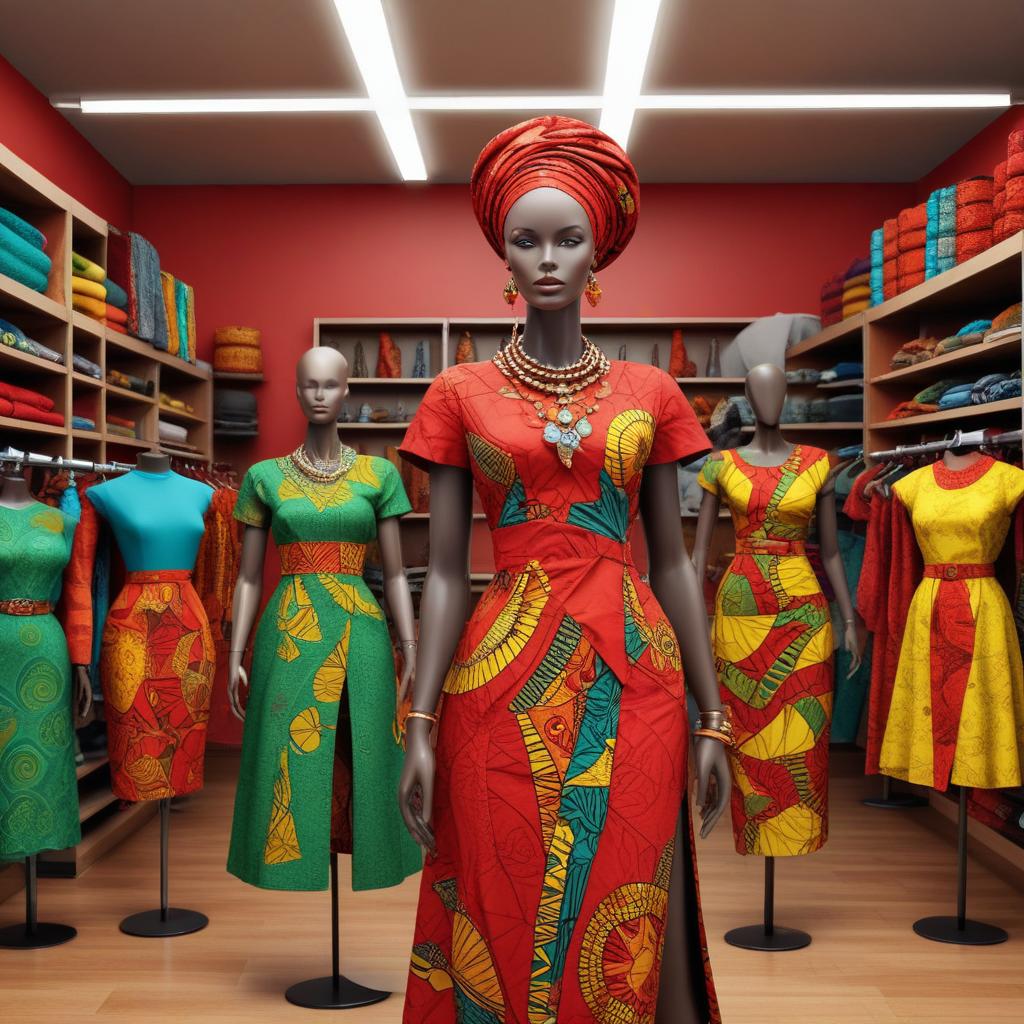
Overview of African Fashion Industry
The African fashion sector has undergone significant growth and evolution in the last ten years, establishing itself as a vibrant and impactful player in the global arena. With a stunning array of colours, patterns, and cultural legacies, the evolution of fashion in Africa is not just reshaping style but also pushing back against conventional fashion standards around the world. This lively industry showcases the continent’s rich diversity, blending modern trends with traditional artistry to produce distinctive and captivating creations.
At the heart of this transformation is the rise of African designers, who are achieving remarkable progress in the international market. Their originality and inventiveness have attracted global interest, introducing African design elements into prominent fashion hubs like Paris, Milan, and New York. This increased exposure has spurred the expansion of the African designers market, fostering partnerships with well-known global brands and enhancing export prospects. Consequently, African fashion is being increasingly recognised at fashion weeks, trade exhibitions, and online platforms worldwide.
Additionally, investment in infrastructure, technology, and education has played a significant role in the sector’s thriving condition. Fashion centres throughout Africa, including Lagos, Johannesburg, Nairobi, and Dakar, are fostering new talent and offering platforms for designers to present their creations. The rise of e-commerce and social media has further propelled the industry’s growth, allowing designers to connect with global audiences directly and cultivate dedicated followings outside the continent.
The African fashion sector is increasingly playing a crucial role in local economies by generating employment and fostering entrepreneurship. With rising consumer demand at home and abroad, there are expanding prospects for designers, artisans, and manufacturers. This beneficial economic effect highlights the necessity of backing and investing in African fashion, thereby securing its sustainability and competitiveness on the international stage.
In conclusion, the current African fashion industry is a lively and swiftly growing field that fuses cultural traditions with contemporary creativity. The continuous expansion of fashion across Africa and the rising prominence of African designers point towards a bright future. This sector not only enhances the continent’s artistic contributions but also transforms the international fashion story, ushering in a new phase of daring, genuine, and globally impactful African aesthetics.
Historical Context and Cultural Influence
African fashion history is intricately connected to the continent’s rich tapestry of cultures, traditions, and social frameworks. Well before the global fashion scene took notice, African communities created unique styles that embodied their identities and principles. Traditional African fabrics, including kente from Ghana, bogolanfini (mud cloth) from Mali, and shweshwe from Southern Africa, have served for centuries not just as clothing but also as expressions of status, ancestry, and communication. These textiles are frequently handcrafted with unique designs and bright colours, playing a vital role in the narratives of different ethnic groups.
The contemporary African fashion scene builds on this rich heritage, merging ancient techniques with modern innovation. Numerous designers look to their roots, weaving traditional patterns, fabrics and craftsmanship into present‑day collections. The aesthetic is heavily shaped by cultural rites, historic events and the natural surroundings, influencing material, colour and silhouette choices. Garments often act as a vehicle for expressing social identity, spirituality and communal values.
At its core, African fashion transcends mere aesthetics; it is a homage to heritage and culture. The dialogue between the past and the present manifests in contemporary designers’ ingenuity, who pay tribute to African sartorial history while venturing into new territory. This cultural continuity not only safeguards traditional art forms but also propels fashion into a central role within Africa’s cultural narrative worldwide.
Emerging Trends in African Fashion
African fashion trends are evolving rapidly, blending traditional motifs with innovative designs to create a dynamic and diverse style landscape. Modern African wear no longer adheres strictly to conventional patterns but embraces bold experimentation with fabrics, cuts, and colours. Designers are increasingly integrating contemporary African style elements, fusing indigenous textiles with global fashion influences to appeal to both local and international markets.
One major trend shaping the industry is the resurgence of sustainable fashion, with many designers employing eco-friendly materials and ethical production methods. This shift not only honours Africa’s rich natural heritage but also addresses global environmental concerns. Additionally, the reinterpretation of heritage prints through contemporary tailoring techniques has become a hallmark of modern African wear, offering fresh perspectives on cultural identity.
Technology is also playing a crucial role in the rise of African fashion trends. Designers are leveraging digital platforms for wider reach and collaboration, enabling an exchange of ideas that fuels the innovative spirit of contemporary African style. Streetwear continues to gain momentum, merging urban aesthetics with traditional influences, creating a versatile and youthful look that resonates with younger generations.
Overall, these emerging trends highlight a vibrant and forward-thinking industry where African fashion designers confidently redefine what it means to wear modern African garments. Their work not only preserves cultural legacies but also sets the stage for the future of fashion on a global scale.
#7 Notable and Rising African Fashion Designers to Follow in 2024

As the influence of popular African fashion continues to expand globally, several top African designers and emerging African stylists are making significant waves in 2024. These creatives are redefining style with innovative techniques, cultural storytelling, and sustainable practices. Below is a curated table highlighting some of the most notable and rising African fashion designers worth watching this year.
| Designer | Country | Signature Style | Why to Watch in 2024 |
|---|---|---|---|
| Lisa Folawiyo | Nigeria | Vibrant Ankara prints with modern tailoring | Lisa continues to blend tradition with contemporary fashion, gaining international acclaim and expanding her global retail presence. |
| Maxhosa by Laduma | South Africa | Knitted garments inspired by Xhosa beadwork and patterns | Laduma’s unique take on knitwear is attracting global interest, making him one of the top African designers redefining luxury knitwear. |
| Christie Brown | Ghana | Bold prints with strong Afro-feminine narratives | Christie Brown’s innovative designs celebrate African heritage and are rapidly gaining recognition on international runways. |
| Maki Oh | Nigeria | Hand-dyed textiles and intricate craftsmanship | Known for her sustainable methods and storytelling through fashion, Maki Oh is a rising star in emerging African stylists to watch. |
| Orange Culture | Nigeria | Gender-fluid designs blending streetwear with tradition | As a pioneer of gender-neutral African fashion, Orange Culture has become synonymous with fresh, bold statements in 2024. |
| Imane Ayissi | Cameroon | Haute couture infused with African aesthetics | Imane’s work elevates African fashion to couture standards, making him a notable figure among the top African designers globally. |
| Thebe Magugu | South Africa | Minimalist designs with African cultural references | Winner of international fashion awards, Thebe Magugu continues to be a leading voice in emerging African stylists with a fresh vision. |
Following these designers offers insight into the dynamic sphere of popular African fashion as it evolves in 2024. Their unique contributions ensure African fashion remains a vibrant and influential force in the global market.
Laduma Ngxokolo
Laduma Ngxokolo is a pioneering South African fashion designer renowned for his unique approach to knitwear. As the creative force behind the acclaimed brand Maxhosa by Laduma, he has transformed traditional South African patterns into contemporary luxury knitwear. Ngxokolo’s work beautifully celebrates Xhosa culture, drawing inspiration from indigenous beadwork and weaving techniques to craft garments that are both culturally significant and fashion-forward.
Since launching Maxhosa by Laduma, the brand has gained international recognition, showcasing the possibilities of South African knitwear on a global stage. Laduma Ngxokolo’s designs are characterised by bold geometric patterns and striking colour combinations, which reflect the rich heritage and storytelling traditions of the Xhosa people. His innovative use of knitting as an art form challenges conventional fashion norms and elevates South African craftsmanship.
Ngxokolo’s impact extends beyond aesthetics; he has championed cultural pride through his work, providing a platform for African identity in contemporary fashion. Maxhosa by Laduma has also empowered local artisans and created sustainable opportunities within South African communities. Laduma Ngxokolo remains an influential figure in the fashion industry, continually pushing boundaries while honouring his roots through exceptional South African knitwear.
Lisa Folawiyo
Lisa Folawiyo is a trailblazer in Nigerian fashion, renowned for her exquisite ability to transform traditional Nigerian fabrics into the epitome of luxury African fashion. Her distinctive style masterfully blends heritage with contemporary design, breathing new life into indigenous textiles such as Ankara and Aso Oke. By skillfully incorporating these vibrant fabrics into modern, tailored silhouettes, Lisa Folawiyo elevates Nigerian fashion onto a global luxury platform.
Folawiyo’s approach is deeply rooted in respect for tradition, yet it is infused with fresh creativity. She embellishes her pieces with intricate beading and hand embroidery, techniques that highlight the rich textures and patterns of the fabrics. This meticulous attention to detail not only emphasises the craftsmanship behind each garment but also creates a luxe aesthetic that appeals to discerning fashion enthusiasts worldwide.
As a pioneer of luxury African fashion, Lisa Folawiyo has gained international recognition for redefining the potential of Nigerian textiles. Her collections exemplify how indigenous materials can be reimagined to meet contemporary luxury standards without losing their cultural significance. Through her innovative use of traditional fabrics, Lisa Folawiyo sets a powerful example of how Nigerian fashion continues to thrive and inspire within the global luxury market.
Ozwald Boateng
Ozwald Boateng is a pioneering British African designer renowned for revolutionising modern African tailoring. His unique approach blends traditional Savile Row techniques with vibrant African aesthetics, creating a fresh, sophisticated take on menswear that has captured international acclaim. As a trailblazer in contemporary fashion, Boateng’s work showcases how heritage and modernity can intersect seamlessly.
Boateng’s influence on tailoring is profound, as he champions sharp, well-structured designs that flatter the male form while incorporating bold colours and distinctive fabrics often inspired by African culture. His commitment to craftsmanship and innovation has pushed the boundaries of British tailoring, making him a significant figure in both the African diaspora and global fashion communities.
Through his label, Ozwald Boateng has elevated modern African menswear to new heights, inspiring countless designers and enthusiasts alike. His collections challenge traditional notions of menswear by embracing diversity and showcasing the richness of African heritage in a contemporary context. Consequently, he has become a key figure representing British African design on the world stage.
In summary, Ozwald Boateng’s visionary approach bridges the gap between classic tailoring and modern African influence, reshaping the narrative around menswear and solidifying his status as a leading force in global fashion. His legacy continues to inspire innovation and pride within the British African designer community.
Impact of Popular Designers on Global Fashion

African designers global impact is increasingly evident across the international fashion Africa scene. Leading designers from the continent have transcended local markets to establish themselves as influential players on the world stage, reshaping how the fashion industry perceives and integrates African aesthetics. Their influence extends beyond mere incorporation of traditional motifs; it speaks to a broader reinterpretation and celebration of African culture through innovative design, craftsmanship, and storytelling.
The fashion industry influence of these designers manifests in several key ways. Firstly, they bring fresh perspectives and unique narratives that enrich global fashion trends, inspiring designers and consumers worldwide. Names such as Ozwald Boateng, Lisa Folawiyo, and Laduma Ngxokolo have introduced bold colours, intricate patterns, and sustainable practices rooted in African artisanal traditions. By successfully blending heritage with contemporary fashion sensibilities, they challenge the homogenised norms prevalent in the global market, fostering a more diverse and inclusive fashion dialogue.
Moreover, the international fashion Africa phenomenon has encouraged greater collaboration and exchange between African designers and international fashion capitals such as Paris, London, and New York. High-profile runway shows, fashion weeks dedicated to African design, and global retail partnerships have provided these designers with platforms to showcase their talent. This visibility has not only elevated their brands but also broadened the appeal of African fashion, creating demand that influences purchasing trends worldwide.
Another dimension of their influence is the economic and social impact within Africa itself. As these designers gain traction globally, they contribute to the growth of local fashion industries, generate employment, and promote sustainable production methods. This positive feedback loop underscores the broader significance of their global impact, positioning African fashion as a vital contributor to the international fashion ecosystem.
In conclusion, the global impact of African designers reflects a dynamic shift in the fashion industry’s landscape. By boldly asserting their cultural identity, leading African designers are not only influencing global fashion trends but redefining the narrative around African creativity and style. Their role in promoting innovation and diversity ensures that international fashion Africa remains a powerful and evolving influence within the global market.
Collaborations with International Brands
African fashion collaborations have increasingly captured the attention of the global market, with many designers forging groundbreaking partnerships with renowned international brands. These designer partnerships are redefining the perception of African style, merging traditional aesthetics with contemporary global fashion trends. By working alongside established fashion houses, African designers are gaining broader exposure while influencing international runways with distinct cultural narratives and craftsmanship.
One notable example is the collaboration between Nigerian designer Laduma Ngxokolo and global sportswear giants, where his unique knitwear and patterns inspired modern athletic collections. Such projects highlight how global brand collaborations provide a platform for African creativity to shine on the world stage. Moreover, these alliances have facilitated opportunities for resource sharing, innovation, and sustainable practices, which benefit both the designers and their international partners.
Furthermore, collaborations have expanded beyond clothing to include accessories and footwear, exemplified by designers like Laurenceairline partnering with luxury brands to produce limited-edition items that celebrate African heritage. These collaborative efforts not only elevate African fashion designers’ profiles but also foster cross-cultural dialogue, encouraging a blend of ideas that resonate globally. As a result, African fashion collaborations continue to be pivotal in shaping the future of the fashion industry, championing diversity and creativity on a truly global scale.
Cultural Representation and Diversity
African designers play a pivotal role in advancing cultural representation in fashion, fostering an inclusive fashion industry that celebrates the continent’s rich heritage. By seamlessly blending traditional motifs, textiles, and craftsmanship with contemporary design, these creators highlight the immense fashion diversity Africa offers to the global market. Their work not only preserves ancestral narratives but also challenges conventional beauty standards and norms within the wider industry.
Through their collections, African fashion designers embrace and showcase a variety of ethnic identities, languages, and histories, ensuring that each garment is a testament to cultural pride and heritage. This representation broadens the conversation about what fashion can convey, emphasising stories that have historically been underrepresented or misinterpreted. Their commitment to authentic cultural expression strengthens social cohesion and elevates the creative voices of communities across Africa.
Moreover, fostering fashion diversity Africa is crucial in creating an industry that values inclusivity and recognises the importance of multiple perspectives. African designers actively challenge homogeneous fashion narratives by putting diversity at the forefront, encouraging other sectors and brands globally to rethink their approach to design and marketing. As a result, the inclusive fashion industry they pioneer not only enriches global fashion but also sets a powerful example of how culture and creativity can drive positive change.

I’m fascinated by the vibrant intersection of contemporary fashion and traditional African craftsmanship. I spend my free time exploring markets, learning about textile techniques, and sharing the stories behind each piece with our readers.