
Historical Context of African Crafts in Fashion
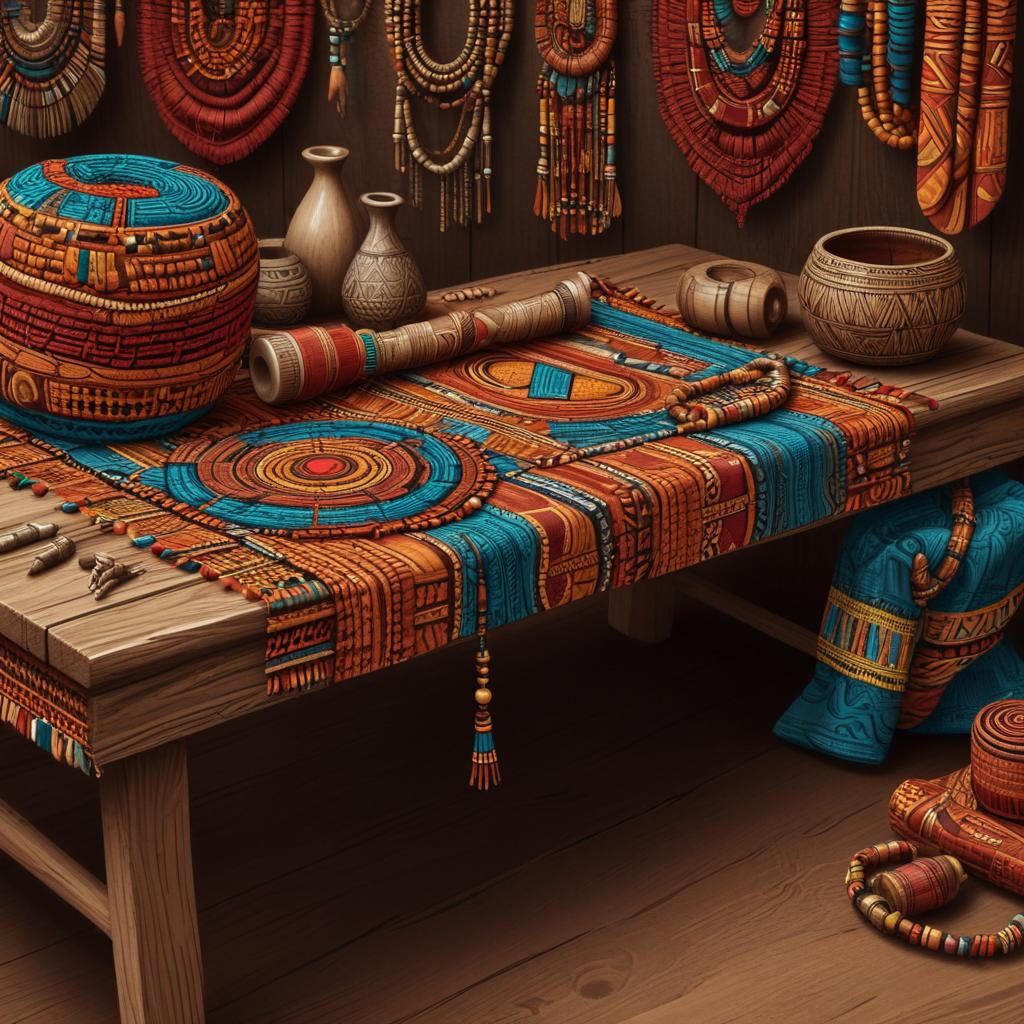
The heritage of African crafts highlights the continent’s rich cultural traditions and artistic abilities. For centuries, traditional African textiles and artisanal products have played a vital role in daily life and significant rituals. These crafts, created using age-old techniques passed down through generations, have laid the groundwork for many contemporary fashion trends. The influence of African art is evident not only in clothing but also in accessories and design principles globally.
Traditional African textiles, such as kente cloth from Ghana, mudcloth from Mali, and indigo-dyed fabrics from West Africa, hold more than just decorative value. They carry profound meanings, symbolising identity, status, and cultural heritage. The elaborate techniques of weaving, dyeing, and embroidering these textiles showcase exceptional craftsmanship and a deep connection to the cultural legacies of various African communities. These methods have been instrumental in shaping the work of visual language of modern fashion designers who seek authenticity and cultural richness in their designs.
In addition to textiles, the influence of African art can be seen in the use of natural materials such as beads, shells, and leather, which are frequently employed in making jewellery and accessories. The intricate beadwork of the Maasai, the bold geometric patterns found in Ndebele art, and the significant symbols etched into wooden items demonstrate how traditional crafts express stories, values, and beliefs concerning the cosmos. Modern fashion has embraced these elements by incorporating similar patterns, hues, and textures, thus enhancing garments with a deeper cultural significance.
The techniques used in African crafts—such as hand-weaving, batik, and appliqué—have had a significant impact on contemporary textile innovation and sustainable fashion practices. Today’s designers often incorporate these age-old methods to create unique collections that celebrate cultural heritage while pushing the boundaries of creativity. This link between past and present practices acknowledges the rich legacy of African crafts and ensures that these traditional skills are appreciated and acknowledged worldwide.
In summary, the impact of traditional African textiles and crafts on modern fashion underscores the significance of cultural preservation and artistic diversity. As the global fashion landscape evolves, the enduring legacy of African artistic influence serves as a powerful reminder of how history shapes style, offering rich textures, vivid colours, and meaningful narratives that resonate with audiences around the globe.
Traditional Materials and Techniques
African textiles are renowned worldwide for their vibrant colours, intricate patterns, and significant cultural relevance. Prominent traditional materials encompass kente, mud cloth, and beadwork, each showcasing unique craftsmanship and artisanal techniques passed down through generations. Kente, originating from Ghana, is notable for its brightly coloured silk and cotton fabrics, carefully woven on looms with precision. The entire process is done by hand, involving skilled artisans who create complex geometric designs that often carry symbolic meanings tied to history, philosophy, and community values.
Mud cloth, referred to as bogolanfini, originates from Mali and is a celebrated African textile produced using a careful dyeing process. Artisans manually apply fermented mud onto the fabric, creating striking black and white patterns that tell stories or represent local proverbs. This craft demands not only patience but also a profound knowledge of natural materials, preserving a cherished tradition that still influences modern fashion trends.
Beadwork is of great significance in African art, with different communities using beads not only for decoration but also as representations of their culture. The Maasai from Kenya and Tanzania are famous for their intricate handmade bead jewellery, which features thousands of tiny beads skillfully arranged to form colourful necklaces, bracelets, and headdresses. These pieces are carefully crafted using traditional techniques handed down through the ages, reflecting the artistry and cultural heritage embedded in every creation.
Collectively, these resources and approaches highlight the dedication to craftsmanship found in African communities. They act as a wellspring of motivation for contemporary designers, who incorporate the authentic essence and inventiveness of traditional methods into current fashion, creating pieces that celebrate cultural identity while expanding the limits of style.
Cultural Significance of African Designs
African symbols featured in traditional crafts carry deep cultural importance that goes beyond mere aesthetic charm. These designs often tell stories of heritage, spirituality, and community principles, highlighting the dynamic artistic traditions of various African societies. The motifs found in textiles, beadwork, and carvings are purposeful; each symbol imparts knowledge about identity, values, or historical accounts. For instance, the Adinkra symbols originating from Ghana are renowned for their ability to convey proverbs and ethical principles, enriching the fabric with depth and cultural significance.
Modern fashion has gradually drawn inspiration from these iconic motifs, incorporating them into contemporary narratives that celebrate African heritage. Designers utilise African symbols to create garments that are visually striking and deeply meaningful, allowing wearers to express a connection to their cultural roots while engaging with global fashion trends. This fusion of design heritage into mainstream fashion not only honours African creativity but also educates wider audiences about the stories and values that these symbols represent.
Incorporating African symbols into fashion empowers designers to restore and protect cultural identity in a dynamic and forward-thinking way. The cultural meaning woven into these creations informs fashion narratives by emphasising the importance of heritage, community, and resilience. This method turns African craftsmanship into an ongoing dialogue between the past and the present, enriching modern fashion with profound symbolism and true authenticity.
Modern Fashion Trends Inspired by African Crafts
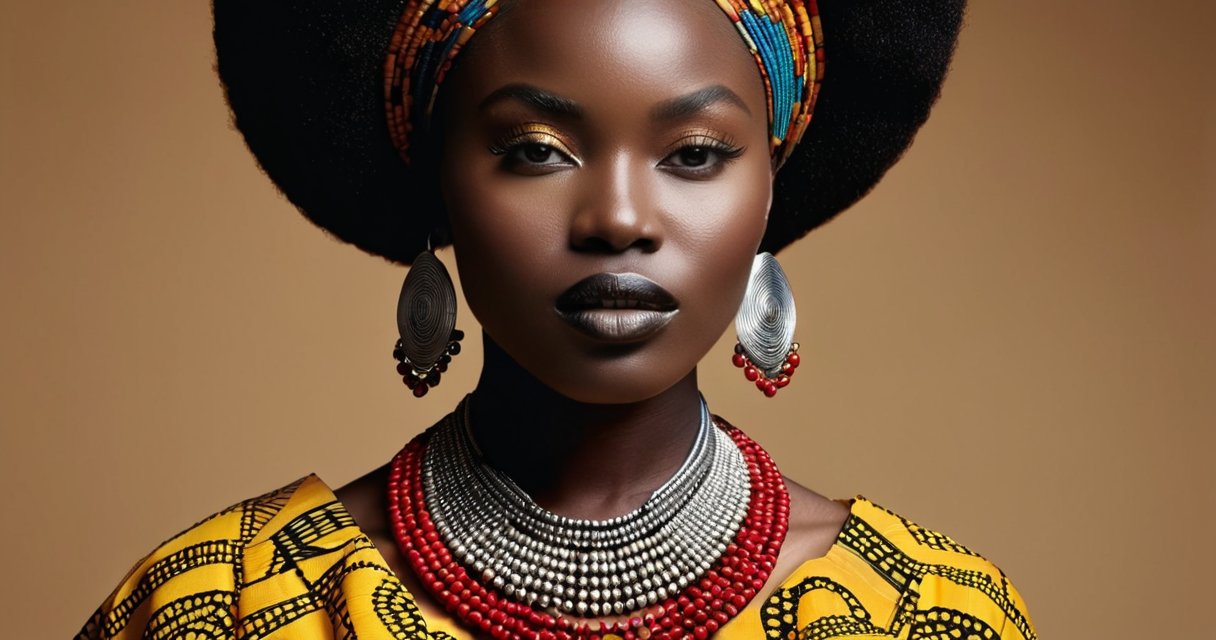
Contemporary African fashion has seen a notable increase in global recognition, primarily driven by the lively influence of traditional African artistry. Designers worldwide are increasingly weaving African-inspired patterns into modern fashion trends, celebrating cultural heritage while resonating with contemporary shoppers. The rich textures, intricate designs, and bold colours characteristic of African crafts have become essential elements in many contemporary fashion collections, forging a unique fusion of tradition and modernity.
A notable trend is the integration of traditional African textiles such as Ankara, Kente, and Bogolanfini into luxury fashion. Celebrated for their vibrant patterns and rich meanings, these fabrics provide an ideal foundation for designers looking to create pieces that tell stories beyond surface aesthetics. Modern African fashion employs these textiles not only for items like dresses and suits but also for accessories and footwear, promoting a broader incorporation of African-inspired design into both everyday wear and high-end products.
The growing appreciation for sustainable and artisanal craftsmanship in the worldwide fashion industry has greatly amplified the influence of African crafts. Many designers are collaborating directly with African artisans to incorporate hand-made fabrics, beadwork, and traditional embroidery methods into their collections. This approach not only ensures authenticity but also highlights the artistry and cultural significance embedded in these designs, appealing to consumers who desire meaningful and ethically sourced fashion.
Fashion trends today highlight a resurgence of silhouettes inspired by traditional African clothing, such as the Agbada, Dashiki, and Kaftan, which are being innovatively reinterpreted with contemporary cuts and fabrics. The fusion of these enduring styles with modern tailoring demonstrates the ongoing impact of African-inspired design on the global fashion narrative. This combination has been notably showcased in runway shows from key fashion capitals like Paris, New York, and London, where modern African fashion is celebrated for its distinctive and creative attributes.
The influence of African crafts on modern fashion trends highlights the continent’s dynamic cultural expression and its ability to inspire creativity worldwide. Designers who incorporate these elements into their creations contribute to a more inclusive and diverse fashion landscape, where African-inspired designs are not only honoured but also intricately integrated into the evolution of style in the 21st century.
Use of African Patterns in Contemporary Clothing
Contemporary fashion brands are increasingly drawing inspiration from traditional African aesthetics, weaving rich cultural narratives into their fabric designs. These African motifs, celebrated for their bright colours, geometric shapes, and significant symbols, offer a unique aesthetic that is embraced on global catwalks as well as in everyday ready-to-wear collections. Designers utilise these distinctive elements to create apparel that pays tribute to cultural heritage while appealing to modern sensibilities.
Many brands incorporate African designs to enrich texture and storytelling in their products, often collaborating with African artisans to ensure authenticity and maintain cultural significance. This partnership elevates contemporary fashion by blending traditional craftsmanship with current techniques, resulting in collections that are both visually striking and meaningful. The intricate details found in African textile design are elegantly showcased in dresses, jackets, and accessories, allowing wearers to convey cultural appreciation through their clothing.
From eye-catching Ankara prints to understated mud cloth designs, these patterns are woven into various contemporary clothing styles, manifesting in everything from casual streetwear to luxury fashion. By incorporating African motifs, fashion brands not only broaden their creative horizons but also showcase the continent’s rich artistic heritage. This fusion of traditional and modern elements continues to drive the progression of textile design, underscoring the enduring influence of African culture on the global fashion landscape.
Collaborations Between African Artisans and Designers
Partnerships between designers and African artisans have become a notable force in modern fashion, cultivating vibrant collaborations that respect various cultural heritages while promoting sustainability. These cooperative ventures merge traditional African craftsmanship with contemporary design principles, resulting in unique, ethically produced collections that resonate worldwide.
| Collaboration | African Artisan Community | Designer/Brand | Focus | Impact |
|---|---|---|---|---|
| Okapi Project | Congolese basket weavers | Okapi Project Studio | Handwoven accessories blending traditional patterns with modern styles | Empowers artisans through fair wages and skill-sharing |
| Maasai x Louis Vuitton | Maasai beadworkers, Kenya & Tanzania | Louis Vuitton | Incorporation of intricate beadwork into luxury handbags | Raises awareness of Maasai culture; supports community projects |
| Studio 189 & Stella McCartney | Ghanaian textile artisans | Stella McCartney | Eco-friendly fashion using African handwoven fabrics | Promotes sustainable production and cultural appreciation |
| Soko & Urban Outfitters | Kenyan jewellery makers | Urban Outfitters | Modern jewellery collections inspired by African designs | Supports fair-trade practices and women’s economic empowerment |
These fashion partnerships demonstrate how the cooperation between African artisans and designers enriches international fashion, fostering cultural appreciation and sustainable development. By combining authentic craftsmanship with innovative design, these projects offer benefits for both the creators and the consumers engaged.
Impact of African Crafts on Sustainability and Ethical Fashion
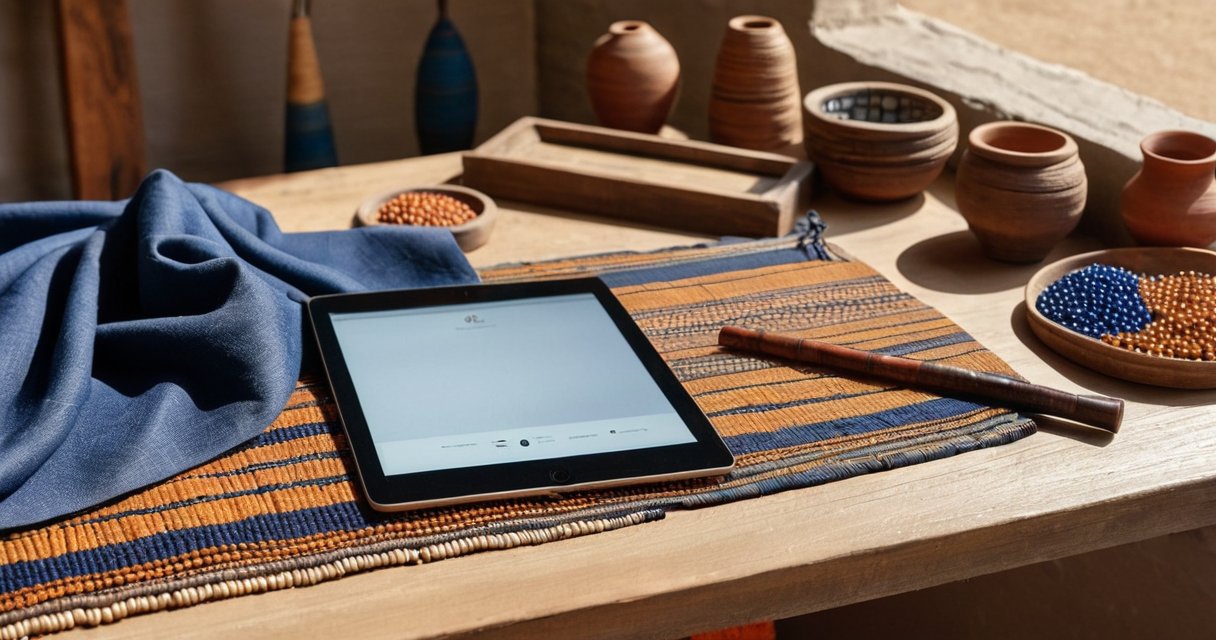
African crafts are gaining recognition as a crucial component in the advancement of sustainable and ethical fashion practices worldwide. At the heart of this influence lies a deep-rooted tradition of using natural, locally sourced materials, which inherently supports the principles of sustainability. The craftsmanship evident in African textiles, beadwork, and diverse artisanal products often employs techniques passed down through generations, ensuring minimal waste and environmental impact while emphasising quality over mass production.
The impact of African artistry on sustainable fashion is clear. A growing number of designers and brands are partnering with artisans from various African communities, integrating their unique methods and materials into contemporary fashion lines. This partnership not only preserves traditional crafts but also promotes a circular economy, where products are designed to be long-lasting and biodegradable, thus reducing reliance on synthetic fabrics and toxic chemicals commonly found in the global fashion industry.
Additionally, ethical fashion thrives on transparency and respect for the people engaged in the production process, two principles that are firmly embedded in African craft traditions. Artisan craftsmanship typically focuses on community, with equitable compensation and safe working conditions being fundamental to their methods. This approach sharply contrasts with the exploitative practices commonly found in fast fashion, where profit frequently overshadows human rights and environmental concerns. By nurturing authentic collaborations, African crafts strengthen local economies, offering sustainable income prospects for communities while promoting social equity.
A vital component of African crafts that supports the ethical fashion movement is the deep cultural significance of the artistry. By incorporating African elements, fashion brands are not just displaying but also celebrating the stories, identities, and histories that merit recognition and respect. This cultural consciousness fosters a more responsible fashion environment, encouraging consumers to make considerate choices that honour heritage and advocate for sustainability.
In conclusion, the impact of African artistry on sustainable and ethical fashion is groundbreaking. By integrating eco-friendly practices, valuing artisans, and embracing cultural authenticity, African crafts challenge the conventional norms of the fashion industry. As more designers adopt these values, sustainable and ethical fashion will continue to grow, promoting a global framework that equally benefits people, the planet, and cultural heritage.
Promoting Handcrafted and Eco-friendly Fashion
Artisanal fashion originating from Africa plays a vital role in advancing eco-friendly textiles and sustainable craftsmanship, fostering a more ethical and responsible view of modern fashion. African artisans have long been renowned for their ability to create intricate, handmade products that highlight natural materials and traditional techniques, thereby reducing reliance on mass-produced, synthetic fabrics.
The emphasis on handcrafted fashion leads to garments being produced in small batches, minimising the waste and overproduction typically linked with fast fashion. In addition, many artisans across Africa use locally obtained, biodegradable resources such as cotton, raffia, and natural dyes derived from plants, which significantly lessen the environmental footprint compared to chemical-driven textile production methods.
Sustainable crafts are vital for preserving cultural heritage and encouraging the use of eco-friendly textiles that produce a reduced carbon footprint. By choosing handmade African fashion products, individuals contribute to a circular economy where materials are reused, and artisans are motivated to uphold environmentally responsible methods.
The growing global appreciation for African artisanal fashion promotes sustainable consumption practices and inspires designers worldwide to incorporate eco-friendly textiles into their collections. This movement highlights the notion that fashion can be both visually appealing and ethically responsible, illustrating that supporting sustainable craftsmanship is crucial for reducing environmental impact and fostering a more sustainable future.
Empowering Local Communities Through Fashion
Fashion brands that collaborate with African artisans play a vital role in uplifting communities by creating sustainable economic opportunities in local regions. These partnerships ensure that artisans receive equitable compensation for their skills and hard work, promoting fair trade practices that protect the rights and welfare of the participants. By sourcing materials locally and honouring traditional techniques, these labels not only preserve cultural heritage but also aid in building lasting economic resilience within communities.
These partnerships generate income streams that allow artisans to improve their quality of life and invest in education, healthcare, and infrastructure for their families and communities. This direct support fosters entrepreneurship and skill development, encouraging an ongoing cycle of growth and self-sufficiency. Furthermore, by elevating the visibility of African crafts within the global fashion industry, these collaborations challenge stereotypes and showcase the richness of African culture and creativity.
The empowerment of communities through fashion is significantly enhanced by transparency and ethical supply chains. Brands that adhere to fair trade principles work closely with artisans to ensure equitable working conditions and recognise their creative input. This approach builds trust and long-lasting relationships, enabling artisans to achieve better terms and gain recognition for their skills on international platforms. Ultimately, the collaboration between fashion brands and African artisans exemplifies a powerful model for social and economic change, demonstrating how respect for tradition and innovation can seamlessly blend to uplift communities.

I’m fascinated by the vibrant intersection of contemporary fashion and traditional African craftsmanship. I spend my free time exploring markets, learning about textile techniques, and sharing the stories behind each piece with our readers.