
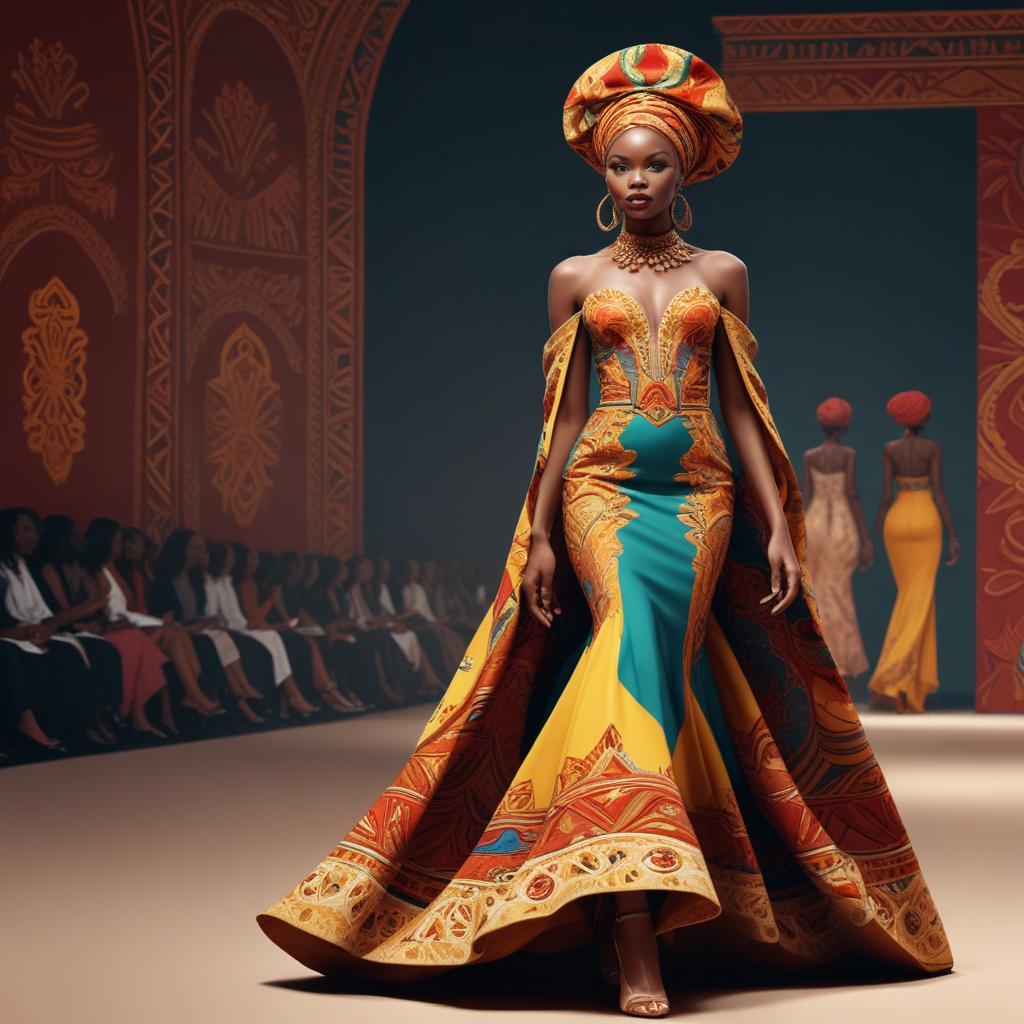
The Rise of African Fashion on the Global Stage
African fashion has firmly carved out a dominant and respected role within the international fashion sphere. Once sidelined from conventional industry conversations, it has now become a widely celebrated and sought-after force worldwide. The surge in global acclaim reflects a blend of rich cultural heritage, groundbreaking talent, and a burgeoning appetite for authentic, original fashion trends that resonate across borders.
A pivotal moment that propelled the ascent of African fashion was the growing involvement of African designers at significant fashion weeks worldwide. Events such as Lagos Fashion Week, Dakar Fashion Week, and South African Fashion Week have attracted global attention, acting as venues for presenting genuine African styles combined with contemporary trends. This has enabled designers to engage a wider audience and interact with international fashion professionals, buyers, and media.
The transformation of the global fashion sector towards inclusivity and diversity has notably contributed to the elevation of African fashion. Both consumers and brands are on the lookout for new viewpoints and stories that contest the traditional supremacy of Western fashion. African designers are recognised for their vibrant fabrics, detailed artistry, and the narratives woven into their garments — elements that are increasingly welcomed and integrated into global fashion lines.
Collaborations between African designers and leading global brands are reshaping the industry’s landscape, offering a vital platform for local creativity. Through joint ventures with high-end fashion labels and major retailers, African artisans gain exposure, with their collections now gracing international runways and high-street outlets. Beyond boosting visibility, these partnerships are fostering a broader narrative shift, ensuring African voices and cultural influences take centre stage in the global fashion conversation.
The rise of digital platforms and social media has transformed how African fashion reaches global audiences, amplifying its cultural resonance. Through these channels, creators—whether designers, models, or influencers—can bypass traditional industry gatekeepers and engage directly with worldwide buyers. Visual-centric networks such as Instagram and TikTok have become vital in showcasing African fashion’s dynamism, ensuring its distinctive styles and narratives are accessible to a diverse, culture-hungry audience.
To sum up, the rise of African fashion as a notable influence in the global fashion sector highlights the continent’s abundant creativity and strength. By honouring its traditions and adopting modern advancements, African fashion persistently forges new paths and transforms the worldwide fashion scene. This sustained momentum indicates a thrilling future where African fashion will continue to be an essential and esteemed component of the international industry.
Historical influences shaping African fashion
African fashion is firmly anchored in a vibrant blend of historical influences that have crafted its uniqueness across the ages. The continent’s varied cultural legacy is evident in the distinctive designs, motifs, and methods that characterise its fabrics and attire. From the elaborate weaving traditions of the Ashanti community in Ghana to the lively beadwork of the Maasai in Kenya, these features narrate the tales of long-gone empires, societal frameworks, and spiritual convictions.
African textiles such as handwoven or hand-dyed Kente cloth, Adire, Ankara, and Bogolanfini (mud cloth) carry deep cultural weight, rooted in centuries of tradition. Woven from locally sourced natural fibres, these fabrics were more than mere garments—they embodied heritage, communal belonging, and social standing. Take Kente, for example, whose bold patterns and vivid colours were reserved for nobility and ceremonial occasions, illustrating how textile artistry intertwined with hierarchy and festive celebration.
Africa’s rich cultural legacy has given rise to a fashion aesthetic deeply rooted in narrative and symbolic meaning. The intricate designs woven into traditional garments often encapsulate timeless proverbs, pivotal historical moments, or profound spiritual concepts, turning fabric into a canvas for cultural dialogue. This enduring connection to heritage sets African fashion apart worldwide, offering far more than aesthetic appeal—it preserves ancestral narratives and upholds the wisdom of generations, embedding stories into every stitch.
Impact of African designers and brands
African designers and fashion labels are progressively establishing themselves as significant contributors to the global fashion landscape, altering perceptions and presenting fresh creative viewpoints. Designers like Ozwald Boateng from Ghana, who transformed modern menswear with his dynamic tailoring, and Nigeria’s Lisa Folawiyo, celebrated for her detailed embellishments and inventive fabric applications, have gained worldwide recognition. These pioneers not only showcase Africa’s rich cultural legacy but also elevate contemporary aesthetics, connecting the divide between tradition and modernity.
Fashion labels such as Maki Oh, established by Amaka Osakwe, and Maxhosa by Laduma, highlight distinctive African artistry and narratives that connect with audiences worldwide. Their ranges frequently feature traditional methods, fabrics, and designs, enhancing the fashion industry’s recognition of the richness and variety of African innovation. This blend of genuine cultural essence plays a crucial role in the worldwide impact of African creators, challenging conventions and sparking fresh trends overseas.
African designers and brands’s influence stretches far deeper than just clothing, reshaping conversations about eco-conscious design, fair labour practices, and the rich tapestry of cultural legacy within modern fashion. By championing innovation and authenticity, they’ve opened doors for emerging voices across the continent, enriching the industry with diverse narratives and fresh talent. This movement has cemented Africa’s reputation as a dynamic force in global style, captivating worldwide attention and elevating its status as a vital, respected cornerstone of the international fashion scene.
Distinctive Elements of African Fashion
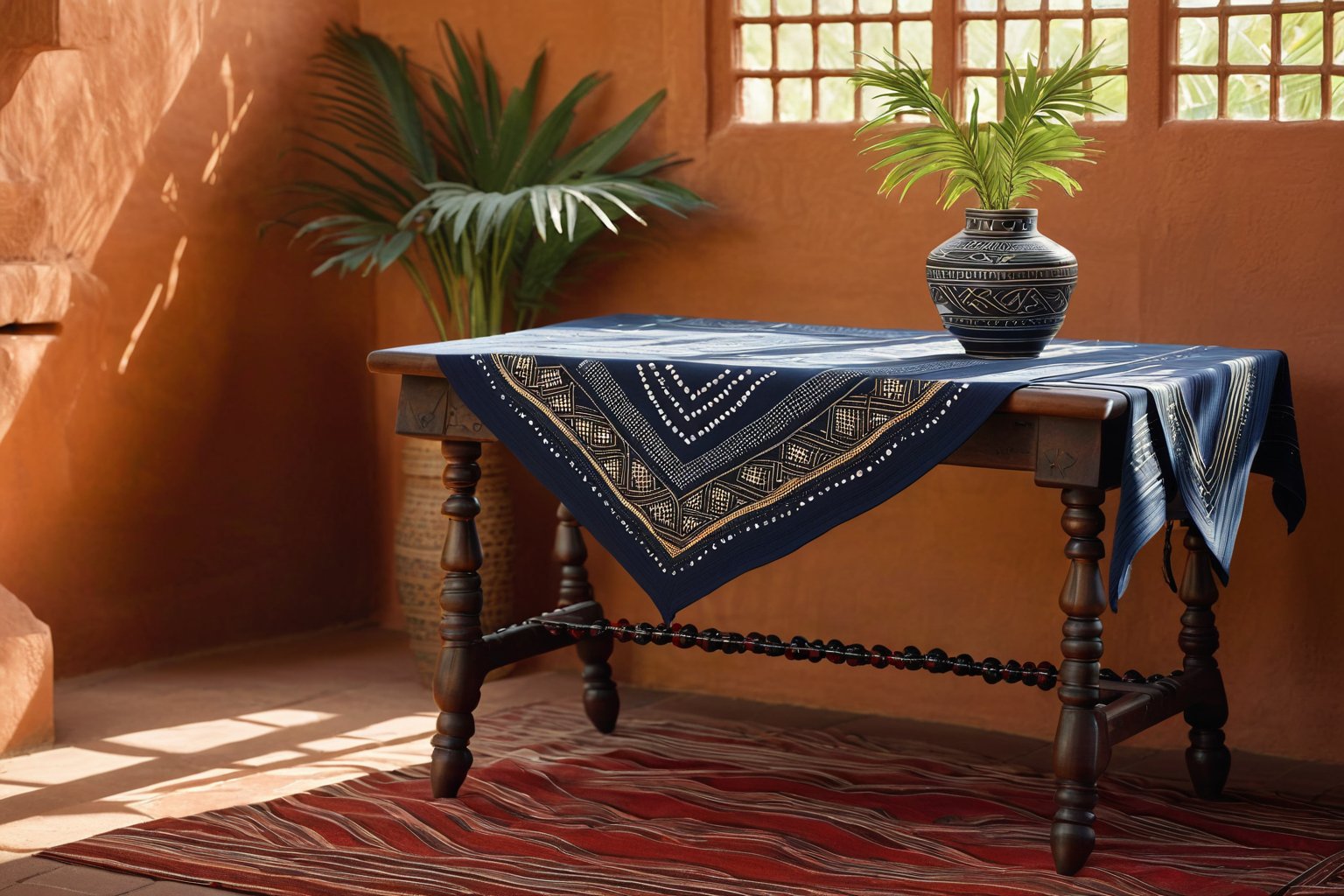
African fashion has taken the global stage, celebrated for its rich fusion of tradition, cultural identity, and expert artistry. Central to its allure are African textiles, the cornerstones of countless creations and attire. Woven by hand with age-old techniques, these textiles carry vibrant legacies tied to specific regions and communities, each thread telling a story. Whether it’s the bold indigo tones of Nigerian Adire or the vivid wax prints synonymous with West Africa, every fabric weaves a narrative that enhances authenticity and depth in every piece.
African fashion shines particularly through its vibrant patterns и colours, where each motif carries layers of significance. Far from mere decoration, these patterns weave in social standing, cultural narratives, and regional lore, acting as visual storytelling. The bold, striking colour palettes amplify their presence, celebrating both the wearer’s identity and the continent’s rich legacy. Skilfully blending heritage with contemporary trends, the craftsmanship ensures these designs captivate a growing global audience.
A further crucial element is found in the elaborate artistry and fashion methods utilised in the making of African clothing items. Artisans and designers often implement techniques like hand-weaving, embroidery, beadwork, and appliqué to enhance the fabric and introduce texture. These meticulous processes not only highlight the expertise and commitment of African artisans but also infuse the garments with a tactile, handcrafted nature that sets them apart from mass-produced apparel.
The versatility of African textiles and their intricate patterns allows them to seamlessly integrate into cutting-edge design projects without compromising their cultural significance. Innovative creators adeptly blend classic symbols with modern silhouettes and construction techniques, crafting visionary ensembles that resonate worldwide. This harmonious blend of heritage and innovation highlights the dynamic spirit of African fashion, proving its ability to evolve while staying rooted in its authentic traditions.
In conclusion, the unique aspects of African fashion—its traditional fabrics, lively designs and hues, and complex fashion methods—play a crucial role in its increasing international acclaim. These features honour the wealth of African culture while highlighting the skill and inventiveness that persistently shape fashion trends globally.
Traditional textiles and fabric innovation
Traditional African fabrics like Ankara and Kente cloth carry deep cultural importance, conveying tales of heritage, identity, and community through their vivid patterns and hues. Ankara, famous for its striking, wax-printed designs, is highly esteemed throughout West Africa and beyond for its adaptability and expressive styles. Kente cloth, which hails from Ghana, is recognised for its elaborate woven patterns and symbolic interpretations, with each colour and shape signifying various values and historical stories. These textiles transcend mere fabric; they are vibrant representations of African history and craftsmanship.
In the past few years, advancements in fabric technology have been essential in integrating traditional textiles such as Ankara and Kente into modern fashion. Designers have adopted contemporary methods and eco-friendly practices to make these materials appealing to a worldwide market. Developments in fabric technology have improved durability, comfort, and colour retention, enabling these textiles to be incorporated into a broader variety of clothing and accessories. Additionally, the combination of traditional patterns with contemporary shapes has transformed the perception and usage of these fabrics, moving beyond traditional applications and sparking new, global trends.
This blend of tradition and modernity not only maintains the cultural spirit of Ankara and Kente fabric but also elevates African fashion in the global arena. By reinventing these classic textiles with a modern perspective, designers foster a vibrant exchange between history and today, enhancing international fashion with genuine African stories and artistry.
Symbolism behind patterns and colours
African fashion is profoundly intertwined with cultural symbolism, where the significance of patterns and colours is crucial to the narrative aspect of clothing. Each design featured in both traditional and modern African garments holds particular meanings associated with ancestry, social standing, and beliefs. For instance, geometric designs frequently embody ideas like unity, fertility, and safeguarding, whereas animal symbols may denote strength or wisdom. These designs serve more than an ornamental purpose; they convey history and principles, linking wearers to their cultural heritage.
The significance of colours in African fashion is equally deep in cultural symbolism. Lively, striking shades such as red frequently represent energy and life force, yet they may also signify sacrifice or caution, varying by the community. Yellow and gold typically signify prosperity, fertility, and spiritual cleanliness, whilst green relates to growth, renewal, and the earth. Blue may indicate tranquillity and balance, while black represents maturity, spirituality, and ties to ancestors. By skillfully blending these colours, designers express impactful messages that resonate within and outside African communities.
Grasping the cultural symbolism woven into African patterns and hues deepens the appreciation for the artistry and significant tales behind the fashion. This practice of incorporating cultural importance into design features has played a role in the increasing global acclaim of African fashion, as audiences worldwide admire not just its visual charm but also the rich narratives conveyed through fabric and colour.
Factors Driving Global Popularity of African Fashion
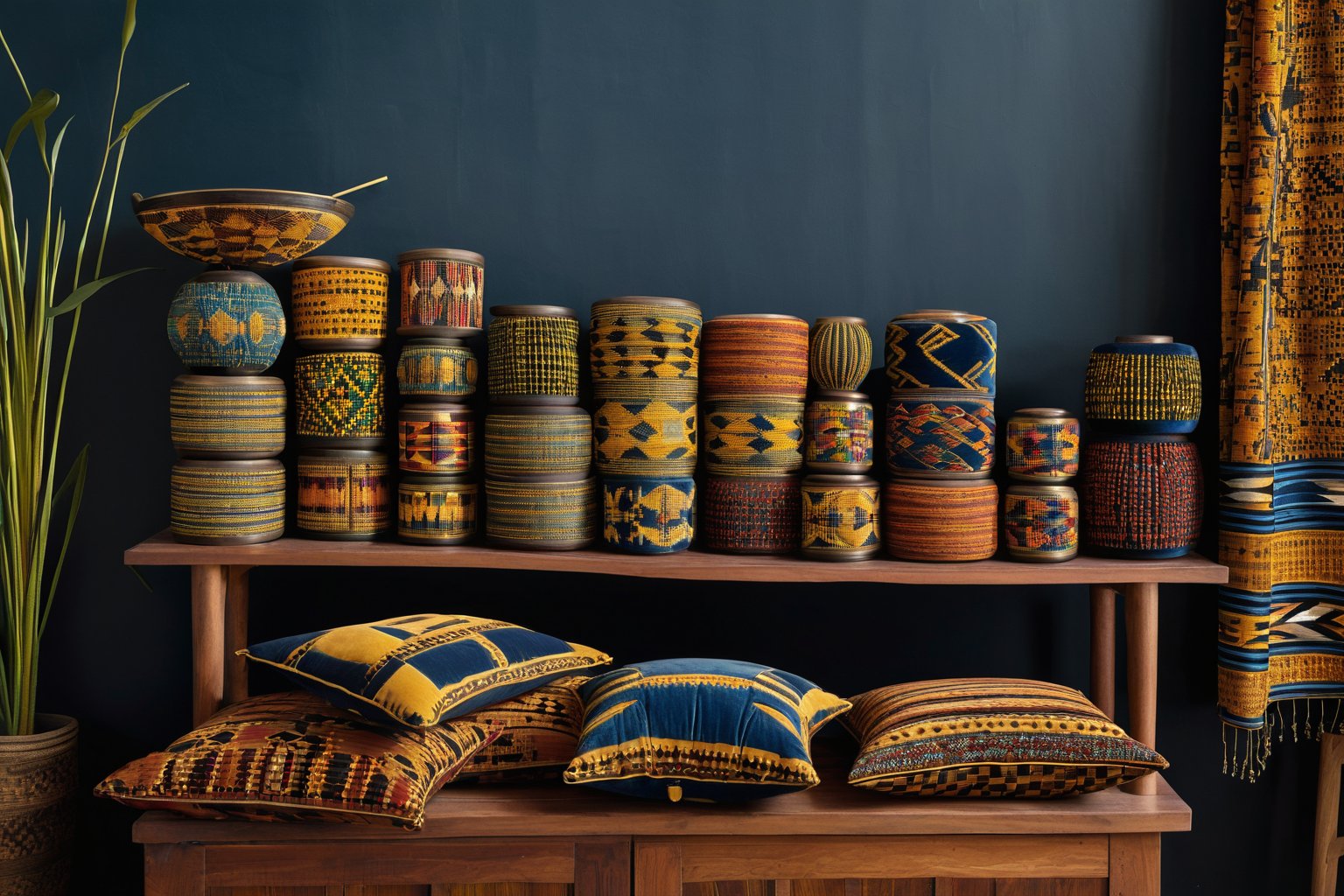
The worldwide ascent of African fashion can be linked to a number of crucial factors that have collectively enhanced its impact well beyond the continent. At the heart of this trend are global movements that increasingly value diversity and cultural representation, the significant influence of social media, and the rising support from celebrities across the globe. These components have merged to establish a strong foundation for the international presence of African fashion.
Digital media has transformed the way fashion is experienced and disseminated, and African fashion has embraced this change. Platforms such as Instagram, TikTok, and Twitter serve as vibrant arenas where designers and influencers display their unique and imaginative styles to a global audience in real-time. By utilising curated posts, live events, and viral content, the conventional limitations that previously confined African fashion to local markets have been broken down. Consequently, modern African styles can ignite global trends in a matter of days, enabling designers to engage directly with international buyers and fashion lovers.
The impact of celebrities serves as a significant driver in the growing global consciousness. Well-known personalities, especially those of African descent or with a strong passion for international fashion, frequently display African-inspired attire on red carpets, in music videos, and throughout social media platforms. This endorsement from celebrities not only enhances visibility but also lends credibility, prompting fashion brands, shoppers, and the media to take greater notice. Figures like Lupita Nyong’o and Burna Boy have consistently featured African design aspects in their outfits, contributing to the prominence of these styles in mainstream fashion conversations.
Adding to this effect is a rising global admiration for African heritage and craftsmanship. Consumers around the world are becoming more captivated by the stories embedded in African textiles, embroidery, and designs, valuing not only their beauty but also their cultural importance. This cultural connection has allowed African fashion to go beyond fleeting trends, leading a shift towards more significant, ethical, and sustainable fashion options, which are key themes in contemporary global trends.
Social media’s rise, coupled with high-profile celebrity backing and a burgeoning global admiration for African design, is reshaping the fashion landscape. What was once viewed as a specialist or cultural curiosity now stands as a vibrant, forward-thinking force driving trends across the globe. This shift is opening doors for African creators and labels, empowering them to challenge and reimagine conventional fashion standards moving forward.
Role of social media and digital platforms
Social media has emerged as a significant instrument for the international promotion of African fashion, empowering designers and creators to connect with audiences well beyond their immediate surroundings. Platforms like Instagram, Facebook, and TikTok have provided African fashion lovers the opportunity to showcase vivid imagery and narratives that emphasise the continent’s rich cultural legacy and the cutting-edge styles that are developing. This online presence has been crucial in transforming perceptions and enhancing the global accessibility of African fashion.
Furthermore, online marketplaces have transformed the purchasing and selling of African fashion items. E-commerce platforms focused on African designers offer seamless access for global customers, removing geographical obstacles and broadening market opportunities. This ease of access aids in showcasing distinctive prints, traditional artistry, and modern designs, allowing for a blend of cultural representation with current fashion trends. Social media and digital platforms collaborate effectively to weave an engaging story around African fashion, fostering interaction and admiration.
The ongoing surge of digital impact signifies that African fashion is no longer limited to fashion weeks or exclusive shops. With vibrant social media initiatives, partnerships with influencers, and online fashion presentations, designers can display their creations to countless audiences in an instant, enhancing their global visibility. In essence, social media and digital channels have made fashion promotion more accessible, encouraging inclusivity and elevating the influential voices contributing to the increasing worldwide recognition of African fashion.
Celebrity endorsements and international fashion events
Endorsements from well-known celebrities have been crucial in enhancing the global visibility of African fashion. When prominent personalities opt to don African designs at red carpet events, in music videos, or during public engagements, they not only honour the continent’s vibrant cultural legacy but also present these distinctive styles to their large audiences. Stars like Beyoncé, Lupita Nyong’o, and Idris Elba have regularly highlighted African-inspired attire, generating considerable excitement and interest internationally. Their support adds authenticity and appeal to African fashion labels, fostering greater acceptance and appreciation beyond conventional markets.
International fashion weeks have solidified the position of African fashion on the global stage. Events such as Paris Fashion Week, London Fashion Week, and New York Fashion Week frequently showcase African designers who introduce vibrant prints, detailed craftsmanship, and cutting-edge designs to these esteemed venues. The presence of African fashion in these prominent events attracts interest from buyers, media, and fashion aficionados, significantly enhancing the visibility of the continent’s designers. These showcases not only emphasise the creative talent of African artists but also encourage cross-cultural partnerships and stimulate investment prospects.
The combination of celebrity endorsements and global fashion weeks acts as a significant force for African fashion, evolving traditional designs into modern worldwide trends. The collaboration between influential personalities and prestigious fashion events guarantees that African fashion consistently receives acknowledgment, impact, and appreciation, establishing a unique presence in the global fashion arena.

I’m fascinated by the vibrant intersection of contemporary fashion and traditional African craftsmanship. I spend my free time exploring markets, learning about textile techniques, and sharing the stories behind each piece with our readers.