
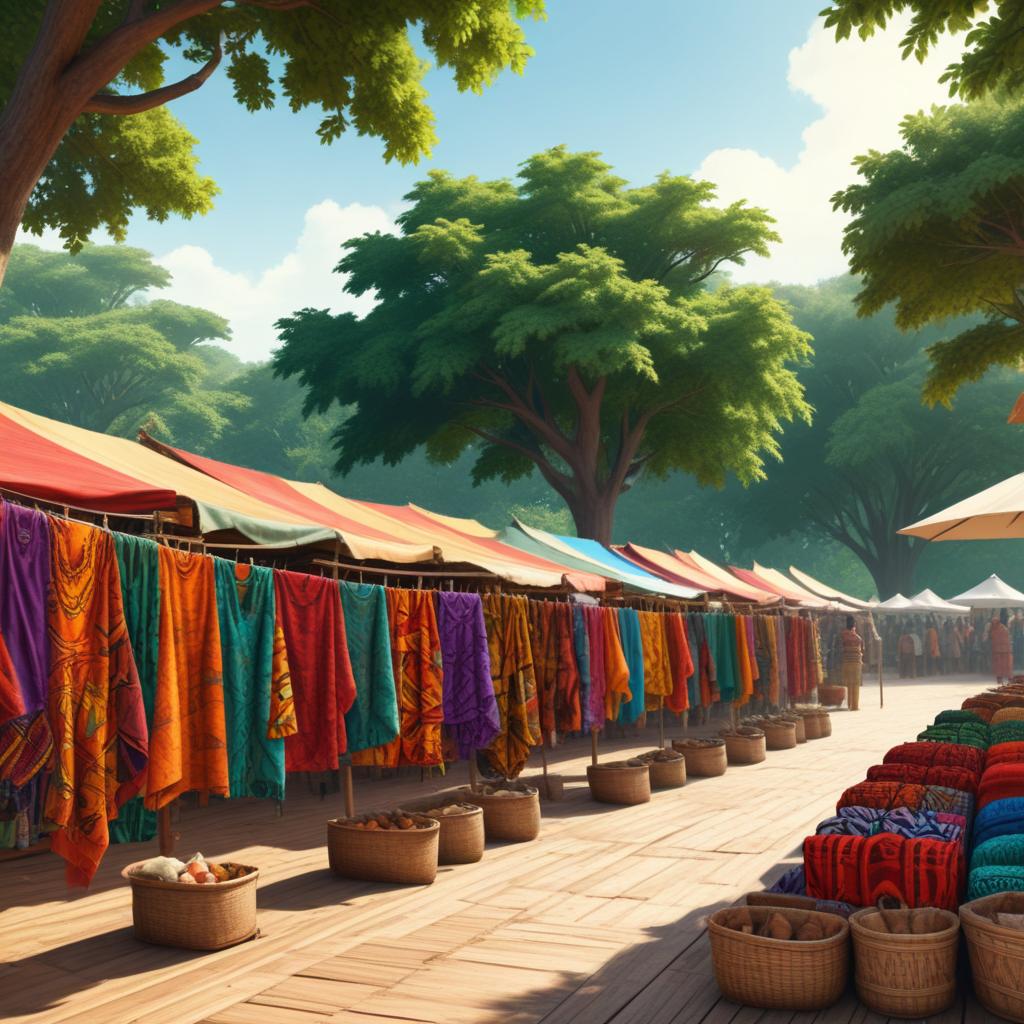
Introduction to Sustainable African Fashion
Sustainable fashion signifies a pivotal transformation in our methods of textile production and consumption, shifting away from fleeting trends to tackle the ecological impact of the garment sector. In Africa, this commitment to sustainability holds significant importance, as it combines contemporary environmental accountability with rich cultural heritage and artisanal skills that have been handed down through generations. Increasingly, local designers are advocating for eco-friendly practices, ensuring that their collections respect natural resources while uplifting the livelihoods of the communities involved in crafting each item. This strategy reveals a clear benefit: the capacity to create high-quality, environmentally responsible clothing without depending on resource-heavy global supply chains. By focusing on local materials and ethical labour practices, these African fashion brands are establishing a new standard for responsible production. Their efforts illustrate that commercial success and environmental stewardship can thrive together, providing a practical model for the global market to follow.
Throughout the continent, diverse ecosystems and communities face considerable challenges such as resource scarcity and environmental pressure. As a result, sustainable fashion in Africa goes beyond simply choosing environmentally friendly materials; it emphasises the importance of uplifting local artisans, preserving age-old methods, and promoting fair trade. African brands dedicated to sustainability are proactively addressing social issues like poverty and unemployment by opening up opportunities for local producers, ensuring that these initiatives are in harmony with sound environmental practices.
Worldwide, there is an increasing call for transparency and accountability in the fashion sector, which has traditionally been one of the biggest contributors to pollution globally. This heightened awareness has brought sustainable African fashion brands into the spotlight on the international arena. Consumers globally are progressively acknowledging the worth of African brands dedicated to sustainable methods, valuing not just their environmentally conscious apparel but also their unique designs that honour African heritage.
In addition, these sustainable African brands confront the fast fashion paradigm by prioritising quality, durability, and ethical manufacturing. By choosing eco-conscious apparel, consumers play a part in fostering a more circular economy and assist in minimising the waste produced by swift consumption patterns. This transformation is vital for Africa, where natural resources are invaluable and the impacts of climate change are becoming more pronounced.
In conclusion, sustainable African fashion embodies a compelling fusion of ecological awareness, cultural heritage, and social advancement. As global dedication to environmentally friendly practices intensifies, African brands that focus on sustainability are receiving the recognition and admiration they truly deserve. Supporting these brands not only contributes to a more sustainable planet but also honours the remarkable creativity and resilience present throughout the continent.
What Makes Fashion Sustainable in Africa?
Sustainability within African fashion is fundamentally grounded in a profound respect for the environment, communities, and cultural heritage. A crucial aspect involves the utilisation of sustainable materials, typically procured locally and cultivated organically to lessen environmental harm. Organic cotton, hemp, and natural dyes are commonly employed, decreasing dependence on harmful chemicals and safeguarding fragile ecosystems. This conscientious approach to material sourcing guarantees that fashion development does not jeopardise Africa’s abundant biodiversity.
An additional vital element is ethical production, which highlights equitable labour practices and uplifts local craftsmen. Clear supply chains and just compensation aid in addressing exploitative working environments and encourage economic self-sufficiency within communities. This principled strategy enhances dignity, champions traditional artistry, and strengthens the resilience of workers, which is essential for the enduring success of sustainable fashion efforts throughout the continent.
Furthermore, sustainable African fashion promotes the preservation of culture by appreciating African textiles and traditional techniques. Textiles like kente, bogolanfini (mud cloth), and aso oke embody narratives and heritage, imbuing each item with significance that transcends mere appearance. By incorporating these genuine fabrics and traditional craftsmanship into modern designs, the fashion sector honours cultural identity and safeguards the continuity of age-old skills, thereby keeping African fashion dynamic and pertinent.
In summary, sustainable fashion in Africa is defined not only by environmentally friendly materials but also by ethical production and a strong commitment to preserving African textiles and cultural heritage. This holistic approach enables the continent’s fashion brands to innovate sustainably while honouring their roots and supporting local communities.
The Impact of Sustainable Fashion on African Communities
Sustainable African fashion brands play a crucial role in fostering community impact by directly supporting local artisans. These brands often collaborate with skilled craftspeople who use traditional techniques passed down through generations. This partnership not only preserves cultural heritage but also helps artisans gain fair wages and develop their craft in a sustainable manner. By prioritising handmade and ethically sourced materials, these brands ensure that the artisans receive proper recognition and compensation for their valuable work.
Economic empowerment is another significant benefit brought about by sustainable fashion initiatives. Many brands focus on creating employment opportunities in rural and underserved areas, where jobs are scarce. Through training programmes and fair trade policies, local communities receive the tools and support to build long-term livelihoods. This empowers individuals, especially women, to become financially independent, contributing to the growth and stability of their families and communities. The ripple effect of such empowerment is evident in improved education, healthcare, and overall quality of life within these regions.
Moreover, sustainable brands embrace social responsibility by adopting practices that minimise environmental impact and promote ethical labour standards. These companies often use eco-friendly materials and production methods that reduce waste and pollution, protecting biodiversity in African environments. They also ensure safe working conditions and fair treatment for all workers involved. By committing to both environmental and social responsibility, sustainable fashion brands create a positive cycle of growth and respect, uplifting African communities while encouraging global awareness about ethical consumption.
Top Sustainable African Fashion Brands to Follow
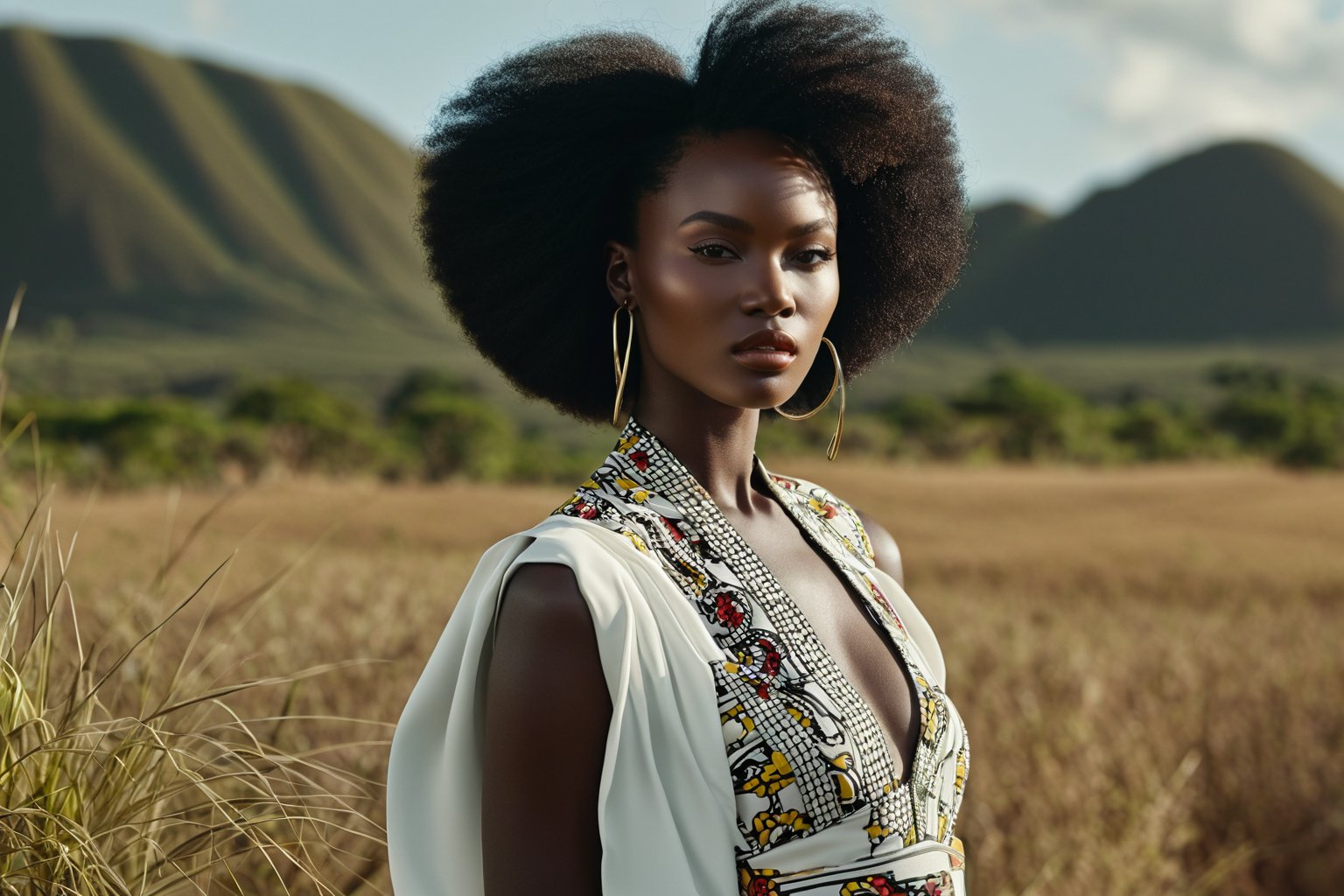
African fashion brands are increasingly making waves on the global stage, not only for their stunning designs but also for their commitment to sustainability. These eco-friendly labels are redefining fashion by incorporating ethical practices, using sustainable materials, and empowering local communities. Here are some notable sustainable designers from Africa who are pioneering the future of eco-conscious fashion.
- Orange Culture (Nigeria) – Founded by designer Adebayo Oke-Lawal, Orange Culture blends modern streetwear aesthetics with traditional African craftsmanship. The brand champions slow fashion by producing limited runs and working closely with local artisans. Orange Culture’s emphasis on transparency and sustainable sourcing has earned it a reputation as one of the leading eco-friendly labels in Africa.
- Stella Jean (Italy/South Africa) – Although born in Italy, Stella Jean collaborates extensively with African artisans and fabrics, promoting cultural heritage through sustainable production. The brand works with fair-trade cooperatives across the continent to ensure ethical labour practices while creating vibrant, unique pieces that tell a story of African creativity and sustainability.
- Kisua (Kenya) – Kisua merges contemporary fashion with sustainable principles by using organic materials and upcycling methods to reduce textile waste. This Kenyan-based brand is particularly noted for its commitment to empowering women in manufacturing roles and promoting African heritage through bold patterns and eco-conscious design.
- Maxhosa Africa (South Africa) – Created by designer Laduma Ngxokolo, Maxhosa Africa celebrates Xhosa beadwork and traditional patterns in a luxurious knitwear range. The brand emphasises local craftsmanship and natural fibres, supporting rural communities economically while fostering a sustainable production model that respects African culture.
- Kaela Kay (Uganda) – Kaela Kay combines organic cotton with handwoven techniques to produce contemporary pieces with a low environmental footprint. The brand prioritises biodegradable materials and zero-waste processes, reflecting a genuine commitment to reducing fashion’s ecological impact in Uganda and beyond.
- Christie Brown (Ghana) – Christie Brown is celebrated for its modern African fashion that incorporates sustainable fabrics and social responsibility. The label partners with local suppliers who use eco-friendly dying techniques and sustainable cotton, ensuring minimal environmental harm while boosting Ghana’s textile industry.
- Maki Oh (Nigeria) – Maki Oh is renowned for applying indigenous dyeing methods like adire in innovative ways. Designer Amaka Osakwe’s label promotes slow fashion through artisanal craftsmanship and sustainable textile sourcing, supporting Nigerian farmers and artisans while delivering sophisticated, eco-friendly designs.
These African fashion brands exemplify how style and sustainability can coexist beautifully. By following these sustainable designers and eco-friendly labels, fashion enthusiasts can support meaningful change that honours Africa’s rich heritage while fostering a greener future.
Emerging Eco-Friendly Fashion Labels
African designers are increasingly embracing sustainability, and a number of upcoming brands are leading the way in eco-friendly fashion. These emerging labels not only celebrate the continent’s rich heritage but also prioritise ethical practices and environmental responsibility in their operations.
One standout example is Makazi, a Kenyan brand that creates contemporary apparel and accessories using recycled materials and natural fibres. Their commitment to zero-waste production and support for local artisans underpins their mission to blend tradition with modern sustainable fashion.
Similarly, Osei-Duro, founded by Ghanaian designers, champions the use of handwoven textiles and natural dyes. Each collection is produced in small batches by skilled craftspeople, ensuring fair wages and safe working environments. This approach helps preserve indigenous techniques while minimising environmental impact.
Another emerging brand making waves is Thandie, which focuses on upcycling and ethical sourcing. Their women’s wear line incorporates organic cotton and repurposed fabrics, all grown or sourced sustainably within Africa. The brand actively supports community projects aimed at empowering female artisans.
Together, these African designers exemplify the dynamic wave of upcoming brands dedicated to eco-friendly fashion. Their innovative use of sustainable materials, respect for ethical standards, and celebration of African craftsmanship demonstrate a promising future for the continent’s fashion industry.
Established African Sustainable Fashion Leaders
Among the most celebrated established brands in Africa, several have stood out as sustainable fashion pioneers, shaping the continent’s style landscape with ethics and innovation. These African fashion leaders have not only garnered immense respect domestically but have also attracted international recognition, showcasing the immense potential of sustainable practices within the industry.
One such prominent name is Stella Jean, an established brand that combines vibrant African prints with environmentally conscious production methods. Known worldwide for its commitment to sustainability, Stella Jean’s efforts have placed African craftsmanship on the global sustainable fashion map. Another Africa-based pioneer is Mai Atafo, whose brand prioritises ethical sourcing and supports local artisans, ensuring fair labour practices and eco-friendly materials.
Maki Oh is another trailblazer among African fashion leaders, integrating traditional hand-dyeing techniques with modern design to champion both cultural heritage and sustainability. The brand’s international acclaim underscores its role in promoting responsible luxury fashion from Africa. Similarly, Orange Culture is lauded for its inclusive approach and sustainable ethos, merging contemporary aesthetics with conscientious production.
These established brands exemplify how African sustainable fashion pioneers are redefining the industry by embracing eco-friendly materials, ethical labour, and cultural authenticity. Their influence worldwide not only boosts the continent’s creative economy but also inspires emerging designers and consumers to adopt sustainable fashion choices globally.
How to Support and Engage with Sustainable African Fashion
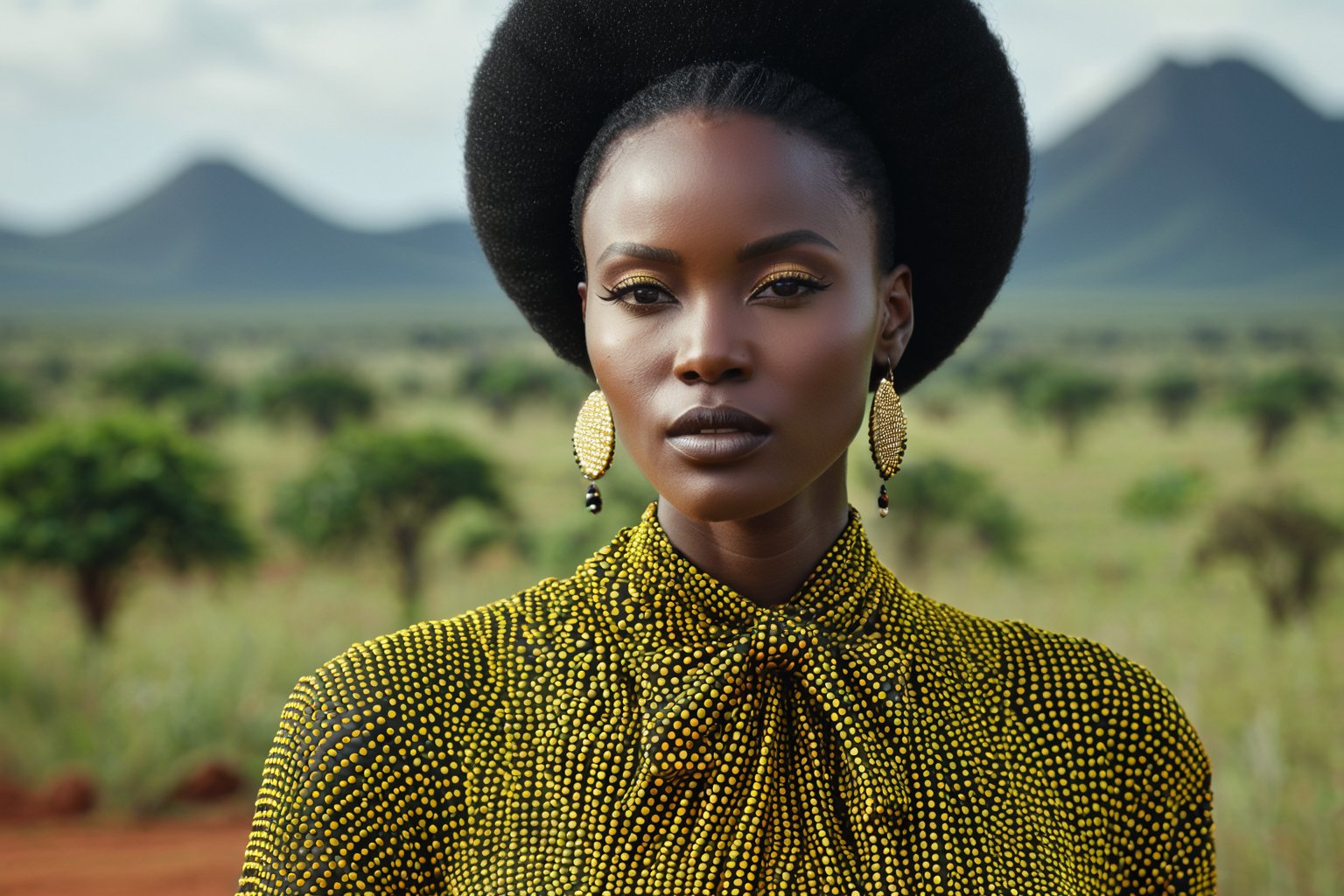
Supporting African fashion while prioritising sustainability is a powerful way to contribute to positive change within the industry. To truly make a difference, consumers can adopt several practical approaches that promote ethical practices and uplift talented designers across the continent. By choosing to buy ethical clothes from sustainable African brands, you encourage responsible production methods and help preserve invaluable cultural heritage.
Firstly, educate yourself about the brands behind the clothes. Take time to research their sourcing methods, labour practices, and environmental commitments. Many sustainable African fashion labels prioritise fair wages, use eco-friendly materials, and champion local artisans. Supporting such brands means your money goes towards fostering economic empowerment and protecting the environment.
Another practical tip is to seek out marketplaces and boutiques that specialise in sustainable African fashion. Platforms that curate ethical collections provide an easier way to access high-quality, eco-conscious clothing. This also helps reduce the need for fast fashion purchases, which often contribute to harmful environmental and social impacts.
Engagement in fashion activism is an important way to amplify your support beyond purchasing. This can include joining conversations on social media, sharing stories about sustainable African brands, and advocating for more transparency and accountability in the fashion industry. By raising awareness, you help build a community that values ethical fashion and supports the creativity of African designers.
Furthermore, attend or participate in events, workshops, and exhibitions that highlight sustainable African fashion. These occasions offer valuable opportunities to connect directly with designers, learn about their craftsmanship, and gain insight into the cultural significance behind the collections. Being actively involved ensures that your support is informed and impactful.
Finally, consider the full lifecycle of your clothing choices. Invest in quality pieces that last longer, and be mindful of your wardrobe management by repairing or upcycling garments when possible. Supporting repair initiatives or local tailors can also empower communities and reduce textile waste, aligning with the ethos of sustainability.
By choosing to purchase ethical garments, championing fashion activism, and thoughtfully engaging with sustainable African fashion, you help forge a market that places people and the planet first. Each conscious choice moves us toward a future where African fashion can thrive sustainably, ethically, and with beauty.
Shopping Ethically: What to Look For
When engaging in ethical shopping, especially within the vibrant world of African fashion, it is important to understand the key criteria that distinguish genuinely sustainable brands. Consumers should prioritise products made from sustainable materials such as organic cotton, bamboo fibres, hemp, and recycled fabrics. These materials reduce environmental impact by minimising water usage, avoiding harmful pesticides, and lowering carbon footprints compared to conventional textiles.
Equally vital is the promotion of fair trade fashion practices. This means supporting brands that ensure fair wages, safe working environments, and equitable treatment for artisans and workers involved in the production process. Fair trade certification is a reliable indicator of these values being upheld. By choosing fair trade fashion, shoppers contribute to empowering communities and preserving cultural heritage through responsible labour practices.
Aside from fair trade certifications, other established standards to look for include Global Organic Textile Standard (GOTS), which certifies the organic status of textiles along the entire supply chain, and the Fair Wear Foundation certification, which focuses on improving labour conditions in garment factories worldwide. Additionally, certifications such as OEKO-TEX guarantee that textiles are free from harmful substances, ensuring safer products for both consumers and producers.
When shopping ethically from African fashion brands, it is also prudent to research brand transparency. Detailed information about sourcing, production methods, and community impact reflects a brand’s true commitment to sustainability. By choosing brands that meet these criteria and hold recognised certifications, consumers can confidently support sustainable African fashion while fostering a positive social and environmental legacy.
Participating in African Fashion Sustainability Initiatives
Taking part in African fashion sustainability programmes provides a valuable way to champion eco‑friendly methods and uplift local communities. Numerous initiatives run by African brands aim to generate positive environmental and social outcomes, inviting a worldwide audience to join their path toward sustainability.
One of the key ways to engage is by joining community projects that these brands organise. These projects often include workshops on sustainable production techniques, recycling programmes, or educational sessions on ethical fashion. By participating, individuals can learn more about the fashion supply chain and contribute directly to reducing waste and promoting fair labour practices.
Sustainability campaigns launched by these brands provide another avenue for involvement. These campaigns frequently encourage consumers to make conscious choices, such as buying from eco-friendly collections or supporting artisans through crowdfunding. Spreading awareness on social media platforms about such campaigns amplifies their reach and impact, fostering a broader movement for change.
Volunteering time or skills is also a valuable way to support these initiatives. Many African fashion brands welcome volunteers for tasks ranging from event organisation to digital marketing. This hands-on participation helps build a stronger connection between supporters and the communities behind the fashion, making sustainability a collaborative effort.
Overall, by engaging in these fashion initiatives, community projects, and sustainability campaigns, individuals can play an active role in promoting a more ethical and environmentally friendly fashion industry across Africa.

I’m fascinated by the vibrant intersection of contemporary fashion and traditional African craftsmanship. I spend my free time exploring markets, learning about textile techniques, and sharing the stories behind each piece with our readers.