
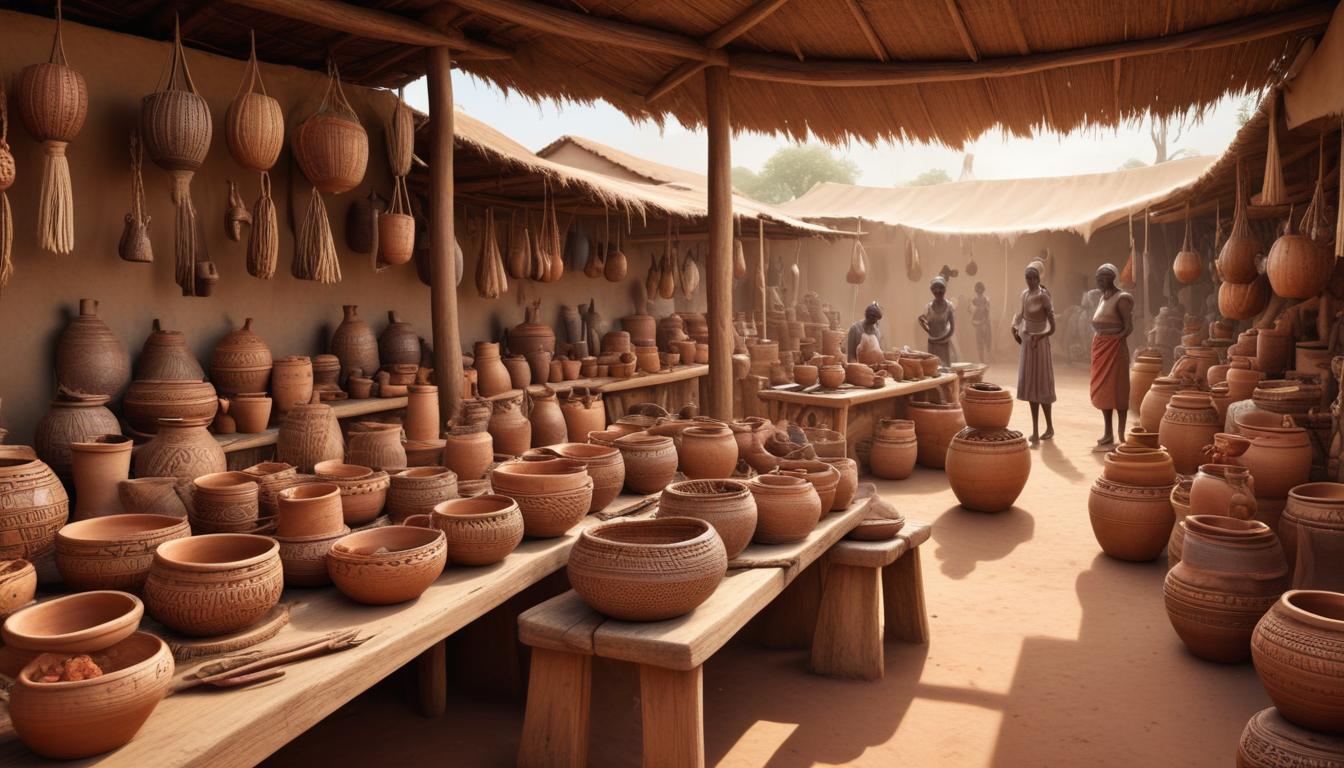
Overview of African Craft Collectives
African craft collectives serve as powerful hubs for cultural preservation and community empowerment across the continent. These collectives bring together artisans who specialize in traditional crafts, such as weaving, beadwork, pottery, and wood carving, fostering a shared commitment to maintaining their rich heritage. By working collaboratively, artisans not only protect age-old techniques that have been passed down through generations but also revive and innovate within their craft, ensuring cultural traditions remain vibrant and relevant in today’s world.
Помимо сохранения культуры, африканские ремесленные коллективы играют жизненно важную роль в развитии экономики своих сообществ. These groups create opportunities for artisans to gain access to new markets and fair trade networks, helping generate sustainable income. Through cooperative efforts, members can pool resources for materials, training, and marketing, reducing individual costs and increasing their overall competitiveness. This collective approach empowers artisans economically, enabling them to improve their quality of life and invest back into their communities.
Многие африканские ремесленные коллективы подчеркивают расширение прав сообщества как основную ценность. By promoting inclusivity and collaboration, they create supportive environments where artisans—often women and youth—can develop skills, build confidence, and assume leadership roles. These collectives often engage in social initiatives such as education, health awareness, and environmental sustainability, amplifying their impact beyond just craft production. As a result, African craft collectives become engines of holistic community development, nurturing resilience and unity.
In summary, African craft collectives are much more than groups of artisans; they are critical institutions that preserve cultural identity, stimulate local economies, and foster community empowerment. Through their dedication to traditional crafts, these collectives contribute meaningfully to sustaining cultural diversity while unlocking new opportunities for economic growth and social progress in Africa.
Historical and Cultural Significance
African craft collectives have deep roots in the continent’s rich history and cultural heritage. These collectives are more than just groups of artisans; they are custodians of African traditions that have been passed down through generations. The artisan history of these communities is intertwined with storytelling, spirituality, and social identity, making craftwork an essential expression of cultural values and beliefs.
Historically, craft collectives in Africa were established as a means of preserving skills and knowledge within a community. They served as networks where artisans could share techniques, train apprentices, and support each other economically and socially. Many African traditions emphasize communal work and collaboration, which is reflected in the cooperative nature of these craft groups. This collective approach not only strengthens bonds within communities but also ensures that cultural heritage is safeguarded against the influences of modernization and globalization.
The cultural importance of these collectives is evident in the wide range of crafts they produce, from textiles and beadwork to pottery and wood carving. Each piece tells a story that reflects the identity and history of the artisans’ communities. Through their work, craft collectives play a vital role in keeping African traditions alive, fostering pride in cultural heritage, and promoting sustainable livelihoods for artisans. Their contributions extend beyond economic gains, enriching the social fabric and cultural diversity of Africa.
Structure and Organisation of Craft Collectives
African craft collectives typically operate through well-defined structures that foster collaboration and shared economic benefits among artisans. These community groups are often organized as artisan cooperatives, where members contribute skills, resources, and labor to sustain and grow their craft practices. Leadership within these collectives usually involves elected representatives who oversee decision-making, resource allocation, and external communications, ensuring transparency and accountability.
The structure of a craft collective is designed to support both the artisans and their surrounding community. Decisions are made collectively, promoting democratic participation and reinforcing social bonds. These entities often function not only as production hubs but also as training centers, providing members with technical skills, business knowledge, and market access. This communal approach enhances the resilience and sustainability of the craft practices.
Many artisan cooperatives also have sub-groups specialized in different crafts or stages of production, allowing for efficient division of labor and expertise sharing. By fostering such organisation within community groups, African craft collectives empower artisans economically and socially, strengthening cultural heritage while opening opportunities for international trade and collaboration.
Impact on Community Empowerment and Economic Growth
African craft collectives play a pivotal role in community empowerment and economic development by fostering skill building and providing market access. These collectives serve as essential platforms where artisans can develop and refine their skills, transforming traditional crafts into marketable products. This process not only preserves cultural heritage but also equips individuals with valuable competencies that increase their employability and entrepreneurial potential.
Through targeted training programs, craft collectives help artisans enhance technical skills related to design, production, and quality control. Such skill building is crucial for improving the competitive edge of their products in local and international markets. The acquisition of these skills empowers community members by boosting their confidence and enabling them to generate sustainable income streams. This economic empowerment also contributes to the overall economic development of the community by reducing poverty and creating job opportunities.
Market access is another significant factor in the impact of craft collectives on communities. Collectives often facilitate entry into broader markets by connecting artisans with distributors, retailers, and online platforms. This access helps overcome barriers such as limited market knowledge and logistical challenges that small-scale producers typically face. By enabling direct sales and fair trade practices, craft collectives ensure that artisans receive equitable compensation for their work, which directly supports economic growth within their communities.
Moreover, the social benefits of these collectives extend beyond economic gains. By bringing artisans together, craft collectives foster a sense of community and collaboration, encouraging knowledge sharing and collective problem-solving. This social cohesion strengthens the fabric of the community, making it more resilient to economic challenges. Additionally, empowered artisans often become role models, inspiring younger generations to engage in craft production and pursue economic independence.
In summary, the impact of African craft collectives on community empowerment and economic development is multifaceted. Through skill building and improved market access, these collectives provide artisans with tools to thrive economically while promoting social cohesion and cultural preservation. The result is a vibrant and sustainable community where economic opportunities and social empowerment go hand in hand.
Creating Sustainable Livelihoods
African craft collectives play a crucial role in fostering sustainable income for artisans and their families. By organizing artisans into cohesive groups, these collectives create steady demand for artisan crafts, allowing members to generate consistent earnings. This collective approach helps artisans overcome individual limitations such as market access, production capacity, and pricing power.
Through shared resources and collaborative marketing efforts, craft collectives reduce the costs associated with producing and selling artisan crafts. This enables artisans to secure better prices and increase their profit margins, contributing to long-term financial independence. By tapping into broader markets, both local and international, collectives expand opportunities for artisans to showcase their unique skills and traditional craftsmanship.
Furthermore, these craft collectives often provide training and capacity-building programs that equip artisans with business skills, enhancing their ability to manage income and sustain their livelihoods. The collective model fosters a support system that encourages reinvestment in their crafts and communities, solidifying a foundation for future generations.
Ultimately, craft collectives not only promote cultural preservation but also enable artisans to achieve financial independence by establishing a sustainable income ecosystem. This empowerment uplifts entire communities by improving economic stability and creating pathways for ongoing success in the artisan craft industry.
Promoting Education and Skill Development
African craft collectives are increasingly prioritizing education and skills development to empower artisans and strengthen community ties. These initiatives focus on providing artisan training programs that enhance traditional techniques while introducing new methods, enabling crafters to produce higher-quality and more marketable products. By equipping artisans with refined skills, these collectives open doors to better economic opportunities and sustainable livelihoods.
Community education plays a pivotal role in these efforts, with workshops and classes designed to pass on knowledge not only about craft techniques but also about business skills, marketing, and financial literacy. This holistic approach ensures that artisans are not only skilled creators but informed entrepreneurs who can navigate the complexities of local and international markets. Craft collectives facilitate access to resources such as tools, materials, and expert mentorship, further supporting skills development.
Moreover, many collectives foster environments where young people and marginalized groups can participate in training sessions, promoting inclusivity and long-term community growth. Through collaboration and shared learning, artisans build confidence and resilience, strengthening the cultural and economic fabric of their communities. Ultimately, these education-driven initiatives are vital in preserving traditional crafts while paving the way for innovation and increased self-reliance among artisans.
Challenges and Future Prospects of African Craft Collectives
African craft collectives play a vital role in preserving traditional arts while empowering communities economically. However, they face numerous challenges that hinder their growth and sustainability. One of the most significant challenges is limited market access. Many craft collectives struggle to connect with wider audiences beyond local markets, limiting their sales and revenue potential. This lack of access often stems from inadequate infrastructure, insufficient digital skills, and challenges in navigating international trade regulations.
Additionally, craftspeople face difficulties in securing funding and investments necessary for scaling their operations. Without proper financial support, many collectives find it hard to improve the quality of their products or adopt innovative methods that could make their offerings more competitive. There is also the challenge of maintaining traditional craftsmanship while adapting to modern consumer demands, which requires a delicate balance between authenticity and market trends.
Despite these challenges, the future prospects for African craft collectives remain promising. Increased awareness and appreciation for handmade, ethical, and culturally rich products globally have created new opportunities. Investment in digital platforms, e-commerce, and collaborative networks can significantly enhance market access, enabling artisans to reach global consumers effectively. Training programs focusing on business skills, digital literacy, and sustainable practices are also critical for strengthening these communities.
Furthermore, partnerships between governments, NGOs, and private sectors can foster an enabling environment for craft collectives. Such collaborations can offer support in securing funding, improving infrastructure, and promoting craft tourism. The integration of technology such as blockchain could also provide transparency and authenticity verification, attracting conscientious buyers seeking ethically sourced products.
In conclusion, while African craft collectives face significant challenges including market access and financial constraints, strategic investments and supportive frameworks present a bright future. By embracing innovation without compromising cultural heritage, these collectives can enhance their impact, empowering communities and preserving invaluable artistic traditions for generations to come.
Barriers to Market and Growth
African craft collectives often face significant market challenges that hinder their ability to expand and thrive. One of the foremost obstacles is limited access to wider markets, which restricts the visibility and sales potential of their unique products. Many artisans lack the platforms or connections needed to reach international buyers, confining them to local or regional markets where demand and prices may be lower.
Infrastructure issues also play a critical role in limiting growth. Poor transportation networks, unreliable power supply, and inadequate storage facilities make it difficult for craft collectives to produce goods efficiently or distribute them effectively. These logistical barriers increase costs and delay delivery times, reducing competitiveness in both domestic and global markets.
Furthermore, funding constraints remain a pervasive challenge. Many craft groups operate on limited budgets, often relying on inconsistent sales revenue without access to formal credit or investment options. This lack of capital impedes their ability to purchase quality materials, invest in better equipment, or scale production. Without sufficient financial support, sustaining growth and innovation becomes a daunting task.
Addressing these barriers requires targeted interventions that improve market access, enhance infrastructure, and provide reliable funding sources. By overcoming these hurdles, African craft collectives can unlock new opportunities and contribute meaningfully to their communities’ economic empowerment and cultural preservation.
Innovations and Opportunities Ahead
African craft collectives are increasingly harnessing digital platforms to transform their reach and impact. These platforms enable artisans to present their unique creations to a global audience, breaking geographical barriers and expanding market opportunities. Through digital marketing strategies such as social media campaigns, e-commerce websites, and online marketplaces, craft collectives can build stronger brand recognition and foster direct relationships with customers worldwide.
Another significant innovation is the adoption of fair trade certification, which assures consumers that products are made ethically with respect to workers’ rights and sustainable practices. Fair trade status can enhance the perceived value of crafts, opening new markets that prioritize ethical consumption. This certification not only helps in securing better prices for artisans but also promotes transparency and trust between producers and buyers.
Creative innovation continues to play a vital role as well; artisans integrate traditional techniques with contemporary designs, addressing evolving consumer tastes. Collaborations facilitated by these platforms empower collective members to share ideas and explore new materials and methods, driving artistic growth and economic resilience. Together, these innovations represent promising opportunities for African craft collectives to thrive in an increasingly interconnected and ethically aware marketplace.

I’m fascinated by the vibrant intersection of contemporary fashion and traditional African craftsmanship. I spend my free time exploring markets, learning about textile techniques, and sharing the stories behind each piece with our readers.