
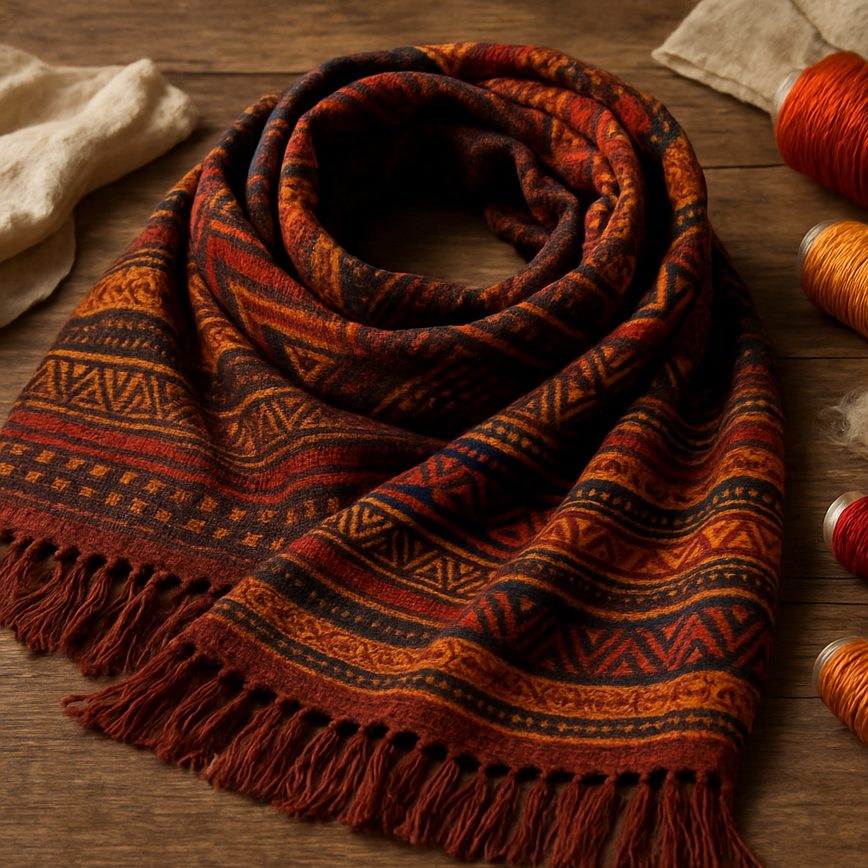
Introduction to Handcrafted African Scarves
Handcrafted scarves hold a unique place in fashion, especially when it comes to African scarves. These textiles are not just accessories; they are a vivid expression of cultural heritage, artistic mastery, and traditional craftsmanship that has been passed down through generations. Every handcrafted scarf tells a story of its origins, embodying the spirit and identity of the communities that create them.
African scarves are celebrated for their vibrant colors, intricate patterns, and symbolic motifs, all of which are deeply tied to local traditions and history. The process of making these scarves involves artisan craftsmanship — skilled hands weaving and dyeing fabric using methods that have been honed over centuries. This meticulous work results in unique pieces that cannot be replicated by machines, making handcrafted scarves treasured artifacts of traditional textiles.
The cultural significance of these scarves extends beyond their aesthetic appeal. In many African societies, scarves serve as markers of identity, status, and social occasions. Wearing a handcrafted African scarf can communicate messages about one’s heritage, beliefs, and community membership. This imbues each piece with a profound meaning, connecting the wearer to their roots and to the artisans who crafted the scarf with care and intention.
Embracing handcrafted scarves also supports the preservation of indigenous textile arts and provides economic opportunities for local artisans. As mass production increasingly dominates the fashion industry, the demand for authentic, traditional textiles like African scarves helps sustain the culture and livelihood of artisans dedicated to their craft. Each scarf thus becomes a symbol of cultural pride and artistic preservation.
In essence, handcrafted African scarves are much more than fashion statements. They are living pieces of art, rich with cultural history and crafted with unparalleled skill. Their uniqueness and traditional value continue to enchant and inspire, reminding us of the beauty found in artisan craftsmanship and the vibrant heritage of African textiles.
Cultural Importance of African Scarves
African scarves hold a profound place within cultural heritage, embodying much more than mere fabric. They serve as vivid expressions of African traditions and artisan culture, weaving together the stories and identities of communities. Each scarf is a symbol deeply entrenched in the symbolism unique to diverse African societies, often reflecting status, beliefs, and values passed down through generations.
In many African communities, scarves play a pivotal role in ceremonies and rituals, marking significant life events such as births, marriages, and funerals. The patterns and colors chosen for these scarves are not random; they communicate messages, pride, and respect within social and spiritual contexts. Wearing a scarf during these occasions becomes a way to honor and preserve ancestral heritage, linking wearers with their roots.
The artisan culture behind handcrafted African scarves is equally vital, as skilled craftspeople employ traditional methods that have been nurtured over centuries. These scarves are tangible embodiments of cultural continuity, craftsmanship, and artistic devotion. By adorning oneself with these scarves, individuals embrace and celebrate the rich and intricate tapestry of African cultural heritage, showcasing the enduring significance of scarves beyond their aesthetic appeal.
Materials and Crafting Techniques
The exquisite beauty of handcrafted African scarves stems from the use of natural fabrics and time-honored artisan skills passed down through generations. Artisans typically work with materials such as cotton, silk, and raffia, all prized for their softness, durability, and ability to hold vibrant colors. These natural fabrics provide a perfect canvas on which the traditional weaving techniques and dyeing processes can be applied.
Weaving techniques vary across regions and tribes, reflecting the unique cultural heritage of each community. Many scarves are woven on traditional handlooms, where artisans skillfully interlace threads to form intricate patterns and textures. This labor-intensive process showcases their mastery and meticulous attention to detail, resulting in scarves that are both visually stunning and structurally resilient.
Equally important are the dyeing processes that infuse these scarves with bold, vibrant hues. Artisans commonly use natural dyes extracted from plants, roots, and minerals, employing eco-friendly methods that honor the environment. Techniques such as tie-dye, batik, and mud dyeing create unique color gradients and patterns, each telling a story through every shade.
Together, the natural fabrics, weaving techniques, and dyeing processes highlight the exceptional artisan skills behind each handcrafted African scarf. These elements combine to produce a timeless accessory embodying both cultural significance and artistic excellence.
Designs and Patterns of African Scarves
African scarves are celebrated not only for their vibrant colors and textures but also for the rich variety of African patterns they showcase. These textile designs are deeply rooted in the continent’s diverse cultural heritage, with each pattern carrying layers of meaning and significance. From bold geometric shapes to intricate traditional motifs, African scarves offer a visual narrative that connects wearers to their history, identity, and community.
The designs found in African scarves are often inspired by nature, daily life, spiritual beliefs, and historical events. For example, symbolic patterns such as Adinkra symbols from West Africa convey philosophical messages and proverbs, serving as a form of storytelling through fabric. These patterns are not merely decorative; they embody values like unity, strength, and wisdom, making each scarf a meaningful statement piece.
In many African cultures, textile designs are created using traditional techniques such as weaving, dyeing, and printing. The unique patterns are passed down through generations, preserving cultural identity and craftsmanship. Many scarves feature repetitive motifs that symbolize concepts such as fertility, protection, and prosperity. The use of color in these textiles also plays a significant role, with each hue often representing different emotions or social statuses within communities.
Additionally, the artistry behind African patterns reflects the geographical diversity of the continent. For instance, the intricate kente cloth patterns of Ghana are characterized by their bright colors and complex geometric shapes, each with a specific name and meaning. In contrast, the indigo-dyed textiles from Mali showcase abstract and organic patterns that celebrate the natural environment and local traditions.
Overall, the designs and patterns of African scarves are a testament to the continent’s rich artistic heritage. They serve not only as beautiful accessories but also as cultural symbols that communicate history, beliefs, and values. Embracing these textile designs allows wearers to connect with the deeper stories woven into each thread, celebrating the enduring beauty of traditional African craftsmanship.
Regional Variations in Scarf Designs
African scarves embody a rich diversity that reflects the continent’s vast cultural tapestry. Regional styles play a significant role in defining the unique characteristics of these scarves, with West African scarves and East African textiles standing out as prime examples of this design diversity.
West African scarves are often known for their bold patterns and vibrant colors, influenced by traditional techniques such as adire from Nigeria, which uses resist-dyeing methods to create intricate motifs. The symbolism behind the designs often tells stories or represents social status, making each scarf more than just a piece of fabric but a cultural artifact.
In contrast, East African textiles tend to favor geometric patterns and earthy tones, drawing from centuries-old weaving traditions. The kanga and kikoy are notable examples, featuring repeated motifs that carry proverbs or messages, embedding cultural values into everyday wear. These scarves also showcase the craftsmanship of local weavers who blend aesthetics with cultural significance.
The diversity in scarf designs across these regions highlights the deep cultural influences shaping each style. From ceremonial uses to daily fashion, regional variations are a testament to how African artisans negotiate identity, tradition, and modernity through their textile creations.
Symbolism Behind Popular Patterns
African scarves are more than just colorful textiles; they carry rich stories through their intricate pattern meanings. Each pattern and motif is deeply embedded with traditional symbols that reflect cultural significance, identity, and heritage. These designs tell tales ranging from historical events to spiritual beliefs, and social status to moral lessons, making the scarves vibrant forms of textile storytelling.
For instance, geometric shapes such as triangles and diamonds often represent protection and fertility, while animal motifs can symbolize strength, wisdom, or community values. The repetition and arrangement of these symbols are carefully chosen to convey specific messages understood within the culture. Wearing a scarf with a particular motif can communicate a wearer’s role in society or their aspirations.
Moreover, some patterns have been used for generations, preserving cultural heritage and fostering a sense of belonging. These traditional symbols transcend mere decoration, serving as visual narratives that connect individuals to their ancestors and environment. In this way, the beauty of handcrafted African scarves lies not only in their vibrant appearance but also in their profound ability to carry cultural stories and meanings across time.
Caring for and Styling Handcrafted African Scarves
Handcrafted African scarves are not only beautiful fashion accessories but also cherished textiles that require proper care to preserve their unique beauty and longevity. To ensure your scarf remains vibrant and intact, it’s essential to follow some basic scarf care guidelines. Always hand wash your scarf in cold water with a gentle detergent designed for delicate fabrics. Avoid using bleach or harsh chemicals, as they can damage the fibers and fade the colors. After washing, gently squeeze out excess water without wringing and lay the scarf flat on a clean towel to dry. This method helps maintain the fabric’s integrity and prevents distortion.
When storing your handcrafted African scarves, avoid hanging them for long periods, which can stretch the fabric. Instead, fold the scarves neatly and place them in a breathable cotton bag or box, away from direct sunlight and moisture. This practice helps in preserving textiles by protecting them from dust, pests, and environmental damage.
Styling your handcrafted African scarf offers endless possibilities to enhance your wardrobe with a touch of cultural elegance. For a modern twist, try draping your scarf over your shoulders as a shawl paired with minimalist outfits. This creates a stunning contrast that highlights the scarf’s vibrant patterns. You can also use your scarf as a headwrap to instantly elevate a casual look or to add a pop of color to a monochromatic ensemble.
For a chic, effortless style, fold your scarf into a thin band and wear it as a necktie, belt, or even a handbag accessory. Combining traditional African textiles with contemporary fashion elements can create striking and personalized looks. Remember, the key to incorporating a handcrafted African scarf into your everyday fashion is balancing its bold patterns with simple, neutral pieces to let the scarf shine as the statement accessory.
By following these scarf care and styling tips, you can enjoy the beauty and cultural significance of your handcrafted African scarves while keeping them in excellent condition. Whether you’re using them to preserve textiles or to make a fashion statement, these scarves are truly timeless additions to any wardrobe.
Maintenance and Cleaning Tips
Proper textile care is essential to preserve the beauty and longevity of handcrafted African scarves. These delicate fabrics require gentle handling during washing to maintain their vibrant colors and intricate patterns. It is best to avoid machine washing; instead, hand wash scarves in cold water using mild detergent specifically designed for delicate fabrics. Avoid wringing or twisting the scarf, as this can damage the fibers.
After washing, lay the scarf flat on a clean towel to air dry. Avoid direct sunlight, which can cause fading over time. Storing scarves correctly is equally important for preservation methods. Fold them gently and keep them in a cool, dry place, ideally in breathable fabric bags to prevent moisture buildup and protect against dust.
Regularly airing out your scarves and avoiding the use of harsh chemicals or bleach will help maintain their quality. In addition, it is advisable to keep handcrafted scarves away from sharp objects or jewelry that could snag the delicate fabric. With mindful cleaning scarves routines and proper storage, your handcrafted pieces will remain stunning and ready to wear for years to come.
Incorporating Scarves into Modern Wardrobes
Handcrafted African scarves are a stunning blend of tradition and contemporary fashion, making them versatile staples in modern wardrobes. For everyday wear, consider draping a vibrant scarf loosely around your neck to add a pop of color and cultural flair to casual outfits. Pair them with neutral basics like white tees or denim for effortless fashion styling that highlights the scarf’s unique patterns.
Scarf trends now embrace diversity, allowing these pieces to be used as headwraps, belts, or even bag accessories, enhancing any outfit with a touch of originality. For modern accessories lovers, tying a scarf around the handle of a handbag or using it as a statement belt can elevate a simple dress or jumpsuit. This offers fresh wardrobe ideas that blend functionality and style, perfect for both work and weekend looks.
On special occasions, handcrafted African scarves can be folded elegantly as shawls or shoulder wraps, introducing rich texture and color to formal attire. Their bold prints can complement solid-color dresses or suits, helping you make a fashionable statement. Experiment with layering scarves over blazers or elegant coats to integrate traditional artistry into your contemporary fashion style seamlessly.
Embracing these scarves in diverse ways not only enriches your wardrobe ideas but also promotes cultural appreciation, making each look truly unique. Whether for daily ensembles or special events, handcrafted African scarves are indispensable modern accessories that blend heritage with today’s fashion trends.

I’m fascinated by the vibrant intersection of contemporary fashion and traditional African craftsmanship. I spend my free time exploring markets, learning about textile techniques, and sharing the stories behind each piece with our readers.