
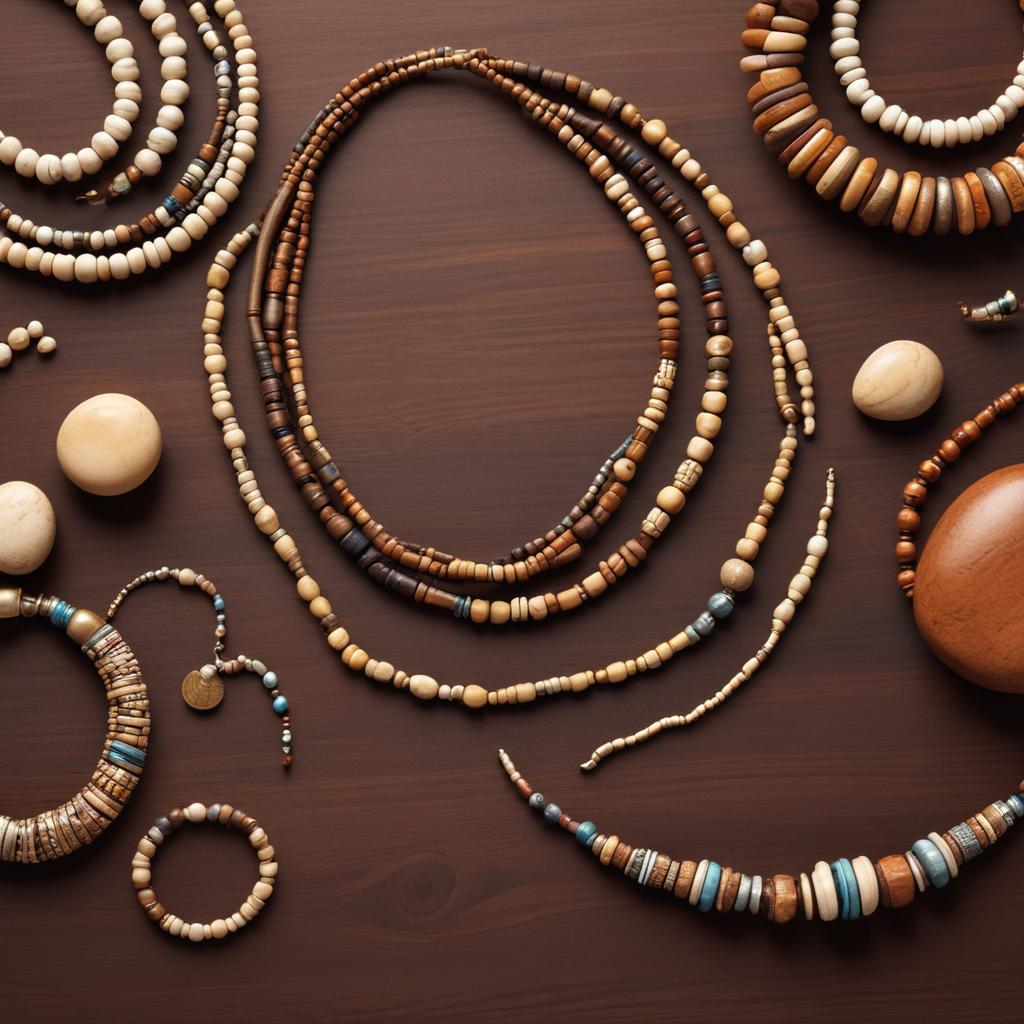
Overview of Handcrafted African Jewellery
African jewellery serves as a lively representation of history and meaning, deeply intertwined with the continent’s cultural legacy. The handcrafted items from Africa signify far more than mere adornment; they embody generations of tradition, identity, and artistic creativity. Emerging from diverse communities, these creations often function as symbols of status, spirituality, and social connections. Exploring traditional African designs reveals a profound respect for heritage and the mastery that has been passed down through the ages.
The origins of African jewellery date back to ancient times, with archaeological findings demonstrating the use of beads, metals, and natural materials for decoration. Different regions of Africa developed distinctive styles influenced by the available resources, cultural beliefs, and historical contexts. For example, the Maasai of East Africa are known for their colourful beaded necklaces that signify age, marital status, and social roles. On the other hand, the Tuareg people craft intricate silver jewellery that reflects their nomadic heritage and artistic skills.
Artisanal jewellery originating from Africa is a true tribute to artisan skill. Through the use of traditional techniques such as bead weaving, metalworking, and carving, artisans transform natural materials like gold, copper, bone, and shells into stunning works of art. This dedication to craftsmanship not only preserves cultural legacies but also supports local communities by uplifting skilled artisans and sustaining heritage crafts.
Alongside their cultural importance, handmade African jewellery attracts a worldwide audience with its unique style and meaningful designs. The vivid colours, intricate patterns, and symbolic features resonate with individuals globally who desire authentic, ethically produced accessories. Wearing traditional African designs is often seen as a statement of cultural pride, personal identity, and a connection to one’s heritage. These pieces are valued by both collectors and fashion enthusiasts for their timeless beauty and the rich stories they convey.
Ultimately, African jewellery goes beyond simple adornment; it stands as a dynamic art form that captures the spirit of diverse communities. Its historical significance, cultural relevance, and skilled craftsmanship ensure its recognition as an esteemed component of both African identity and global jewellery collections. By valuing traditional African designs, we acknowledge the enduring legacy of the continent’s artisans and celebrate the richness of their crafted heritage.
Cultural Importance and Symbolism
African jewellery goes beyond simple decoration; it serves as a vibrant way to convey profound cultural heritage and African iconography. Each piece often represents rich meanings, reflecting the traditions, values, and social status of the wearer. The meanings linked to jewellery in African cultures vary widely, but they usually include designs that are important for identity, spirituality, and historical relevance.
For example, the Adinkra symbols that come from West Africa frequently appear in jewellery designs. These symbols express concepts such as strength, unity, and wisdom, turning the items into a visual embodiment of cultural significance. Likewise, Maasai beadwork is abundant with signs of age, marital status, and clan connections, where hues and patterns are carefully chosen to emphasise specific aspects of the wearer’s life and their position in the community.
In addition to symbolising individual identity, African jewellery often functions as talismans providing protection or drawing in good fortune. The materials used—such as gold, copper, and beads—possess their own symbolic significance. For instance, gold is frequently regarded as a representation of wealth and power across various African cultures, while cowrie shells have historically represented fertility and abundance.
Ultimately, the cultural heritage embedded in African jewellery raises these handmade works above simple adornment. They offer a unique insight into African history and values, preserving age-old symbols through artistic expression that continues to inspire and impart meaning across generations.
Materials and Crafting Techniques
African artisan jewellery is celebrated for its lively use of natural and locally sourced materials. Commonly featured materials encompass metals like brass, copper, and gold, alongside organic elements such as bone, shell, wood, and semi-precious stones. These materials are chosen not just for their visual charm but also for their cultural significance and durability. For instance, beads made from recycled glass or seeds often carry spiritual value in various communities.
The crafting techniques employed across Africa are steeped in tradition and have been passed down through numerous generations. Artisans use methods such as lost-wax casting to produce finely detailed metal jewellery, allowing for elaborate designs and unique sculptural forms. Beadwork is also a widely used technique, with small beads carefully threaded and woven to form vivid patterns and significant symbols. Moreover, carving, hammering, and engraving are commonly employed to enhance jewellery pieces crafted from wood, bone, and assorted metals.
Each item of handcrafted jewellery reflects the artisan’s skill and cultural heritage, usually needing meticulous handwork rather than mass production. Although techniques vary by region, the emphasis on handmade jewellery ensures that every piece is distinct and imbued with cultural importance. The blend of traditional crafting techniques and unique jewellery materials creates styles that are not only aesthetically striking but also deeply connected to African identity and creativity.
Iconic Styles of African Jewellery
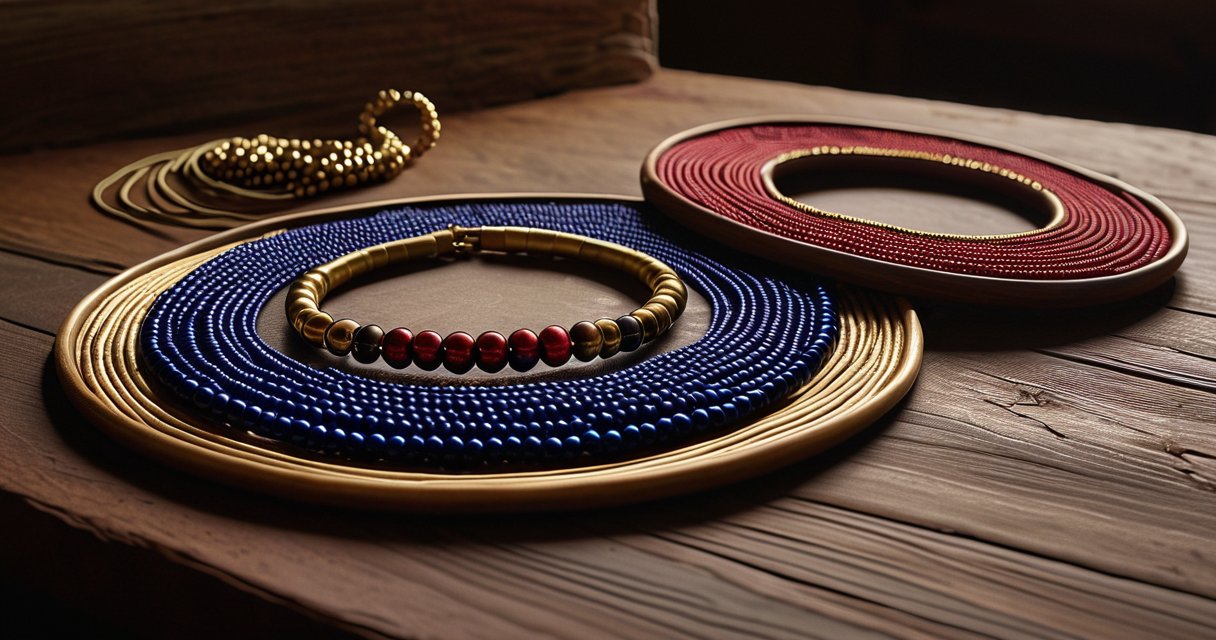
The world of handcrafted African jewellery is rich with celebrated items that pay tribute to the continent’s cultural heritage. Various regions have cultivated distinct styles, each reflecting its unique traditions, materials, and craftsmanship. These varied forms of African jewellery continually captivate collectors and fashion enthusiasts due to their visual charm and cultural significance.
A renowned craft is the intricate beadwork produced by the Maasai people of East Africa. Known for their bright colours and elaborate patterns, Maasai bead jewellery encompasses pieces like necklaces, bracelets, earrings, and ceremonial ornaments. These works are more than mere decorations; they carry social and cultural meaning, representing factors such as age, marital status, and specific roles within the community.
Heading west, the jewellery of the Fulani in the Sahel region is distinguished by its bold and distinctive designs. Primarily crafted from gold or brass, Fulani earrings and headdresses are characterised by their large circular shapes and detailed filigree artistry. The use of precious metals highlights the wearer’s rank and prestige within the community, making these iconic African jewellery pieces highly sought after.
In Southern Africa, the Ndebele people are celebrated for their striking neck rings and elaborately beaded accessories. These handcrafted African jewellery items signify wealth and social standing. The eye-catching geometric designs and vibrant colour contrasts have become hallmarks of Ndebele craftsmanship, blending tradition with aesthetic appeal.
North Africa presents a distinctive charm through its Berber jewellery tradition. Typically crafted from silver and adorned with coral or amber, Berber pieces include eye-catching necklaces, bracelets, and fibula brooches. Each design includes symbolic motifs that represent protection, fertility, or tribal affiliation, making them both meaningful and recognisable.
Regions in West Africa, such as Nigeria, are famous for the elaborate beaded crowns, collars, and coral adornments of the Yoruba and Benin traditions. These pieces often feature intricate beadwork combined with coral beads and gold accents, representing nobility and spiritual power. This unique African jewellery truly enchants with its exceptional artistry and cultural importance.
The jewellery designs of the Fulani, Tuareg, Maasai, and Zulu stand out as some of the most esteemed and timeless examples of handcrafted African jewellery. Each distinctive style tells the story of its community, showcasing a remarkable variety of techniques and significance across the continent. Delving into these celebrated African jewellery styles offers a glimpse into Africa’s vibrant artistic legacy and enduring cultural richness.
Maasai Beaded Jewellery
The vibrant and intricate beadwork characteristic of Maasai jewellery is instantly recognisable, symbolising much more than mere adornment. These bright, bead-filled pieces, particularly the beaded necklaces, are emblematic of Kenyan jewellery, reflecting centuries of tradition and cultural importance. Each necklace is crafted with care, combining colours and patterns that convey various meanings related to social status, age, marital situation, and community roles within the Maasai.
Maasai jewellery displays a rich variety of vivid hues, with beads meticulously strung together to create striking geometric designs. For example, red beads represent courage and togetherness, while blue signifies vitality and the heavens. The art of beadwork is often a collective endeavour, predominantly led by women who play a crucial role in crafting these pieces. This collaborative spirit ensures that the jewellery reflects both creative artistry and cultural heritage that is passed down through generations.
In addition to their aesthetic charm, Maasai beaded necklaces serve as important cultural symbols within Kenyan jewellery traditions. They are worn during occasions such as weddings and initiation rites, marking significant milestones in Maasai heritage. Furthermore, this jewellery aids in reinforcing community bonds and individual identity, allowing the wearer to convey their societal role without words.
In contemporary contexts, Maasai beadwork continues to enchant designers around the world, ensuring that these unique styles remain both important and revered. The durability and craftsmanship of Maasai jewellery bolster its status as a cherished symbol of African artistry and cultural legacy.
Tuareg Silverwork
Tuareg jewellery is renowned for its intricate silver craftsmanship, a hallmark of the Saharan jewellery tradition. Created by the Tuareg nomads living in the vast, arid Sahara Desert, this jewellery reflects centuries of cultural heritage and skilled artistry. The Tuareg are admired not only for their distinctive designs but also for their proficiency in silverwork, a metal that holds both aesthetic value and symbolic significance in their culture.
Each piece of Tuareg jewellery is meticulously handmade using traditional techniques passed down through generations. The silver is usually sourced locally, then shaped, engraved, and formed into beautiful designs such as geometric patterns, symbols, and talismans. These motifs hold deep significance within Tuareg culture and spirituality, serving as protective amulets or representations of social status in the community.
The versatility of Tuareg silver artistry includes various Saharan ornaments, including bracelets, necklaces, rings, and intricate pendants. Notably, the use of filigree and granulation adds delicate details and texture, creating a beautiful contrast with the stark desert landscape. This blend of durability and refined craftsmanship makes Tuareg silver creations both functional and ornamental, perfectly suited to the challenging environment of the Sahara.
Tuareg jewellery is cherished by collectors and enthusiasts around the world, not merely for its visual appeal but also for the cultural stories it embodies. The silver craftsmanship of the Tuareg showcases their resilience, creativity, and deep connection to the Sahara Desert, marking it as a unique form within the broader spectrum of African handcrafted jewellery.
Zulu Wire and Beaded Jewellery
Zulu jewellery, renowned for its intricate wire craftsmanship and vibrant bead designs, holds a significant place in South African jewellery customs. This distinctive style combines fine wire with vivid beads, expertly woven to form unique patterns that reflect deep cultural meaning and symbolism. The craftsmanship found in Zulu jewellery highlights a strong connection to heritage, with designs often representing social status, marital condition, and other important life events within Zulu communities.
Wire art in Zulu jewellery involves meticulously twisting and shaping fine metal wire into complex loops, spirals, and geometric forms. These wire components serve as both essential and decorative features, introducing a unique texture and richness to each piece. In addition to the wirework, beads are strung together to form intricate, repeating patterns that showcase vibrant colour combinations, including striking contrasts of white, red, black, green, and yellow beads. These colours are not just ornamental but hold meaning that reflects Zulu spirituality and cultural heritage.
The fusion of wire and beads in Zulu jewellery allows artisans to create versatile pieces, including necklaces, bracelets, and earrings, all showcasing eye-catching yet harmonious designs. Carefully structured bead patterns often illustrate symbolic motifs such as chevrons, triangles, and lines, conveying significant messages or stories for the wearer. This combination of wire craftsmanship and beadwork is a hallmark of South African jewellery, highlighting not only creative skill but also a rich cultural narrative that captivates collectors and enthusiasts worldwide.
Choosing and Caring for Handcrafted African Jewellery
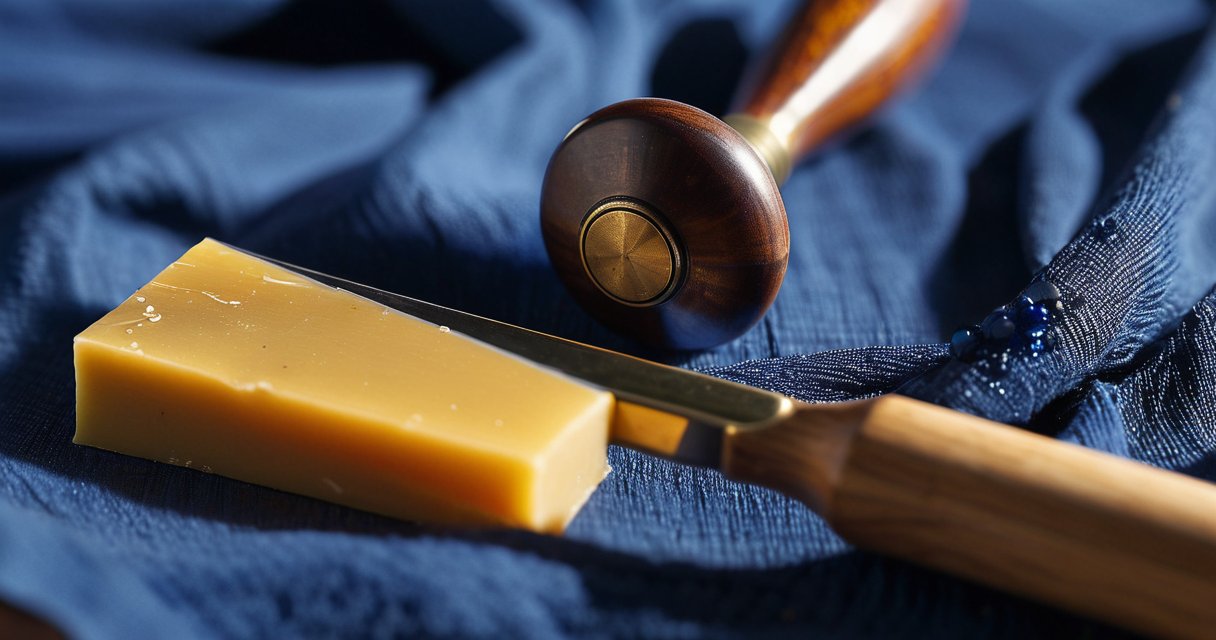
When choosing African jewellery, it is essential to emphasise authenticity and craftsmanship. Items made by artisans often reflect the spirit and traditions of their origin, making it important to select pieces that highlight genuine artistry. Start by investigating the unique materials and techniques specific to different African areas, such as the intricate beadwork of the Maasai or the impressive brass and bronze casting from West Africa. This knowledge will help you recognise authentic pieces among mass-produced imitations.
A valuable tip for selecting African jewellery is to purchase from reputable artisans or trustworthy retailers who specialise in handmade products. This ensures that your buying supports local communities and preserves age-old crafting methods. Consider factors like the regularity of bead sizes, the quality of metal finishes, and the presence of traditional motifs. These features often demonstrate careful, expert craftsmanship as opposed to items produced in large quantities.
Looking after your jewellery is just as important as choosing the ideal piece. Handcrafted African jewellery frequently features natural materials such as wood, bone, beads, or precious metals that require special care. To enhance their longevity, make sure to store your pieces separately in soft pouches or padded boxes to prevent scratches and entanglement. Avoid exposing your jewellery to harsh chemicals, including perfumes or cleaning agents, as these can damage the surfaces and diminish the vibrancy of the colours.
Regularly cleaning your handmade jewellery will help it stay vibrant and attractive. After every wear, use a soft, dry cloth to gently wipe away any dirt and oils. For metal components, you can use a mild soap solution and a soft brush with caution, but be sure to dry the jewellery thoroughly afterwards to prevent tarnishing or corrosion. Exercise extra care with delicate beadwork or stringing materials, as these may require more gentle handling and should typically be kept away from water.
Remember that African jewellery is more than mere decoration; it embodies cultural identity and heritage. By carefully choosing pieces and practising mindful upkeep, you honour the skills of the artisans and ensure that your collection remains both stunning and meaningful for years to come. Whether you are a seasoned collector or a newcomer, investing time in selecting authentic handcrafted African jewellery and maintaining it properly will enhance its value in terms of aesthetic charm and emotional resonance.
Authenticity and Ethical Considerations
When purchasing authentic African jewellery, it is important to concentrate on pieces that genuinely reflect the continent’s diverse cultural heritage and traditional craftsmanship. Genuine African jewellery often features materials, techniques, and designs that are specific to certain regions or tribes, so it is essential to delve into the history of each piece. To ensure you are acquiring genuine items, seek out reputable sellers who provide comprehensive descriptions, provenance, and information about the artisans behind the creations.
Ethical buying should be at the core of your decision-making process. More and more consumers are recognising the impact their purchasing decisions have on communities and the environment. Opting for fair trade jewellery guarantees that artisans receive just compensation and work in secure conditions. Additionally, fair trade initiatives promote sustainable practices, helping to preserve local resources and traditional crafts for future generations.
To boost your assurance in the ethical sourcing of your jewellery, look for certifications or affiliations with fair trade organisations. These endorsements provide peace of mind that your piece adheres to socially responsible business practices. Additionally, purchasing directly from artisan cooperatives or respected galleries promotes transparency and strengthens the connection between the buyer and the creator.
By prioritising authentic African jewellery and adhering to ethical sourcing practices, you not only acquire a beautiful item but also contribute to the preservation of culture and the empowerment of skilled artisans. In doing so, you pay tribute to the tradition of fair trade jewellery — a principle that values both artistry and ethical considerations.
Cleaning and Maintenance Tips
Proper cleaning and maintenance tips for jewellery are essential to preserve the charm and longevity of handcrafted African designs. These items often incorporate various materials like wood, beads, metals, and natural stones, all of which require specific care. For wooden jewellery, it is advisable to keep it away from water; instead, gently clean it with a dry, soft cloth to prevent any damage such as cracking or warping. Occasionally, apply a small amount of natural oil, like jojoba or coconut oil, to moisturise the wood and restore its luster.
Beaded jewellery, especially pieces crafted from glass or ceramic beads, should be maintained with a mild soap solution and a soft brush. Ensure to rinse thoroughly and delicately dry with a lint-free cloth. Avoid soaking the beads, as this may jeopardise the thread or adhesive that holds the piece together. For metal components such as brass, copper, or silver, utilise a specific jewellery cloth to remove tarnish without damaging the surface. Avoid harsh chemical cleaners that could strip away authentic patina or finishes.
Natural stones incorporated into handmade jewellery ought to be cleaned delicately using lukewarm water and a soft brush. Steer clear of ultrasonic cleaners or steamers, as these may damage porous or softer stones. When storing your pieces, ensure they are placed in individual cloth bags or boxes to prevent scratches and tangling. Regularly inspect your artisan jewellery for any indications of wear or loose parts, and seek professional assistance for repairs when needed. By following these care and maintenance recommendations, you will help maintain the vibrancy and cherished appearance of your handcrafted African jewellery for years to come.

I’m fascinated by the vibrant intersection of contemporary fashion and traditional African craftsmanship. I spend my free time exploring markets, learning about textile techniques, and sharing the stories behind each piece with our readers.