
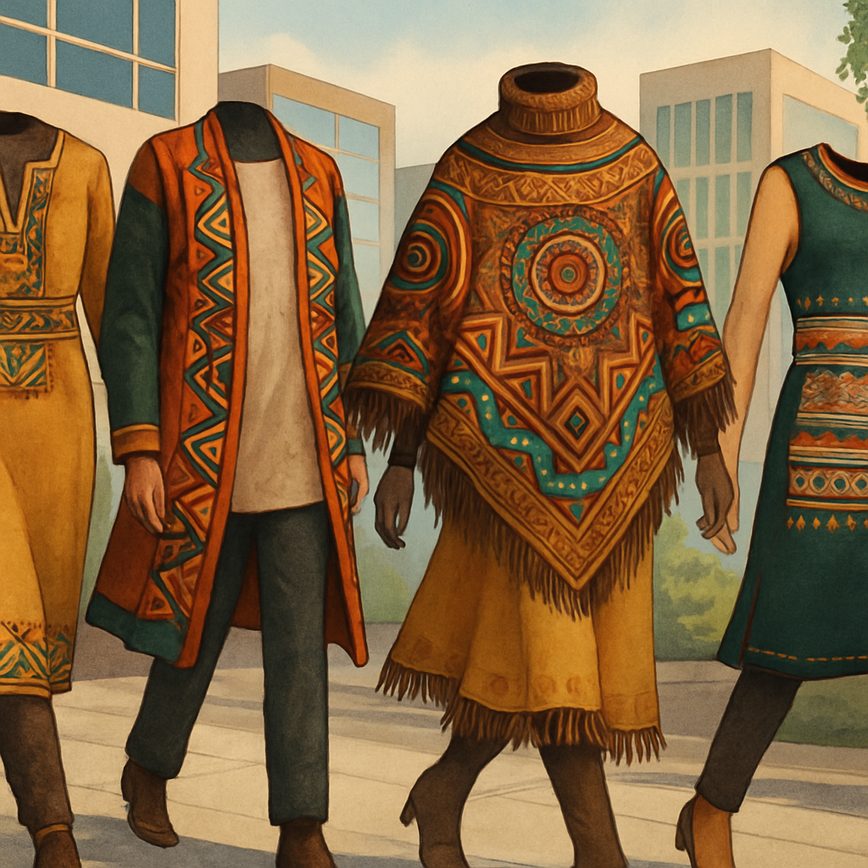
Evolution of Tribal Fashion in Modern Context
Tribal fashion, with its rich cultural heritage and distinctive aesthetic, has undergone a remarkable modern evolution that bridges tradition and contemporary style. Rooted deeply in the histories of indigenous communities, tribal fashion initially served as a medium for expressing identity, social status, and cultural narratives. Today, these traditional designs and motifs have transcended their original contexts, influencing global fashion scenes and becoming a key source of inspiration for designers worldwide.
The modern evolution of tribal fashion is characterized by a dynamic blending of old and new. Traditional patterns and handcrafted techniques, such as beadwork, weaving, and embroidery, are now integrated with innovative materials and contemporary cuts. This fusion not only preserves the authenticity of tribal aesthetics but also adapts them for modern-day wearability. As a result, tribal fashion has emerged as a vibrant and versatile category within the broader fashion industry.
Cultural influence plays a pivotal role in this transformation. Fashion designers and brands are increasingly recognizing the value of indigenous artistry, collaborating with tribal craftspeople or drawing inspiration from ancestral garments to create collections that honor these traditions. This growing global appreciation for tribal fashion also raises important conversations about cultural respect and intellectual property rights, pushing the industry towards more ethical and inclusive practices.
Moreover, the fashion history of tribal attire reveals a profound dialogue between past and present. Elements such as symbolic motifs, natural dyes, and unique silhouettes hold significant meaning that transcends aesthetics. By incorporating these elements into contemporary fashion, designers pay homage to the stories and craftsmanship behind them while introducing a new audience to the cultural significance embedded in tribal attire.
The influence of tribal fashion on modern style is evident in the proliferation of prints, accessories, and textiles seen on international runways, streetwear, and high-fashion collections. As this trend continues to evolve, it underscores the importance of cultural diversity and the timeless appeal of tribal fashion’s unique visual language. Ultimately, the modern reinterpretations of tribal fashion demonstrate how cultural heritage can inspire innovation and enrich the global fashion landscape.
Historical Roots of Tribal Attire
Tribal attire embodies a rich tapestry of history and cultural heritage that has been passed down through generations. The traditional styles of tribal clothing are deeply rooted in the specific customs, beliefs, and environmental conditions of each community. These garments and accessories often serve as symbols of identity, social status, and spiritual beliefs within the tribe. For example, materials used such as animal hides, feathers, beads, and woven fabrics are not only practical but also carry symbolic meanings tied to nature and ancestry.
The history of tribal attire is intertwined with rituals and ceremonies, where each element of dress holds significance, from colors chosen to the patterns embroidered or painted. These traditional styles are more than mere clothing; they are living representations of a tribe’s lineage and values. Wearing such attire connects individuals to their cultural roots, reflecting a sense of pride and continuity. Accessories like jewelry, headdresses, and ornamental markings often signify achievements, marital status, or spiritual protection, illustrating the deep cultural resonance embedded in tribal attire.
Understanding and preserving the history of tribal attire helps celebrate the diversity and resilience of indigenous cultures worldwide. Today, modern reinterpretations of these traditional styles pay homage to their origin while embracing contemporary aesthetics, further highlighting the enduring significance of tribal attire as a vibrant cultural heritage.
Contemporary Adaptations and Trends
Modern tribal fashion is undergoing a dynamic evolution as designers across the globe incorporate traditional tribal motifs and fabrics into contemporary clothing lines. These adaptations reflect a growing appreciation for cultural heritage while also pushing fashion trends forward through innovative design. Today, tribal patterns, once confined to indigenous communities, are being reimagined with a modern twist that appeals to a global audience. The use of bold geometric shapes, vibrant colors, and intricate patterns rooted in tribal art adds a distinctive aesthetic that sets these pieces apart in the competitive fashion marketplace.
Fashion designers are blending traditional materials like handwoven textiles and natural dyes with cutting-edge techniques such as digital printing and sustainable production methods. This fusion results in garments that honor cultural origins while meeting the demands of modern consumers looking for style, authenticity, and ethical value. Many collections highlight the storytelling aspect of tribal designs, emphasizing their symbolic meanings and cultural significance, which enriches the narrative of contemporary fashion.
The trend towards design innovation in modern tribal fashion extends beyond clothing to accessories and footwear, where motifs are used to create statement pieces that complement everyday wear. By embracing these adaptations, designers not only celebrate diversity but also drive fashion forward, crafting garments that are both rooted in history and aligned with current trends. This insightful blend of past and present invites fashion lovers to experience the richness of tribal heritage through a new, inspired lens.
Key Designers and Influencers Shaping Tribal Fashion Today
The vibrant world of tribal fashion has been profoundly reshaped and revitalised by a dynamic group of fashion designers and style icons who champion tribal influences in their work. These modern fashion leaders harness the power of ancestral aesthetics, reinterpreting traditional motifs and techniques through a contemporary lens to create collections that are both culturally respectful and cutting-edge.
One of the most notable fashion designers leading this movement is Stella Jean. Known for her innovative and authentic use of ethnic patterns, she masterfully blends her Haitian-Italian heritage with modern silhouettes. Her work brings tribal influences to global runways, showcasing how traditional craftsmanship can beautifully coexist with high fashion. Jean’s dedication to ethical sourcing and collaboration with indigenous artisans underlines the importance of cultural respect in fashion.
Another prominent figure is Kerby Jean-Raymond, the founder of Pyer Moss, who highlights African-American culture and history in his provocative and visually striking collections. By incorporating tribal symbolism and narratives into urban fashion, Jean-Raymond not only elevates tribal aesthetics but also raises social and political awareness through his designs.
Style icons and influencers also play a pivotal role in the resurgence of tribal fashion. Celebrities such as Lupita Nyong’o and Zendaya have embraced tribal prints and handcrafted accessories in their public appearances, amplifying the reach and appreciation of these styles. Their influence encourages mainstream audiences to embrace diverse cultural expressions, making tribal fashion a powerful statement of identity and pride.
Furthermore, designers like Duro Olowu fuse traditional African textiles with Western tailoring, while Marques’Almeida incorporates tribal patterns into edgy, urban collections. These modern fashion leaders, through their innovative approaches, help to dismantle stereotypes surrounding tribal fashion, promoting it as a sophisticated and relevant design element for today’s global wardrobe.
In summary, the creative contributions of these fashion designers and influencers have been instrumental in reviving tribal aesthetics within the fashion industry. Their efforts celebrate cultural heritage while pioneering new trends, ensuring that tribal influences remain vibrant and influential in shaping the future of style.
Notable Fashion Designers Embracing Tribal Elements
Several notable designers today are celebrated for their innovative integration of tribal elements into contemporary fashion collections. These designers skillfully use tribal patterns and symbolism to create pieces that honor cultural heritage while pushing the boundaries of modern style. Their fashion collections often feature bold geometric prints, earthy color palettes, and handcrafted details inspired by traditional tribal artistry.
Designer profiles such as Stella Jean stand out for blending African and Caribbean tribal motifs with Italian tailoring, producing garments that make a powerful statement about identity and multiculturalism. Similarly, Duro Olowu incorporates Yoruba-inspired prints and textiles, highlighting the richness of Nigerian tribal culture within a global fashion context.
Another remarkable figure is Jean-Paul Gaultier, who has famously drawn on indigenous and tribal references to add texture and depth to his avant-garde collections. By embracing tribal patterns and symbolism creatively, these designers not only celebrate tradition but also challenge the fashion industry to consider diverse cultural narratives.
Through their thoughtful approach to design, these notable designers help ensure that tribal elements remain a vibrant and influential force in contemporary fashion, continually inspiring fresh interpretations and dialogues across the global fashion scene.
Social Media and Influencer Impact
Social media platforms have become powerful tools in promoting and popularizing modern tribal fashion, significantly shaping the way tribal styles are perceived globally. Through platforms like Instagram, TikTok, and Pinterest, fashion influencers showcase unique tribal-inspired outfits that blend traditional elements with contemporary trends. These influencers, often admired for their distinctive styles and cultural appreciation, inspire their followers to explore and embrace tribal aesthetics.
Fashion influencers play a crucial role in highlighting the beauty and significance of tribal styles by sharing vibrant visuals, styling tips, and cultural stories behind the designs. This digital impact not only educates a broad audience but also fosters a deeper appreciation and respect for tribal heritage in the fashion industry. The frequent sharing of tribal-inspired content creates viral trends, making these styles more accessible and desirable to a global market.
Moreover, the interactive nature of social media allows for direct engagement between designers, influencers, and followers, encouraging collaboration and innovation within the tribal fashion community. Hashtags dedicated to tribal fashion further help in organizing and amplifying this niche. As a result, social media and fashion influencers have become indispensable in the revival and reinvention of tribal styles, ensuring they remain relevant and celebrated in today’s fashion landscape.
Ethical Considerations in Modern Tribal Fashion
In the evolving landscape of modern tribal fashion, ethical fashion has become a crucial consideration for designers, brands, and consumers alike. The allure of tribal-inspired patterns, fabrics, and styles is undeniable, yet it comes with the responsibility to respect the cultural origins from which these aesthetics are derived. Ethical fashion in this context means more than just sustainable materials; it involves honoring the heritage, traditions, and creators behind the designs.
Cultural appropriation is a significant ethical challenge in the fashion world, particularly with tribal-inspired apparel. When elements of a culture are taken out of context and used without understanding or permission, it can lead to misrepresentation and disrespect. This not only diminishes the cultural value but also ignores the socioeconomic dynamics of the original communities. Therefore, maintaining tribal respect is essential for anyone involved in modern tribal fashion to ensure that the inspiration does not become exploitation.
One effective way to uphold ethical fashion practices is through collaboration with indigenous artisans and communities. This approach allows designers to create authentic pieces while providing fair compensation to the original creators. It fosters a respectful exchange of cultural knowledge and helps sustain traditional craft techniques. By prioritizing such partnerships, modern tribal fashion can contribute to preserving cultural heritage rather than eroding it.
Sustainable fashion is also intrinsic to ethical considerations in tribal fashion. Choosing eco-friendly fabrics and production methods reduces environmental impact and supports a more responsible fashion cycle. When combined with cultural respect, sustainable fashion promotes a holistic approach that values people, planet, and cultural legacy alike. Brands committed to this path gain trust and loyalty from a conscious audience that cares deeply about where and how their clothing is made.
Ultimately, ethical considerations in modern tribal fashion shape a more just and conscious industry. They remind us that fashion is not just about aesthetics; it carries the weight of history and identity. By embracing ethical fashion, respectful cultural engagement, and sustainability, the industry can honor the richness of tribal traditions while innovating for the future.
Cultural Appropriation vs Cultural Appreciation
Understanding the difference between cultural appropriation and cultural appreciation is essential in navigating the ethics of fashion, especially when it comes to tribal designs. Cultural appropriation occurs when elements of a minority culture are taken out of context and used by a dominant culture, often without permission or understanding. This can lead to misrepresentation, disrespect, and the commodification of sacred symbols. In contrast, cultural appreciation involves a respectful acknowledgement and admiration of another culture’s traditions and artistic expressions. It requires effort to learn about the cultural significance behind the designs and to engage with the community thoughtfully.
Fashion ethics play a crucial role in distinguishing between these two practices. Designers and consumers must be aware of how they source inspiration and whether they collaborate with or give credit to the cultures they draw from. Ethical fashion prioritises transparency, respect, and mutual benefit, allowing tribal designs to be celebrated authentically without exploitation. By focusing on cultural appreciation rather than appropriation, the fashion industry can promote inclusivity and honour the rich heritage embodied in these unique patterns and styles.
Ultimately, cultural appreciation in fashion respects the origins and meaning of tribal designs, fosters dialogue, and supports the communities behind them. This thoughtful approach encourages innovation grounded in respect rather than misunderstanding or exploitation, making fashion a responsible platform for cultural exchange and celebration.
Sustainability and Supporting Indigenous Artisans
Modern fashion brands have a crucial role to play in promoting sustainability by collaborating with indigenous artisans. By sourcing materials and craftsmanship ethically, brands can ensure fair trade fashion practices that respect both the environment and cultural heritage. Supporting indigenous communities not only fosters traditional skills but also provides these artisans with fair wages and improved living conditions.
Embracing sustainability means prioritizing ethical sourcing—choosing materials and production methods that minimize environmental impact. Indigenous artisans often use natural, locally-sourced resources and age-old techniques that align with eco-friendly practices. This synergy enables brands to offer unique, sustainable products while empowering communities to maintain their cultural identity and economy.
By championing fair trade fashion, modern brands can address social justice issues within the industry. Transparent partnerships with artisan groups create opportunities for education, skill development, and cultural exchange. As a result, both the planet and people benefit from responsible production. Consumers, increasingly aware of sustainability, are drawn to products that reflect ethical values and authentic stories.
In conclusion, supporting indigenous artisans through sustainable, ethical sourcing practices is not only a moral imperative but also a path to innovative, meaningful fashion. Modern brands that embrace this approach help preserve traditions, uplift communities, and contribute to a more equitable and environmentally friendly industry.

I’m fascinated by the vibrant intersection of contemporary fashion and traditional African craftsmanship. I spend my free time exploring markets, learning about textile techniques, and sharing the stories behind each piece with our readers.