
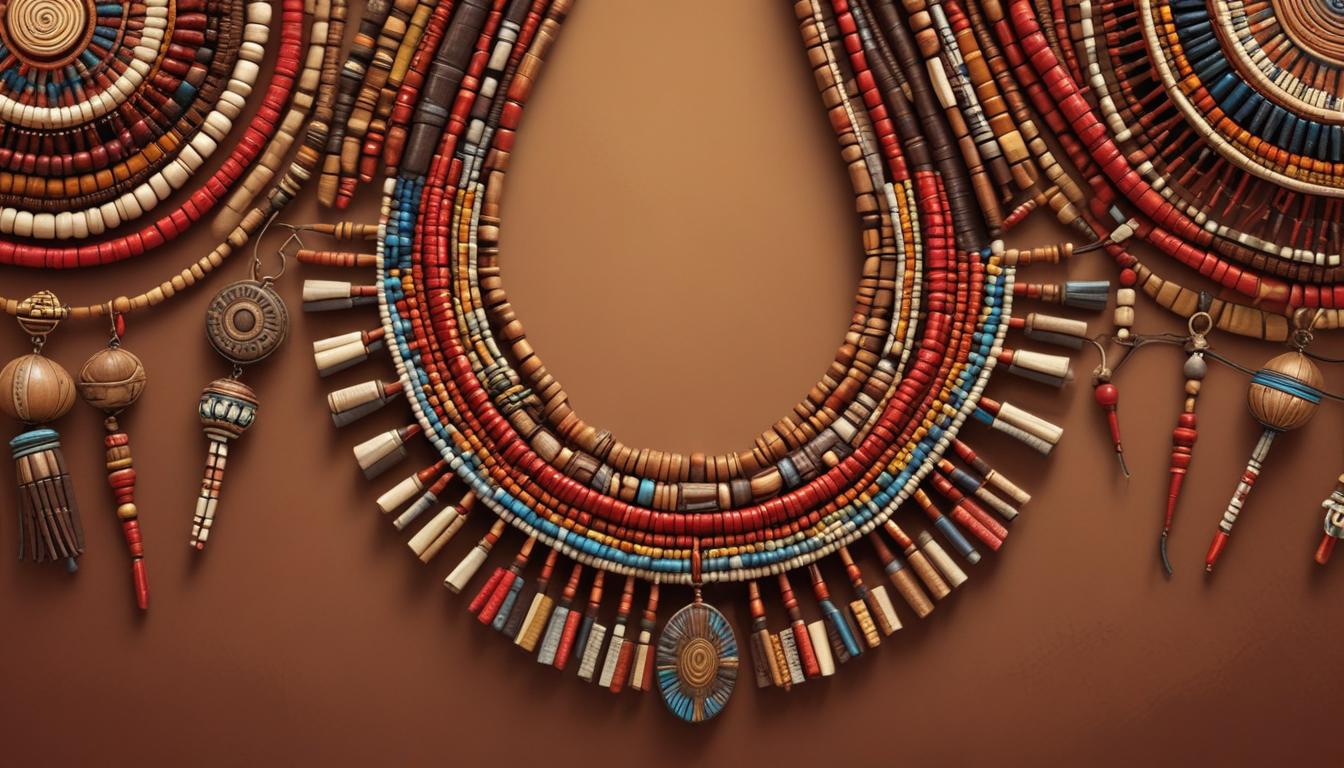
The Cultural Significance of African Accessories
African accessories are much more than mere adornments; they are vivid symbols that embody the cultural heritage and identity of various communities across the continent. Each piece of traditional jewellery tells a unique story, reflecting the customs, beliefs, and social statuses of the people who wear them. African accessories serve as a bridge between generations, preserving ancestral knowledge and instilling a sense of pride and belonging in the wearer.
Throughout Africa, from the elaborate beadwork of the Maasai in East Africa to the intricate gold jewelry of the Ashanti in West Africa, accessories are deeply woven into the cultural fabric. These adornments are often handcrafted using materials sourced from the natural environment, including beads, metals, shells, and stones, each chosen for its symbolic significance. For instance, colors in Maasai beadwork convey meanings related to bravery, health, and unity, making each accessory a cultural statement.
Traditional jewellery also plays a vital role in ceremonies and rites of passage. In many African societies, accessories mark significant life events such as births, marriages, and initiations, serving as a visual representation of the wearer’s journey and social role. These cultural artifacts are passed down as heirlooms, carrying the weight of history and ancestral wisdom, thus reinforcing the continuity of cultural heritage.
The cultural significance of African accessories extends beyond their aesthetic appeal; they are powerful symbols of identity, unity, and resistance. During periods of colonization, many communities used traditional jewellery to assert their cultural identity and resist assimilation. Today, African accessories continue to be embraced by people worldwide, acknowledging and celebrating the richness and diversity of African cultural heritage.
In summary, African accessories represent far more than decorative items. They encapsulate rich cultural narratives and traditions across diverse regions, serving as tangible links to the past and vibrant expressions of cultural pride and identity. This timeless quality ensures that African accessories remain an enduring symbol of cultural heritage and traditional jewellery artistry.
Symbolism and Meaning Behind Designs
African accessories are rich in symbolism, with each design and pattern carrying unique meanings that have been passed down through generations. African patterns often represent concepts such as unity, fertility, spirituality, and protection. These symbolic design meanings are deeply intertwined with the cultural heritage and beliefs of various African communities. For instance, the Adinkra symbols of the Akan people in Ghana convey messages about wisdom, strength, and moral values, often featured prominently in accessories like beads and textiles.
Many traditional African accessories serve not only as adornments but also as storytellers, expressing identity, social status, and historical narratives. The use of specific motifs such as geometric shapes, animals, and nature-inspired elements often holds spiritual significance, acting as talismans or expressions of ethnic pride. Understanding the symbolism behind these design meanings enriches the appreciation of African patterns and highlights why these accessories remain timeless treasures.
Through symbolism, African accessories become more than just decorative pieces; they embody the wisdom and worldview of their creators. This deep connection between artistry and cultural meaning ensures that African patterns continue to resonate globally, preserving history and fostering a sense of belonging for generations to come.
Use in Rituals and Ceremonies
African accessories hold a profound significance in rituals, ceremonies, and special occasions, where they transcend mere decoration to become symbols of cultural identity and spiritual meaning. In many African communities, these accessories are carefully chosen and worn to honor traditions, communicate status, and celebrate important life events. From weddings and initiations to religious gatherings, accessories such as beads, masks, and textiles play an integral role in marking these moments with reverence and beauty.
During rituals, African accessories are often believed to possess spiritual power, connecting wearers to ancestors, deities, or the natural world. For example, certain beads might symbolize protection or fertility, while elaborate masks can embody spirits that guide ceremonial dances. The use of these items is deeply embedded in cultural use, as their designs, colors, and materials carry coded messages understood within the community.
In ceremonies, accessories also serve to distinguish roles and statuses. Chiefs, shamans, and brides often wear uniquely crafted items that denote their importance or specific function within the event. This not only enriches the visual spectacle but also preserves cultural heritage through generations, highlighting the timeless nature of African accessories in both ritualistic and celebratory contexts.
Craftsmanship and Materials That Defy Time
African accessories are celebrated worldwide not only for their vibrant aesthetics but also for their exceptional durability, a result of the meticulous artisan craft that goes into their creation. Each piece is a testament to the skill and dedication of craftspeople who have perfected their techniques over generations. This high-quality craftsmanship ensures that African accessories are more than mere fashion statements—they are timeless artifacts that tell stories and preserve cultural heritage.
The artisans use traditional methods that emphasize precision and care, often working with natural materials that embody both beauty and resilience. Materials such as leather, beads, wood, bone, and metals are carefully selected for their strength and longevity. These natural elements are not only sustainable but also age gracefully, often developing a richer patina that enhances the accessory’s charm over time. This thoughtful choice of materials, combined with expert craftsmanship, results in durable accessories designed to withstand everyday wear and endure through the years.
Furthermore, the artisan craft behind African accessories embodies a blend of creativity and functionality. Each stitch, bead placement, or carving is purposefully done to maximize the accessory’s structural integrity. This is why many African accessories remain in excellent condition long after their creation. Their timeless design, paired with sturdy construction, ensures they are cherished heirlooms passed down through generations.
In addition to their physical durability, many African accessories carry symbolic meanings embedded by the craftsmen, making each piece unique and invaluable. The use of natural materials not only fosters a connection with the environment but also highlights the sustainability of African artisanal traditions. This commitment to quality materials and artisan craft reaffirms why African accessories continue to captivate admirers worldwide and maintain their place as enduring symbols of culture and artistry.
Ultimately, it is this harmonious fusion of natural materials and expert artisan craft that grants African accessories their timeless appeal. They are more than just adornments—they are durable treasures that embody the spirit, history, and creativity of African cultures, remaining relevant and revered across generations and borders.
Traditional Techniques Passed Through Generations
African accessories are deeply rooted in traditional techniques that have been handed down through generations, preserving a rich craft heritage. These artisanal methods involve intricate handiwork, where skilled artisans meticulously create each piece by hand. The process often includes weaving, beading, carving, and metalworking, all done using tools and techniques passed from elders to apprentices. This commitment to handmade craftsmanship ensures that every accessory is unique and carries cultural significance beyond its aesthetic appeal.
Preserving these traditional techniques is crucial for maintaining the cultural identity of African communities. Families and artisans dedicate years to mastering these skills, often passing them down within the family or community workshops. This generational transfer not only sustains the craft heritage but also fosters a sense of pride and continuity. It allows the stories, symbols, and meanings behind each design to live on in contemporary accessories, making them timeless pieces that connect the past with the present.
By choosing accessories made with traditional techniques, wearers support the preservation of artisanal skills and help keep alive the cultural narratives embedded in every creation. These handmade accessories embody a blend of history, artistry, and identity, making them treasured items that transcend fashion trends and modern mass production.
Sustainable and Natural Materials
African accessories are celebrated for their use of natural materials, which not only enhance their beauty but also promote sustainable crafting practices. Traditional artisans often incorporate elements such as beads, wood, and metals sourced directly from nature. These materials are chosen for their organic qualities, ensuring that each accessory carries a unique, authentic essence derived from its environment. The use of natural materials contributes significantly to the durability of these accessories, as items crafted from wood and metal tend to withstand daily wear while aging gracefully over time.
Beads, often made from seeds, stones, or recycled glass, are a testament to sustainability and creativity. Their organic origins mean they are biodegradable, reducing environmental impact. Wood, another cornerstone material, is carefully selected and treated using techniques passed down through generations, enabling the creation of sturdy and long-lasting pieces. Metals used in African crafting, typically recycled or naturally occurring, add resilience without compromising the eco-friendly essence of the accessories.
The emphasis on sustainable crafting not only preserves the environment but also honors traditional knowledge and craftsmanship. By using natural materials, artisans produce organic accessories that blend style with responsibility, offering consumers durable pieces with a minimal carbon footprint. This dedication to sustainability ensures that African accessories remain timeless, both in design and ecological consciousness, fostering a deeper appreciation for the environment and cultural heritage alike.
The Enduring Fashion Appeal of African Accessories
African accessories have carved out a distinctive and enduring place in the global fashion landscape. Their relevance has not only persisted but flourished amid ever-changing fashion trends globally. This timeless style stems from a perfect blend of rich cultural heritage, exceptional craftsmanship, and the versatility of design that resonates with both traditional and modern fashion sensibilities.
One of the key reasons African accessories remain fashionable is their deep cultural symbolism intertwined with artistry. These accessories often tell stories through their unique materials, colors, and patterns — elements that carry meaning beyond aesthetics. As modern African fashion gains international recognition, designers frequently draw upon these traditional motifs, ensuring that African accessories continue to have a place on global runways and in contemporary wardrobes alike.
Moreover, the craftsmanship behind African accessories is inherently sustainable and intricate, often involving handwoven fabrics, beads, and natural materials. This attention to detail and commitment to handmade quality contrast sharply with mass-produced fashion items, giving these accessories a lasting value and appeal. Consumers seeking authentic and timeless style choices are naturally drawn to these pieces which embody skill, history, and individuality.
Fashion trends are often fleeting, but African accessories transcend this by offering a timeless style that adapts effortlessly across different eras and styles. Whether integrated into casual outfits or elegant attire, these accessories provide versatility that appeals to a wide audience. From bold, statement jewelry to subtle embellishments, they adapt seamlessly to evolving fashion narratives while maintaining their cultural essence.
The global fashion industry’s growing embrace of diversity and cultural appreciation has further propelled African accessories into the spotlight. Their enduring appeal lies in their ability to connect the past with the present, blending ethnic heritage with contemporary fashion trends. This unique synthesis ensures that African accessories remain a favored choice for those seeking to express individuality through timeless, meaningful adornment.
Adaptation in Contemporary Fashion
African accessories have found a unique and celebrated place within contemporary fashion, effortlessly bridging the gap between tradition and modernity. Designers around the globe are increasingly incorporating these accessories into their collections, recognizing their rich cultural heritage and timeless appeal. In contemporary fashion, African accessories are not merely adornments but symbols of identity that enrich modern design with their vivid colors, intricate patterns, and meaningful craftsmanship.
The style evolution in the fashion industry has embraced African accessories by blending traditional elements with current trends, creating a dynamic fusion that appeals to diverse audiences. From runways in Paris and New York to street fashion across continents, beaded necklaces, bold bangles, and handwoven fabrics feature prominently, preserving their cultural significance while adapting to evolving tastes. This seamless integration highlights the versatility and enduring relevance of African accessories in modern wardrobes.
Moreover, contemporary fashion leverages African accessories to celebrate diversity and champion sustainability, often collaborating with artisans who handcraft these pieces using age-old techniques. This not only supports local communities but also ensures that the authenticity of these traditional elements remains intact. The result is a style narrative that is both innovative and respectful, showcasing how African accessories continue to influence and inspire global fashion trends without losing their historic essence.
Celebrity and Influencer Endorsement
The influence of celebrity fashion and social media influencers has played a pivotal role in popularising African accessories on a global scale. Celebrities, known for their trendsetting styles, have often been spotted incorporating vibrant African jewelry, headwraps, and other traditional adornments into their wardrobes. This visibility not only elevates the status of these accessories but also introduces them to diverse audiences worldwide, making African style icons synonymous with bold and culturally rich fashion choices.
Influencers, especially those passionate about cultural representation and authenticity, use their platforms to celebrate African heritage through accessories. By showcasing these timeless pieces in contemporary fashion contexts, they bridge the gap between tradition and modernity. Their endorsements transform African accessories into must-have items, influencing followers to embrace these styles and contributing to a global appreciation of African craftsmanship.
Moreover, celebrity fashion events, red carpets, and international magazines frequently highlight African accessories worn by famous personalities, further amplifying their appeal. This trend not only boosts the visibility of African artisans but also encourages sustainable fashion practices by emphasizing handmade, culturally significant designs over mass-produced accessories. As a result, celebrities and influencers act as powerful ambassadors for African style icons, ensuring these timeless accessories remain fashionable and revered worldwide.

I’m fascinated by the vibrant intersection of contemporary fashion and traditional African craftsmanship. I spend my free time exploring markets, learning about textile techniques, and sharing the stories behind each piece with our readers.