
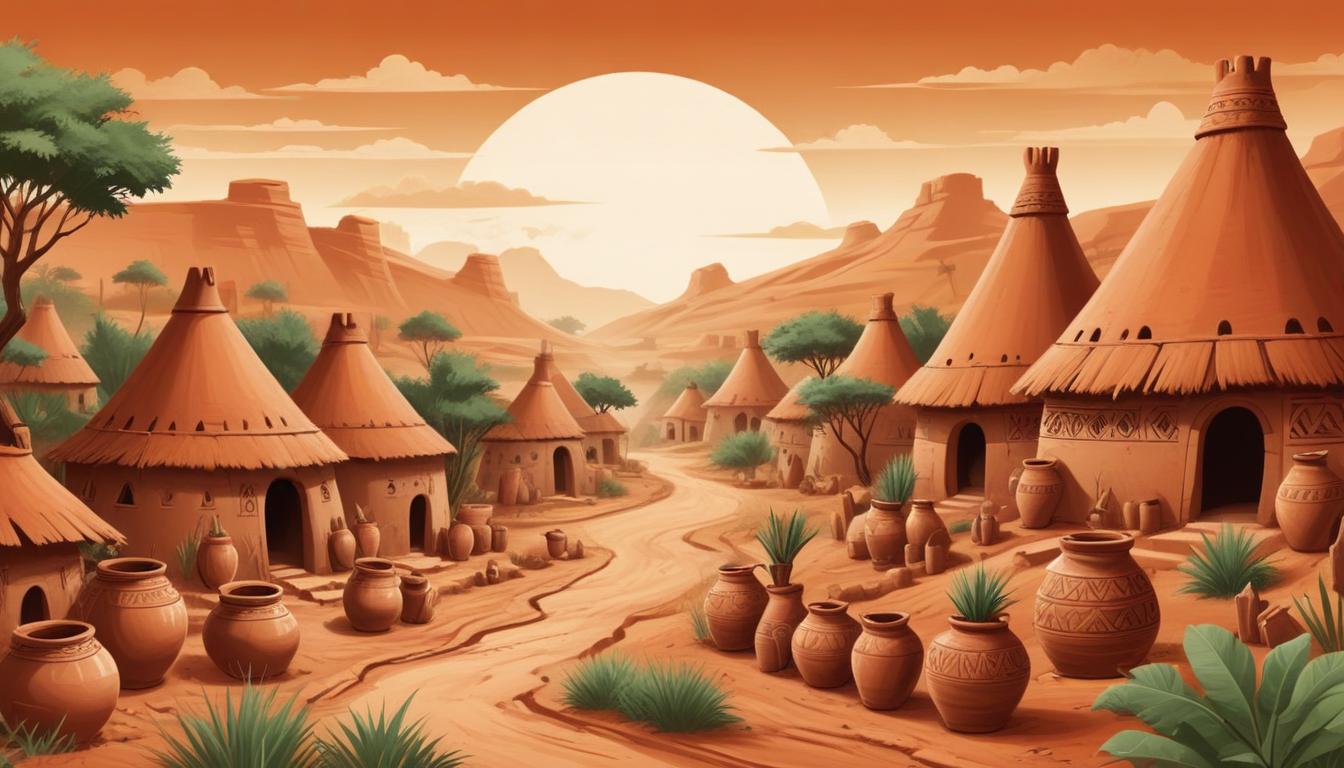
The significance of ancient crafts in African culture
Ancient crafts hold a profound place in African culture, serving as a bridge that connects the past to the present. These traditional arts are not merely creative expressions but are deeply entwined with the history and identity of various African communities. For centuries, African crafts have been passed down through generations, creating a rich tapestry of cultural heritage that preserves the spirit and legacy of the people.
The historical importance of ancient crafts in Africa lies in their role as tools for storytelling and documentation. Many African communities use crafts such as pottery, weaving, beadwork, and wood carving to reflect their beliefs, social structures, and historical events. These crafts often encapsulate symbolic meanings and spiritual significance, making them vital for maintaining cultural continuity. Through these traditional arts, artisans express their connection to ancestors and the environment, contributing to a shared cultural memory that defines community cohesion.
Furthermore, African crafts are a testament to the ingenuity and sustainability practiced by artisans over centuries. Utilizing locally sourced materials and time-honored techniques, these crafts emphasize a harmonious relationship with nature and cultural sustainability. This careful preservation of ancient methods ensures that each piece produced carries with it the legacy of its origins while remaining relevant to contemporary life.
Beyond their functional and aesthetic values, ancient crafts in Africa play a crucial role in preserving identity. As modern influences continue to shape societies, traditional arts serve as a vital anchor that roots individuals in their heritage. They empower communities to celebrate their uniqueness and resist cultural homogenization. By embracing these crafts, African artisans keep alive the stories, values, and customs that define their identity, thus fostering pride and continuity among younger generations.
In essence, African crafts are much more than beautiful creations—they are cultural vessels that safeguard the essence of African identity. Through their ongoing practice and preservation, these ancient crafts continue to enrich African communities, ensuring that their cultural heritage thrives in today’s rapidly changing world.
Cultural identity and community bonding through crafts
Traditional crafts serve as a powerful medium through which cultural identity is preserved and celebrated. For many African communities, craftsmanship is not merely a skill but a living heritage that connects generations. These crafts, ranging from intricate beadwork to handwoven textiles, embody the deep-rooted symbolism and stories of a people. Each handmade artifact reflects unique aspects of the community’s history, beliefs, and values, reinforcing a shared cultural identity.
Moreover, the process of crafting fosters robust community bonds. Artisans often work together in cooperative settings or pass down their techniques within families, creating a sense of solidarity and mutual support. Such collaborative environments nurture intergenerational relationships, where elders impart wisdom and youthful artisans bring innovation. This dynamic ensures that craftsmanship remains relevant and vibrant, reflecting evolving cultural expressions while honoring traditional roots.
Through the collective effort involved in traditional crafts, communities strengthen their social fabric and maintain an enduring connection to their heritage. These artistic practices are vital in upholding cultural pride and identity, especially in a world that is rapidly changing. As guardians of heritage, African artisans play a crucial role in preserving the authenticity of their cultural legacy, making craftsmanship a testament to the enduring spirit of community and culture.
Historical techniques and symbolism in craftsmanship
African artisans employ a rich tapestry of historical techniques that have been passed down through generations, preserving ancient practices within their craft methods. These traditional methods often involve meticulous handwork, such as intricate weaving, carving, and dyeing processes, all rooted in centuries-old expertise. For example, the indigo dyeing technique used in West African textiles showcases a deep understanding of natural materials and time-honored procedures that impart unique patterns and vibrant colors.
Beyond the physical craft methods, many African crafts are imbued with profound symbolism. The motifs and designs carved or woven into objects frequently hold cultural and spiritual meanings, telling stories of ancestry, social status, or community values. For instance, Adinkra symbols from Ghana convey messages about wisdom, strength, and unity through their distinct shapes and forms.
These symbols transform crafted pieces from mere objects into cultural artifacts that carry the essence of African heritage. In many communities, the use of specific craft techniques and symbolism is a deliberate way to maintain a connection with the past, ensuring that ancient practices remain vibrant and meaningful today. The fusion of historical techniques and symbolism in African craftsmanship thus not only preserves artistic traditions but also reinforces cultural identity.
Methods African artisans use to preserve ancient crafts
African artisans employ a variety of artisan techniques to ensure the preservation and continuation of their ancient crafts. These methods are deeply rooted in cultural traditions and practical approaches to craft preservation, allowing traditional skills to be passed down through generations. One primary technique is apprenticeship, where younger artisans learn directly from experienced masters. This hands-on training not only equips apprentices with the technical skills required but also immerses them in the cultural significance and historical context of each craft.
In addition to apprenticeships, many artisans organize community workshops and collaborative projects that encourage knowledge-sharing. These gatherings create environments for skill exchange and collective learning, reinforcing the value of traditional skills within the community. African artisans also rely on oral histories and storytelling, which often accompany the crafting process, preserving the narratives and symbolism linked to their work. These oral traditions enrich the craft and keep cultural identity alive alongside the physical techniques.
To further craft preservation, artisans utilize sustainable sourcing of natural materials that have been historically used in their work. This practice maintains authenticity while teaching new generations the importance of resource stewardship and environmental respect. Moreover, some artisans incorporate modern technologies like digital documentation and online platforms to archive techniques and promote their crafts globally. This blend of old and new methods ensures traditional skills remain relevant and accessible in contemporary contexts.
The passage of skills is also facilitated through festivals, exhibitions, and cultural events where artisans demonstrate their techniques publicly. These platforms provide recognition and appreciation for ancient crafts, motivating artisans to continue their work and inspire the youth. By embedding these practices in daily life and community activities, African artisans create living legacies where ancient crafts are not only preserved but thrive in a dynamic and evolving cultural landscape.
Apprenticeships and intergenerational knowledge transfer
Apprenticeships play a crucial role in preserving ancient crafts among African artisans by ensuring that skills and techniques are passed down through generations. This method of craft training is deeply embedded in the cultural fabric of many communities, where apprentices learn directly from experienced mentors. Through hands-on experience, young artisans absorb not only the practical skills but also the underlying philosophies and cultural significance of their craft.
Mentorship during apprenticeships fosters a close teacher-student relationship, allowing for personalized guidance and the transfer of intricate techniques that are often difficult to document in written form. This intimate mode of knowledge transfer strengthens community bonds and upholds the integrity of traditional craftsmanship. Without such apprenticeships, many invaluable artisan skills risk being lost to modernization and changing lifestyles.
Furthermore, apprenticeships create a sustainable model for continuous craft training, nurturing new generations of artisans who are well-equipped to innovate while respecting tradition. By facilitating the flow of expertise from elders to youth, communities safeguard their cultural heritage and promote economic empowerment through artisanal work. In this way, apprenticeships remain a vital mechanism for the survival and evolution of Africa’s rich craft traditions.
Use of traditional materials and sustainable practices
Sourcing traditional materials is a vital aspect of preserving the authenticity and cultural heritage embedded in African crafts. Artisans often turn to original, natural resources such as locally harvested woods, plant fibers, natural dyes, and clay that have been used for generations. These materials not only carry historical significance but also ensure that the crafts maintain their unique character and quality. By relying on these original sources, artisans help sustain traditions that date back centuries, resisting the homogenization of global mass production.
Equally important is the commitment to sustainability in the crafting process. Many African artisans embrace eco-friendly crafts by adopting methods that minimize environmental impact. This includes using renewable materials, recycling scraps, and employing techniques that do not deplete natural resources. For example, the use of vegetable-based dyes instead of synthetic chemicals helps preserve soil and water quality. Sustainable practices also promote biodiversity by encouraging the careful management of forests and plant life that provide essential crafting materials.
Through this seamless integration of traditional materials and sustainability, artisans contribute to the preservation of both cultural heritage and the environment. Their work highlights the importance of balance—honoring the past while protecting the future. By choosing eco-friendly crafts and responsibly sourced natural resources, these artisans showcase a model for sustainable creativity that respects the earth and enriches communities.
Challenges and opportunities in preserving African ancient crafts
Preserving African ancient crafts faces numerous challenges rooted in both socio-economic and cultural dynamics. One of the primary challenges artisans encounter is the growing influence of modern mass production, which often undermines the value and uniqueness of handcrafted items. This shift not only decreases demand for traditional crafts but also threatens the transmission of skills from one generation to the next, as younger members of communities may see little economic incentive to learn and continue these practices.
Additionally, the lack of access to financial resources and markets often limits artisans’ ability to sustain their craft. Many artisans work in isolated rural areas, disconnected from larger commercial networks, which restricts their access to materials, training, and fair trade opportunities. This isolation exacerbates the risk of losing ancient techniques that require specific materials and knowledge passed down through centuries.
Another significant challenge arises from changing cultural values and urbanization. As more people move to cities, traditional lifestyles shift, and the cultural contexts that nurture craft preservation can erode. Moreover, climate change and environmental degradation pose threats to raw materials crucial for various crafts, adding a layer of uncertainty for artisans dependent on natural resources.
Despite these challenges, there are emerging opportunities for craft preservation that can drive a renaissance of African artisanal traditions. Digital technologies and online platforms have opened new avenues for artisans to showcase and sell their work globally, connecting them with appreciative audiences and fair trade networks. Social media, in particular, provides a powerful tool for storytelling and education, helping to raise awareness about the cultural significance and craftsmanship behind each piece.
Furthermore, increased collaboration between artisans, governments, and non-governmental organizations is creating programs aimed at skill preservation, capacity building, and sustainable material sourcing. These initiatives often include training younger generations, improving access to markets, and creating protective measures for intellectual property rights related to traditional crafts.
In conclusion, while modern threats present formidable challenges to the preservation of African ancient crafts, the landscape is also rich with opportunities. By embracing innovation, increasing support networks, and fostering cultural pride, artisans can navigate these challenges, ensuring that their traditional crafts continue to thrive within a modern world.
Impact of modernization and globalisation
Modernisation and globalisation bring a complex dynamic to the preservation of traditional crafts in Africa. On one hand, globalisation introduces new markets and technologies that can help artisans reach wider audiences, enhancing economic opportunities and encouraging the continuation of these crafts. Digital platforms and international trade allow traditional crafts to be showcased globally, fostering appreciation and demand that support cultural preservation.
However, these global influences can also present challenges. Modernisation often leads to cultural change, where younger generations may favour mass-produced goods over handmade traditional crafts, perceiving them as outdated. The influence of global markets can pressure artisans to alter their authentic methods or designs to cater to global tastes, risking the loss of originality and cultural significance. Moreover, globalisation sometimes promotes uniformity, which threatens the diversity of indigenous craftsmanship.
Despite these challenges, many African artisans creatively integrate modern techniques with traditional methods, preserving heritage while adapting to contemporary demands. This balance is crucial to maintaining the cultural identity embedded in traditional crafts, ensuring that they remain a vibrant part of Africa’s cultural landscape amidst ongoing modernisation and globalisation.
Role of technology and international markets
Technology and access to international markets have revolutionized the way African artisans promote and sell their crafts. Digital platforms and social media enable artisans to showcase their work to a global audience, facilitating digital promotion that transcends geographical barriers. This connectivity allows artisans to tell the stories behind their creations, attracting a broader customer base who appreciate the cultural significance of each piece.
Moreover, online marketplaces provide new channels for craft commerce, allowing artisans to reach customers directly without intermediaries. This direct access to consumers helps artisans secure better prices and fosters sustainable business growth. The integration of technology also aids in managing inventory, processing orders, and streamlining communication with buyers worldwide.
International markets amplify the demand for authentic, handmade goods, encouraging artisans to preserve ancient crafts while adapting to contemporary trends. The infusion of technology supports skill development and innovation, empowering artisans to blend tradition with modernity. Overall, technology and global market access create powerful new platforms that sustain the vibrant legacy of African craftsmanship in today’s interconnected world.

I’m fascinated by the vibrant intersection of contemporary fashion and traditional African craftsmanship. I spend my free time exploring markets, learning about textile techniques, and sharing the stories behind each piece with our readers.